guidesApril 26, 2026·6 min read

Cagrilintide Dosage Chart: 250mcg 3x/Week Protocol

Community protocols use 250mcg 3x/week -- far below the 2.4mg clinical dose. Covers reconstitution, CagriSema data, and cycling.

Cagrilintide Dosing: 250mcg 3x/Week Protocol

Cagrilintide is Novo Nordisk's long-acting amylin analog currently under investigation for chronic weight management. As one half of the CagriSema combination (paired with semaglutide 2.4 mg), it represents a new approach to obesity pharmacotherapy. Cagrilintide is not FDA-approved and remains investigational as of 2026. This is not medical advice.

Research-context information only. Cagrilintide is an investigational drug not currently approved alone by the FDA. Protocols, doses, and reactions reported below come from published clinical trials and self-reported community sources. This article reports what has been documented, not what should be done. Possession or use of investigational drugs outside an authorized clinical trial may be illegal in your jurisdiction. Consult a licensed physician for personal medical decisions.

Cagrilintide Dosing Table

Match your vial size below — reconstitution and dose math update automatically.

Reconstitute: add 2 mL of bacteriostatic water to the 10 mg vial. Resulting concentration: 5 mg/mL.
250 mcg5 units · 0.05 mL
3x/week SubQ
Community starter
500 mcg10 units · 0.1 mL
Weekly SubQ
2.4 mg48 units · 0.48 mL
Weekly SubQ
Monotherapy clinical dose

Math assumes U-100 insulin syringes (1 mL = 100 units). Verify your syringe matches before injecting. Round half-units to the nearest visible mark.

Quick Reference: Standard Protocol

Parameter Standard Protocol
Dose 250 mcg
Route Subcutaneous injection
Timing Morning
Frequency 3 days per week (e.g., Mon/Wed/Fri)
Cycle 8 weeks on, 8 weeks off
Vial size 5 mg
Reconstitution 2 mL bacteriostatic water → 2.5 mg/mL
Draw amount 10 units on insulin syringe
Storage Refrigerate 2-8°C, use within 28 days

Community-documented protocol: 250 mcg subcutaneous in the morning, 3 days per week, for 8-week cycles -- far below the 2.4 mg weekly clinical trial dose, reflecting conservative research-peptide practice.

Cycling: 8 Weeks On, 8 Weeks Off

Community protocols run 250 mcg three times per week for 8 weeks, then 8 weeks off. Cagrilintide's ~160-hour half-life means it accumulates with repeated dosing, so the 3x/week schedule is described as providing sustained receptor activation.

The community cycle length is much shorter than clinical trial durations (26-68 weeks continuous), reflecting the conservative approach typical of research peptide protocols.

Enhanced Protocol: REDEFINE Clinical Titration

The clinical trial program uses a structured 16-week titration to the full therapeutic dose:

Week Cagrilintide Dose Semaglutide Dose (CagriSema)
1-4 0.25 mg 0.25 mg
5-8 0.5 mg 0.5 mg
9-12 1.0 mg 1.0 mg
13-16 1.7 mg 1.7 mg
17+ 2.4 mg 2.4 mg

This clinical protocol is the evidence-based approach used in REDEFINE trials. The 250 mcg community protocol above is the conservative standard.

Routes of Administration

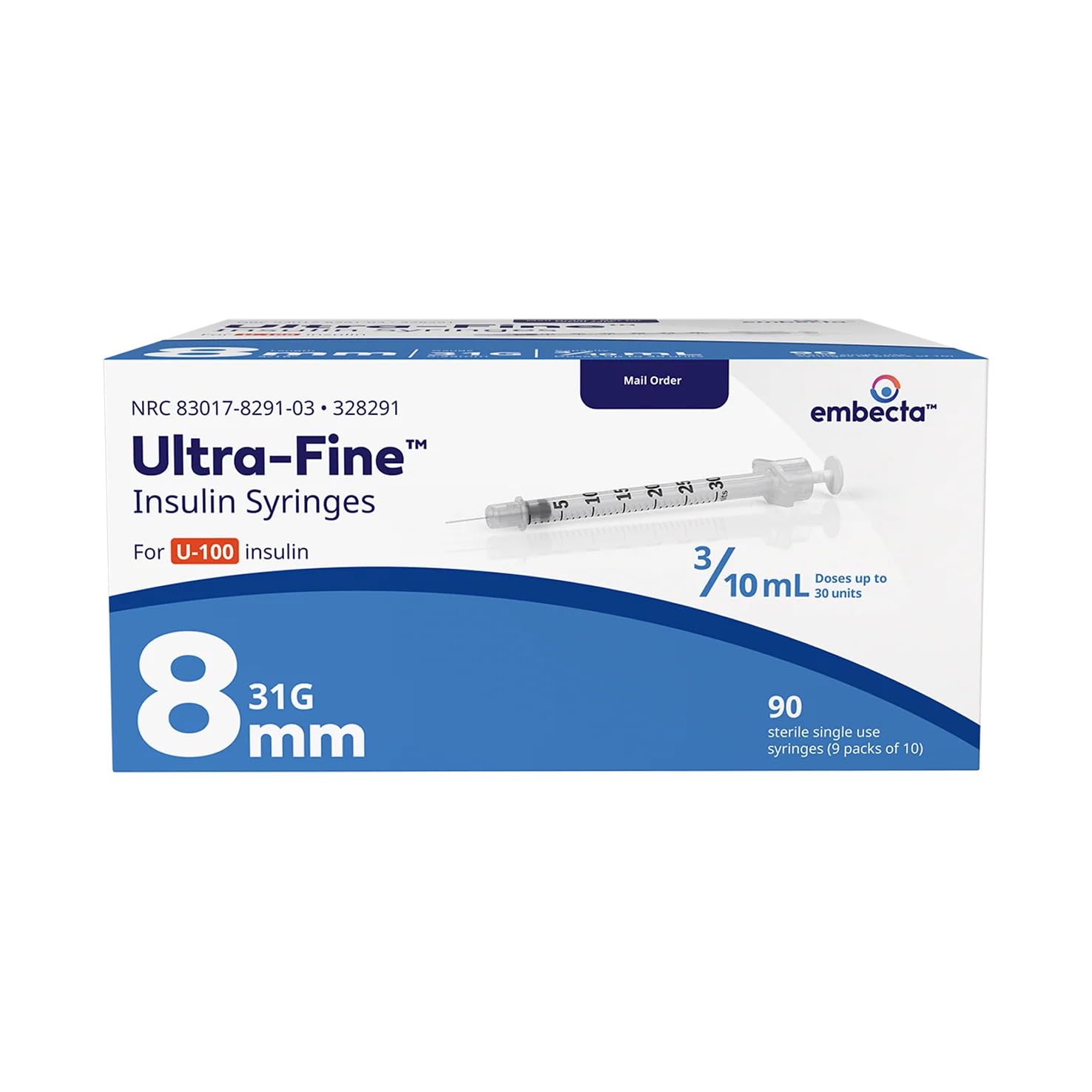
Subcutaneous injection (standard): Protocols describe injection in the abdomen, thigh, or upper arm, rotating sites between injections, using standard SC technique with a 29-31 gauge insulin syringe.

Clinical pen device: In trials, cagrilintide was delivered via Novo Nordisk's prefilled pen. Research-grade lyophilized powder requires manual reconstitution.

30ml bacteriostatic water vial — 0.9% benzyl alcohol multi-dose
Bac Water Made for Peptides
Don't risk a $300 peptide on generic bac water.
Most cloudy reconstitutions trace back to one thing — and it isn't the peptide. Sterile, non-pyrogenic, 0.9% benzyl alcohol — formulated for peptide reconstitution, not repackaged from generic stock.
0.9% benzyl alcohol Made for peptides 30 mL multi-dose
See why our bac water doesn't ruin peptides
30ml from $18.75 · Ships fast · Code thepeptidecatalog

Reconstitution Quick Reference

Vial Size BAC Water Concentration 250 mcg Dose
5 mg 2 mL 2.5 mg/mL 10 units

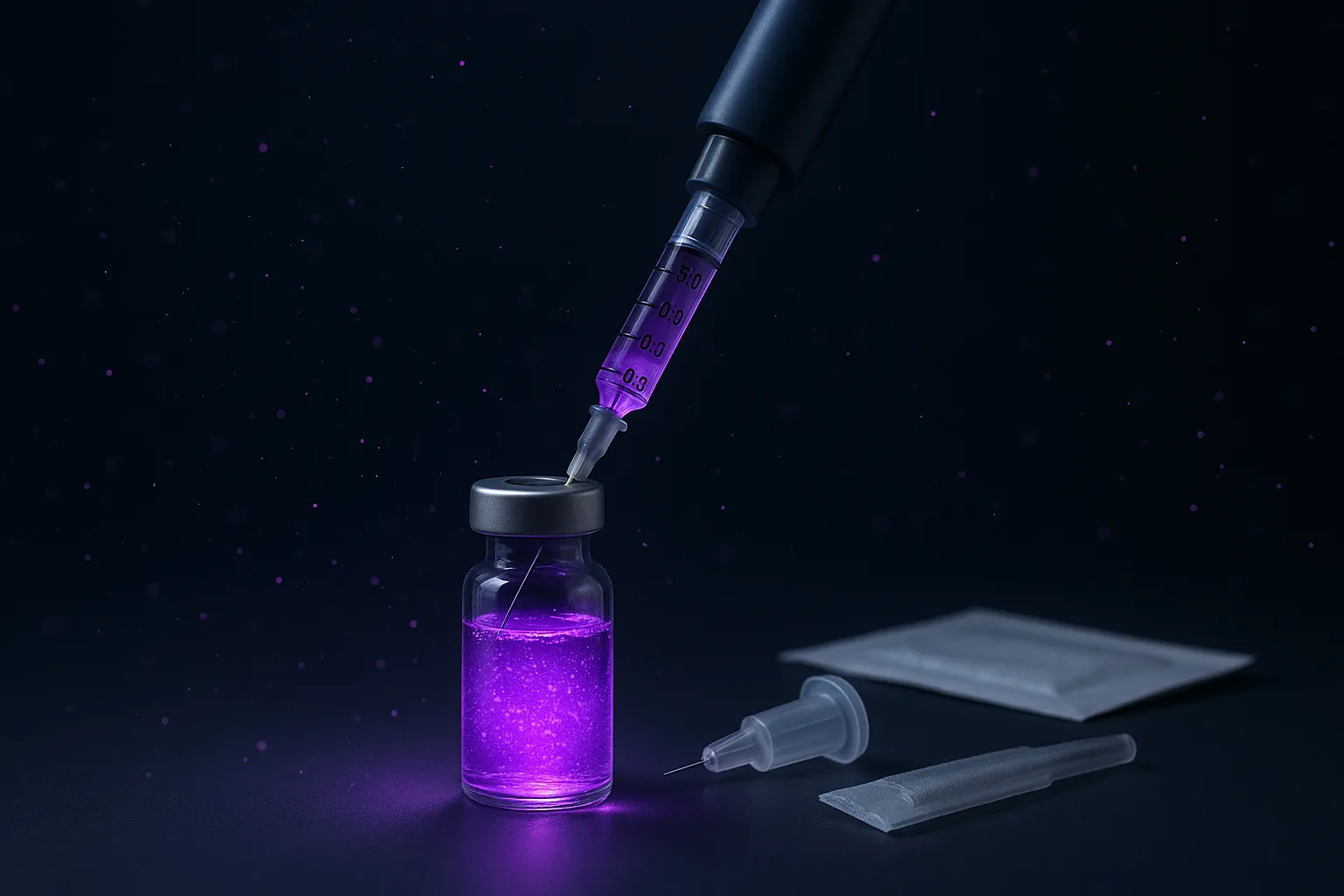
Math: 5,000 mcg / 2 mL = 2,500 mcg/mL. For 250 mcg: 250 / 2,500 = 0.1 mL = 10 units. One vial lasts 20 doses.

Swirl gently -- do not shake. Refrigerate at 2-8°C and use within 28 days. For step-by-step instructions, see the Reconstitution Calculator.
Reconstitution Guide

These figures reflect dilutions documented in community reconstitution protocols for research purposes only.
Top Cagrilintide Vendors

Ranked by price, COA availability, and reputation

1
Ascension PeptidesCOA
10/10
10mg$10.50/mg
2
Ion PeptideCOA
9.7/10
$9.90/mg
3
EZ PeptidesCOA
9.3/10
$8.80/mg

Affiliate disclosure: vendor links in this article are affiliate links — The Peptide Catalog may earn a commission if you buy through them, at no additional cost to you.

Where These Numbers Come From

Cagrilintide has a robust clinical trial program with published phase 2 and phase 3 data.

Phase 2 monotherapy (Lau et al., 2021): 706 adults with overweight/obesity across 57 sites. Cagrilintide 4.5 mg produced 10.8% mean weight loss at 26 weeks, comparable to liraglutide 3.0 mg. Clear dose-response relationship observed from 0.3 mg to 4.5 mg.

REDEFINE 1 -- CagriSema phase 3 (Aronne et al., 2025): CagriSema 2.4/2.4 mg produced 22.7% mean weight loss at 68 weeks vs 2.1% placebo. 60% of participants achieved 20% or more weight loss -- a threshold historically associated with bariatric surgery outcomes.

REDEFINE 2 -- CagriSema in T2D (Lingvay et al., 2025): Significant weight loss and glycemic improvement in adults with overweight/obesity and type 2 diabetes.

Phase 2 CagriSema in T2D (Frias et al., 2023): CagriSema produced superior weight loss and glycemic improvement vs either monotherapy over 32 weeks.

Stacking Protocols

Stack Components Purpose
CagriSema Cagrilintide + semaglutide Amylin + GLP-1 dual pathway (clinically validated)
Weight Management Cagrilintide + tirzepatide Not clinically studied -- theoretical only

CagriSema is the primary stack: The combination targets complementary pathways -- amylin receptors (satiety, gastric emptying, glucagon suppression) and GLP-1 receptors (insulin secretion, appetite, hedonic eating). Clinical data shows the combination produces significantly greater weight loss than either agent alone.

Side Effects & Safety

Per REDEFINE 1 and the Lau (2021) phase 2 program, trial-reported adverse events include:

  • Nausea -- most common (25-40%); peaks during dose escalation, typically mild-moderate
  • Diarrhea -- 10-20%, usually transient
  • Constipation -- 8-15%
  • Vomiting -- 5-15%, more frequent at higher doses
  • Injection site reactions -- 5-10%, mild erythema and pruritus
  • Decreased appetite -- 5-12%, related to mechanism of action
  • Pancreatitis -- rare but monitored (as with all GLP-1/amylin agents)
  • Gallbladder events -- cholelithiasis reported, consistent with rapid weight loss

Trial data describes dose titration as central to tolerability -- the 16-week escalation protocol substantially reduced GI adverse events. Not studied in pregnancy.

mg to Units Conversion

On a standard 100-unit insulin syringe, each "unit" equals 0.01 mL (so 100 units = 1 mL). Once cagrilintide is reconstituted, the conversion from a target dose to syringe units depends on the chosen dilution.

The two reconstitution ratios most often described in community protocols are below.

Reconstitution A: 5 mg vial + 2 mL BAC water (2.5 mg/mL) — the standard dilution from the Quick Reference above.

Dose (mcg) Volume (mL) Units (insulin syringe)
100 mcg 0.04 mL 4 units
250 mcg 0.1 mL 10 units
400 mcg 0.16 mL 16 units
500 mcg 0.2 mL 20 units

Reconstitution B: 5 mg vial + 3 mL BAC water (1.67 mg/mL) — more BAC water for larger, easier-to-measure draws.

Dose (mcg) Volume (mL) Units (insulin syringe)
100 mcg 0.06 mL 6 units
250 mcg 0.15 mL 15 units
400 mcg 0.24 mL 24 units
500 mcg 0.3 mL 30 units

These conversions reflect the dilutions documented in community reconstitution protocols. They report how the math is described, not a recommended dosing schedule.

Frequently Asked Questions

What doses do clinical trials and community protocols document for cagrilintide?
Community protocols document 250 mcg subcutaneous three times weekly for 8-week cycles -- far below the 2.4 mg once-weekly clinical trial dose. Reconstitution math and syringe conversions are detailed in the article body.
How much weight loss does cagrilintide produce?
As monotherapy in the phase 2 trial, cagrilintide 4.5 mg produced 10.8% mean body weight loss at 26 weeks. When combined with semaglutide 2.4 mg (CagriSema), the REDEFINE 1 phase 3 trial showed 22.7% mean weight loss at 68 weeks.
What is CagriSema?
CagriSema is Novo Nordisk's investigational combination therapy pairing cagrilintide 2.4 mg (a long-acting amylin analog) with semaglutide 2.4 mg (a GLP-1 receptor agonist), administered as a once-weekly subcutaneous injection.
Is cagrilintide FDA-approved?
No. As of early 2026, cagrilintide remains investigational. It has not received FDA approval either as monotherapy or in the CagriSema combination. Phase 3 REDEFINE trials are ongoing.
What are the most common side effects of cagrilintide?
Gastrointestinal events are the most frequently reported adverse effects, including nausea, diarrhea, constipation, and vomiting. These are typically mild to moderate and tend to decrease with continued treatment and proper dose titration.
How is cagrilintide administered?
Cagrilintide is administered as a subcutaneous injection in the abdomen, thigh, or upper arm. In clinical trials it was delivered via a prefilled pen device. Research-grade lyophilized powder requires reconstitution with bacteriostatic water.
What stacking protocols are documented for cagrilintide and semaglutide?
The CagriSema combination is the clinically studied pairing -- REDEFINE trials combined cagrilintide 2.4 mg with semaglutide 2.4 mg. The amylin and GLP-1 pathways are complementary, and clinical data shows the combination produces significantly greater weight loss than either agent alone.
What is the cagrilintide dose escalation schedule?
The REDEFINE trial titration follows: 0.25 mg (weeks 1-4) -> 0.5 mg (weeks 5-8) -> 1.0 mg (weeks 9-12) -> 1.7 mg (weeks 13-16) -> 2.4 mg maintenance from week 17 onward. Each step lasts 4 weeks.

References

Citation Topic PMID
Lau et al., Lancet (2021) Phase 2 dose-finding, cagrilintide monotherapy 34798060
Frias et al., Lancet (2023) Phase 2 CagriSema in T2D 37364590
Trevisan et al., Cardiol Rev (2024) Cagrilintide review for obesity 36883831
Aronne et al., N Engl J Med (2025) REDEFINE 1 phase 3 CagriSema 40544433
Lingvay et al., N Engl J Med (2025) REDEFINE 2 CagriSema in T2D 40544432

For educational and research purposes only. This is not medical advice. Cagrilintide is investigational and not FDA-approved.