The most important thing about CJC-1295 results timelines: whether the DAC or no-DAC version is used fundamentally changes the documented timeline.
Research-context information only. CJC-1295 is a research peptide. Protocols, doses, and reactions reported below come from published research and self-reported community sources. This article reports what has been documented, not what should be done. Consult a licensed physician for personal medical decisions.
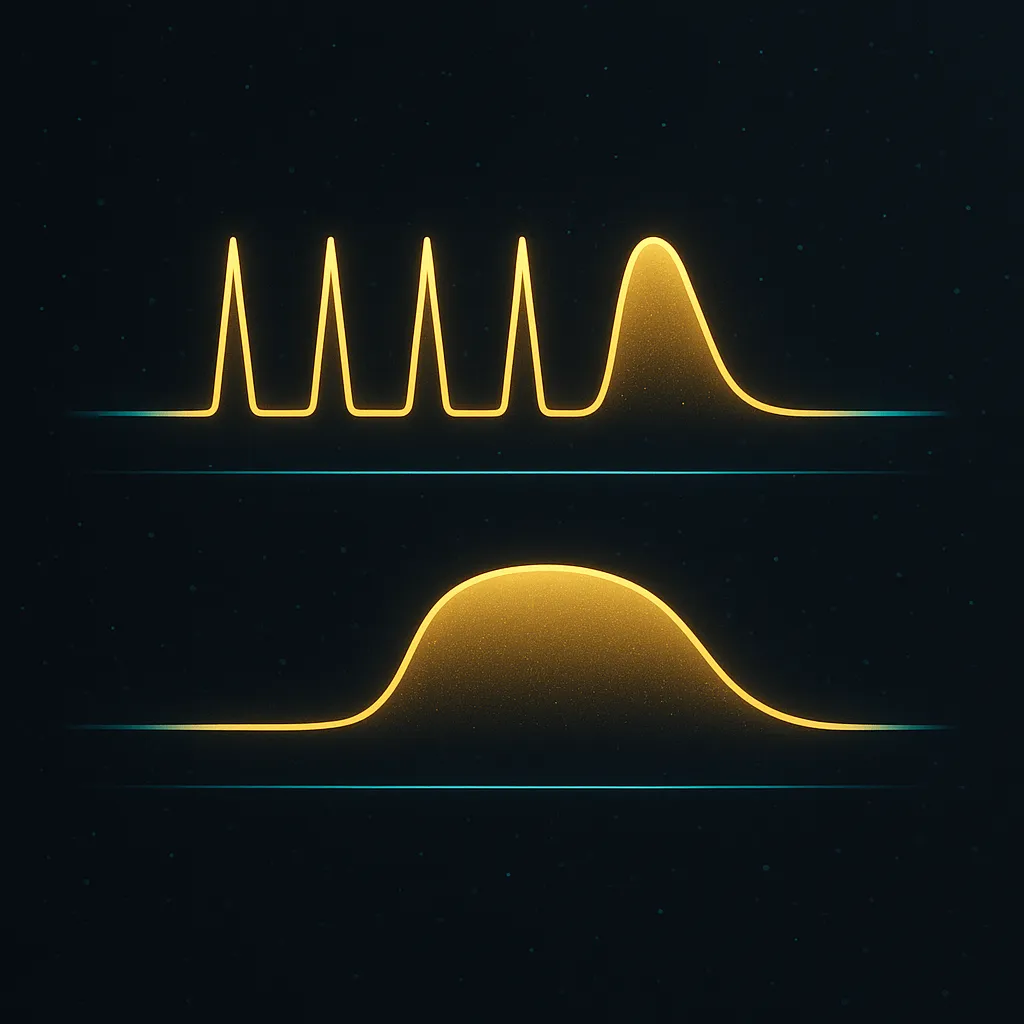
CJC-1295 with DAC binds to albumin, extending its half-life to approximately 8 days. One injection sustains GH stimulation for nearly a week. CJC-1295 without DAC (mod GRF 1-29) has a half-life of roughly 30 minutes, producing brief but intense GH pulses — especially when paired with a GHRP like ipamorelin.
Both versions raise IGF-1 levels. Both improve body composition over time. But the path to get there looks different, and understanding that difference prevents premature frustration. Clinical data from Teichman et al. showed 2-10 fold GH increases and 1.5-3 fold IGF-1 elevation in healthy adults receiving CJC-1295 DAC — with IGF-1 remaining above baseline for up to 28 days after multiple doses (PMID: 16352683).
Here is what the evidence and community experience show at each stage.
The first week is about biochemistry, not visible changes. Your pituitary is responding to GHRH stimulation, and measurable shifts are happening beneath the surface.
What the clinical data shows:
IGF-1 elevation begins within hours. A single CJC-1295 DAC injection raises IGF-1 by 1.5-3 fold within 2-4 days, with levels remaining elevated for 9-11 days (PMID: 16352683). The no-DAC version produces transient GH spikes within 15-30 minutes of each injection.
GH trough levels increase. Even between pulses, baseline GH rises. Alba et al. confirmed that CJC-1295 increases trough GH levels while preserving natural pulsatile secretion — the body still releases GH in healthy bursts rather than a flat line (PMID: 17018654).
Sleep quality shifts. GHRH administration promotes slow-wave (deep) sleep. This is one of the earliest subjective effects — often reported within the first 3-7 days. Research on GHRH's sleep effects shows increased slow-wave sleep and enhanced GH release during the first half of the night (PMID: 9089471).
DAC vs no-DAC difference: DAC users notice a more gradual onset because GH elevation is sustained but moderate. No-DAC users (especially those stacking with ipamorelin) may notice more dramatic sleep changes sooner due to larger acute GH pulses at bedtime.
What users commonly report: Possibly deeper sleep, more vivid dreams, and slightly increased appetite. Many people report nothing the first week — that is normal and does not mean the peptide is not working.
Weeks 2-4: First Noticeable Changes
This is when subjective effects become more consistent and IGF-1 reaches steady-state levels with repeated dosing.
Sleep and recovery:
Deeper, more restorative sleep becomes a reliable pattern rather than an occasional effect
Post-exercise recovery improves — less soreness, faster return to baseline
Minor soft tissue aches (old nagging injuries) may begin to feel better
Body composition (early signals):
Skin quality begins to improve — increased hydration and elasticity from GH-driven collagen synthesis
Subtle reduction in subcutaneous water retention, particularly around the midsection
Appetite patterns shift — some users report increased hunger (GH is a counterregulatory hormone), others report better appetite regulation
Energy and mood:
More consistent energy levels through the day
Improved sense of well-being — GH influences neurotransmitter function and this often manifests as a subtle mood elevation
DAC vs no-DAC difference: By week 2-4, DAC users on a 1-2x/week schedule have accumulated sustained IGF-1 elevation. Teichman et al. demonstrated cumulative effects after multiple CJC-1295 DAC doses, with IGF-1 remaining above baseline for up to 28 days (PMID: 16352683). No-DAC users stacking with a GHRP are producing daily GH pulses that compound over time.
This is the inflection point where GH optimization translates into visible and measurable physical changes. Six to eight weeks of sustained IGF-1 elevation is typically what it takes for body composition effects to become noticeable.
Fat loss:
Reduced abdominal fat — GH is a potent lipolytic hormone that preferentially mobilizes visceral and truncal fat stores
Improved fat oxidation during fasted states and exercise
Research on long-term GHRH analog administration showed increased lean body mass and favorable body composition shifts in both men and women (PMID: 9141536)
Muscle and recovery:
Improved muscle fullness and recovery between training sessions
Enhanced response to resistance training — GH does not directly build muscle like testosterone, but the recovery advantage allows more productive training volume
Joint and connective tissue improvements from IGF-1-driven collagen synthesis
Skin and appearance:
Noticeably improved skin quality — tighter, more hydrated, and better elasticity
Reduced fine lines (GH-driven dermal collagen production)
Hair and nail growth may accelerate
DAC vs no-DAC difference: At this stage, outcomes tend to converge. The route to get here differs — DAC through sustained elevation, no-DAC through repeated pulsatile stimulation — but the cumulative IGF-1 exposure is comparable with proper protocols. Users who paired no-DAC with ipamorelin may report slightly better lean mass gains due to larger acute GH pulses.
Months 3-6: Long-Term GH Optimization
Beyond the two-month mark, CJC-1295's effects deepen and stabilize. This is where the anti-aging and body composition benefits become substantial.
Body composition plateau and refinement:
Fat loss continues but at a slower rate — the initial rapid improvement gives way to gradual refinement
Lean body mass stabilization at a higher set point
Serum protein profile changes consistent with improved metabolic health have been documented in subjects receiving CJC-1295 (PMID: 19386527)
Recovery and performance:
Training capacity reaches a new baseline — recovery that felt enhanced at month 1 now feels normal
Injury resilience improves as connective tissue remodeling matures
Sleep architecture remains optimized with consistent deep sleep patterns
Anti-aging markers:
Sustained improvements in skin, hair, and nail quality
General vitality and recovery capacity that users describe as "feeling younger"
Important note on cycling: Community protocols commonly cycle CJC-1295 (8-12 weeks on, 4-8 weeks off), typically for cost and to let IGF-1 normalize. No long-term trials have evaluated continuous use, so the on/off pattern is a convention rather than a desensitization-validated requirement. Results do not disappear during off-cycles — IGF-1 gradually returns to baseline over 2-4 weeks — but the enhanced GH secretion depends on continued use. For background, see Do GH Peptides Desensitize the Pituitary?. Some practitioners recommend continuous use of the DAC version at lower doses with periodic GHRP breaks for the no-DAC version.
Bac Water Made for Peptides50% off
Don't risk a $300 peptide on generic bac water.
Most cloudy reconstitutions trace back to one thing — and it isn't the peptide. Sterile, non-pyrogenic, 0.9% benzyl alcohol — formulated for peptide reconstitution, not repackaged from generic stock.
✓ 0.9% benzyl alcohol✓ Made for peptides✓ 30 mL multi-dose
Not everyone follows the same timeline. These variables determine whether an individual lands on the faster or slower end of the spectrum.
DAC vs No-DAC Selection
This is the single biggest variable. CJC-1295 DAC provides convenience (1-2 injections per week) and sustained IGF-1 elevation. CJC-1295 no-DAC requires daily injections but — when paired with a GHRP — produces larger GH pulses that more closely mimic natural secretion. For a detailed comparison, see CJC-1295 DAC vs no-DAC.
GHRP Stacking (No-DAC Only)
CJC-1295 no-DAC used alone produces modest GH release. Pairing it with a GHRP like ipamorelin amplifies the response dramatically through synergistic GHRH + GHRP receptor activation. Ipamorelin is preferred because it selectively releases GH without affecting cortisol or prolactin (PMID: 9849822). For combination protocols, see the CJC-1295 + ipamorelin dosing guide.
Injection Timing and Fasting State
GH release is blunted by elevated blood sugar and insulin. Injecting CJC-1295 within 2 hours of a meal — particularly one high in carbohydrates — significantly reduces the GH response. Best practice: inject on an empty stomach, ideally before bed or first thing in the morning after an overnight fast.
Age and Baseline GH Status
Younger individuals with already-healthy GH levels will see more subtle improvements. Those over 40 with age-related GH decline often report more dramatic effects because the delta between their suppressed baseline and optimized GH output is larger.
Sleep, Exercise, and Lifestyle
CJC-1295 amplifies the body's own GH machinery — it does not replace it. Poor sleep, chronic stress, and sedentary behavior all suppress GH output. The peptide works best as an amplifier layered onto solid sleep hygiene, regular training, and reasonable nutrition.
Results by Use Case
Body Composition (Fat Loss + Lean Mass)
Timeframe
What to Expect
Weeks 1-2
Subtle reduction in water retention, improved skin quality
Weeks 3-6
Noticeable fat loss around midsection, improved muscle recovery
Months 2-4
Measurable body composition shifts, enhanced response to training
Months 4-6
Stabilized lean mass, continued gradual fat redistribution
Best protocol: CJC-1295 no-DAC + ipamorelin (100/100 mcg 2-3x daily) for maximum pulsatile GH release, or CJC-1295 DAC (2 mg weekly) for compliance-friendly sustained elevation.
Anti-Aging and Skin Quality
Timeframe
What to Expect
Weeks 1-2
Improved sleep depth and quality
Weeks 3-6
Skin hydration and elasticity improvements begin
Months 2-3
Visible skin, hair, and nail quality improvements
Months 3-6
Sustained dermal collagen remodeling, reduced fine lines
CJC-1295 DAC is often preferred for anti-aging protocols due to compliance simplicity and continuous IGF-1 elevation, which drives collagen synthesis around the clock. Read more about the benefits of CJC-1295 DAC.
Joint and connective tissue improvements, reduced injury frequency
Months 3-6
Enhanced training capacity from cumulative recovery advantage
GH does not heal injuries like BPC-157 or TB-500. Its recovery benefits are systemic — better sleep, enhanced protein synthesis, and improved collagen turnover — rather than targeted tissue repair.
When to Adjust the Protocol
Signs It Is Working
Deeper sleep within the first 1-2 weeks
Improved recovery after training by weeks 3-4
Visible body composition changes by months 1-2
Bloodwork showing IGF-1 in the upper-normal range (200-300 ng/mL for most adults)
Signs Something Needs to Change
No sleep improvement after 3 weeks: Verify product quality (request third-party COA), check injection timing (should be before bed on empty stomach), and confirm proper reconstitution — see the CJC-1295 reconstitution guide
Water retention or bloating: Dose may be too high. GH excess causes sodium and water retention. Reduce dose by 25-50% and reassess
Numbness or tingling in hands: Classic sign of GH-related carpal tunnel from fluid retention. Reduce dose or frequency immediately
No body composition changes by month 3: Re-evaluate diet and training. CJC-1295 amplifies an existing routine — it cannot override poor nutrition or lack of stimulus. Consider adding a GHRP if using no-DAC alone
When to Get Bloodwork
Baseline IGF-1 before starting, then recheck at 4-6 weeks. This confirms the peptide is working biochemically and helps calibrate dosing. A comprehensive bloodwork panel — including IGF-1, fasting glucose, insulin, and thyroid markers — provides the full picture. For a detailed monitoring protocol, see the CJC-1295 bloodwork guide.
Frequently Asked Questions
How long does CJC-1295 take to work?
IGF-1 levels begin rising within 2-4 hours of the first injection and remain elevated for 6-11 days with the DAC version. Subjective effects like improved sleep quality are commonly reported within 1-2 weeks. Body composition changes typically emerge at 4-8 weeks.
Does CJC-1295 DAC work faster than no-DAC?
DAC produces faster IGF-1 elevation because a single dose sustains GH stimulation for 6-8 days. However, no-DAC paired with a GHRP produces larger acute GH pulses per injection. Both versions reach steady-state IGF-1 elevation within 2-4 weeks of consistent use.
What is the first sign CJC-1295 is working?
Improved sleep quality — specifically deeper sleep and more vivid dreams — is the most commonly reported early indicator. This typically appears within 5-14 days and reflects increased GH secretion during slow-wave sleep.
Why am I not seeing results from CJC-1295?
The most common reasons: inconsistent dosing schedule, not pairing no-DAC with a GHRP, injecting too close to meals (insulin blunts GH release), unrealistic expectations for the timeframe, or poor-quality product without third-party COA verification.
What do community sources describe about accelerating CJC-1295 results?
Pairing CJC-1295 no-DAC with ipamorelin produces synergistic GH release. Community sources describe fasting for 2-3 hours before injection, timing doses before bed, and maintaining consistent sleep hygiene as factors that amplify the GH response. Exercise also potentiates GH release.
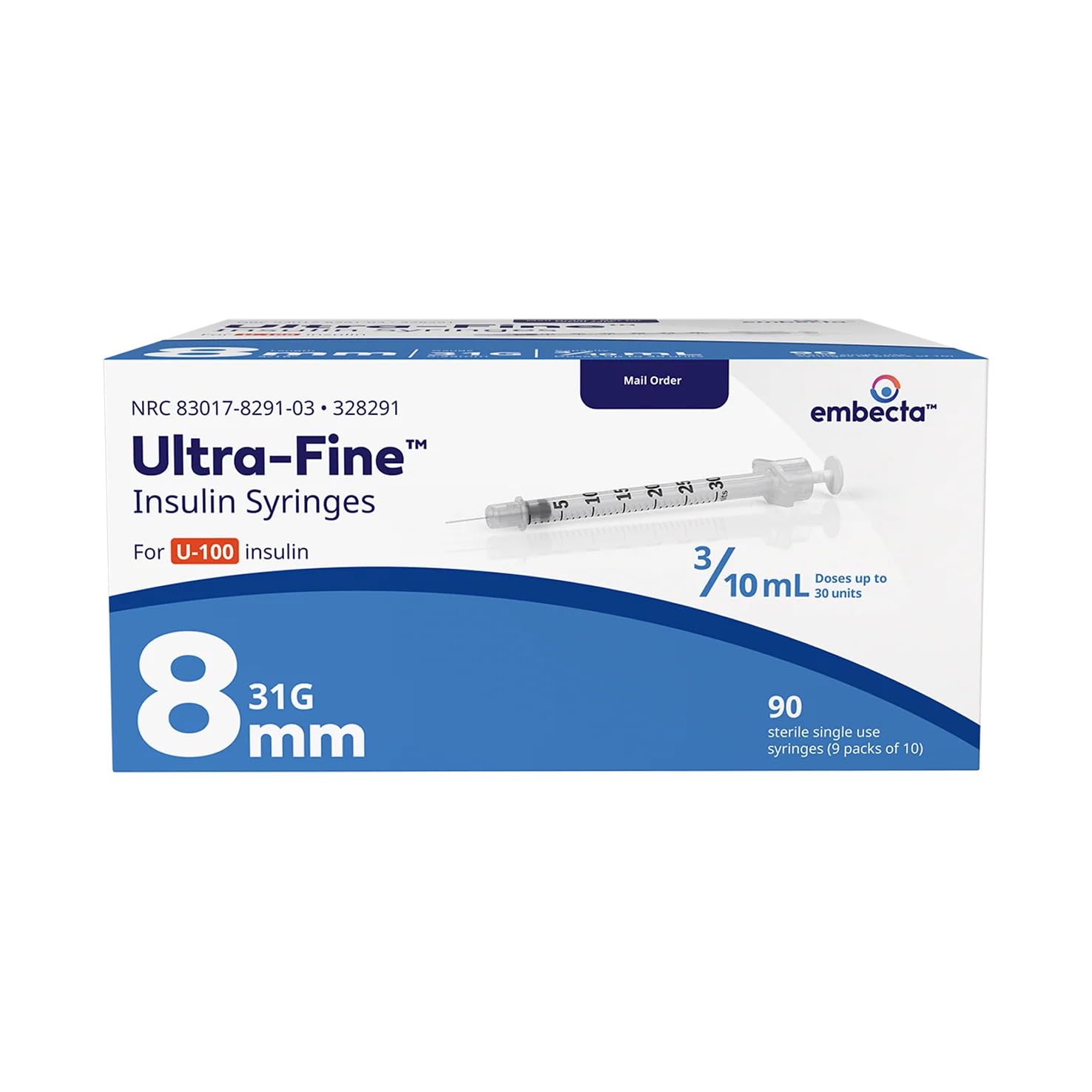
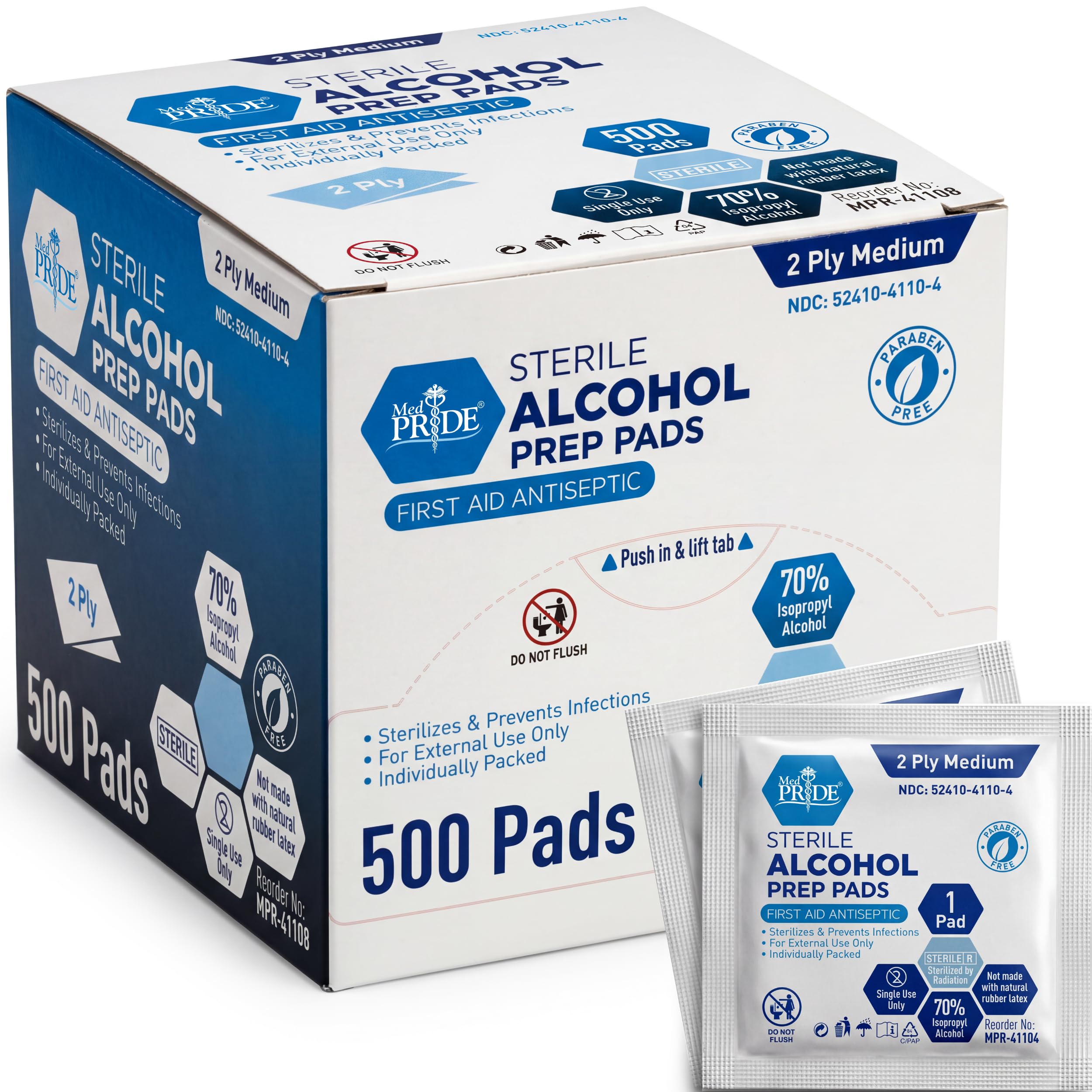
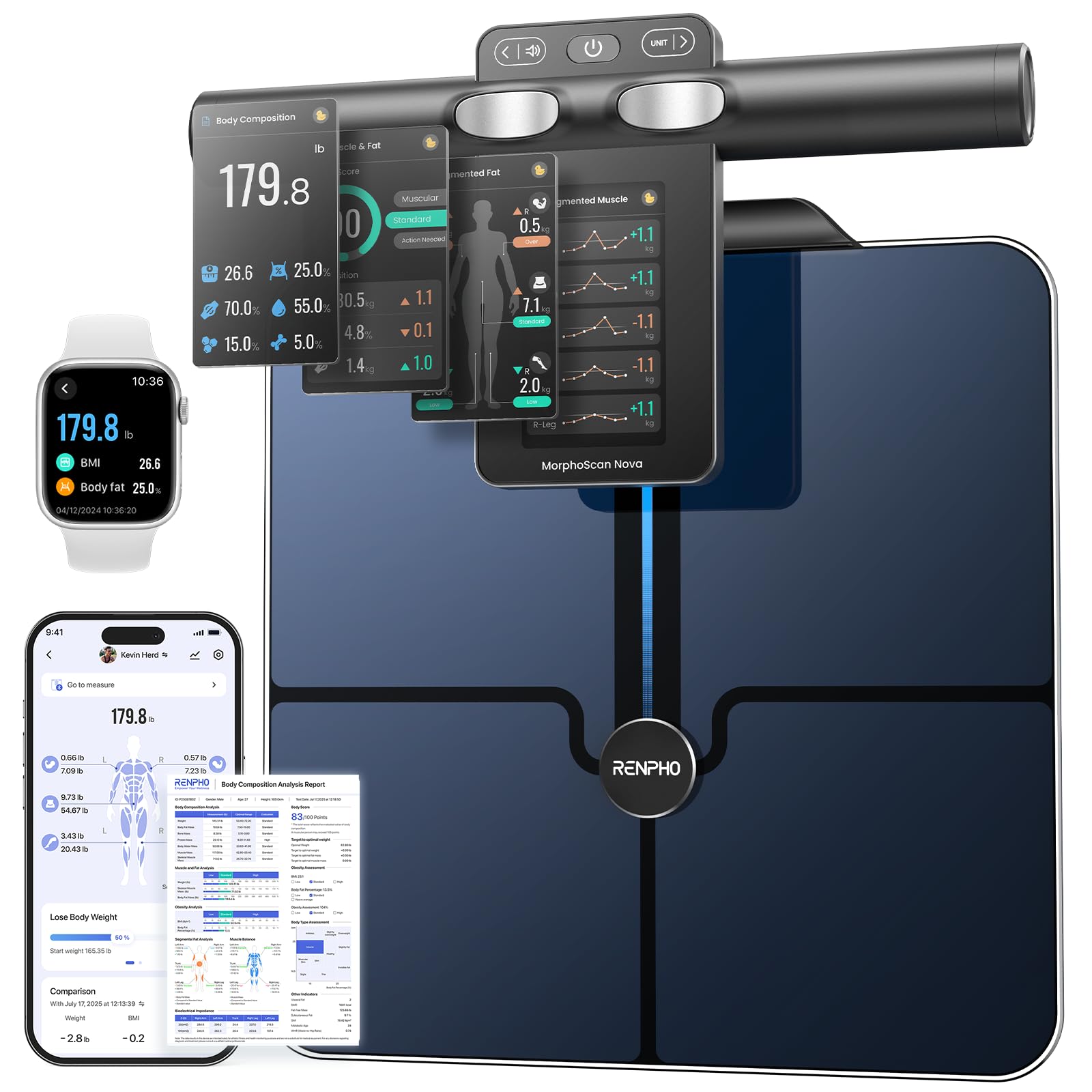
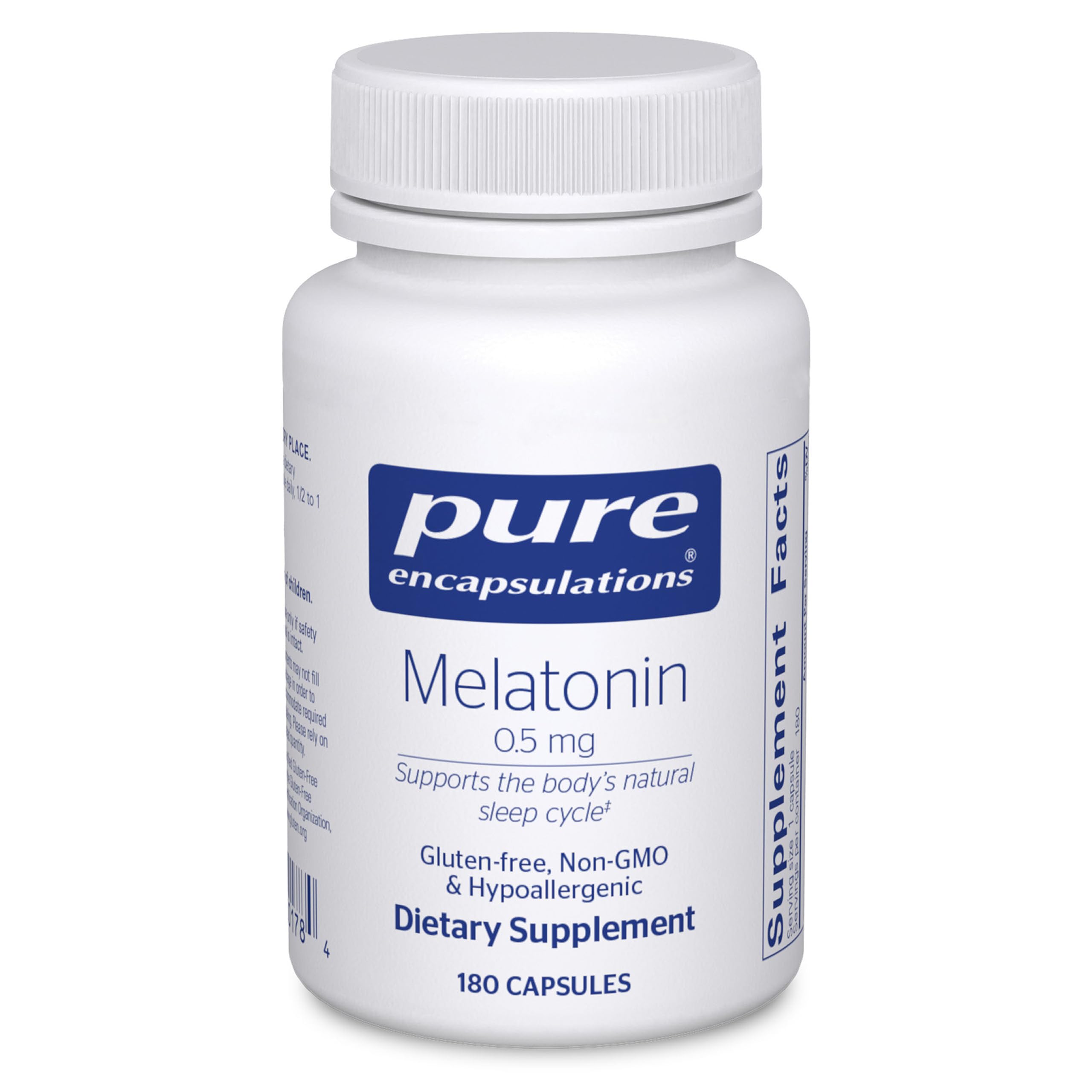
Research Supplies for CJC-1295
Hand-picked storage, injection, and recovery supplies paired with CJC-1295 protocols.
Teichman SL, et al. Prolonged stimulation of growth hormone (GH) and insulin-like growth factor I secretion by CJC-1295, a long-acting analog of GH-releasing hormone, in healthy adults. J Clin Endocrinol Metab. 2006;91(3):799-805. PMID: 16352683
Alba M, et al. Once-daily administration of CJC-1295, a long-acting growth hormone-releasing hormone (GHRH) analog, normalizes growth in the GHRH knockout (GHRHKO) mouse. Am J Physiol Endocrinol Metab. 2006;291(6):E1290-4. PMID: 16822960
Ionescu M, Bhatt DL, et al. Pulsatile secretion of growth hormone (GH) persists during continuous stimulation by CJC-1295, a long-acting GH-releasing hormone analog. J Clin Endocrinol Metab. 2006;91(12):4792-7. PMID: 17018654
Raun K, et al. Ipamorelin, the first selective growth hormone secretagogue. Eur J Endocrinol. 1998;139(5):552-61. PMID: 9849822
Vittone J, et al. Endocrine and metabolic effects of long-term administration of [Nle27]growth hormone-releasing hormone-(1-29)-NH2 in age-advanced men and women. J Clin Endocrinol Metab. 1997;82(5):1472-9. PMID: 9141536
Guldner J, et al. Changes in sleep-endocrine activity after growth hormone-releasing hormone depend on time of administration. J Neuroendocrinol. 1997;9(3):201-9. PMID: 9089471
Jetton TL, et al. Activation of the GH/IGF-1 axis by CJC-1295, a long-acting GHRH analog, results in serum protein profile changes in normal adult subjects. Growth Horm IGF Res. 2009;19(6):471-7. PMID: 19386527