Months 1-2: Measurable Improvements
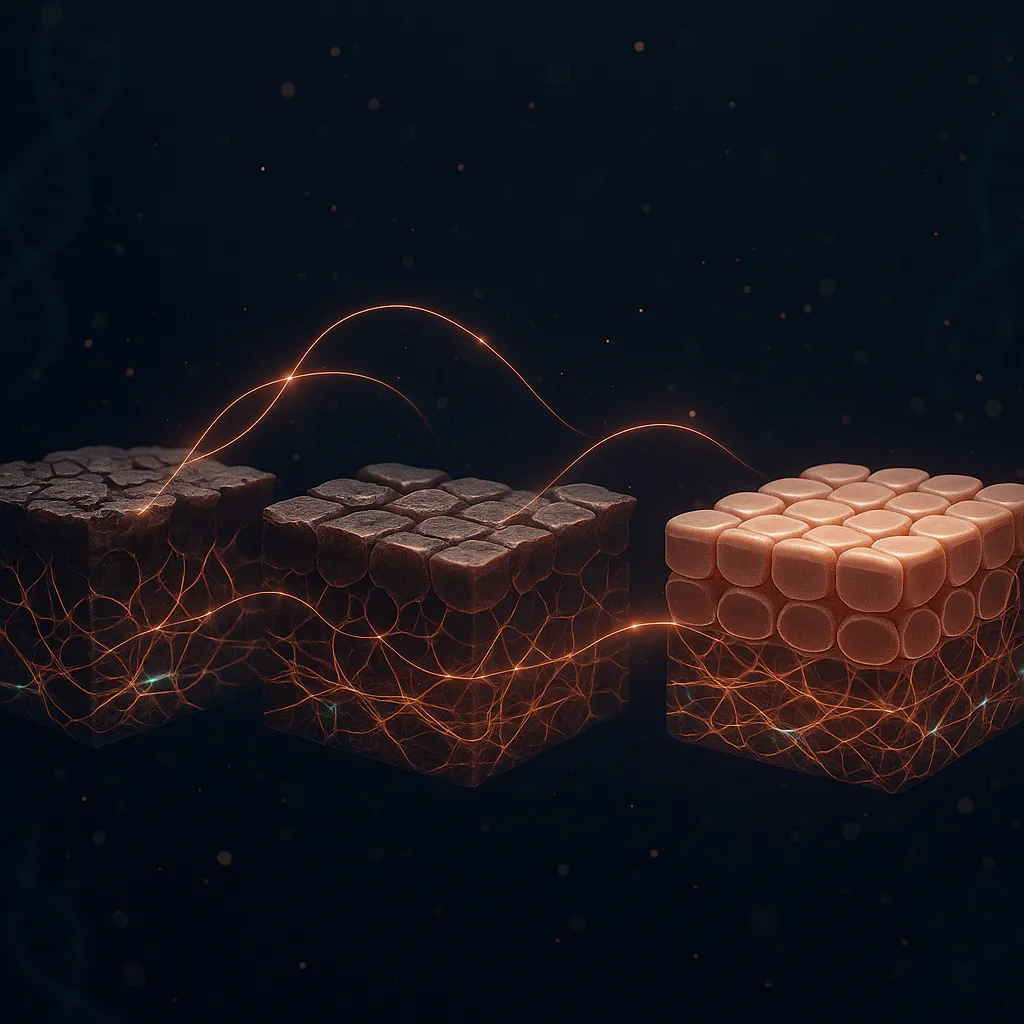
This is the critical window where GHK-Cu's collagen remodeling produces objectively measurable changes. The copper-dependent enzymes lysyl oxidase and lysyl hydroxylase have had enough time to cross-link and stabilize newly synthesized collagen fibers.
Topical results (clinical evidence):
A randomized, double-blind clinical trial testing GHK-Cu in nano-lipid carriers over 8 weeks found significant wrinkle reduction: 55.8% reduction in wrinkle volume and 32.8% reduction in wrinkle depth compared to control serum (Badenhorst et al., 2016). These are substantial, measurable structural changes — not just surface-level hydration.
Additional documented improvements at this stage:
| Parameter |
Typical Change |
Evidence Level |
| Wrinkle volume |
30-55% reduction |
Clinical trial |
| Skin firmness |
20-30% improvement |
Clinical trial |
| Skin thickness |
Measurable increase (epidermis + dermis) |
Clinical trial |
| Elasticity |
Significant improvement |
Clinical trial |
| Skin clarity |
Reduced mottled pigmentation |
Clinical observation |
Injectable results (community-reported):
- Visible improvement in skin elasticity and firmness — particularly noticeable on the neck and hands.
- Faster recovery from workouts and minor injuries.
- Improved nail growth quality (thicker, stronger nails — a proxy for systemic collagen effects).
- Users tracking bloodwork report declining hs-CRP (inflammation) and increasing P1NP (collagen formation). See our GHK-Cu Bloodwork Guide for which markers to track.
Hair follicle effects: In vitro research demonstrates that copper-peptide complexes stimulate hair follicle elongation and dermal papilla cell proliferation at nanomolar concentrations, while reducing TGF-beta1 secretion that can push follicles into the regressive phase (Pyo et al., 2007). At 4-8 weeks, follicle activation is underway, but visible hair density changes are not yet apparent.
Months 3-6: Long-Term Collagen Remodeling
The 3-6 month window is where GHK-Cu's deepest structural effects emerge. Collagen remodeling is not a fast process — newly synthesized collagen fibers require weeks to months of cross-linking and organization before they contribute to skin mechanical properties.
What happens biologically:
- Collagen maturation. Type III collagen (initial repair collagen) is gradually replaced by type I collagen (mature, load-bearing collagen). This transition requires ongoing lysyl oxidase activity — exactly what GHK-Cu's copper delivery supports (Pickart, 2008).
- Elastin network integration. New elastin fibers integrate into the existing dermal matrix, improving skin recoil and resilience. This is a slow process that continues well beyond the initial synthesis phase.
- Cumulative gene expression effects. GHK-Cu's broad gene modulation — affecting 31.2% of human genes per Broad Institute analysis — produces compounding benefits as repair pathways remain upregulated across multiple cycles (Pickart & Margolina, 2018).
Skin anti-aging: Controlled studies on aged skin demonstrate that GHK-Cu at the 12-week mark tightens skin, improves elasticity and firmness, reduces fine lines, coarse wrinkles, and mottled pigmentation, and increases skin density and thickness (Pickart et al., 2015). These improvements may continue building through month 6.
Hair growth: This is the earliest window where visible hair density changes become apparent. Hair grows approximately 1 cm per month. Even if follicle activation occurred in month 1-2, the new growth needs 2-4 additional months to reach visible length. Users specifically targeting hair report the clearest results at 4-6 months.
Wound healing and scarring: Old scars may show improved texture and reduced visibility as collagen remodeling extends to scar tissue. GHK-Cu's dual action — increasing metalloproteinase activity (to break down disorganized scar collagen) while simultaneously increasing TIMP expression (to prevent excessive degradation) — creates a controlled remodeling environment.
Results by Delivery Method
The delivery method fundamentally changes the timeline. This is not a minor variable — topical and injectable GHK-Cu behave almost like different compounds in terms of onset speed and effect distribution.

| Timeframe |
Expected Result |
| Week 1-2 |
Improved hydration, subtle texture smoothing |
| Week 4-8 |
Measurable wrinkle reduction (30-55%), improved firmness |
| Week 8-12 |
Peak clinical improvements — skin density, elasticity, clarity |
| Month 3-6 |
Continued deepening of results, hair follicle activation at application site |
Strengths: Clinical trial data supporting efficacy. Direct contact with target tissue (skin). Can be used continuously without cycling.
Limitations: Limited to the application area. Poor penetration through intact skin barrier — the stratum corneum blocks most peptide absorption. Nano-carrier formulations significantly improve delivery but add cost.
Injectable GHK-Cu (1-2 mg/day SubQ)
| Timeframe |
Expected Result |
| Week 1 |
Cellular activation, gene expression shifts |
| Week 2-4 |
Improved skin tone, faster minor wound healing |
| Month 1-2 |
Systemic skin/nail quality improvements, bloodwork changes |
| Month 3-6 |
Collagen maturation, hair effects, cumulative remodeling |
Strengths: Systemic distribution — affects skin, joints, and tissues body-wide. Bypasses the skin barrier entirely. Faster onset of systemic effects.
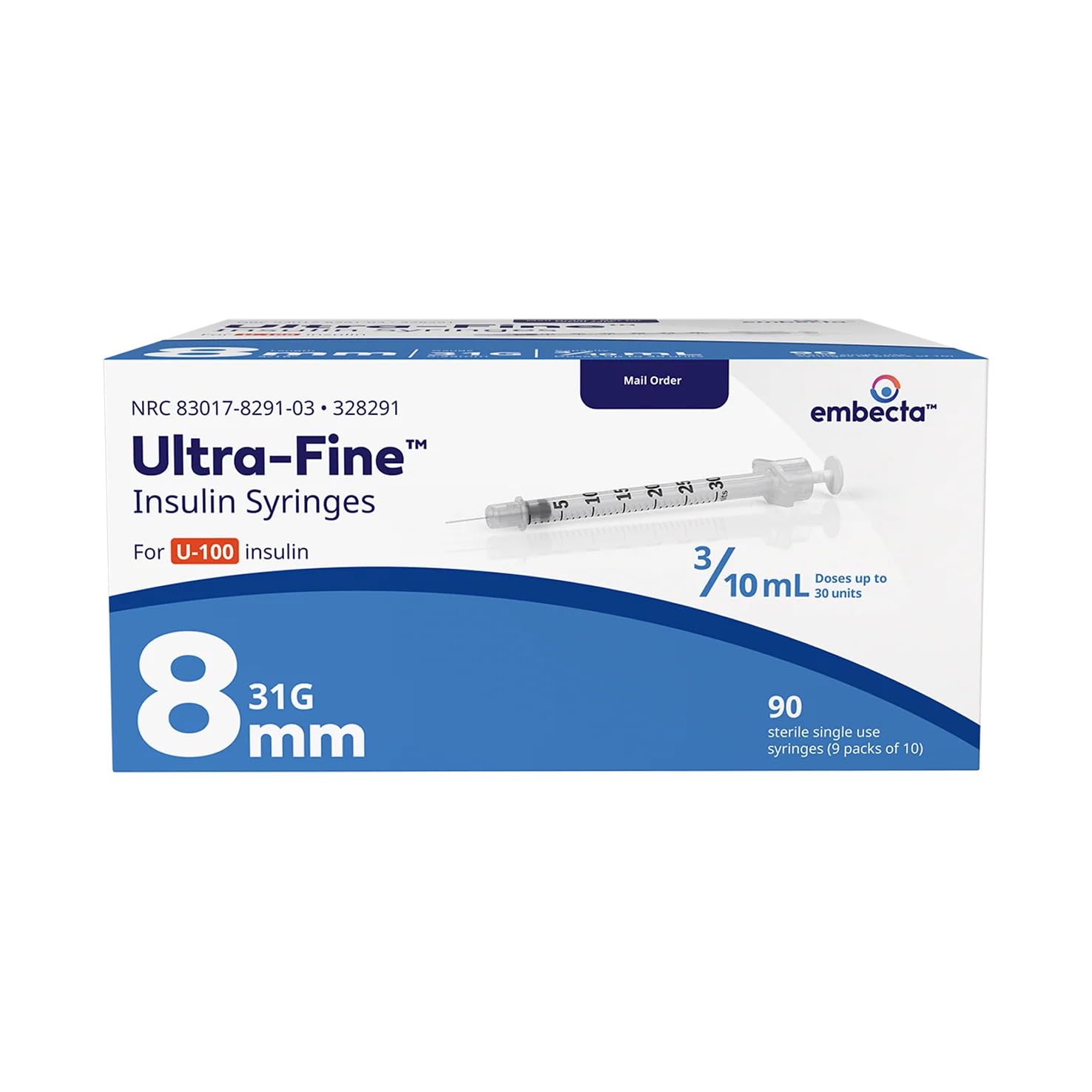
Limitations: No human clinical trial data for injectable route. Community protocols only. Requires reconstitution and injection skill. Should be cycled (8 weeks on, 8 weeks off). See our GHK-Cu Reconstitution Guide for preparation details.
Combined Protocol (Both Routes)
Many experienced users run both simultaneously: injectable for systemic collagen support plus topical for concentrated facial/scalp effects. This approach covers both the penetration limitation of topical and the lack of clinical data for injectable by using each route where it has the strongest rationale.
Results by Use Case
Skin Anti-Aging (Fine Lines, Firmness, Texture)
Best route: Topical (clinical evidence) + injectable (systemic support)
This is GHK-Cu's strongest use case with the most clinical data. Clinical studies describe visible improvement in skin texture by week 4, measurable wrinkle reduction by week 8, and peak results at 12 weeks. The mechanism is straightforward: GHK-Cu increases collagen I, III, and elastin synthesis while activating copper-dependent cross-linking enzymes that give skin its structural integrity.
Natural GHK-Cu levels decline from ~200 ng/mL at age 20 to ~80 ng/mL by age 60. Supplementation effectively restores the peptide signal that drives skin maintenance in younger tissue.
Wound Healing and Post-Procedure Recovery
Best route: Topical at the wound site (clinical evidence) + injectable (systemic support)
GHK-Cu accelerates wound healing through multiple mechanisms: chemoattraction of macrophages, mast cells, and capillary cells; increased angiogenesis; and enhanced collagen deposition at the wound site (Pickart, 2008).
Timeline: Acute wound healing improvements are noticeable within 1-2 weeks. Post-surgical or post-procedure recovery (laser resurfacing, microneedling, chemical peels) shows accelerated results when GHK-Cu is applied during the active healing window.
Hair Growth and Density
Best route: Topical (scalp application) + injectable (systemic)
Hair is the slowest-responding target for GHK-Cu. The in vitro data on follicle elongation and dermal papilla cell proliferation is promising (Pyo et al., 2007), but real-world hair results require patience.
| Phase |
Timeline |
What to Expect |
| Follicle activation |
Month 1-2 |
No visible changes — cellular-level effects |
| Early growth |
Month 2-4 |
Possible reduction in hair shedding, vellus hair appearance |
| Visible density |
Month 4-6 |
Measurable increase in hair count, improved thickness |
| Full assessment |
Month 6+ |
Clear before/after comparison possible |
GHK-Cu's hair mechanism works through VEGF stimulation (improving follicle blood supply) and TGF-beta1 inhibition (preventing premature follicle regression). These are complementary to — not replacements for — established hair loss treatments.
Factors That Affect Results
Product Quality and Concentration
GHK-Cu purity directly impacts results. Injectable peptide should have third-party HPLC verification showing >95% purity. Topical formulations vary widely — effective concentrations range from 0.01% to 1%, but many commercial products use sub-therapeutic amounts without disclosure. Look for products that specify exact GHK-Cu concentration.
Consistency of Application
GHK-Cu's effects are cumulative. Skipping days or inconsistent application delays the collagen remodeling timeline. The clinical trials showing significant results used twice-daily topical application for 8-12 weeks without interruption. Injectable protocols should maintain daily dosing through the full 8-week cycle.
Age and Baseline GHK-Cu Levels
Older individuals with lower baseline GHK-Cu levels (~80 ng/mL at age 60 vs ~200 ng/mL at age 20) may see more dramatic improvements because they are correcting a larger deficit. Younger users with higher natural levels may notice subtler changes. For objective tracking, see our GHK-Cu Bloodwork Guide.
Copper Status
GHK-Cu delivers copper. Individuals who are already copper-replete may respond differently than those with marginal copper status. Monitor serum copper and ceruloplasmin — especially if combining injectable GHK-Cu with copper-containing supplements. People with Wilson's disease or copper metabolism disorders should not use GHK-Cu.
Complementary Interventions
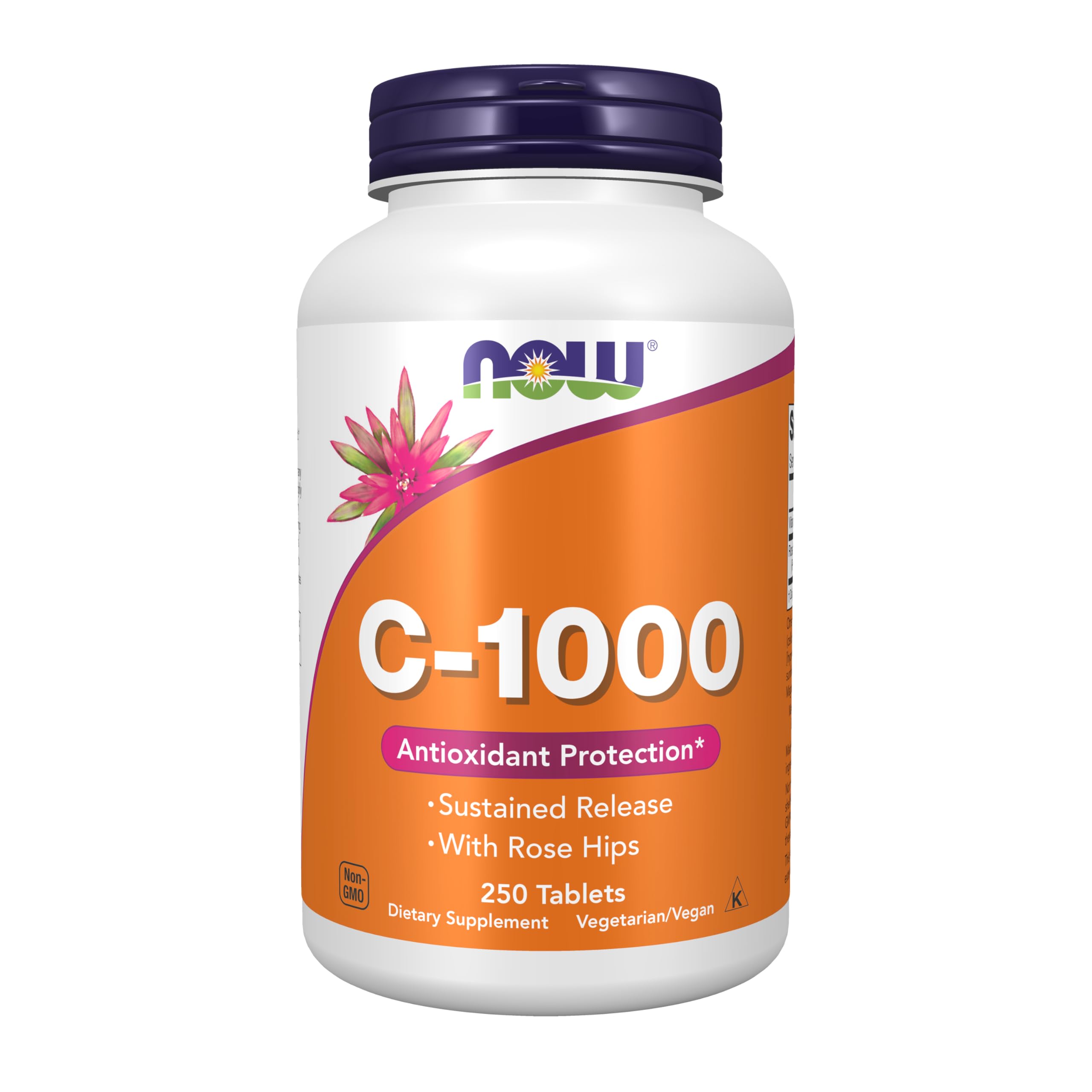
GHK-Cu results compound with: adequate protein intake (collagen requires amino acid substrates), vitamin C (essential cofactor for collagen hydroxylation), retinoids (synergistic collagen stimulation via different pathways), and sun protection (UV degrades collagen faster than GHK-Cu can build it).
For a complete overview of what GHK-Cu does at the molecular level, see our GHK-Cu Benefits article.
When to Adjust the Protocol
Signs It Is Working
- Improved skin hydration and texture (week 2-4)
- Faster healing of minor cuts and skin abrasions (week 2-4)
- Reduced fine line depth visible under angled lighting (week 6-8)
- Declining hs-CRP on bloodwork (week 4-6)
- Increasing P1NP (collagen formation marker) on bloodwork (week 4-8)
- Improved nail quality — thickness, growth rate, reduced brittleness (week 4-8)
Signs to Reassess
- No changes to skin texture after 8 weeks of consistent use — verify product concentration, purity (COA), and application frequency
- Elevated serum copper on bloodwork — reduce dose or extend off-cycle period
- Skin irritation at injection site — rotate injection sites, check reconstitution technique in our GHK-Cu Reconstitution Guide
- No measurable P1NP increase after a full 8-week cycle — the collagen-stimulating mechanism may not be engaging, possibly due to substrate deficiency (protein, vitamin C) or product quality issues
When to Stop
Community sources describe discontinuing and consulting a physician on significantly elevated serum copper levels, signs of copper toxicity (nausea, abdominal pain, liver enzyme elevation), or any unexpected systemic reactions. GHK-Cu has an excellent safety profile in topical studies, but injectable use lacks the same clinical safety database.