GHRP-2 produces measurable hormonal changes within minutes of administration — but the physical results that matter most take weeks to months. This timeline is based on published pharmacokinetic data, the known biology of GH-axis stimulation, and commonly reported user experiences.
Research-context information only.GHRP-2 is a research peptide. Protocols, doses, and reactions reported below come from published research and self-reported community sources. This article reports what has been documented, not what should be done. Consult a licensed physician for personal medical decisions.
Individual results vary based on age, baseline GH status, body composition, diet, exercise habits, and dosing protocol. This guide sets realistic expectations.
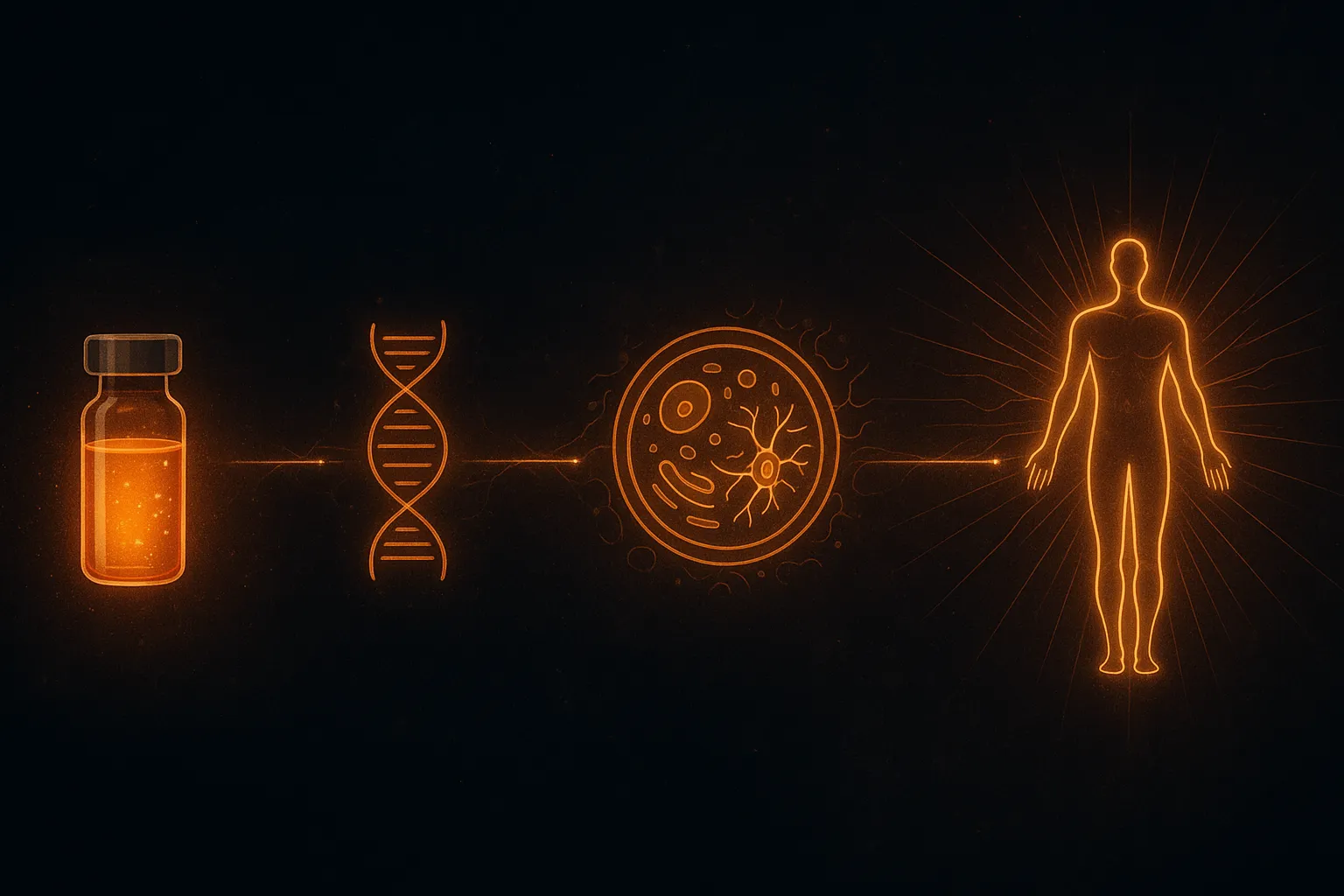
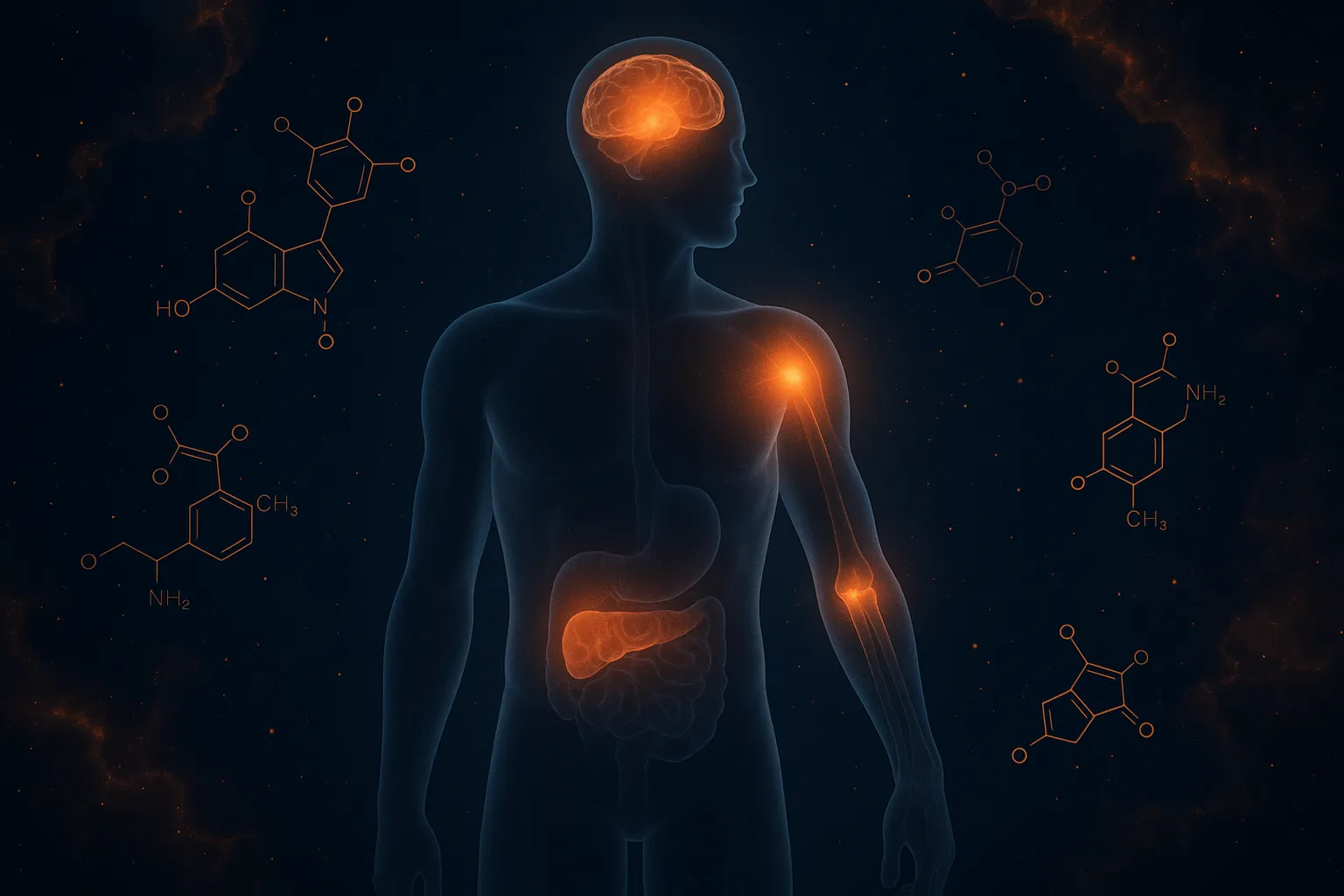
Understanding the mechanism explains why some effects are immediate and others take months:
Minutes after injection: GHRP-2 binds the ghrelin receptor (GHS-R1a) on pituitary somatotrophs, triggering a GH pulse that peaks at 15-30 minutes (Pihoker et al., 1998)
Hours later: The GH pulse stimulates hepatic IGF-1 production. IGF-1 levels begin rising within 4-6 hours and have a longer half-life than GH itself
Days to weeks: Sustained IGF-1 elevation drives downstream anabolic effects — protein synthesis, lipolysis, collagen production, and tissue repair
Weeks to months: Cumulative GH/IGF-1 exposure produces visible body composition changes, improved skin quality, and enhanced recovery capacity
The first two steps happen every single injection. The last two require consistent, repeated dosing to accumulate meaningful tissue-level effects.
Week 1: Immediate Hormonal Response
What the research shows:
GH peaks within 15-30 minutes of subcutaneous injection, with the magnitude depending on dose (100-300 mcg produces clinically significant pulses) (Pihoker et al., 1998)
Appetite stimulation occurs within 20-30 minutes, mediated through hypothalamic ghrelin receptor activation (Laferrere et al., 2005)
Transient ACTH and cortisol elevation occurs and resolves within 1-2 hours (Arvat et al., 1997)
Some users report improved sleep quality from evening dosing
Tingling or numbness in extremities (paresthesia) in some individuals
What users probably will NOT notice:
Any visible body composition changes
Significant strength or endurance improvements
Skin or hair quality changes
Realistic expectation: Week 1 confirms GHRP-2 is pharmacologically active. The hunger response is the most reliable early indicator — noticeably increased hunger 20-30 minutes after injection signals the peptide is active.
5mg · sold research-use-only · we may earn a commission
Weeks 2-4: Early Adaptation
What the research suggests:
IGF-1 levels begin rising with consistent daily dosing. In children treated with GHRP-2, growth velocity improvements were measurable within the first months of treatment (Pihoker et al., 1997)
The GH response to each injection remains robust during this period — significant desensitization has not yet occurred
What users commonly report:
Improved sleep depth and quality (especially with evening dosing)
Water retention stabilizing or beginning to resolve
Mild improvement in post-exercise recovery
Increased appetite becoming more predictable and manageable
Some users notice improved skin hydration
Slight increase in joint comfort (GH-mediated collagen synthesis beginning)
What to watch for:
If hunger is excessive, consider reducing dose or timing injections after meals
Water retention that doesn't stabilize by week 3 may indicate excessive dosing
Morning numbness/tingling is common and usually benign (GH-related carpal tunnel-like effects)
Realistic expectation: Weeks 2-4 are when subjective quality-of-life improvements begin. Sleep, recovery, and general well-being are the most commonly reported early benefits. Body composition changes are not yet visible.
Months 1-2: Visible Changes Begin
What the research suggests:
Sustained GH/IGF-1 elevation over 4-8 weeks produces measurable changes in nitrogen balance, protein synthesis rates, and lipolytic activity
In GH-deficient children, significant growth velocity increases were documented within the first 6 months of intranasal GHRP-2 treatment (Pihoker et al., 1997)
What users commonly report:
Visible reduction in subcutaneous body fat, particularly around the midsection
Improved muscle fullness and hardness (enhanced nitrogen retention)
Noticeably faster recovery between training sessions
Improved skin quality — more hydrated, fewer fine lines
Better wound healing and reduced joint stiffness
Hair and nail growth acceleration in some individuals
Realistic expectation: Months 1-2 represent the transition from subjective improvements to objectively noticeable changes. With appropriate training and diet, body composition differences should be visible. No changes by week 8 is a common cue to reassess the protocol — dose, timing, diet, and training all matter.
Months 3-6: Peak Cumulative Benefits
What the research suggests:
Long-term GHRP-2 treatment in the anorexia nervosa case produced 6.7 kg body weight increase over 12 months with resolution of hypoglycemia (Haruta et al., 2015)
In children, growth velocity improvements were maintained at 18-24 months of treatment (Pihoker et al., 1997)
What users commonly report:
Significant body composition improvements (reduced fat, improved lean mass)
Sustained recovery and performance benefits
Ongoing skin, hair, and nail quality improvements
Potential mild attenuation of GH response after 8-12 weeks of continuous use
Some users find they can reduce dose frequency while maintaining benefits
Realistic expectation: By months 3-6, the cumulative GH/IGF-1 exposure has produced its most significant effects. Many users cycle off after 8-16 weeks to maintain receptor sensitivity, then resume. The benefits accrued during the cycle do not disappear immediately upon stopping.
Bac Water Made for Peptides
Don't risk a $300 peptide on generic bac water.
Most cloudy reconstitutions trace back to one thing — and it isn't the peptide. Sterile, non-pyrogenic, 0.9% benzyl alcohol — formulated for peptide reconstitution, not repackaged from generic stock.
✓ 0.9% benzyl alcohol✓ Made for peptides✓ 30 mL multi-dose
Excessive body fat (obesity blunts GH secretion even with secretagogue use)
Sedentary lifestyle
High insulin levels (insulin suppresses GH release)
Age matters: GH-axis responsiveness declines with age. Older individuals may see a more dramatic relative improvement (because baseline GH is lower) but the absolute GH pulse amplitude will be smaller than in younger users.
When to Adjust Protocol
Signs it is working:
Hunger increase post-injection (most reliable early marker)
Improved sleep quality within 1-2 weeks
Water retention in first 1-3 weeks (indicates GH elevation)
Body composition changes by weeks 6-8
Signs to reassess:
No hunger response at all (check peptide quality, reconstitution, storage)
Persistent excessive water retention beyond week 4 (may need dose reduction)
No subjective improvements by week 4 (consider increasing dose or checking IGF-1 levels)
Numbness/tingling that interferes with daily function (reduce dose)
What GHRP-2 Will NOT Do
It will not produce instant results. The GH pulse is immediate; the physical benefits take weeks.
It will not replace training and diet. GHRP-2 amplifies the results of good habits. It does not override bad ones.
It does not work as well when food is eaten before injecting. Food blunts GH release; trial protocols use an empty stomach.
It will not produce the same results as exogenous GH. GHRP-2 amplifies endogenous production. The ceiling is the pituitary's capacity.
Frequently Asked Questions
How quickly does GHRP-2 work?
GHRP-2 triggers a measurable GH pulse within 15-30 minutes of injection. However, the downstream benefits like improved body composition, sleep quality, and recovery take weeks to months of consistent dosing to manifest.
What are the first signs GHRP-2 is working?
Increased hunger within 20-30 minutes of injection is the earliest and most reliable indicator. Improved sleep quality and mild water retention are commonly reported within the first 1-2 weeks.
How long do GHRP-2 protocols typically run?
Most protocols run 8-16 weeks. GH release remains effective with continued use, though some attenuation may occur after 4-8 weeks. Cycling (8 weeks on, 4 weeks off) is a common approach to maintain sensitivity.
Does GHRP-2 cause water retention?
Mild water retention is common in the first 1-3 weeks due to increased GH-mediated sodium retention. This typically stabilizes as the body adjusts. It is not a sign of a problem — it indicates GH elevation is occurring.
Research Supplies for GHRP-2
Hand-picked storage, injection, and recovery supplies paired with GHRP-2 protocols.
Pihoker C, et al. (1998). Pharmacokinetics and pharmacodynamics of growth hormone-releasing peptide-2: a phase I study in children. J Clin Endocrinol Metab. PMID: 9543135
Laferrere B, et al. (2005). GHRP-2, like ghrelin, increases food intake in healthy men. J Clin Endocrinol Metab. PMID: 15699539
Arvat E, et al. (1997). Effects of GHRP-2 and hexarelin on GH, prolactin, ACTH and cortisol levels in man. Eur J Endocrinol. PMID: 9285939
Pihoker C, et al. (1997). Treatment effects of intranasal GHRP-2 in children with short stature. J Clin Endocrinol Metab. PMID: 9390009
Haruta I, et al. (2015). One-year intranasal GHRP-2 in a severely emaciated anorexia nervosa patient. J Cachexia Sarcopenia Muscle. PMID: 26401470