GHRP-6 produces some of the most noticeable immediate effects of any peptide — the hunger response alone tells you it is active within minutes. But translating those acute hormonal changes into visible physical results takes time and consistency.
Research-context information only.GHRP-6 is a research peptide. Protocols, doses, and reactions reported below come from published research and self-reported community sources. This article reports what has been documented, not what should be done. Consult a licensed physician for personal medical decisions.
This timeline covers what to expect from GHRP-6 at each stage, based on pharmacokinetic data, published research, and commonly reported user experiences. Individual results vary significantly based on age, baseline hormonal status, body composition, diet, and training.
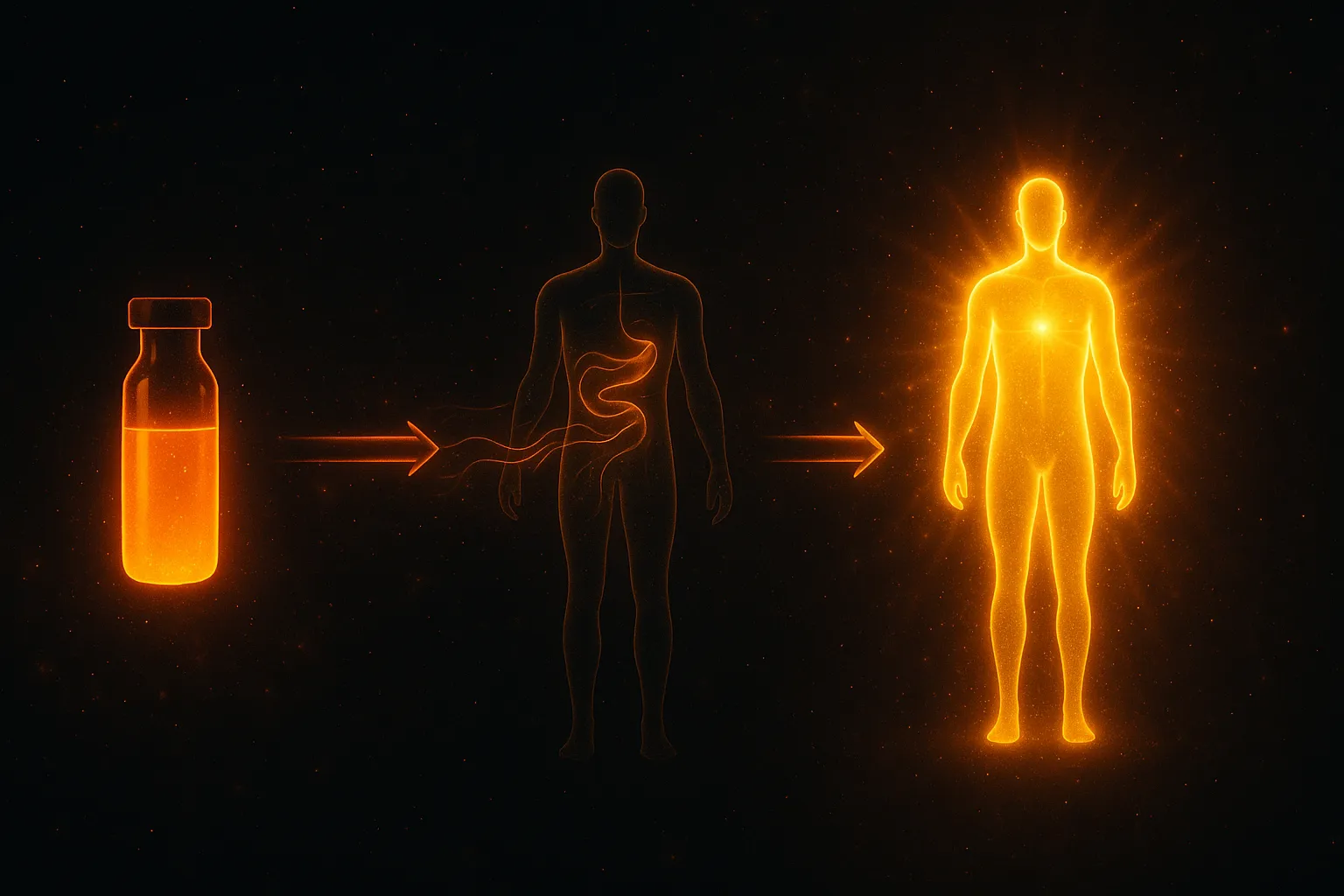
Minutes: Ghrelin receptor activation triggers appetite signaling and a rapid, dose-dependent GH pulse. In normal men given IV GHRP, serum cortisol and prolactin also rose about 2-fold at the highest tested dose (Bowers et al., 1990)
Days: GHRP-6 activates prosurvival signaling (PI3K/AKT, Bcl-2) in cardiac and other tissues — these cytoprotective effects begin accumulating (Berlanga-Acosta et al., 2017)
Weeks to months: Cumulative GH/IGF-1 elevation produces measurable body composition changes, improved recovery, and tissue repair
The hunger and GH pulse happen every injection. Everything else requires consistent dosing over time.
Week 1: Immediate Effects
What the research shows:
GH release is dose-dependent: in 18 normal men, mean peak GH rose from 7.6 to 68.7 mcg/L across IV bolus doses of 0.1 to 1.0 mcg/kg (Bowers et al., 1990)
GHRP-6 stimulates stage 2 NREM sleep when dosed in the evening (Frieboes et al., 1999)
Strong hunger surge 15-20 minutes after injection (the signature GHRP-6 effect)
Mild flushing or warmth
Slight water retention beginning by day 3-5
Improved sleep quality with evening dosing
Some users report increased GI motility and improved digestion
Occasional lightheadedness (transient, from acute GH/cortisol flux)
What you probably will NOT notice:
Any body composition changes
Strength or endurance improvements
Skin or hair changes
Realistic expectation: The hunger response is unmistakable and confirms the peptide is active. If you do not feel increased hunger within 20-30 minutes of injection, suspect degraded peptide or reconstitution issues.
GHRP-6 does not require endogenous GHRH to be eliminated for it to work, but maximal effects depend on intact hypothalamic function (Pandya et al., 1998)
Cytoprotective signaling pathways are being activated in cardiac and other tissues with repeated dosing
What users commonly report:
Hunger response becomes somewhat predictable and manageable
Water retention stabilizing
Improved sleep quality consolidating
Better post-exercise recovery
Some improvement in joint comfort
Increased appetite leading to measurable weight gain if caloric intake increases
Mild improvement in skin hydration
Managing the hunger:
Time injections 15-20 minutes before a planned meal
Avoid injecting when you do not intend to eat (the hunger can be intense)
Evening pre-bed dosing: some users find the hunger less disruptive during sleep
Realistic expectation: Weeks 2-4 establish the rhythm of the protocol. Subjective improvements in sleep and recovery are the primary early-phase benefits. The appetite effect is the defining user experience of GHRP-6.
Months 1-2: Visible Changes Begin
What the research suggests:
Sustained GH/IGF-1 elevation over 4-8 weeks drives measurable changes in protein synthesis, lipolysis, and collagen production
The pharmacokinetic profile of GHRP-6 has been characterized in healthy volunteers, confirming reliable absorption and GH stimulation over multiple weeks (Garcia-Fernandez et al., 2012)
Measurable weight gain (combination of lean mass and increased food intake)
Significantly improved recovery from training
Better skin quality and wound healing
Hair and nail growth in some individuals
Improved sleep becoming the new baseline
Potential for mild carpal tunnel-like symptoms from sustained GH elevation
Realistic expectation: This is when the investment starts paying visible dividends. Users who are training and eating with purpose will see the most significant changes. Those eating in an uncontrolled surplus may gain more fat than desired despite the GH elevation.
Appetite effect persists but becomes more manageable with routine
Some users reduce dosing frequency while maintaining results
Realistic expectation: By months 3-6, you have reached steady-state benefits. Many users cycle off (4 weeks) and then resume to maintain receptor sensitivity, though GHRP-6 appears more resistant to desensitization than hexarelin.
Bac Water Made for Peptides
Don't risk a $300 peptide on generic bac water.
Most cloudy reconstitutions trace back to one thing — and it isn't the peptide. Sterile, non-pyrogenic, 0.9% benzyl alcohol — formulated for peptide reconstitution, not repackaged from generic stock.
✓ 0.9% benzyl alcohol✓ Made for peptides✓ 30 mL multi-dose
Eating before injection (especially high-fat meals suppress GH release)
High body fat percentage (obesity blunts GH secretion)
Chronic sleep deprivation
Sedentary lifestyle
High circulating insulin (antagonizes GH release)
When to Adjust Protocol
Signs it is working:
Hunger surge within 20 minutes of injection
Improved sleep quality within 1-2 weeks
Mild water retention in first 1-3 weeks
Body composition changes by weeks 6-8
Signs to reassess:
No hunger response (check peptide quality, storage, reconstitution)
Excessive hunger that disrupts daily function (reduce dose, time with meals)
No subjective improvements by week 4 (consider dose increase or IGF-1 blood test)
Persistent joint pain or carpal tunnel symptoms (reduce dose)
What GHRP-6 Will NOT Do
It will not suppress appetite. This is the wrong peptide for weight loss via caloric restriction.
It will not replace proper nutrition. GH elevation without adequate protein is wasted potential.
It will not produce cardiac benefits overnight. Cytoprotective effects require sustained dosing over weeks to months.
It will not match exogenous GH. GHRP-6 amplifies your endogenous production — the ceiling is your pituitary capacity.
It will not work on a full stomach. Food, especially fats, blunts GH release significantly.
Frequently Asked Questions
How fast does GHRP-6 work?
GHRP-6 triggers a measurable GH pulse within 15-30 minutes and noticeable hunger within 20 minutes of injection. Body composition changes require 6-8 weeks of consistent use. The cytoprotective benefits likely require even longer sustained dosing.
What are the first signs GHRP-6 is working?
Intense hunger 15-20 minutes after injection is the most reliable early sign. This is followed by mild flushing, slight water retention by day 3-5, and improved sleep quality within the first 1-2 weeks.
How long should a GHRP-6 cycle last?
Most protocols run 8-16 weeks. GHRP-6 does not show the same degree of receptor desensitization as hexarelin, so longer cycles may be viable. Cycling 8-12 weeks on, 4 weeks off is the most common approach.
Will GHRP-6 make me gain weight?
GHRP-6 increases appetite significantly and can lead to weight gain if caloric intake exceeds expenditure. The GH elevation simultaneously promotes fat loss, so the net effect on body composition depends on diet and training. Users who eat at maintenance or surplus will gain weight — though more of it may partition toward lean mass.
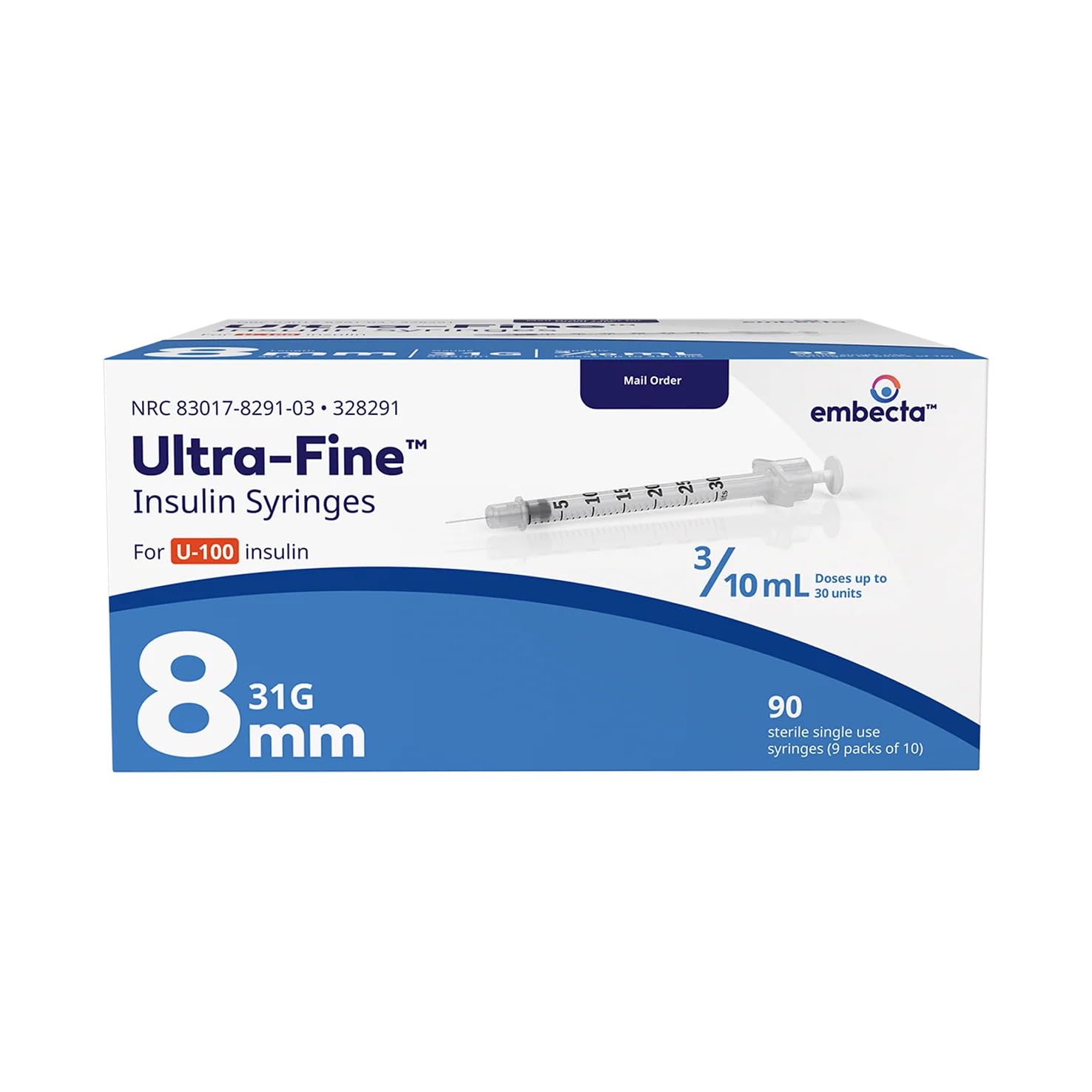
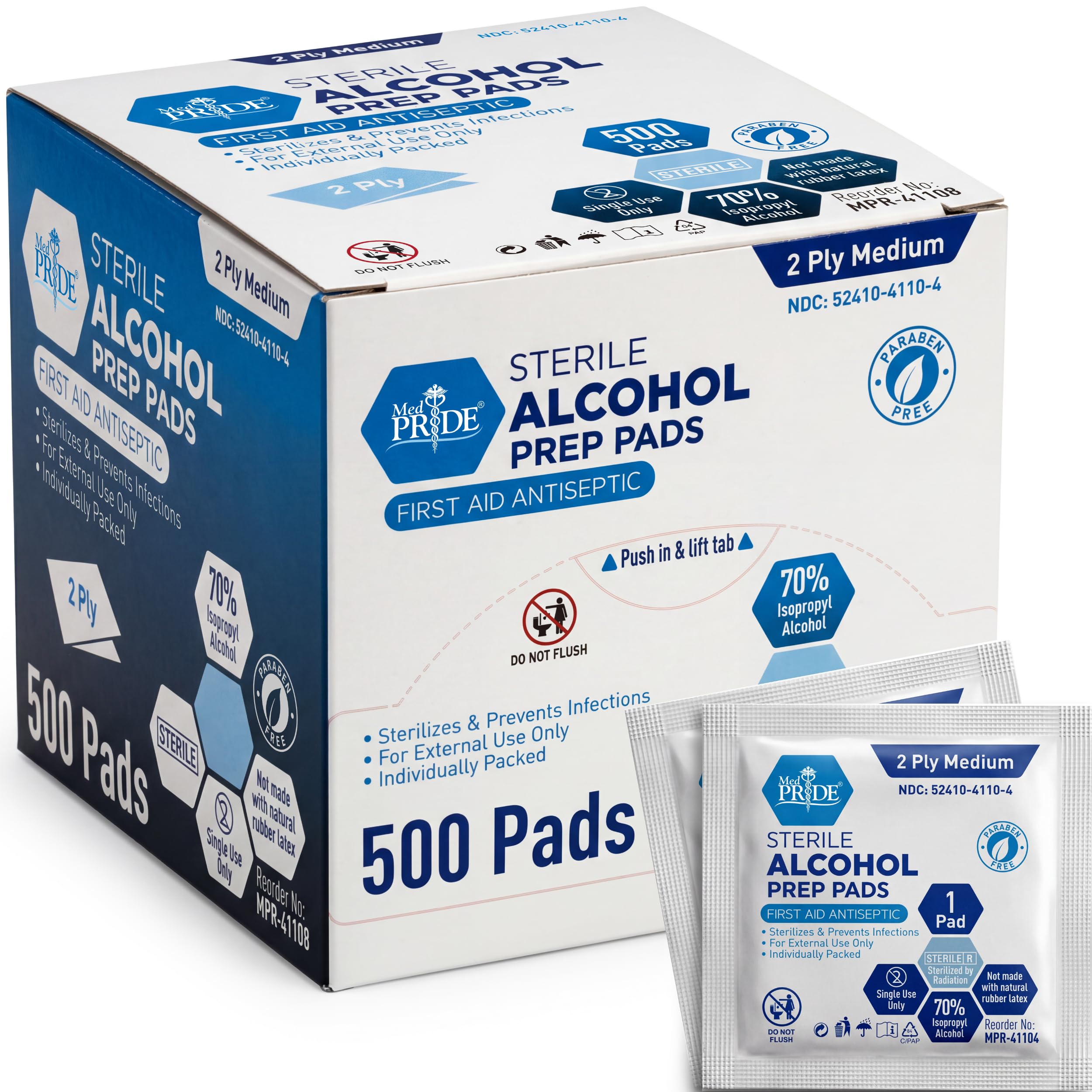
Research Supplies for GHRP-6
Hand-picked storage, injection, and recovery supplies paired with GHRP-6 protocols.
Bowers CY, et al. (1990). Growth hormone (GH)-releasing peptide stimulates GH release in normal men and acts synergistically with GH-releasing hormone. J Clin Endocrinol Metab. PMID: 2108187
Frieboes RM, et al. (1999). Effects of GHRP-6 on nocturnal GH secretion and sleep EEG. J Clin Endocrinol Metab. PMID: 10336729
Depoortere I, et al. (2005). Comparison of the gastroprokinetic effects of ghrelin, GHRP-6 and motilin in rats in vivo and in vitro. Eur J Pharmacol. PMID: 15890336
Pandya N, et al. (1998). GHRP-6 requires endogenous hypothalamic GHRH for maximal GH stimulation. J Clin Endocrinol Metab. PMID: 9543138
Berlanga-Acosta J, et al. (2017). Synthetic GHRPs: a historical appraisal of cytoprotective effects. Clin Med Insights Cardiol. PMID: 28469491
Garcia-Fernandez R, et al. (2012). Pharmacokinetic study of GHRP-6 in nine male healthy volunteers. Eur J Pharm Sci. PMID: 23099431