guidesMarch 8, 2026The Peptide Catalog

Glow Blend Dosing: 70mg 3-Peptide Protocol (2026)

3 repair peptides, one vial — but the fixed ratios matter. Reconstitution math, injection protocol, and when Glow beats Klow.

Glow Blend Dosing Guide

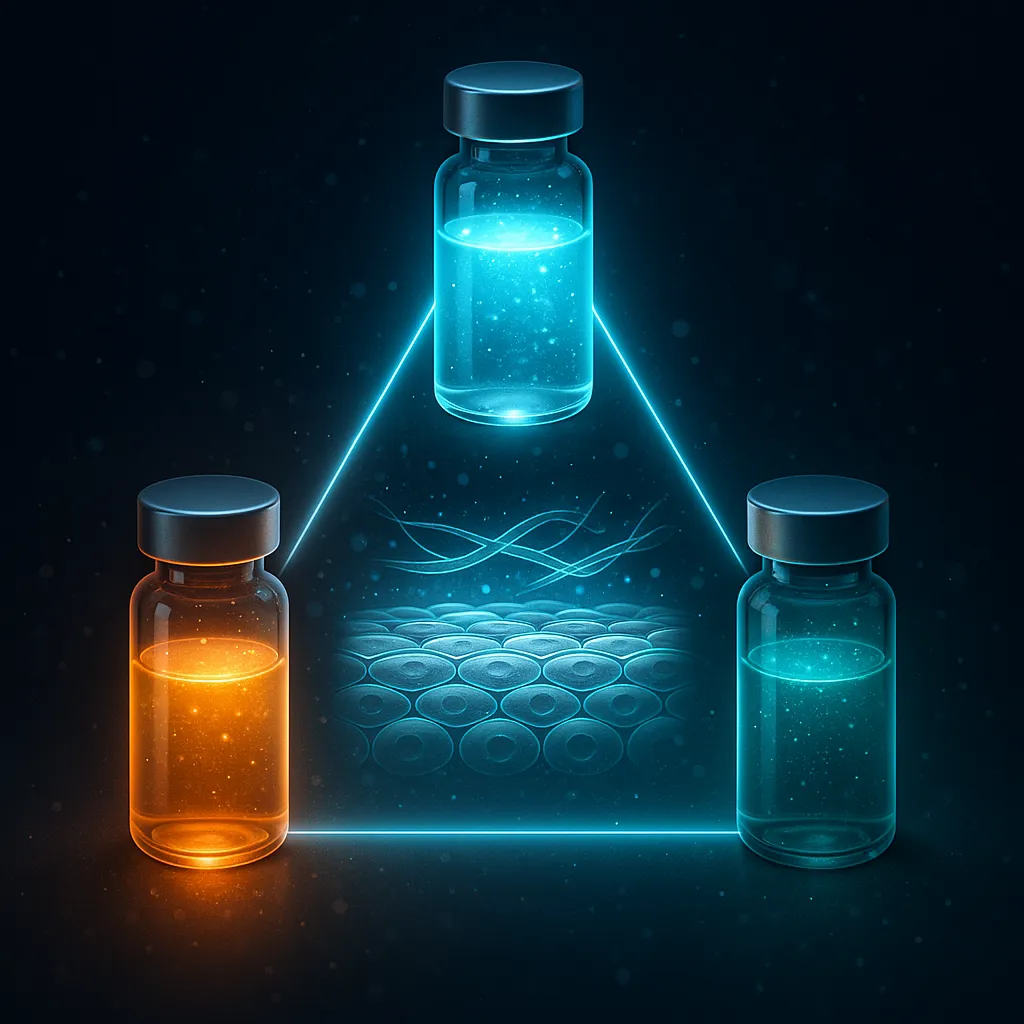
The Glow blend brings together the three most established tissue-repair peptides — BPC-157 (10mg), TB-500 (10mg), and GHK-Cu (50mg) — in a single 70mg vial. It's the streamlined version of the healing peptide stack: angiogenesis, cell migration, and collagen remodeling in one injection.

If you've seen the Klow blend, Glow is the same foundation minus KPV. That means Glow focuses purely on structural repair and regeneration without the dedicated NF-κB anti-inflammatory layer. For many musculoskeletal and anti-aging protocols, that's exactly what you need.

This guide breaks down the reconstitution, dosing math, injection schedule, and the specific synergy between these three peptides.

What's in the Glow Blend

GHK-Cu — 50mg (71.4% of the Blend)

GHK-Cu (glycyl-L-histidyl-L-lysine copper complex) is the workhorse of the Glow blend. This naturally occurring copper-binding tripeptide declines with age — from ~200 ng/mL in plasma at age 20 to ~80 ng/mL by age 60 — and its restoration is a core anti-aging strategy.

What it does in the blend:

  • Collagen and elastin production — upregulates types I, III, and V collagen plus elastin through TGF-β signaling
  • Massive gene activation — over 4,000 human genes affected, spanning tissue repair, antioxidant defense, and anti-inflammatory pathways (Pickart & Margolina, 2018)
  • Stem cell recruitment — attracts mesenchymal stem cells to repair sites
  • Scar remodeling — regulates metalloproteinases (MMPs) to break down fibrotic tissue and replace it with organized collagen
  • Nerve outgrowth — stimulates production of nerve growth factors
  • Hair follicle support — activates follicular stem cells (Park et al., 2011)

At 71.4% of the blend, GHK-Cu is the dominant component. This makes Glow particularly well-suited for anti-aging and collagen-focused protocols. Standard standalone GHK-Cu protocols use 1–2mg per injection, which aligns with the per-dose delivery from the blend.

BPC-157 — 10mg (14.3% of the Blend)

BPC-157 (Body Protection Compound-157) is the 15-amino-acid synthetic peptide derived from human gastric juice that initiates the healing cascade.

What it does in the blend:

  • Angiogenesis — VEGF-mediated new blood vessel formation, delivering oxygen and nutrients to damaged tissue
  • Growth factor activation — increases EGF, FGF, and repair-related signaling (Seiwerth et al., 2014)
  • Nitric oxide modulation — improves local blood flow through NO pathway regulation (Sikiric et al., 2014)
  • Tendon and ligament repair — FAK-paxillin pathway activation in fibroblasts, directly accelerating connective tissue healing (Chang et al., 2011)
  • Gut cytoprotection — protects and heals gastric and intestinal mucosa
  • Multi-organ protection — demonstrated protective effects on liver, brain, and muscle tissue

BPC-157 creates the conditions for repair — new blood supply, growth factors, and a protected tissue environment. Without it, the other peptides have less infrastructure to work through.

TB-500 — 10mg (14.3% of the Blend)

TB-500 is the synthetic active fragment of Thymosin Beta-4, focused on the LKKTET actin-binding sequence that drives cell migration.

What it does in the blend:

  • Cell migration — moves keratinocytes, endothelial cells, and fibroblasts to injury sites through actin polymerization (Malinda et al., 1999)
  • Anti-fibrotic effects — prevents excessive scar formation during healing
  • Cardiac tissue repair — demonstrated myocardial protection and regeneration in animal models (Bock-Marquette et al., 2004)
  • Reduced inflammation — modulates local inflammatory cytokines (Sosne et al., 2010)
  • Stem cell differentiation — promotes differentiation of progenitor cells into functional tissue

TB-500 ensures that repair cells reach the right location. BPC-157 builds the highway (blood vessels), and TB-500 drives the repair cells along it.

How the Three Peptides Work Together

The Glow blend covers three critical phases of tissue repair:

Phase Peptide What Happens
1. Vascularization BPC-157 New blood vessels form, growth factors increase, blood flow improves
2. Cell mobilization TB-500 Repair cells migrate to injury site, actin scaffolding builds
3. Tissue remodeling GHK-Cu Collagen synthesis, scar remodeling, gene activation for long-term repair

This isn't just additive — it's sequential and synergistic. BPC-157's angiogenesis creates the delivery network. TB-500 uses that network to transport repair cells. GHK-Cu then activates the genes those cells need to rebuild organized, functional tissue rather than scar tissue.

The missing phase compared to the Klow blend is dedicated inflammation control (KPV's NF-κB suppression). BPC-157 and TB-500 both have some anti-inflammatory properties, but neither directly targets the NF-κB pathway the way KPV does.

Reconstitution: 70mg Vial + 2mL BAC Water

What You Need

  • 1x Glow blend vial (70mg lyophilized powder)
  • 1x vial bacteriostatic water (BAC water)
  • 1x 3mL syringe with 18-25ga needle (for drawing BAC water)
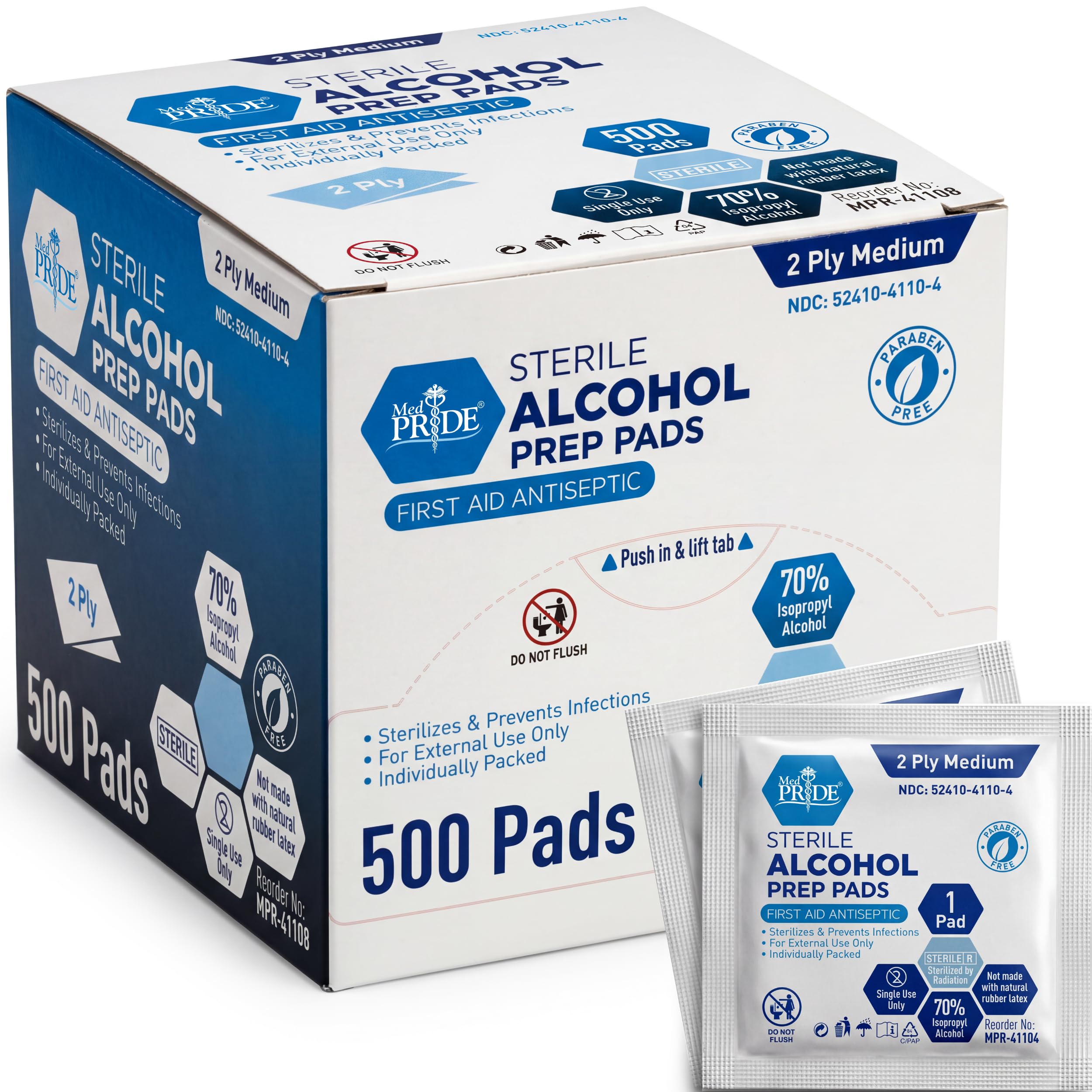
  • Alcohol swabs
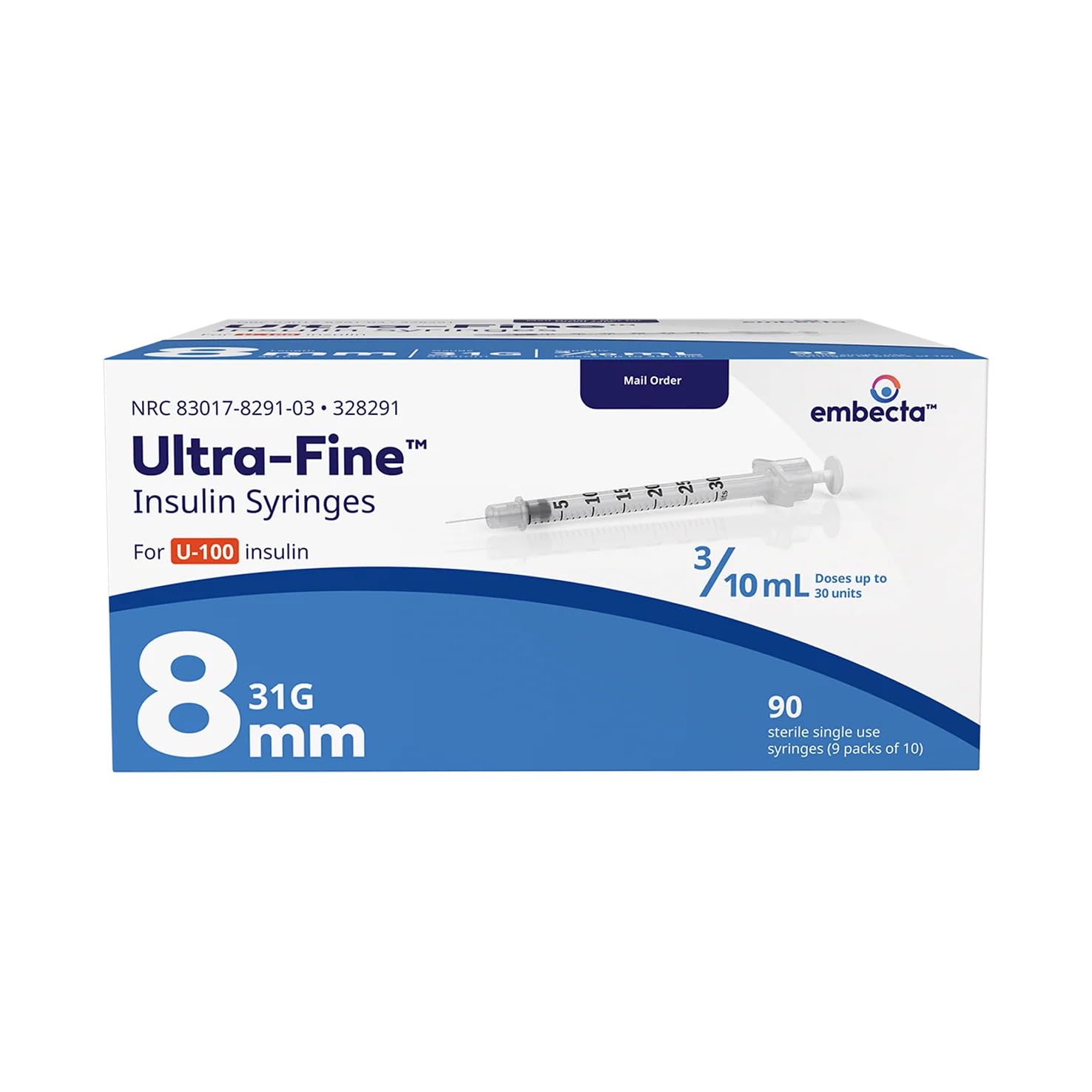
  • U-100 insulin syringes (29-31ga) for injections

Step-by-Step

  1. Clean — wipe both vial tops with alcohol swabs
  2. Draw — pull 2.0 mL of BAC water into the mixing syringe
  3. Add slowly — insert needle into Glow vial at an angle, release water slowly along the inside wall. Do NOT spray onto the powder
  4. Swirl gently — roll the vial between your palms for 30-60 seconds. Never shake
  5. Wait — if not fully dissolved, refrigerate 10-15 minutes and swirl again
  6. Store — refrigerate at 36-46°F (2-8°C), use within 28 days

Resulting Concentration

With 2 mL BAC water into a 70mg vial:

Total concentration: 35 mg/mL (3.5 mg per 10 units)

Per-peptide breakdown:

Peptide Amount in Vial Concentration Per 5 Units Per 10 Units
GHK-Cu 50 mg 25.0 mg/mL 1.25 mg 2.50 mg
BPC-157 10 mg 5.0 mg/mL 0.25 mg (250 mcg) 0.50 mg (500 mcg)
TB-500 10 mg 5.0 mg/mL 0.25 mg (250 mcg) 0.50 mg (500 mcg)

Comparison to Standard Individual Doses

Peptide Standard Solo Dose Glow @ 5 Units Glow @ 10 Units
GHK-Cu 1–2 mg/injection 1.25 mg ✓ 2.50 mg ✓
BPC-157 250–500 mcg/injection 250 mcg ✓ 500 mcg ✓
TB-500 250–750 mcg/injection (maintenance) 250 mcg ✓ 500 mcg ✓

All three peptides fall within standard dosing ranges at both 5 and 10 units. The ratios are well-calibrated for a general recovery and anti-aging protocol.

Top Glow Blend Vendors

1EZ PeptidesCOA
$88.00
2Ascension PeptidesCOA
$115.00
3BioLongevity LabsCOA
$259.97
See all vendors & full comparison →

Injection Protocol

Loading Phase (Weeks 1–4)

Frequency: 5x per week (weekdays on, weekends off) Dose: 10 units per injection (3.5mg total blend) Route: Subcutaneous (abdomen, love handles, or near target area) Timing: Morning, same time daily

Per-injection delivery during loading:

Weekly totals during loading:

  • GHK-Cu: 12.5 mg/week
  • BPC-157: 2.5 mg/week
  • TB-500: 2.5 mg/week

Maintenance Phase (Weeks 5–12)

Frequency: 3x per week (e.g., Mon/Wed/Fri) Dose: 5–10 units per injection Route: Same subcutaneous sites, continue rotating

Vial Usage Math

At 10 units/injection, 5x/week:

  • 50 units per week
  • 200 units per vial (2 mL = 200 units on U-100 syringe)
  • One vial lasts 4 weeks

At 10 units/injection, 3x/week (maintenance):

  • 30 units per week
  • One vial lasts ~6.5 weeks

For a full 12-week cycle (4 weeks loading + 8 weeks maintenance):

  • Loading: 1 vial
  • Maintenance: ~1.25 vials
  • Total: ~2–3 vials for a complete cycle

Injection Technique

  1. Site selection — rotate between 4-6 abdominal sites (2 inches from navel). For injuries, inject 1-2 inches from the target area
  2. Pinch — gather a fold of skin
  3. Insert — 45° angle, 29-31ga insulin syringe
  4. Inject — slow, steady push
  5. Hold — 5 seconds before withdrawing
  6. Rotate — different site each injection

Cycling Protocol

Standard 12-Week Cycle

Weeks Frequency Units/Injection Weekly Volume
1–4 5x/week 10 units 50 units
5–12 3x/week 5–10 units 15–30 units
13–16 OFF

Anti-Aging / Collagen Focus Cycle

For users prioritizing skin quality, hair growth, and connective tissue health over acute injury repair:

Weeks Frequency Units/Injection Notes
1–2 5x/week 10 units Loading
3–12 3x/week 5 units Lower dose, longer duration
13–16 OFF Assess skin, hair, joint improvements

The lower maintenance dose (5 units) delivers 1.25mg GHK-Cu and 250mcg each of BPC-157/TB-500 — still within effective ranges but extending the vial to ~6.5 weeks. This is more sustainable for a long-term anti-aging approach.

Injury Recovery Cycle

Weeks Frequency Units/Injection Notes
1–2 Daily (7x) 10 units Aggressive loading near injury
3–6 5x/week 10 units Standard loading
7–10 3x/week 10 units Maintenance
11–12 OFF Assess recovery

Glow vs Klow: A Direct Comparison

Feature Glow (70mg) Klow (80mg)
Peptides BPC-157 + TB-500 + GHK-Cu BPC-157 + TB-500 + GHK-Cu + KPV
Total weight 70mg 80mg
NF-κB targeting Indirect (via BPC-157/GHK-Cu) Direct (KPV)
Best for Musculoskeletal repair, anti-aging, collagen Repair + systemic inflammation, gut issues
GHK-Cu ratio 71.4% 62.5%
Price Lower (3 peptides) Higher (4 peptides)
Injection volume Same (5–10 units) Same (5–10 units)

When Glow Is the Better Choice

Pure repair protocols — if your primary goal is healing a tendon, recovering from surgery, or improving skin/collagen, all three Glow components directly serve that purpose. You're not paying for an anti-inflammatory you don't need.

Budget-conscious cycles — Glow typically costs 10-15% less than Klow. Over multiple cycles, that adds up.

Simpler is better — fewer variables means easier to assess what's working. If you start with Glow and want more inflammation control later, you can switch to Klow or add standalone KPV.

When to Upgrade to Klow

If you run Glow and notice:

  • Persistent inflammation markers (high CRP/ESR on bloodwork)
  • Gut symptoms alongside your repair goals
  • Autoimmune-related tissue damage
  • Healing progress stalls despite good protocol adherence

These suggest you'd benefit from KPV's direct NF-κB suppression — which means Klow.

Blend vs Individual Peptides

The Cost Math

For a 12-week cycle targeting all three components:

Approach What You Buy Injections/Day
Glow blend 2–3 Glow vials 1
Individual BPC-157 (5mg x3) + TB-500 (5mg x3) + GHK-Cu (50mg x1) 3

The blend is almost always cheaper and far more convenient. Three separate injections per day is a significant compliance burden.

When Individual Makes Sense

  • Targeted local injection — you want BPC-157 near your knee and GHK-Cu in your abdomen
  • Dose adjustment — you need higher BPC-157 for an acute injury but standard GHK-Cu
  • Selective cycling — you want to continue GHK-Cu year-round but cycle BPC-157/TB-500
  • You only need 1–2 of the peptides — no reason to buy a blend if you only want BPC-157

What to Expect: Timeline

Week 1: Minimal noticeable changes. Your body is beginning to build new vasculature and mobilize repair cells. Some users report improved sleep quality.

Weeks 2–3: BPC-157 and TB-500 effects emerge first. Reduced pain at injury sites, improved range of motion, faster workout recovery. Joint "looseness" and reduced morning stiffness.

Weeks 4–6: GHK-Cu's collagen remodeling becomes visible. Skin texture improvements, nail strength, potentially early hair changes. Healing tissue becomes more organized and functional.

Weeks 6–8: Cumulative peak. The combination of new blood vessels (BPC-157), migrated repair cells (TB-500), and activated tissue remodeling genes (GHK-Cu) produces the most significant improvements during this window.

Weeks 8–12: Maintenance gains. Continued improvement at a slower rate. This is where chronic injuries and long-standing tissue issues show the most progress.

Storage and Handling

Before Reconstitution

  • Store powder vials at room temperature or refrigerated
  • Stable 12+ months if sealed and dry
  • Avoid direct sunlight and heat above 77°F (25°C)

After Reconstitution

  • Refrigerate immediately at 36-46°F (2-8°C)
  • Use within 28 days
  • Never freeze reconstituted peptides
  • Discard if cloudy or particles appear
  • Clean stopper with alcohol before each draw

Side Effects and Safety

Common (Mild)

  • Injection site redness — resolves within an hour
  • Mild drowsiness — first week, especially from GHK-Cu
  • Temporary warmth at injection site

Less Common

  • Nausea — usually first 2-3 doses only
  • Headache — may relate to BPC-157's nitric oxide effects
  • Bruising — improves with injection technique

When to Stop

  • Persistent swelling or hardness at injection site
  • Signs of allergic reaction (rash, hives, breathing difficulty)
  • Any unusual symptom lasting beyond 24 hours

Safety Notes

  • All three peptides are research compounds without FDA approval
  • No human clinical trials exist for this specific combination
  • Safety data is from animal studies and community reports
  • Consult a physician before starting any peptide protocol

Frequently Asked Questions

Can I add KPV to the Glow blend?

Technically yes — you could reconstitute a separate KPV vial and draw from both. But at that point, you're better off buying the Klow blend, which has KPV pre-mixed at the correct ratio.

Is Glow good for post-surgical recovery?

Yes — the BPC-157/TB-500/GHK-Cu combination covers the key repair pathways for surgical healing. If your surgery involved significant inflammation, consider Klow instead for the added KPV anti-inflammatory support.

Can I use Glow for skin and hair only?

Glow works for this purpose, especially given GHK-Cu's dominant presence (71.4%). However, if skin/hair is your only goal, a standalone topical GHK-Cu product provides more targeted delivery. The blend excels when you want systemic repair benefits alongside the cosmetic improvements.

How does Glow compare to the Wolverine Stack?

The Wolverine Stack is BPC-157 + TB-500 without GHK-Cu. Glow adds the collagen/gene-activation layer that GHK-Cu provides. For pure acute injury repair, the Wolverine Stack may suffice. For broader recovery plus anti-aging, Glow is the upgrade.

What bloodwork should I monitor?

  • CRP (C-reactive protein) — inflammation baseline and tracking
  • CBC — general health marker
  • Copper levels — relevant due to GHK-Cu's copper content
  • Liver panel — standard safety monitoring for any peptide protocol
  • IGF-1 — if combining with growth hormone peptides

References

Citation Topic PMID
Pickart & Margolina, Int J Mol Sci (2018) GHK-Cu gene expression profiling, 4,000+ genes 29986520
Pickart, J Biomedicine & Biotechnology (2008) GHK-Cu collagen synthesis, copper pathways 19133135
Park et al., BMC Complement Altern Med (2011) GHK-Cu hair follicle stem cell activation 21251207
Sikiric et al., Curr Pharm Des (2014) BPC-157 nitric oxide system interaction 23755725
Seiwerth et al. (2014) BPC-157 EGF receptor and wound healing 23782145
Chang et al., J Appl Physiol (2011) BPC-157 FAK-paxillin tendon fibroblast activation 21030672
Sikiric et al., J Pharmacol Sci (2006) BPC-157 pharmacological overview, wound healing 9403790
Malinda et al., PNAS (1999) TB-500 LKKTET actin-binding cell migration 10469335
Bock-Marquette et al., Nature (2004) Thymosin Beta-4 cardiac protection 15565145
Sosne et al., Invest Ophthalmol Vis Sci (2010) TB-500 anti-inflammatory wound healing 20207966

For educational and research purposes only. This is not medical advice. The Glow blend contains research peptides with no FDA approval. All protocols described are for informational purposes.