The Klow blend combines four peptides — GHK-Cu (50mg), KPV (10mg), BPC-157 (10mg), and TB-500 (10mg) — into a single 80mg vial. Instead of reconstituting four separate vials and taking four injections, you get one reconstitution and one injection per session.
That convenience comes with a tradeoff: fixed ratios. You can't bump BPC-157 higher for a tendon injury or run extra KPV for a gut flare. But for most general healing and recovery protocols, the Klow ratios align well with standard dosing ranges for each component.
This guide covers the math, the reconstitution, the injection protocol, and — most importantly — what each peptide is actually doing in the blend and why they work better together than alone.
What's in the Klow Blend
GHK-Cu — 50mg (62.5% of the Blend)
GHK-Cu (glycyl-L-histidyl-L-lysine copper complex) is the dominant component by weight. This copper-binding tripeptide is naturally present in human plasma, declining from ~200 ng/mL at age 20 to ~80 ng/mL by age 60.
What it does in the blend:
- Collagen and elastin synthesis — GHK-Cu upregulates collagen types I, III, and V plus elastin production through TGF-β signaling
- Gene expression remodeling — activates over 4,000 human genes involved in tissue repair, anti-inflammation, and antioxidant defense (Pickart & Margolina, 2018)
- Stem cell recruitment — attracts mesenchymal stem cells to damaged tissue
- Anti-fibrotic action — remodels scar tissue by regulating metalloproteinases (MMPs)
- Nerve regeneration — stimulates nerve outgrowth factor production
At 50mg in an 80mg vial, GHK-Cu drives the tissue-remodeling and anti-aging backbone of the blend. Standard standalone GHK-Cu injectable protocols use 1–2mg per injection, and the blend delivers within that range per dose.
KPV — 10mg (12.5% of the Blend)
KPV (Lys-Pro-Val) is the tripeptide that separates Klow from the Glow blend. Derived from the C-terminal end of alpha-melanocyte stimulating hormone (α-MSH), KPV retains the parent molecule's anti-inflammatory potency without the tanning side effects.
What it does in the blend:
- NF-κB suppression — directly inhibits nuclear factor kappa-B activation, the master switch for inflammatory cytokine production (Brzoska et al., 2007)
- PepT1-mediated gut uptake — one of the few peptides with demonstrated oral bioactivity via intestinal peptide transporters (Dalmasso et al., 2008)
- MAPK pathway inhibition — blocks a second inflammatory signaling cascade independent of NF-κB
- Antimicrobial effects — shown to inhibit Staphylococcus aureus and Candida albicans (Catania et al., 2000)
KPV is the anti-inflammatory specialist. While BPC-157 and GHK-Cu both have some anti-inflammatory properties, KPV hits the NF-κB pathway directly — the upstream switch that controls TNF-α, IL-6, and IL-1β production. This is why Klow is favored over Glow for anyone dealing with systemic inflammation, autoimmune-related tissue damage, or gut issues.
BPC-157 — 10mg (12.5% of the Blend)
BPC-157 (Body Protection Compound-157) is a 15-amino-acid synthetic peptide derived from human gastric juice. It's the most extensively studied healing peptide, with hundreds of animal studies across virtually every tissue type.
What it does in the blend:
- Angiogenesis — promotes new blood vessel formation at injury sites via VEGF upregulation
- Growth factor modulation — increases EGF, FGF, and other repair-related growth factors (Seiwerth et al., 2014)
- Nitric oxide system — modulates the NO pathway to improve blood flow to damaged tissue (Sikiric et al., 2014)
- Tendon and ligament repair — activates FAK-paxillin pathway in fibroblasts (Chang et al., 2011)
- Gut protection — cytoprotective effects on gastric and intestinal mucosa
- Neuroprotection — modulates dopaminergic and serotonergic systems
BPC-157 is the "first responder" — it initiates the healing cascade by driving blood supply and growth factors to damaged areas. In the blend, it works synergistically with GHK-Cu's tissue remodeling and TB-500's cell migration.
TB-500 — 10mg (12.5% of the Blend)
TB-500 is a synthetic fragment of Thymosin Beta-4, a 43-amino-acid protein involved in cell migration and tissue repair. The active region is the actin-binding domain containing the LKKTET sequence.
What it does in the blend:
- Cell migration — promotes the movement of repair cells (keratinocytes, endothelial cells) to injury sites via actin polymerization (Malinda et al., 1999)
- Anti-fibrotic — reduces scar tissue formation
- Cardiac protection — demonstrated myocardial repair in animal models (Bock-Marquette et al., 2004)
- Anti-inflammatory — modulates inflammatory cytokines at the tissue level (Sosne et al., 2010)
- Hair follicle stimulation — activates follicular stem cells
TB-500 is the "traffic controller" — it directs repair cells to where they're needed. While BPC-157 creates the blood supply and growth factor environment, TB-500 ensures the repair cells actually reach the site and begin rebuilding.
The Synergy Argument: Why a Blend Works
These four peptides aren't just thrown together — they cover four distinct phases of the tissue repair cascade:
| Phase |
Peptide |
Mechanism |
| 1. Inflammation control |
KPV |
NF-κB suppression, cytokine reduction |
| 2. Blood supply |
BPC-157 |
Angiogenesis, VEGF, nitric oxide |
| 3. Cell recruitment |
TB-500 |
Actin-mediated cell migration |
| 4. Tissue remodeling |
GHK-Cu |
Collagen synthesis, gene activation, scar remodeling |
In standalone protocols, these phases are addressed sequentially by the body's own systems. With all four peptides present simultaneously, you're supporting every phase of repair at once. BPC-157 builds the blood vessels that deliver the stem cells GHK-Cu recruits. TB-500 moves those cells to where they need to go. KPV keeps the inflammatory response from becoming destructive.
This is why blends often produce faster subjective results than individual peptides — not because any single component works better, but because the entire repair pipeline is supported.
Reconstitution: 80mg Vial + 2mL BAC Water
What You Need
- 1x Klow blend vial (80mg lyophilized powder)
- 1x vial bacteriostatic water (BAC water)
- 1x 3mL syringe with 18-25ga needle (for drawing BAC water)
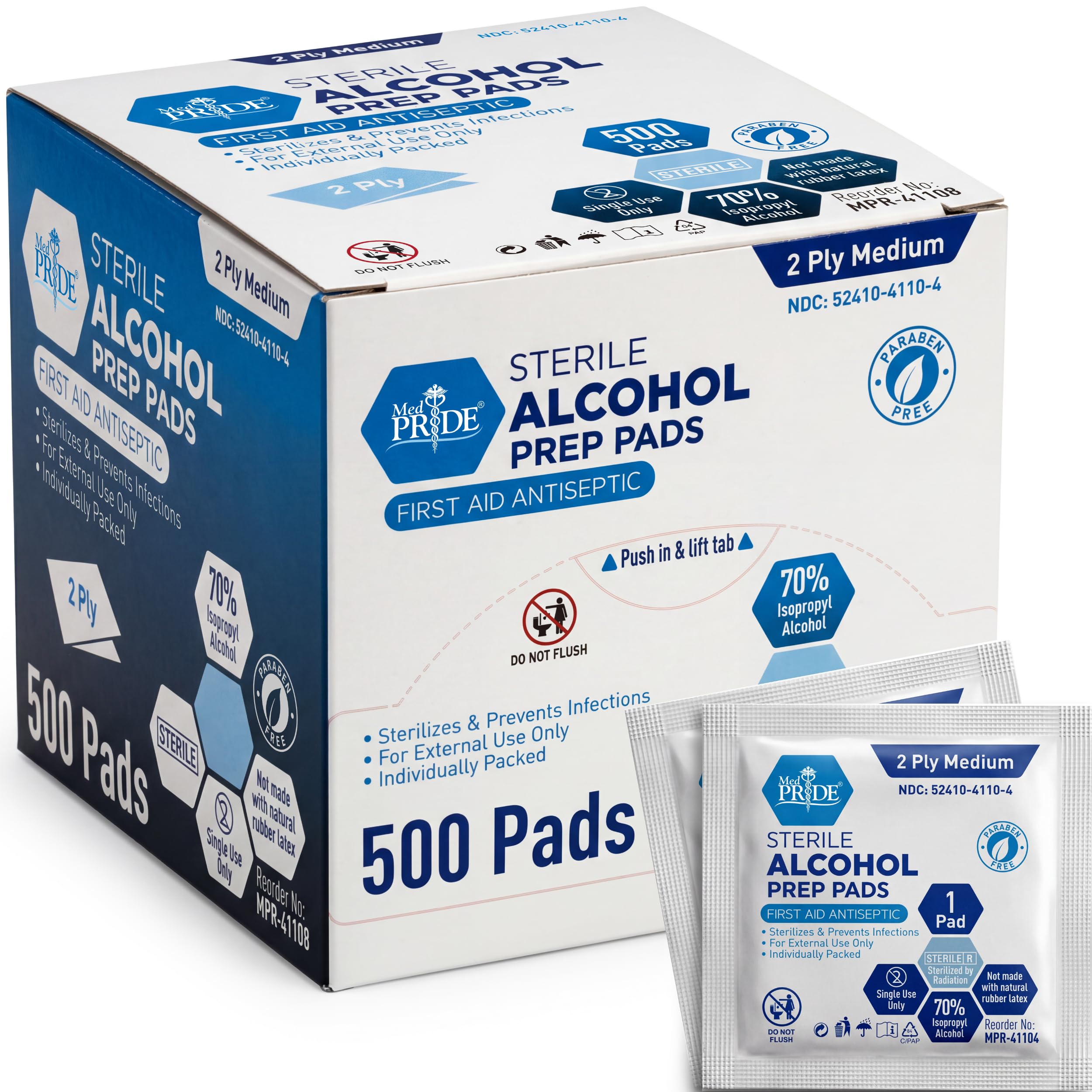
- Alcohol swabs
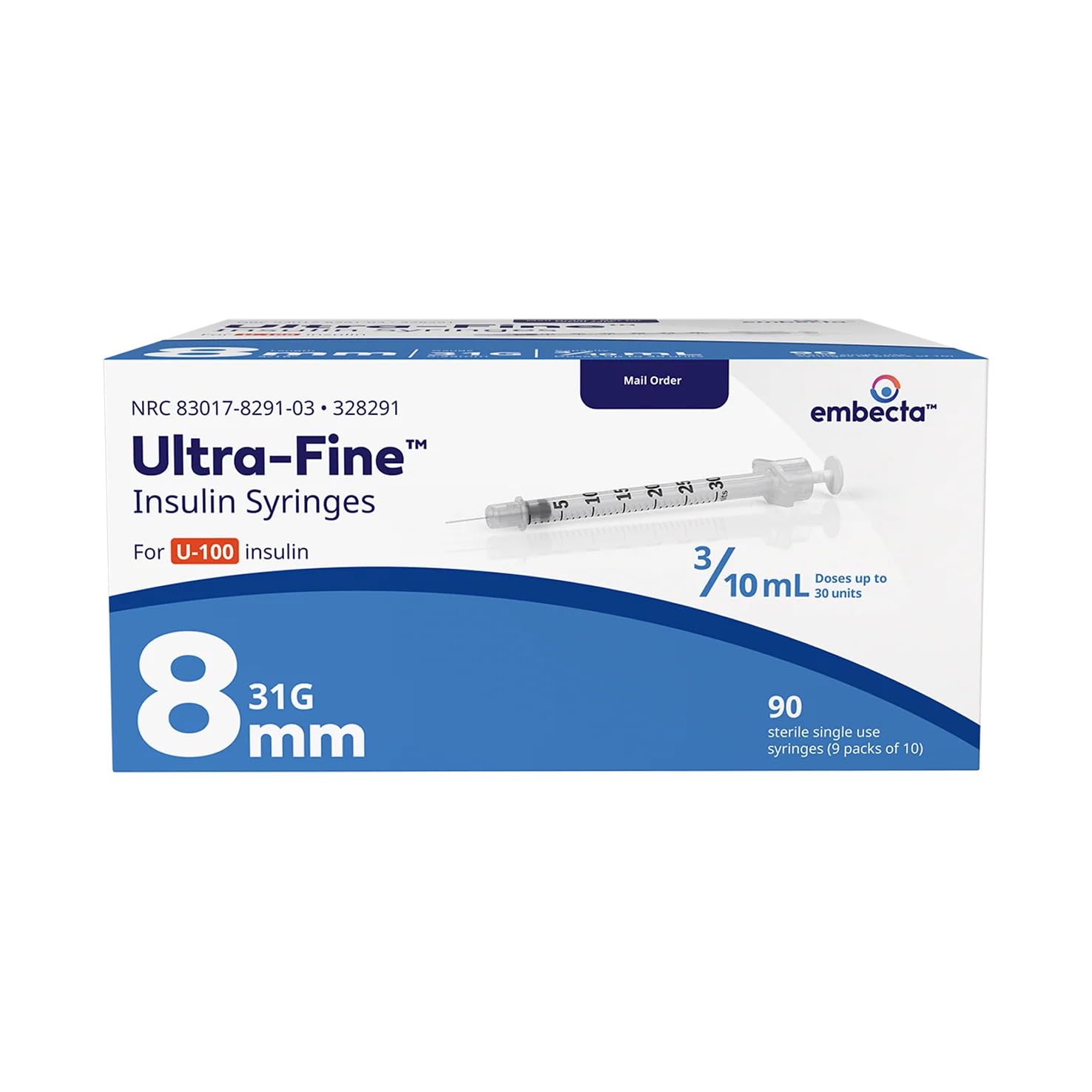
- U-100 insulin syringes (29-31ga) for injections
Step-by-Step
- Clean — wipe the tops of both vials with alcohol swabs
- Draw — pull 2.0 mL of BAC water into the 3mL syringe
- Add slowly — insert the needle into the Klow vial at an angle, release the water slowly down the inside wall. Do NOT spray directly onto the powder
- Swirl gently — roll the vial between your palms for 30-60 seconds. Never shake — shaking can denature peptides
- Wait — if not fully dissolved, let it sit in the refrigerator for 10-15 minutes, then swirl again
- Store — refrigerate at 36-46°F (2-8°C). Use within 28 days
Resulting Concentration
With 2 mL of BAC water into an 80mg vial:
Total concentration: 40 mg/mL (4 mg per 10 units)
Per-peptide breakdown at this concentration:
| Peptide |
Amount in Vial |
Concentration |
Per 5 Units |
Per 10 Units |
| GHK-Cu |
50 mg |
25.0 mg/mL |
1.25 mg |
2.50 mg |
| KPV |
10 mg |
5.0 mg/mL |
0.25 mg (250 mcg) |
0.50 mg (500 mcg) |
| BPC-157 |
10 mg |
5.0 mg/mL |
0.25 mg (250 mcg) |
0.50 mg (500 mcg) |
| TB-500 |
10 mg |
5.0 mg/mL |
0.25 mg (250 mcg) |
0.50 mg (500 mcg) |
How This Compares to Standard Individual Doses
| Peptide |
Standard Solo Dose |
Klow @ 5 Units |
Klow @ 10 Units |
| GHK-Cu |
1–2 mg/injection |
1.25 mg ✓ |
2.50 mg ✓ |
| KPV |
200–500 mcg/injection |
250 mcg ✓ |
500 mcg ✓ |
| BPC-157 |
250–500 mcg/injection |
250 mcg ✓ |
500 mcg ✓ |
| TB-500 |
250–750 mcg/injection (maintenance) |
250 mcg ✓ |
500 mcg ✓ |
At both 5 and 10 units, every peptide falls within its standard dosing range. This is one of the advantages of the Klow formulation — the ratios are well-matched to established protocols.
Injection Protocol
Loading Phase (Weeks 1–4)
Frequency: 5x per week (weekdays on, weekends off)
Dose: 10 units per injection (4mg total blend)
Route: Subcutaneous (abdomen, love handles, or near injury site)
Timing: Morning, consistent time daily
Per-injection delivery during loading:
Weekly totals during loading:
- GHK-Cu: 12.5 mg/week
- KPV: 2.5 mg/week
- BPC-157: 2.5 mg/week
- TB-500: 2.5 mg/week
Maintenance Phase (Weeks 5–12)
Frequency: 3x per week (e.g., Mon/Wed/Fri)
Dose: 5–10 units per injection
Route: Same subcutaneous sites
Vial Usage Math
At 10 units/injection, 5x/week:
- 50 units per week
- 200 units per vial (2 mL = 200 units on U-100 syringe)
- One vial lasts 4 weeks
At 10 units/injection, 3x/week (maintenance):
- 30 units per week
- One vial lasts ~6.5 weeks
For a full 12-week cycle (4 weeks loading + 8 weeks maintenance):
- Loading: 1 vial
- Maintenance: ~1.25 vials
- Total: ~2–3 vials for a complete cycle
Injection Technique
- Site selection — rotate between 4-6 abdominal sites (2 inches from navel). For localized injuries, inject 1-2 inches from the injury site
- Pinch — pinch a fold of skin at the injection site
- Insert — 45° angle with a 29-31ga insulin syringe
- Inject — push plunger slowly and steadily
- Hold — keep the needle in for 5 seconds before withdrawing
- Rotate — use a different site each injection
Cycling Protocol
Standard 12-Week Cycle
| Weeks |
Frequency |
Units/Injection |
Weekly Volume |
| 1–4 |
5x/week |
10 units |
50 units |
| 5–12 |
3x/week |
5–10 units |
15–30 units |
| 13–16 |
OFF |
— |
— |
Extended Recovery Cycle (Injury Focus)
For significant injuries — post-surgical, chronic tendon issues, major soft tissue damage:
| Weeks |
Frequency |
Units/Injection |
Notes |
| 1–2 |
Daily (7x) |
10 units |
Aggressive loading |
| 3–6 |
5x/week |
10 units |
Standard loading |
| 7–12 |
3x/week |
10 units |
Maintenance |
| 13–16 |
OFF |
— |
Assess and decide on repeat |
What to Watch During Your Cycle
Weeks 1–2: Most users feel minimal change. Some report improved sleep or mild energy changes, likely from GHK-Cu's systemic effects.
Weeks 2–4: This is where BPC-157 and TB-500 typically show first results — reduced pain at injury sites, improved range of motion, faster recovery between workouts.
Weeks 4–8: GHK-Cu's collagen remodeling effects become more apparent — skin quality, joint comfort, and visible improvement in healing tissue. KPV's anti-inflammatory effects reduce background inflammation markers.
Weeks 8–12: Full cumulative effect. This is when users report the most significant changes in chronic issues.
Glow vs Klow: When to Choose Which
The Glow blend contains the same three tissue-repair peptides (BPC-157, TB-500, GHK-Cu) but drops KPV. Here's when each makes more sense:
Choose Klow When:
- You have systemic inflammation — KPV's NF-κB suppression addresses whole-body inflammatory load
- Gut issues are part of your picture — KPV has demonstrated gut-specific anti-inflammatory effects via PepT1 transport
- You're dealing with autoimmune-related tissue damage — inflammation control + repair
- You want the most comprehensive single-injection protocol covering all four repair phases
- Post-surgical recovery where inflammation management is critical
Choose Glow When:
- Your primary goal is musculoskeletal repair without significant inflammatory component
- You want a simpler, lower-cost blend (3 peptides vs 4)
- You're already managing inflammation through other means (diet, other supplements)
- Skin/hair/collagen is the main target — Glow's higher GHK-Cu ratio (71% vs 62.5%) may be slightly advantageous
- You don't need KPV's specific mechanism of action
Cost Comparison
A rough comparison for a 12-week cycle:
| Option |
Vials Needed |
Approximate Range |
| Klow blend (80mg) |
2–3 vials |
Depends on vendor |
| Glow blend (70mg) |
2–3 vials |
Typically 10-15% less than Klow |
| All 4 individual peptides |
4+ vials each |
More expensive but fully customizable |
The blend approach typically costs 30-50% less than purchasing all components separately, with the tradeoff being fixed ratios.
Blend vs Individual Peptides: The Full Breakdown
Advantages of the Klow Blend
- One injection instead of four — compliance matters, and people are far more likely to stick with a protocol that requires one daily injection versus four
- Pre-mixed ratios — no math errors, no cross-contamination risk from drawing from multiple vials
- Cost efficiency — blends are priced below the sum of their parts
- Simplified storage — one vial in the fridge instead of four
- Consistent batch — all components from the same manufacturing run
Advantages of Individual Peptides
- Dose flexibility — want 500mcg BPC-157 but only 250mcg TB-500? Can't do that with a blend
- Drop or add components — mid-cycle adjustments are possible
- Different injection sites — you might want BPC-157 near a knee injury but GHK-Cu subcutaneously in the abdomen
- Separate cycling — some peptides benefit from different cycle lengths
- Stacking with non-blend peptides — easier to manage total volume
The Honest Answer
For most people running a general healing/recovery/anti-aging protocol, the blend is the better choice. The convenience and cost savings outweigh the loss of granular control. If you have a specific injury that needs targeted local injection of BPC-157 or TB-500, consider buying those individually while using the blend for systemic support.
Storage and Handling
Before Reconstitution
- Store lyophilized (powder) vials at room temperature or refrigerated
- Stable for 12+ months if kept dry and sealed
- Avoid direct sunlight and temperatures above 77°F (25°C)
After Reconstitution
- Refrigerate immediately — 36-46°F (2-8°C)
- Use within 28 days
- Never freeze reconstituted peptides
- If the solution becomes cloudy or shows particles, discard the vial
- Keep the rubber stopper clean — wipe with alcohol before each draw
Travel Considerations
- Reconstituted vials need cold storage — use an insulated bag with ice packs
- For air travel, keep in carry-on (not checked) with a cooler pouch
- Lyophilized (unreconstituted) vials are much easier to travel with
Side Effects and Safety
Expected (Normal)
- Injection site redness — mild, resolves in 30-60 minutes
- Slight drowsiness — some users report this in the first week, especially with GHK-Cu
- Mild warmth or flushing — KPV can cause transient warmth (α-MSH fragment effect)
Less Common
- Nausea — typically first 2-3 injections only, dose-dependent
- Headache — occasional, may relate to nitric oxide modulation from BPC-157
- Injection site bruising — technique-dependent, improves with practice
When to Stop
- Persistent redness, swelling, or hardness at injection site (possible infection)
- Allergic reaction signs (rash, hives, difficulty breathing)
- Any unusual symptom that doesn't resolve within 24 hours
Important Notes
- All four peptides in the Klow blend are research compounds without FDA approval
- No human clinical trials exist for this specific combination
- Individual component safety profiles are based on animal studies and community reports
- Consult a physician before starting any peptide protocol
Frequently Asked Questions
Can I combine Klow with other peptides?
Yes, but be mindful of overlap. Klow already contains the most common healing stack (BPC-157 + TB-500). Adding more BPC-157 or TB-500 on top would be redundant. Common additions include growth hormone secretagogues (Ipamorelin, CJC-1295) for enhanced recovery, or MOTS-c for mitochondrial support.
Is Klow safe for women?
All four components in the Klow blend have been studied in both male and female animal models without sex-specific adverse effects. There are no androgenic or hormonal components. That said, pregnant or breastfeeding women should avoid all research peptides.
Can I use Klow topically?
The blend is designed for subcutaneous injection. GHK-Cu has significant topical evidence for skin applications, but BPC-157, TB-500, and KPV are primarily studied as injectables. If skin/hair is your only goal, a standalone topical GHK-Cu product may be more appropriate.
How do I know if Klow is working?
Track these markers:
- Pain levels (1-10 scale daily) — expect improvement by weeks 2-4
- Range of motion — measure before starting and biweekly
- Sleep quality — GHK-Cu often improves sleep by weeks 2-3
- Skin quality — visible collagen improvements by weeks 4-8
- Bloodwork — CRP and ESR for inflammation (especially relevant with KPV)
What if I miss a dose?
Skip it and continue with the next scheduled injection. Don't double up. One missed dose has negligible impact on a multi-week protocol.
References
| Citation |
Topic |
PMID |
| Pickart & Margolina, Int J Mol Sci (2018) |
GHK-Cu gene expression, 4,000+ genes affected |
29986520 |
| Pickart, J Biomedicine & Biotechnology (2008) |
GHK-Cu collagen synthesis, copper-dependent pathways |
19133135 |
| Dalmasso et al., Gastroenterology (2008) |
PepT1-mediated KPV uptake, NF-κB inhibition, colitis reduction |
18061177 |
| Brzoska et al., Ann NY Acad Sci (2007) |
α-MSH peptides as anti-inflammatory drugs, NF-κB mechanism |
17934097 |
| Catania et al., FASEB J (2000) |
KPV antimicrobial effects against S. aureus and C. albicans |
10670585 |
| Sikiric et al., Curr Pharm Des (2014) |
BPC-157 nitric oxide system interaction |
23755725 |
| Seiwerth et al. (2014) |
BPC-157 EGF receptor and wound healing |
23782145 |
| Chang et al., J Appl Physiol (2011) |
BPC-157 FAK-paxillin tendon fibroblast activation |
21030672 |
| Malinda et al., PNAS (1999) |
TB-500 LKKTET actin-binding mechanism |
10469335 |
| Bock-Marquette et al., Nature (2004) |
Thymosin Beta-4 cardiac protection |
15565145 |
| Sosne et al., Invest Ophthalmol Vis Sci (2010) |
TB-500 anti-inflammatory and wound healing |
20207966 |
For educational and research purposes only. This is not medical advice. The Klow blend contains research peptides with no FDA approval. All protocols described are for informational purposes.