The Glow blend combines three dermal/healing peptides — GHK-Cu, BPC-157, and TB-500 — into a single reconstituted vial. As with other community-assembled blends, there is no published clinical trial of the combined product. Each component has its own evidence base; the combined adverse-event picture is informed by component research plus self-reported community sources for the blend.
Research-context information only. The Glow blend and its component peptides are research peptides. Protocols, doses, and reactions reported below come from published research on the individual components and self-reported community sources for the blend itself. This article reports what has been documented, not what should be done. Consult a licensed physician for personal medical decisions.
This article separates component-level evidence (well-documented) from blend-level community self-reports (the source of practical day-to-day adverse-event data), and walks through the dose-pause patterns described in community sources.
None of these references evaluates the three-peptide blend. The combined dose, the shared diluent, and the per-injection presentation are community-defined, not trial-defined.
Self-Reported Community Adverse Events for the Glow Blend
Note on labeling: the events below come from r/peptides, r/PeptideTherapy, and peptide forums for the combined Glow blend. They are not from trials of the combined product.
Facial flushing within 10-30 minutes post-injection
The most consistent community feedback, attributed by users to the GHK-Cu component. The pattern aligns with what GHK-Cu monoblend community data describes. Self-reported community timelines describe the flush resolving without intervention within 30 minutes.
Metallic taste in the first hour
Community sources commonly describe a brief metallic taste in the 30-60 minutes after injection, also attributed to the GHK-Cu component. The pattern fades by 1-2 hours.
Injection-site reactions
Community reports cluster around mild redness or itching at the subcutaneous injection site, typically lasting under 24 hours. Self-reported community sources describe rotating sites and warming the vial to room temperature as factors that reduce reaction frequency.
First-week fatigue
The most consistent community feedback for the first week is a 1-3 day fatigue or "muted" window. Community sources commonly attribute this to systemic anti-inflammatory effects rather than to a single component. The pattern resolves in nearly all reports by week 2.
Mild GI changes
Community sources describe occasional loose stool or transient appetite shifts in the first 1-2 weeks, commonly attributed to the BPC-157 component.
Less Commonly Reported Events
These appear sparsely in community data.
Localized site discoloration at repeated injection sites — attributed by community sources to the copper component (GHK-Cu).
Brief lightheadedness post-injection — sparse, attributed by community sources to vasodilatory effects from GHK-Cu.
Sleep changes — mixed reports; some users describe deeper sleep in the first week, others describe early-morning waking.
Dose-Response Patterns Documented by Community Sources
Community-reported Glow doses cluster around 250-500 mcg per component per injection, daily for 4-6 weeks. Self-reported community sources describe:
Flushing intensity scaling with the per-injection GHK-Cu fraction.
Metallic taste duration also tied to GHK-Cu fraction.
Site reactions independent of dose magnitude.
First-week fatigue independent of dose magnitude.
No published research validates these relationships. Component dose-response curves apply only to the doses studied for that single component.
Bac Water Made for Peptides50% off
Don't risk a $300 peptide on generic bac water.
Most cloudy reconstitutions trace back to one thing — and it isn't the peptide. Sterile, non-pyrogenic, 0.9% benzyl alcohol — formulated for peptide reconstitution, not repackaged from generic stock.
✓ 0.9% benzyl alcohol✓ Made for peptides✓ 30 mL multi-dose
Community reports describe two patterns. Pause-and-resume — short 3-5 day breaks when site reactions persist or flushing becomes intrusive. Single-component substitution — community sources describe transitioning from Glow to single-component GHK-Cu (or to a different blend without GHK-Cu) when copper-attributable effects are the issue.
Core Supplies for This Protocol
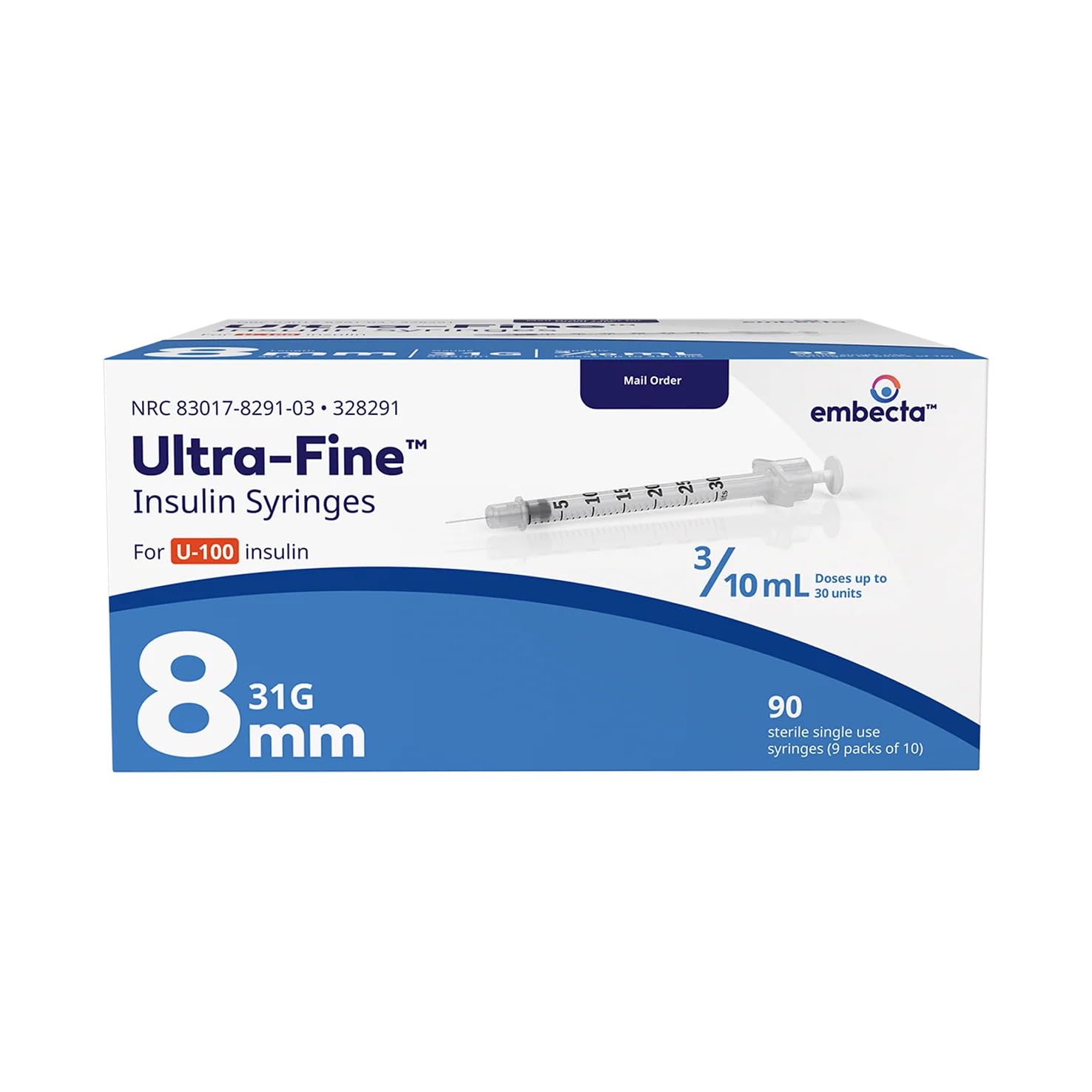
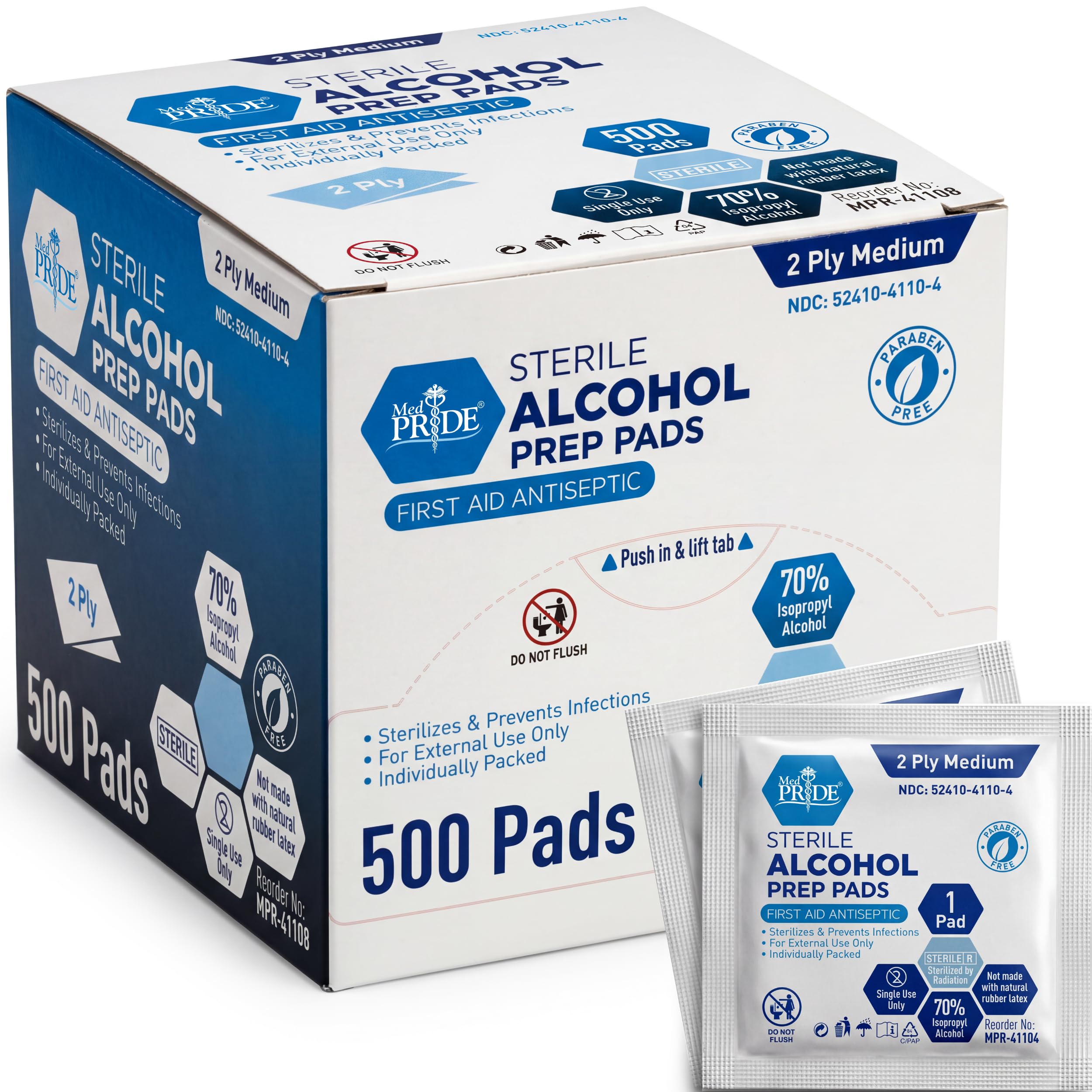
The essentials for running any reconstituted injectable: cold storage, accurate syringes, alcohol prep pads, and metabolic tracking.
What side effects do users self-report with the Glow blend?
Self-reported community data clusters around brief post-injection facial flushing (attributed to GHK-Cu), mild metallic taste in the first hour, and mild injection-site reactions. Brief first-week fatigue is also commonly reported.
Has Glow been tested in human trials?
No published trial evaluates the multi-peptide Glow blend as a unit. Each component has its own evidence base — GHK-Cu (Pickart & Margolina, PMID 29986520), BPC-157 (Sikiric, PMID 21548867), TB-4 (Goldstein, PMID 22074294).
Why does the Glow blend cause flushing?
Community reports attribute the flushing primarily to the GHK-Cu copper component. The pattern aligns with what GHK-Cu monoblend community data describes — vasodilatory effect within 10-20 minutes of injection, fading within 30 minutes.
Can the Glow blend darken skin or moles?
Published research does not describe pigment changes from GHK-Cu, BPC-157, or TB-4 at typical doses. Mole-darkening is a documented effect of the melanocortin peptides ([melanotan-1](/articles/melanotan-1-side-effects), [melanotan-2](/articles/melanotan-2-side-effects)), which are not in the Glow blend.
When do community sources describe stopping Glow?
Community reports describe pausing when injection-site reactions persist beyond two weeks despite site rotation, when flushing or metallic taste becomes intrusive, or when component-attributable GI changes appear from the BPC-157 component.
For educational and research purposes only. This is not medical advice. The Glow blend and its components are not FDA-approved for any indication. Consult a healthcare provider before use.