L-Carnitine is one of the better-tolerated compounds covered on this site — it is a molecule the body makes on its own from lysine and methionine, and across the human trials it produced mostly mild, reversible effects. The side effects that do exist are narrow and well-characterized: gastrointestinal upset at higher oral doses, a distinctive fishy body odor from a carnitine metabolite, and one genuinely debated caveat — an indirect cardiovascular signal involving the gut-derived metabolite TMAO. None of these is a reason to treat L-carnitine as dangerous, but each is worth understanding before buying.
This article keeps the evidence separated by weight and situation. First, the common dose-related effects most users encounter. Then the fishy-odor mechanism, which sounds alarming but is benign. Then the TMAO cardiovascular question, which is the one substantive open debate. Finally, how the route of administration and the different forms change the picture.
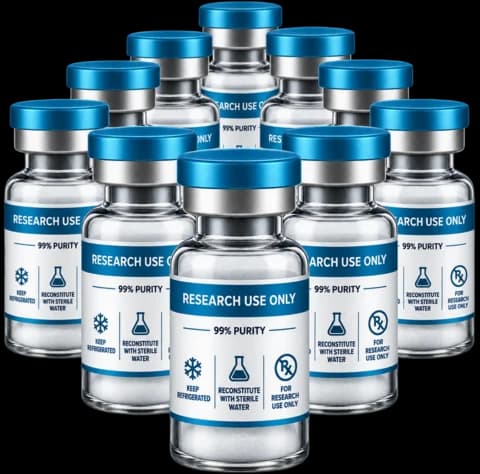
Research-context information only. L-carnitine is an amino-acid-derived compound the body synthesizes and obtains from food; it is also sold as a dietary supplement and as research-grade injectable solution labeled for research use. The reactions and observations reported below come from published clinical trials, case reports, and pharmacology references. This article reports what has been documented, not what should be done. Consult a licensed physician for personal medical decisions.
The order below moves from the most common and benign effects to the most situation-specific: gastrointestinal tolerability first, then the odor effect, then the debated TMAO cardiovascular signal, and finally route- and form-specific considerations.
The effects most users encounter are gastrointestinal and tied to oral dosing. Nausea, stomach cramps, heartburn, and loose stools have been reported at the higher end of the 500-2000 mg/day range used in trials. These are the same dose-dependent GI effects seen across many oral supplements taken at gram scale, and they reverse when the dose is reduced. Because oral L-carnitine is only about 15% absorbed, the unabsorbed remainder passes into the lower gut, which is part of why higher oral doses drive more GI complaints.
Across the controlled trials — Volek's recovery work (PMID 11788381), the 2021 recovery trial (PMID 34684429), the centenarian fatigue trial (PMID 18065594), and the trials pooled in the 2016 weight meta-analysis (PMID 27335245) — L-carnitine was generally well tolerated, with adverse events that were mild and did not drive meaningful discontinuation. Community reports cluster around the same picture: most people tolerate moderate doses without issue, and GI complaints track with higher amounts.
Ready to buy? The single research-grade, COA-checked L-Carnitine source we track:
The Fishy-Odor Effect
The most distinctive L-carnitine side effect is a fishy body or breath odor, and the mechanism is well understood. Gut bacteria metabolize carnitine into trimethylamine (TMA), a compound with a characteristically fishy smell. At higher doses, more TMA is produced than the body's enzymes can fully oxidize, and the excess is cleared through breath, sweat, and urine — producing the odor some users report.
This is a benign cosmetic effect, not a sign of toxicity or organ injury. It is dose-related: it appears more at the higher end of oral dosing and fades as intake drops. People with the inherited condition trimethylaminuria, who cannot efficiently oxidize TMA, are more prone to it. For most users it is a tolerability nuisance rather than a safety concern, and it resolves on lowering or stopping the dose.
The TMAO Cardiovascular Question
The one substantive open debate concerns the same metabolic pathway. Koeth's 2013 study (PMID 23563705) showed that gut bacteria convert dietary carnitine into trimethylamine, which the liver then oxidizes into TMAO (trimethylamine-N-oxide). In that work, TMAO accelerated atherosclerosis in mice, and in human subjects undergoing cardiac evaluation, plasma carnitine predicted cardiovascular risk — but notably only among those with concurrently high TMAO levels. Observational studies have since associated elevated TMAO with atherosclerosis and adverse cardiac events.
The honest framing is that this is associative and contested, not settled harm. The Koeth findings established a biologically plausible mechanism and a population association, but the human cardiovascular evidence on supplemental L-carnitine is mixed — some carnitine trials report neutral or even favorable cardiovascular markers, particularly in cardiac and metabolic patient populations. The debate centers on whether the TMAO produced from supplemental carnitine meaningfully raises cardiovascular risk in practice, and the literature has not resolved it. It is reported here neutrally as a genuine caveat. Anyone with existing cardiovascular or kidney disease weighing supplemental carnitine has a real reason to involve a physician, since both conditions intersect with TMAO handling.
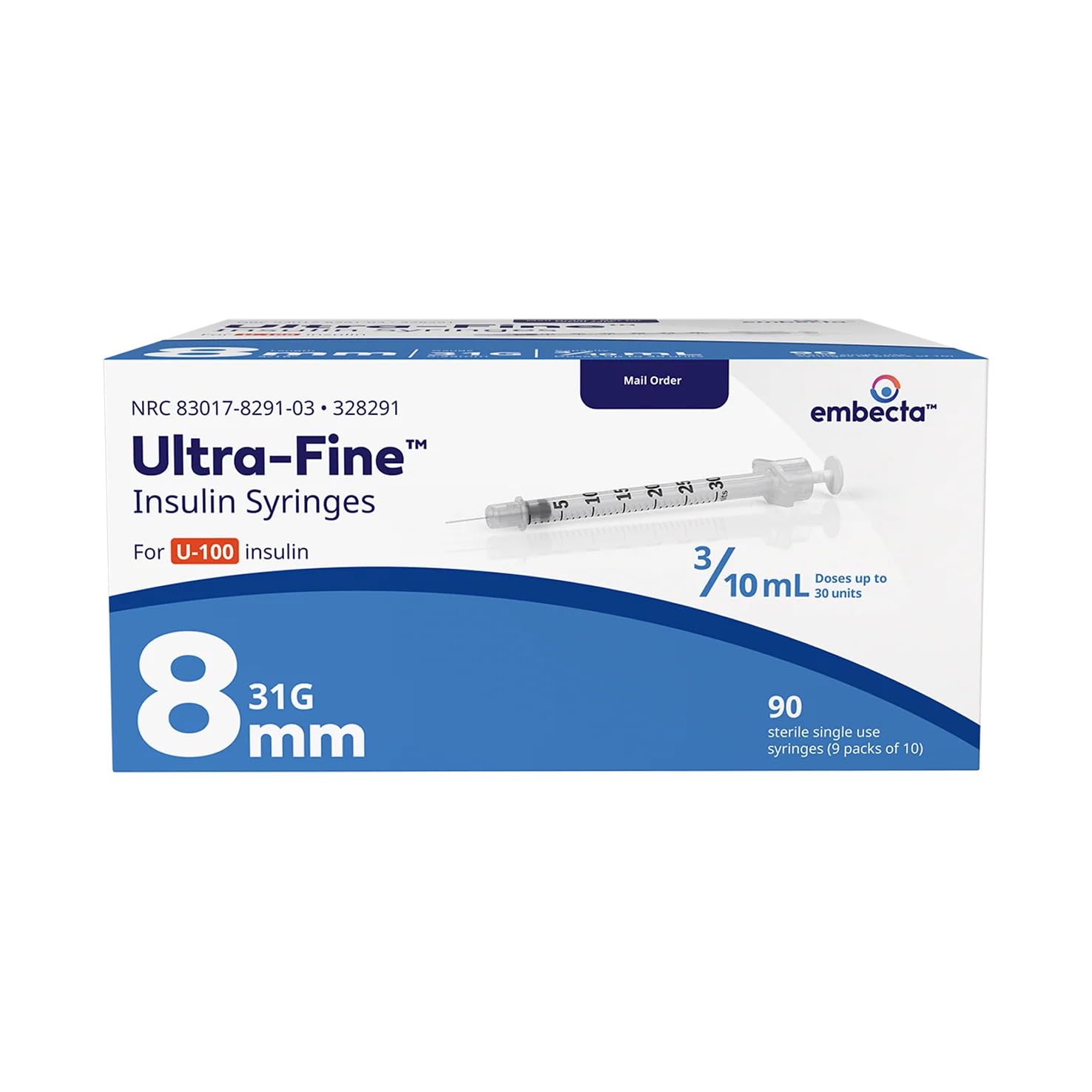
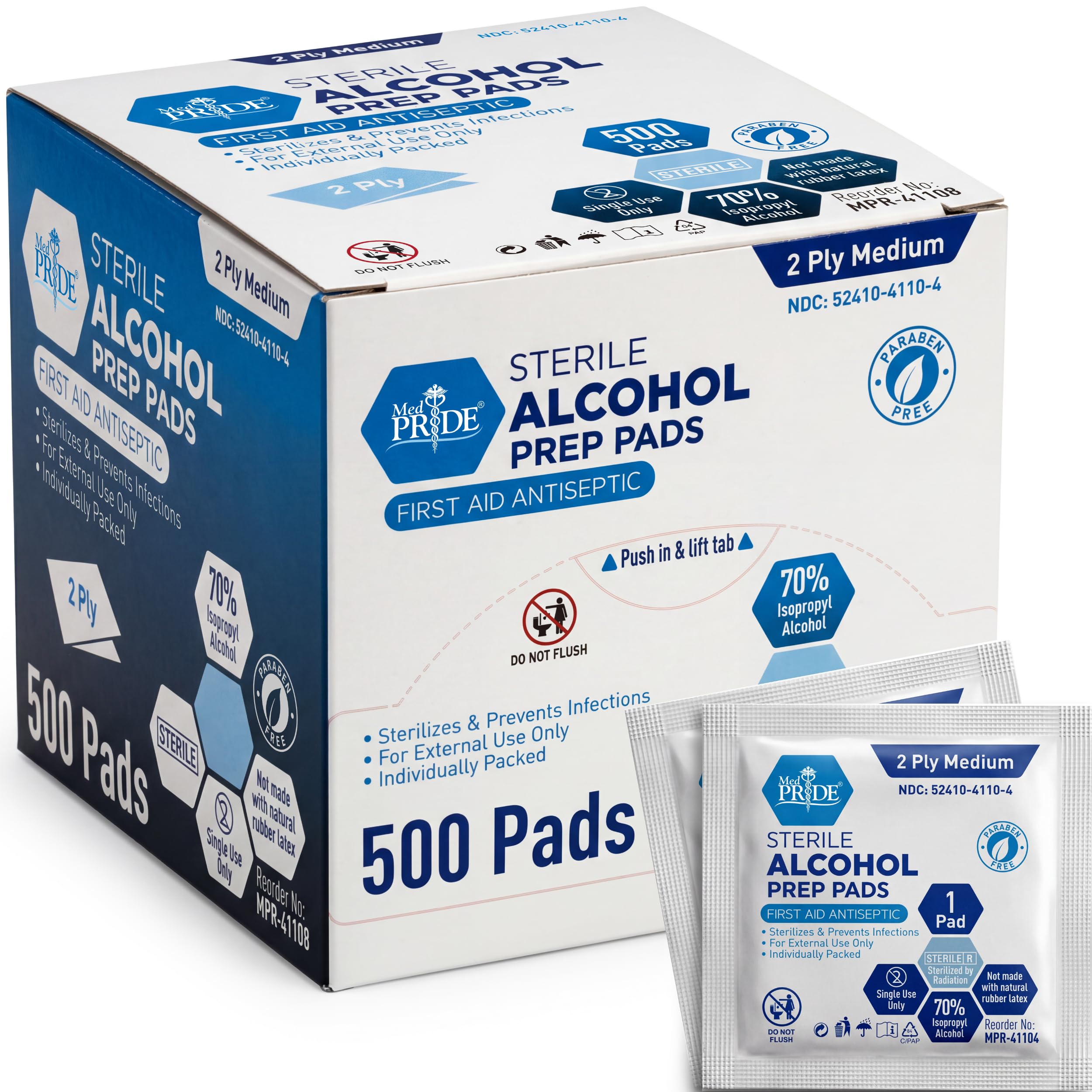
Core Supplies for This Protocol
The essentials for running any reconstituted injectable: cold storage, accurate syringes, alcohol prep pads, and metabolic tracking.
As an Amazon Associate, The Peptide Catalog earns from qualifying purchases.
Full catalog →
The route of administration changes which effects are likely. The injectable 500 mg/mL solution bypasses the gut, which sidesteps the absorption-driven GI complaints of oral dosing — but injection carries its own generic considerations, the local injection-site reactions (pain, redness, irritation) common to any intramuscular or subcutaneous injection. Injection does not change the body's downstream carnitine metabolism, so the TMA/TMAO pathway applies regardless of route.
The forms also differ in where they have been studied. The base form and injectable solution dominate the metabolic and deficiency literature; L-carnitine L-tartrate (LCLT) appears in the recovery trials; and acetyl-L-carnitine (ALCAR) is the brain-penetrant form studied for mood and cognition (Veronese 2018, PMID 29076953). ALCAR's reported tolerability profile is broadly similar — mild GI effects and, in some reports, restlessness or trouble sleeping when taken late in the day. These are documented patterns across the form-specific literature, not universal effects.
How to Read This Safety Picture
The honest summary is that L-carnitine's documented adverse events are narrow and mostly mild. The common effects — GI upset and the fishy odor — are dose-related, benign, and reversible, and the controlled trials report good overall tolerability without serious adverse events as a feature. The route can shift the GI picture (injectable avoids gut-driven complaints) without changing the underlying metabolism.
The one signal that deserves genuine attention is the TMAO cardiovascular question — a biologically plausible, observationally supported, but contested association rather than a demonstrated harm from supplementation. Read accurately, L-carnitine sits among the more reassuring compounds in this catalog, with a single substantive caveat that matters most for people with cardiovascular or kidney conditions. The L-carnitine dosing guide covers the dose ranges these effects track with, and the benefits article weighs them against the documented upsides.
References
| Citation |
Topic |
PMID |
| Koeth et al., Nat Med (2013) |
Gut microbiota → carnitine → TMAO → atherosclerosis association |
23563705 |
| Volek et al., Am J Physiol Endocrinol Metab (2002) |
LCLT tolerability + recovery markers |
11788381 |
| Stefan et al., Nutrients (2021) |
5-week LCLT recovery/fatigue RCT, tolerability |
34684429 |
| Malaguarnera et al., Am J Clin Nutr (2007) |
Centenarian fatigue trial, tolerability at 2 g/day |
18065594 |
| Pooyandjoo et al., Obes Rev (2016) |
Weight-loss meta-analysis, overall tolerability |
27335245 |
| Veronese et al., Psychosom Med (2018) |
ALCAR depression meta-analysis (form context) |
29076953 |
For educational and research purposes only. This is not medical advice. Consult a healthcare provider before use.