L-Carnitine
L-carnitine is an amino-acid-derived compound that carries long-chain fatty acids into mitochondria to be used for energy; the body makes it and also gets it from food. It is not a peptide. Below: today's vial sizes, prices through our link and the vendor's COA details.
Size
$0.01/mg · In stock
Price
$34.00
List
$40.00
Price shown uses code thepeptidecatalog at Ion Peptide's checkout (15% off list).
Volume pricing at Ion Peptide
- 4+ vials10% off$30.00/ea
- 6+ vials16% off$27.60/ea
- 10+ vials25% off$24.00/ea
Applied in Ion Peptide's cart; per-vial figures include our code.
Sold by Ion Peptide. The Peptide Catalog does not sell peptides; we earn a commission if you buy through this link, at no extra cost to you. For laboratory research use only, not for human or veterinary use. Not FDA-approved. Nothing on this page is medical or dosing advice.
- Vendor-stated testing: Third-party tested · HPLC + MS · COA per product
- Listed on our l-carnitine vendor comparison, ordered by our vendor rankings
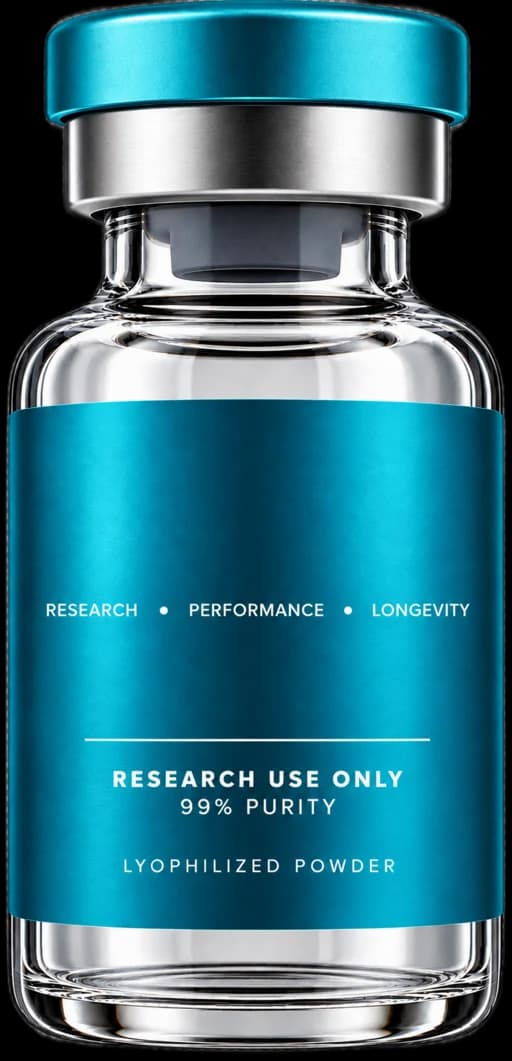
- Lyophilized powder · laboratory research use only
Research-context information only. L-Carnitine is a naturally occurring amino-acid derivative, not a peptide. Protocols, doses, and reactions reported below come from published research and self-reported community sources. This article reports what has been documented, not what should be done. Consult a licensed physician for personal medical decisions.
Vial sizes listed by the vendor
L-Carnitine Vial Sizes & Prices
| Size | List | With our code | Per mg | Availability |
|---|---|---|---|---|
| 5000 mg | $40.00 | $34.00 | $0.01 | In stock |
Prices checked today, 5:17 AM CT on Ion Peptide's site, with code thepeptidecatalog applied. Vendor-stated testing: Third-party tested · HPLC + MS · COA per product. The lot certificate is on Ion Peptide's product page. Sizes not re-checked in the last 7 days are hidden. The vendor's checkout is final.
Test results
L-Carnitine Certificate of Analysis
View the L-Carnitine certificate on Ion Peptide's product page.
How to check one: how to verify a peptide COA.
L-Carnitine Dosing in Clinical Research
Fat Metabolism / Recovery / Energy (Extensive Human Data)
Educational reference only. Individual responses vary. Consult healthcare provider before use.
Why This Dosing Protocol
Which form? ALCAR (acetyl) for cognition (crosses the blood-brain barrier), L-carnitine L-tartrate (LCLT) for exercise recovery, plain L-carnitine for general energy and fat metabolism.
Same research area
Related weight loss & metabolic peptides
 SemaglutideLong-acting GLP-1 receptor agonist peptide studied in metabolic research.
 TirzepatideGIP/GLP-1 dual receptor agonist peptide studied in metabolic research.
- LiraglutideOnce-daily GLP-1 receptor agonist peptide studied in metabolic research.Liraglutide
 RetatrutideInvestigational GLP-1/GIP/glucagon triple receptor agonist in clinical trials.
 AOD-9604Modified fragment of the growth hormone C-terminus studied in lipid-metabolism research.
 5-Amino-1MQSmall-molecule NNMT inhibitor studied in metabolic research.
 TesofensineTriple monoamine reuptake inhibitor studied in metabolic research.
- OrforglipronOral non-peptide GLP-1 receptor agonist studied in metabolic research.Orforglipron
How L-Carnitine Works
Amino-Acid-Derived Mitochondrial Transporter — Fat Metabolism / Recovery (Extensive Human Data)
Target → Signal → Effect → Outcomes
The Carnitine Shuttle (CPT-I / CPT-II)
L-Carnitine is the substrate of the carnitine shuttle — carnitine palmitoyltransferase I and II — which carries long-chain fatty acids across the inner mitochondrial membrane. Without it, those fats cannot enter the mitochondria to be burned.
Fatty-Acid Beta-Oxidation for Energy
Once inside the mitochondria, the transported fatty acids undergo beta-oxidation to produce ATP. Adequate carnitine supports fat-derived energy and buffers the acyl-CoA pool, which is part of why it is studied for fatigue and exercise recovery.
Energy, Recovery, and Modest Fat Metabolism
The strongest, most consistent effects are in deficiency correction, exercise recovery (less muscle damage and soreness with L-carnitine L-tartrate), and fatigue reduction. The fat-loss effect is modest and most evident in deficient or older people. ALCAR, the acetyl form, crosses the blood-brain barrier for cognition/mood.
Builds Over Weeks; Recovery Before Fat Loss
Because oral bioavailability is low (~15%) and tissue stores build slowly, effects accrue over weeks rather than acutely. Recovery and energy benefits tend to show before any body-composition change. Injectable forms bypass the low oral absorption.
What Makes This Peptide Different
Unlike most compounds here, L-Carnitine is an endogenous nutrient with a very large human evidence base and an FDA-approved use (carnitine deficiency). The honest framing is recovery/energy support rather than a powerful fat-burner — and the gut-to-TMAO metabolism is a genuine, debated cardiovascular caveat.
Technical specifications
L-Carnitine chemical & analytical data
- Form
- Solution in a sealed vial
- Presentation
- 5000 mg
- Regulatory status
- Amino-acid derivative (not a peptide); research-grade vials are not FDA-approved.
L-Carnitine Reconstitution Calculator
Dilution math and unit conversions. Prefilled using a common vial size for this peptide.
Open calculatorStorage & Handling
Storage at a glance
Proper storage temperatures, shelf life, reconstitution best practices, and travel tips for lyophilized and reconstituted peptides.
Handling specifics
Educational overview on storage, labeling, and traceability considerations for lab environments. Consult primary literature and vendor documentation for specifics.
- Freezer (-20°C): 1+ year
- Refrigerator (2-8°C): 1-3 months
- Room temperature: 2-3 weeks (emergency only)
- MUST refrigerate at 2-8°C
- 4-week maximum shelf life
- NEVER freeze after reconstitution
- Use bacteriostatic water for multi-dose
7 answers
L-Carnitine FAQ: Buying, COA, Storage & Research
What is L-Carnitine?
Does L-Carnitine actually burn fat?
L-Carnitine vs acetyl-L-carnitine (ALCAR)?
Is the TMAO heart-risk concern real?
How long does reconstituted peptide last?
Is this peptide legal to purchase?
New to peptides?
L-Carnitine Research Articles
L-Carnitine Dosage: 500-2000 mg Protocols
Why oral L-carnitine is only ~15% absorbed, how injectable 500 mg/mL forms bypass that, and the 500-2000 mg/day ranges used across the clinical literature.
side-effectsL-Carnitine Side Effects: What's Real
L-carnitine is well tolerated — but GI upset, a fishy body odor, and a debated TMAO–heart-risk signal are worth understanding before you buy.
resultsL-Carnitine Results Timeline: What to Expect
L-carnitine works on muscle stores, not blood levels — which is why recovery and fatigue effects take weeks, not days. Here's the documented timeline.
buying-guideBuy L-Carnitine: Compare 2 Vendors, From $40
Compare 2 L-Carnitine vendors side by side: from $40 a vial, best value $0.01/mg. Codes save up to 15%. Vial sizes, COA status, real cost per week.
Compare L-Carnitine Vendors Before You Buy
Disclosure: we may earn affiliate commission from qualifying purchases. Educational information only — not medical advice.