Across the human literature, L-carnitine doses cluster in a narrow band: 500 to 2000 mg per day, with most of the well-known exercise and fatigue trials landing at 2 g daily. What makes the dosing conversation unusual is the gap between routes. Oral L-carnitine is poorly absorbed — published pharmacokinetic work puts the bioavailability of supplemental oral doses near 15% — which is the entire reason injectable and intravenous forms exist and why milligram figures on a capsule label and a vial label do not mean the same thing in the bloodstream.
This guide reports the dose ranges used in clinical trials and community protocols, how the base, acetyl (ALCAR), and L-tartrate (LCLT) forms map to different research endpoints, and how the 500 mg/mL injectable solution sold by research vendors translates into per-draw amounts.
Research-context information only. L-carnitine is an amino-acid-derived compound the body synthesizes and obtains from food; it is also sold as a dietary supplement and as research-grade injectable solution labeled for research use. The doses and protocols reported below come from published clinical trials and community sources. This article reports what has been documented, not what should be done. Consult a licensed physician for personal medical decisions.
L-Carnitine sits in the metabolic/energy category alongside vitamin B12 — both feed mitochondrial energy production, and both have a large enough human evidence base that the dosing discussion can be specific rather than speculative. The body makes L-carnitine from the amino acids lysine and methionine, and its central job is the carnitine shuttle: ferrying long-chain fatty acids across the inner mitochondrial membrane so they can be burned for energy.
Quick Reference: Protocol
| Parameter | Detail (reported, not prescribed) |
|---|---|
| Common daily total | 500-2000 mg/day across human trials |
| Exercise-recovery research (LCLT) | 2 g/day (Volek 2002, PMID 11788381) |
| Fatigue/cognition research (base) | 2 g/day (Malaguarnera 2007, PMID 18065594) |
| Weight-loss trials (pooled) | ~1.8-2 g/day (Pooyandjoo 2016, PMID 27335245) |
| Injectable concentration | 500 mg/mL (research-grade solution) |
| Oral bioavailability | ~15% of supplemental dose |
| Forms | Base L-carnitine, ALCAR (brain-penetrant), LCLT (exercise), propionyl (vascular) |
The figures above reflect doses documented in the published trials cited throughout this guide, not a recommended regimen. Which form and total a study used depended on its endpoint — recovery work leaned on LCLT, cognition/mood work on ALCAR, and metabolic/fatigue work on the base form.
Routes of Administration
L-carnitine is one of the clearest cases where the route changes the math, because oral absorption is the limiting step.
Oral capsules and powder. Supplemental oral L-carnitine is absorbed inefficiently — pharmacokinetic studies put bioavailability near 15%, because the intestinal transporters that carry carnitine saturate at supplement-scale doses. That is why oral trials use gram-scale totals (1.8-2 g/day is typical) to land a meaningful amount in circulation. Higher single oral doses do not proportionally raise absorption; the surplus is largely excreted.
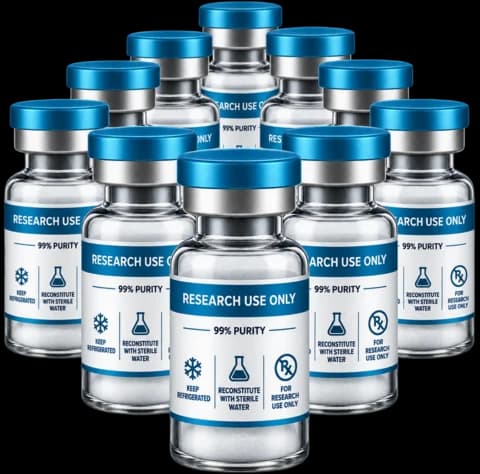
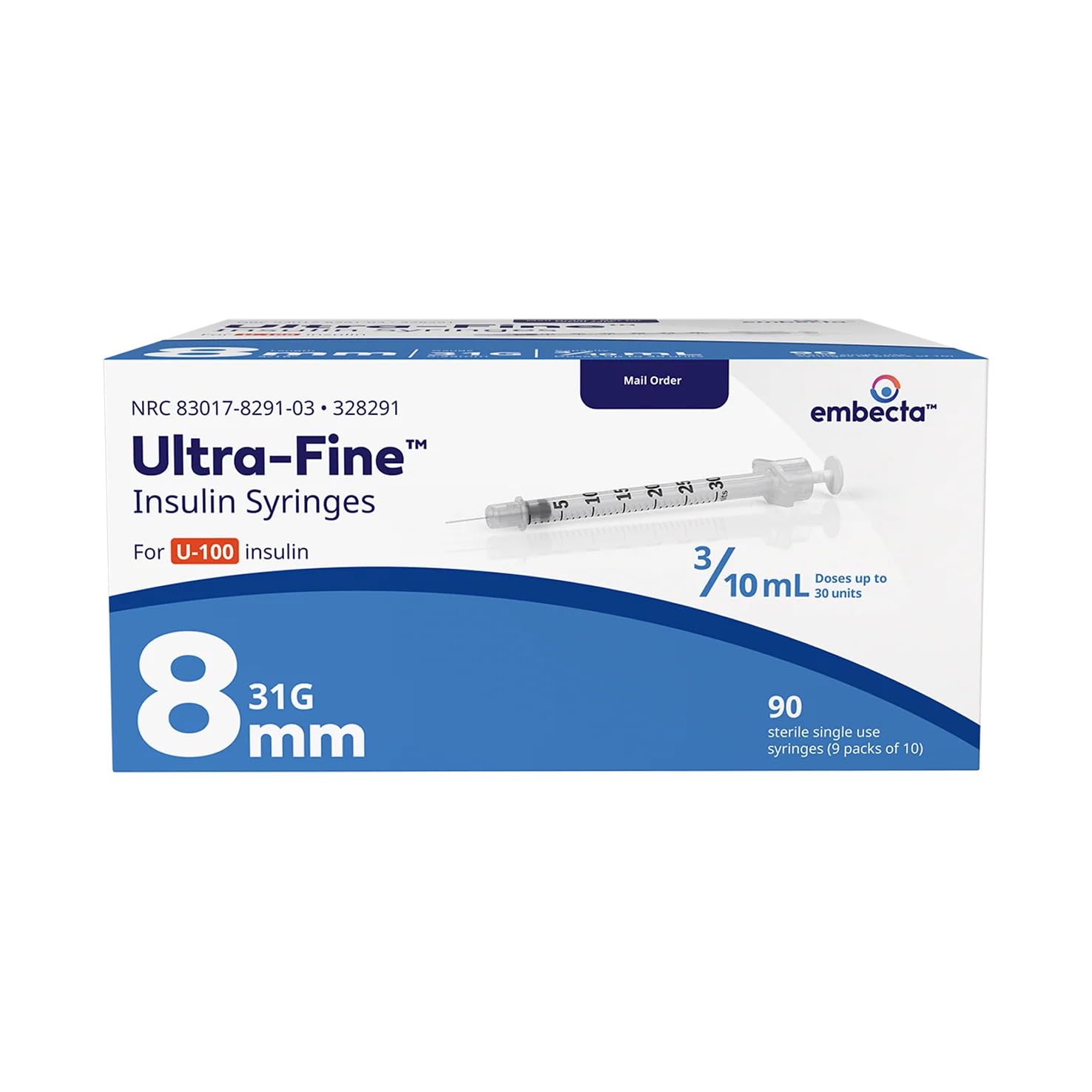
Injectable solution (500 mg/mL). Research-grade L-carnitine is most often sold as a pre-dissolved injectable at 500 mg/mL. Injection bypasses the gut entirely, which sidesteps the absorption ceiling that constrains oral dosing. A 10 mL vial at 500 mg/mL holds 5000 mg total — ten 1 mL draws of 500 mg each. The clinical use of intravenous L-carnitine in carnitine-deficiency states reflects the same logic: deliver the molecule without depending on intestinal transport.
Form selection. The base form and injectable solution are used for deficiency and metabolic endpoints. L-carnitine L-tartrate (LCLT) is the form in most exercise-recovery trials. Acetyl-L-carnitine (ALCAR) crosses the blood-brain barrier and is the form studied for cognition and mood. Propionyl-L-carnitine appears in vascular research. These are documented research distinctions, not interchangeable substitutions.
Reconstitution Quick Reference
Research-grade L-carnitine is typically sold as a pre-dissolved liquid rather than a lyophilized powder, so reconstitution math is usually unnecessary. The 500 mg/mL injectable solution maps to common dose figures as follows:
| Form | Vial | Concentration | Per-draw amount |
|---|---|---|---|
| Injectable L-carnitine | 5000 mg (10 mL) | 500 mg/mL | 1.0 mL = 500 mg |
| Injectable L-carnitine | 5000 mg (10 mL) | 500 mg/mL | 2.0 mL = 1000 mg |
| Oral capsule/powder | — | per label | per label (commonly 500-2000 mg) |
A 10 mL vial at 500 mg/mL holds ten 500 mg draws, or five 1000 mg draws. Actual concentration is set by the vendor's label — the table assumes the standard 500 mg/mL preparation that research vendors stock. Where a product ships as powder, established protocols describe dissolving to a known concentration with bacteriostatic water before drawing the labeled amount.