Vitamin B12
Vitamin B12 (cobalamin) is an essential nutrient used in energy metabolism, red blood cell formation and nerve function; injectable vials come as cyanocobalamin, methylcobalamin or hydroxocobalamin. It is a vitamin, not a peptide. Below: today's vial sizes, prices through our link and the vendor's COA details.
Size
$2.98/mg · In stock
Price
$29.75
List
$35.00
Price shown uses code thepeptidecatalog at Ion Peptide's checkout (15% off list).
Volume pricing at Ion Peptide
- 4+ vials10% off$26.25/ea
- 6+ vials16% off$24.15/ea
- 10+ vials25% off$21.00/ea
Applied in Ion Peptide's cart; per-vial figures include our code.
Sold by Ion Peptide. The Peptide Catalog does not sell peptides; we earn a commission if you buy through this link, at no extra cost to you. For laboratory research use only, not for human or veterinary use. Not FDA-approved. Nothing on this page is medical or dosing advice.
- Vendor-stated testing: Third-party tested · HPLC + MS · COA per product
- Listed on our vitamin b12 vendor comparison, ordered by our vendor rankings
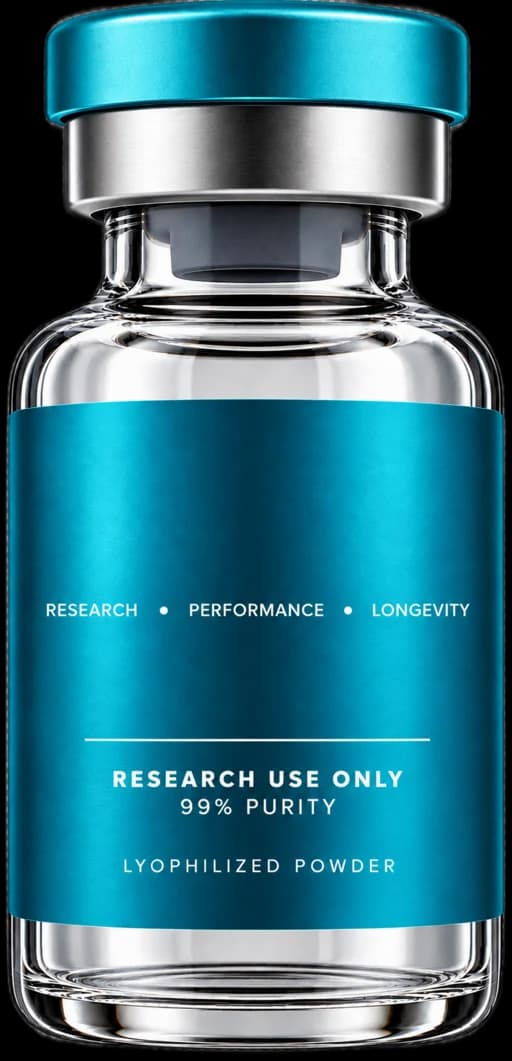
- Lyophilized powder · laboratory research use only
Research-context information only. Vitamin B12 is a vitamin, not a peptide. Protocols, doses, and reactions reported below come from published research and self-reported community sources. This article reports what has been documented, not what should be done. Consult a licensed physician for personal medical decisions.
Vial sizes listed by the vendor
Vitamin B12 Vial Sizes & Prices
| Size | List | With our code | Per mg | Availability |
|---|---|---|---|---|
| 10 mg | $35.00 | $29.75 | $2.98 | In stock |
Prices checked today, 5:15 AM CT on Ion Peptide's site, with code thepeptidecatalog applied. Vendor-stated testing: Third-party tested · HPLC + MS · COA per product. The lot certificate is on Ion Peptide's product page. Sizes not re-checked in the last 7 days are hidden. The vendor's checkout is final.
Test results
Vitamin B12 Certificate of Analysis
View the Vitamin B12 certificate on Ion Peptide's product page.
How to check one: how to verify a peptide COA.
Vitamin B12 Dosing in Clinical Research
Deficiency Correction / Energy Metabolism (Established Clinical Use)
Educational reference only. Individual responses vary. Consult healthcare provider before use.
Why This Dosing Protocol
Why the form debate? Methylcobalamin is the active coenzyme form, but cyanocobalamin converts readily in the body and the evidence for clinical superiority of methylcobalamin is limited.
Same research area
Related weight loss & metabolic peptides
 SemaglutideLong-acting GLP-1 receptor agonist peptide studied in metabolic research.
 TirzepatideGIP/GLP-1 dual receptor agonist peptide studied in metabolic research.
- LiraglutideOnce-daily GLP-1 receptor agonist peptide studied in metabolic research.Liraglutide
 RetatrutideInvestigational GLP-1/GIP/glucagon triple receptor agonist in clinical trials.
 AOD-9604Modified fragment of the growth hormone C-terminus studied in lipid-metabolism research.
 5-Amino-1MQSmall-molecule NNMT inhibitor studied in metabolic research.
 TesofensineTriple monoamine reuptake inhibitor studied in metabolic research.
- OrforglipronOral non-peptide GLP-1 receptor agonist studied in metabolic research.Orforglipron
How Vitamin B12 Works
Cobalamin — Essential Water-Soluble Vitamin / Enzymatic Cofactor (Extensive Human Clinical Evidence)
Target → Signal → Effect → Outcomes
Two Cobalamin-Dependent Enzymes
Vitamin B12 (cobalamin) is an essential cofactor for two human enzymes: methionine synthase in the cytoplasm and methylmalonyl-CoA mutase in the mitochondria. Methylcobalamin and adenosylcobalamin are the two active coenzyme forms; cyanocobalamin and hydroxocobalamin are converted to them in the body.
Methylation & the Methionine Cycle
Through methionine synthase, B12 regenerates methionine from homocysteine, supplying S-adenosylmethionine (SAMe) for DNA, protein, and myelin methylation. When B12 is low, folate is trapped as methyltetrahydrofolate (the "methyl-folate trap"), stalling DNA synthesis — the basis of megaloblastic anemia.
Red Cells, Nerves, and DNA
Adequate B12 supports red blood cell production, DNA synthesis, and myelin maintenance. Deficiency causes megaloblastic anemia and a demyelinating neuropathy (subacute combined degeneration of the cord). These effects are established across decades of human clinical data.
Only If You Were Deficient
Correcting a deficiency reverses fatigue, paresthesia, glossitis, and cognitive fog over weeks. In people who are already replete, supplemental B12 produces no measurable benefit — it is a vitamin, not a stimulant.
What Makes This Peptide Different
Unlike most compounds on this site, B12 is an essential nutrient with FDA-approved injectable forms and decades of clinical evidence. The open questions are practical — which form (cyano / methyl / hydroxo) and which route — not whether it works. High-dose oral (1-2 mg/day) can match intramuscular dosing even in pernicious anemia through intrinsic-factor-independent passive absorption.
Technical specifications
Vitamin B12 chemical & analytical data
- Form
- Solution in a sealed vial
- Presentation
- 10 mg
- Regulatory status
- Vitamin (not a peptide); research-grade vials are not FDA-approved.
Vitamin B12 Reconstitution Calculator
Dilution math and unit conversions. Prefilled using a common vial size for this peptide.
Open calculatorStorage & Handling
Storage at a glance
Proper storage temperatures, shelf life, reconstitution best practices, and travel tips for lyophilized and reconstituted peptides.
Handling specifics
Educational overview on storage, labeling, and traceability considerations for lab environments. Consult primary literature and vendor documentation for specifics.
- Freezer (-20°C): 1+ year
- Refrigerator (2-8°C): 1-3 months
- Room temperature: 2-3 weeks (emergency only)
- MUST refrigerate at 2-8°C
- 4-week maximum shelf life
- NEVER freeze after reconstitution
- Use bacteriostatic water for multi-dose
8 answers
Vitamin B12 FAQ: Buying, COA, Storage & Research
What is Vitamin B12?
Does B12 give you energy?
Methylcobalamin or cyanocobalamin — which is better?
Is injected or oral B12 more effective?
Who is most likely to be B12 deficient?
How long does reconstituted peptide last?
Is this peptide legal to purchase?
New to peptides?
Vitamin B12 Research Articles
Vitamin B12 Injection Dosage: 1mg Protocol
The 1mg loading-then-maintenance schedule, oral vs injection evidence, methylcobalamin vs cyanocobalamin, and exact syringe units per vial size.
side-effectsVitamin B12 Side Effects: What's Real
Vitamin B12 is one of the safest supplements there is — but injection reactions, acne flares, and a scary-sounding cancer signal are worth understanding.
resultsVitamin B12 Results: Deficiency Timeline
Energy can shift in days, blood counts take weeks, nerves take months — and if you're not deficient, B12 does nothing. The honest timeline.
buying-guideBuy Vitamin B12: Price, COA & Cost Per Week
Only one vetted Vitamin B12 source right now — its vial cost per mg, COA status, and real cost per week, checked.
Compare Vitamin B12 Vendors Before You Buy
Disclosure: we may earn affiliate commission from qualifying purchases. Educational information only — not medical advice.