How to Reconstitute Glutathione
Injectable glutathione ships as a lyophilized (freeze-dried) white powder in a sealed vial, most often in 600mg or 1,500mg sizes, and is reconstituted with bacteriostatic water before use. The mechanics are the same as any peptide, with one difference that changes every number on the page: glutathione is dosed in the hundreds of milligrams, not micrograms. Published pharmacokinetic work has used gram-scale intravenous doses and documented rapid plasma clearance (Aebi et al., 1991), and community injectable protocols sit in the 200-600mg range — so concentration is expressed in mg/mL and draw volumes run much larger.
This guide covers mixing, measuring doses off the two common vial sizes, and storing glutathione so the antioxidant doesn't oxidize before it's used.
Research-context information only. Glutathione is a research peptide. Protocols, doses, and reactions reported below come from published research and self-reported community sources. This article reports what has been documented, not what should be done. Consult a licensed physician for personal medical decisions.
New to bacteriostatic water? Start with what it is, how much to use per vial, and how long it lasts — or see the full Bacteriostatic Water Guide.
What You Need
Research-grade glutathione is sold and labeled for laboratory research use only, not for human consumption. The materials documented protocols call for are:
- Glutathione lyophilized vial (commonly 600mg or 1,500mg)
- Bacteriostatic water (BAC water) — not sterile water, not saline
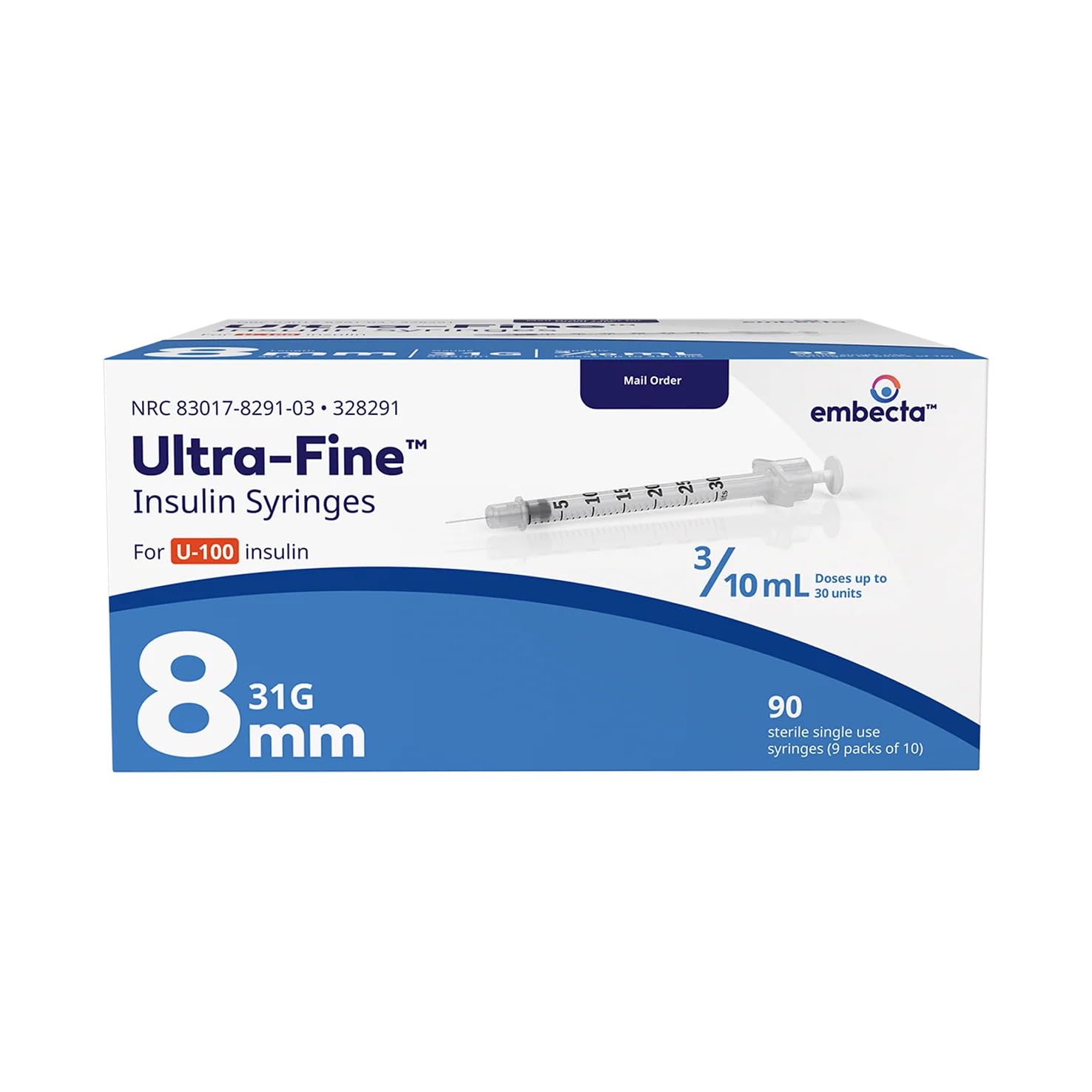
- Insulin syringes — 1mL (100 unit), 29-31 gauge; a 3mL syringe for larger single draws
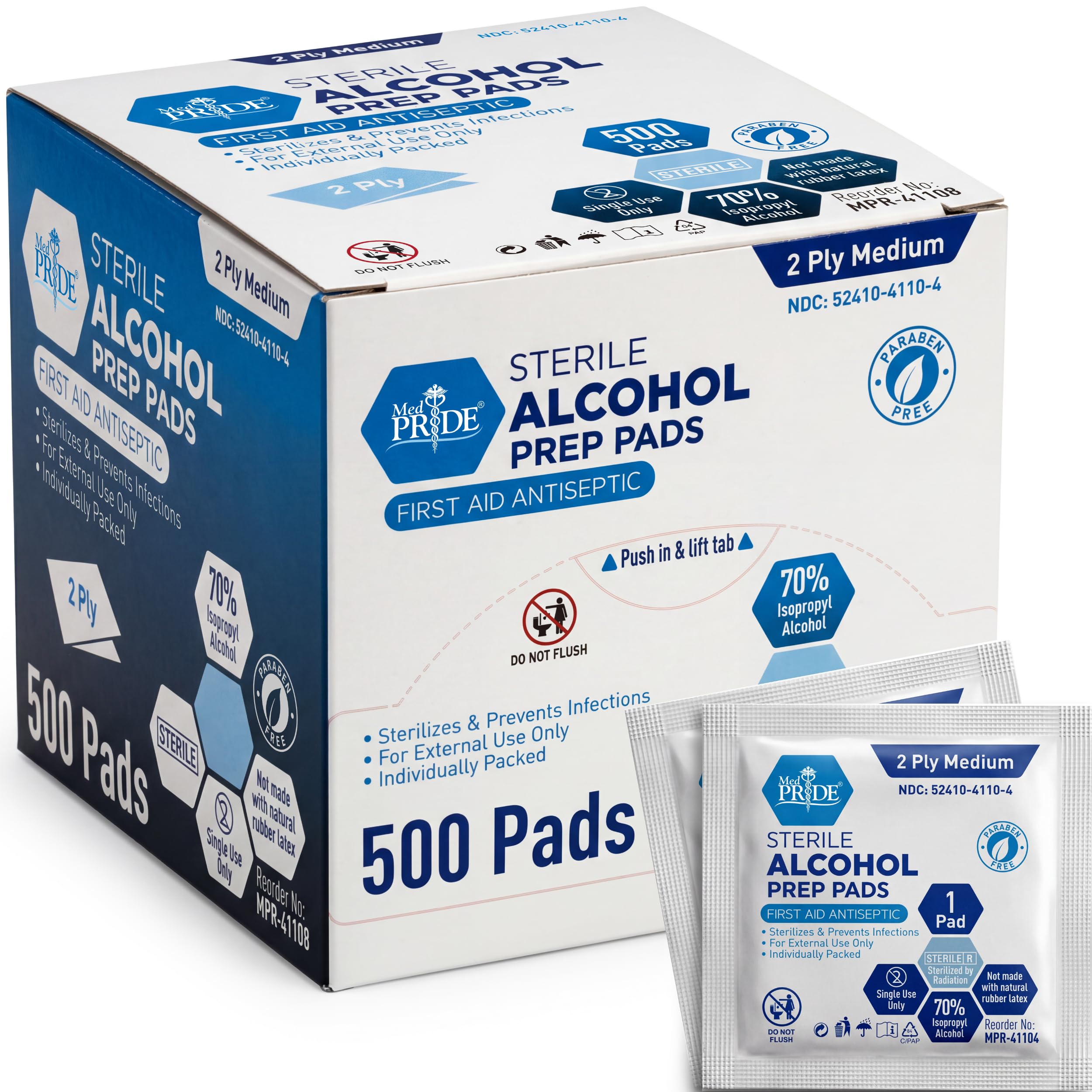
- Alcohol swabs — for cleaning vial tops
- A clean, flat workspace
Why bacteriostatic water? It contains 0.9% benzyl alcohol that prevents bacteria from growing in the solution. Regular sterile water has no preservative, so the vial must be used within 24 hours. BAC water allows up to 28 days refrigerated — the practical choice for glutathione, since a vial is usually dosed across a week or more.
Affiliate disclosure: the vendor links below and elsewhere in this article are affiliate links — The Peptide Catalog may earn a commission if you buy through them, at no additional cost to you.

Step-by-Step Reconstitution
The steps below describe documented community and laboratory technique, not instructions for preparing this product for injection. They report how reconstitution has been carried out, not what any reader should do.
Step 1: Clean Everything
Protocols describe wiping the tops of both vials (glutathione and BAC water) with alcohol swabs, then letting them air dry for 10 seconds. This prevents contamination — a step community resources flag as essential.
Step 2: Drawing the Bacteriostatic Water
Protocols describe using a fresh insulin syringe to draw the desired amount of BAC water. Because glutathione volumes are larger, some community resources describe drawing the full amount in two passes with a 1mL syringe, or using a single 3mL syringe. The amount added determines the concentration (see the dilution charts below).
Community resources commonly document 3mL into a 1,500mg vial and 2mL into a 600mg vial as the balance points — enough water to keep a standard dose measurable without pushing the injection volume too high.
Larger vial? A bigger draw needle helps. Because glutathione volumes run large, community protocols describe pulling the dose with a larger-gauge draw needle (or a 3mL syringe), then switching to a thin 30G needle to inject — see Drawing a larger vial.
Step 3: Add Water to the Glutathione Vial
Protocols describe inserting the needle into the glutathione vial at an angle, aiming at the glass wall — not directly at the powder — and letting the water trickle down the side of the vial gently.
Protocols describe not squirting water directly onto the powder. Glutathione is a tripeptide; gentle technique down the vial wall preserves molecular integrity and limits foaming.
Step 4: Let It Dissolve
Protocols describe swirling the vial gently with a slow rotating motion rather than shaking it. Glutathione typically dissolves within 1-2 minutes into a clear, near-colorless solution.
If the solution looks yellow, cloudy, or has floating particles after gentle swirling, community resources describe the vial as degraded — glutathione's thiol group oxidizes readily in water, and a discolored solution is the visible signal.
Step 5: Store Correctly
Documented protocols describe refrigerating reconstituted vials immediately at 36-46°F (2-8°C). With bacteriostatic water the solution is described as stable for up to 28 days, though glutathione's tendency to oxidize in solution is why storage resources emphasize prompt refrigeration over pushing the full window.
Dilution Chart
Two charts follow — one per common vial size. Each shows how the amount of bacteriostatic water sets the concentration, and the resulting draw volume for the two most commonly referenced doses (300mg and 600mg). Because glutathione is a milligram-scale compound, the concentration column reads in mg/mL, and units climb quickly.
Why these water amounts? The highlighted rows keep a standard dose close to a round number on the syringe: a 600mg vial at 2mL puts a 300mg dose at exactly 100 units (a full 1mL insulin syringe), and a 1,500mg vial at 3mL puts a 300mg dose at 60 units. Adding more water lowers the units-per-dose count further but raises the total injection volume — community reports weigh that trade-off against syringe size and injection route.
Syringe Math
The formula is the same one used for any vial and any amount of water — only the units are milligrams here, not micrograms:
Concentration = Vial Size (mg) ÷ Water Added (mL)
Then to find the injection volume:
Units to inject = Desired Dose (mg) ÷ Concentration (mg/mL) × 100
Example: a 1,500mg vial + 3mL water = 500mg/mL. For a 300mg dose: 300 ÷ 500 × 100 = 60 units (0.6mL). For a 600mg dose off the same vial: 600 ÷ 500 × 100 = 120 units, which exceeds a 1mL insulin syringe — community resources describe a 3mL syringe or splitting the dose across two sites.
For variable vial sizes or doses, the Reconstitution Calculator applies this formula automatically. These figures reflect documented community and trial reconstitution ratios, not a recommended protocol — the vendor comparison below is for sourcing vials and bacteriostatic water, not for determining a dose.
Affiliate disclosure: vendor links in this article are affiliate links — The Peptide Catalog may earn a commission if you buy through them, at no additional cost to you.
Ready to buy? Compare verified vendors on our best glutathione sources page, or see current vendor coupon codes.