Liraglutide is an FDA-approved GLP-1 receptor agonist with 97% homology to native human GLP-1 — one of the most extensively studied peptide therapies for both type 2 diabetes and weight management. Unlike many peptides on this site, liraglutide has well-established FDA-approved dosing. This is not medical advice — work with your prescriber.
Research-context information only. Liraglutide is the active ingredient in FDA-approved products for type 2 diabetes and chronic weight management; research-peptide and compounded forms are not FDA-approved and are sold for research purposes only. Protocols, doses, and reactions reported below come from clinical trials and community sources. This article reports what has been documented, not what should be done. Consult a licensed physician for personal medical decisions.
Liraglutide Dosing Table
Match your vial size below — reconstitution and dose math update automatically.
| Dose | Syringe units | mL volume | Schedule |
|---|---|---|---|
| 0.6 mg | 6 units | 0.06 mL | Daily SubQWeek 1 (titration) |
| 1.2 mg | 12 units | 0.12 mL | Daily SubQWeek 2 |
| 1.8 mg | 18 units | 0.18 mL | Daily SubQWeek 3 |
| 2.4 mg | 24 units | 0.24 mL | Daily SubQWeek 4 |
| 3 mg | 30 units | 0.3 mL | Daily SubQWeek 5+ (target) |
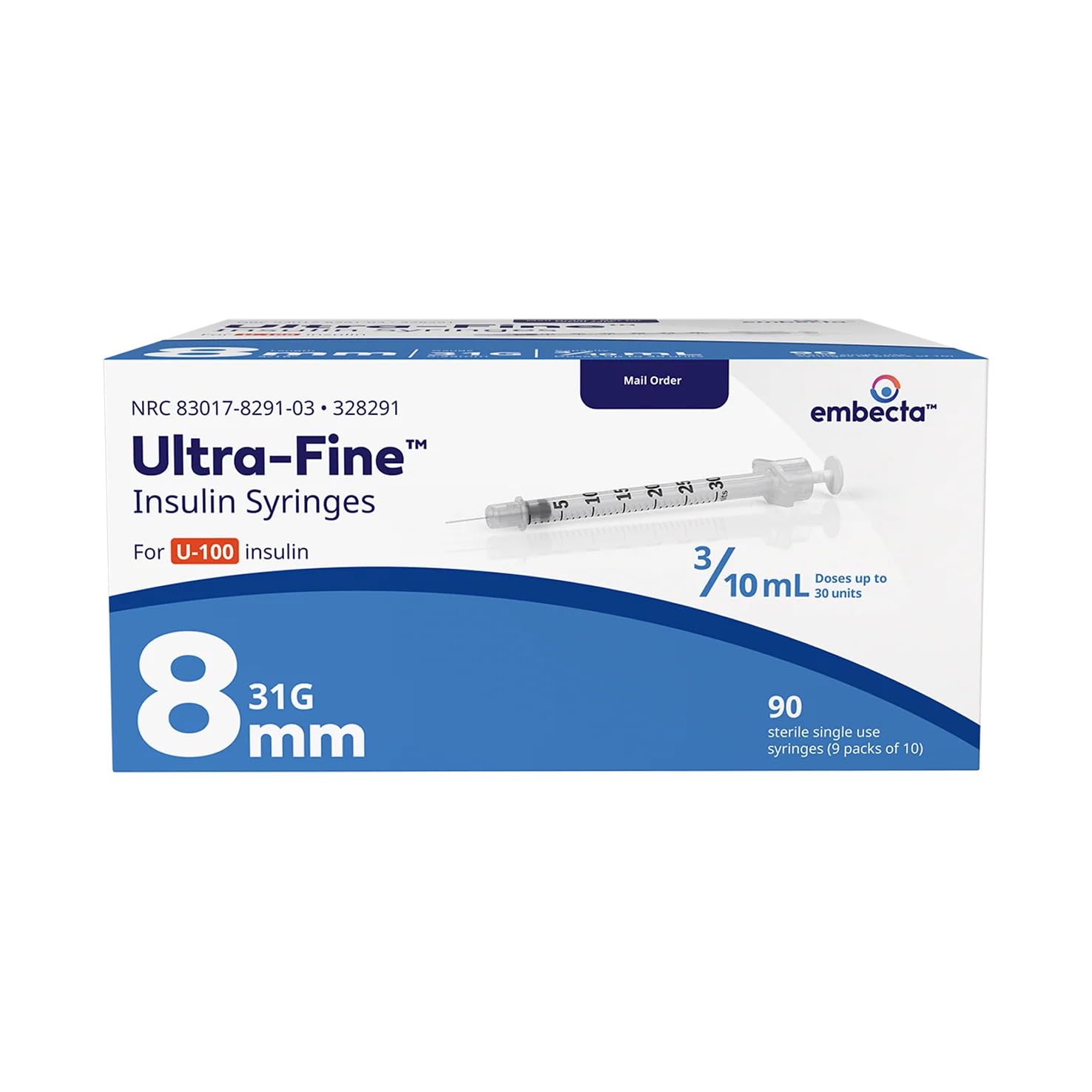
Math assumes U-100 insulin syringes (1 mL = 100 units). Verify your syringe matches before injecting. Round half-units to the nearest visible mark.
Quick Reference: Community Protocol
Liraglutide uses FDA-approved dosing as the protocol.
| Parameter | Detail |
|---|---|
| Target dose (weight loss) | 3.0 mg/day |
| Target dose (diabetes) | 1.2-1.8 mg/day |
| Route | Subcutaneous injection |
| Timing | Any time, consistent daily |
| Frequency | Daily |
| Cycle | Long-term (continuous) |
| Form | Pre-filled pen (18 mg/3 mL) |
| Reconstitution | None — pre-filled pen |
| Storage | Refrigerate unused; in-use pen room temp 30 days |
The FDA-approved titration schedule used in clinical trials:
- Week 1: 0.6 mg daily
- Week 2: 1.2 mg daily
- Week 3: 1.8 mg daily
- Week 4: 2.4 mg daily
- Week 5+: 3.0 mg daily
Cycling Details
Liraglutide for weight management was studied as long-term continuous use — no cycling. The 5-week titration was central to the trial protocol: each 0.6 mg increment allows GLP-1 receptors in the GI tract to adapt, substantially reducing nausea and vomiting.
When 3.0 mg was not tolerated, trial protocols maintained the highest tolerated dose. When nausea was severe at a given step, protocols described holding the current dose for an extra week before increasing. Weight regain typically occurred upon discontinuation — the SCALE trial ran 56 weeks with continued benefit.
Missed dose: Product labeling describes injecting as usual if less than 12 hours late; if more than 12 hours, skipping and resuming the next day. Double dosing is not described in any protocol.
Lyophilized Vial Reconstitution (Research Use)
For compounding pharmacies or research-grade liraglutide in lyophilized form:
| Vial Size | BAC Water | Concentration | 0.6 mg | 1.8 mg | 3.0 mg |
|---|---|---|---|---|---|
| 5 mg | 2 mL | 2.5 mg/mL | 24 units | 72 units | 120 units (split) |
The dilution math underlying published reconstitution protocols: 5,000 mcg ÷ 2 mL = 2,500 mcg/mL. At a 600 mcg target dose, community-documented draw volumes work out to 0.24 mL (24 units on a standard insulin syringe). Higher target doses favor a 10 mg vial with 2 mL BAC water (5 mg/mL).
Research facilities and compounding pharmacies sourcing bacteriostatic water for peptide reconstitution commonly use the following suppliers.

Routes of Administration
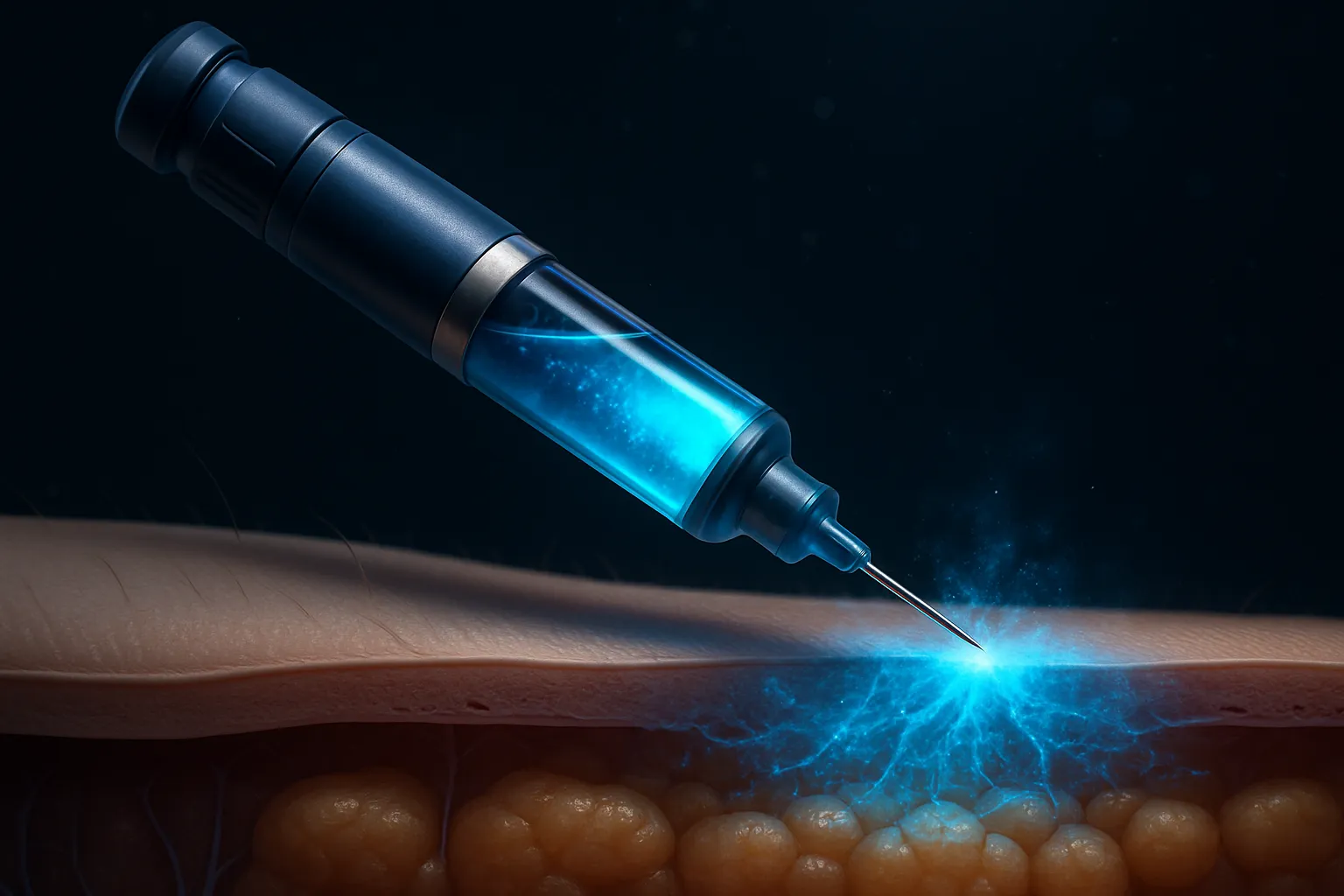
Subcutaneous (only approved route): Abdomen (most common, best absorption), thigh, or upper arm. Protocols describe rotating sites within the same region, pinching a skin fold, inserting at a 90-degree angle, and holding 6 seconds before withdrawing.
Pre-filled pen use: Product labeling describes a new needle for each injection and priming before first use (dial 0.6 mg, point up, press until a drop appears). No reconstitution needed.