Research-context information only. LL-37 is a research peptide. It is not FDA-approved for any indication. Protocols, doses, and reactions reported below come from published research and self-reported community sources. This article reports what has been documented, not what should be done. Consult a licensed physician for personal medical decisions.
The buying problem is twofold: LL-37 is one of the longer peptides on the research market (37 residues), making synthesis expensive, and vendor selection is more limited than for high-volume peptides like BPC-157.
This guide covers documented per-mg pricing, how to read an LL-37 COA, vial size selection, and red flags. For dosing context, see the LL-37 dosing guide.
This is not a ranked vendor list — for that, see our Best LL-37 Vendors comparison.
Understanding LL-37 Pricing
LL-37 ships as a lyophilized powder in sealed glass vials. Three factors drive price: vial size, vendor markup, and whether the COA confirms 98%+ HPLC purity at the 4,493 Da target mass.
Current Market Pricing (2026)
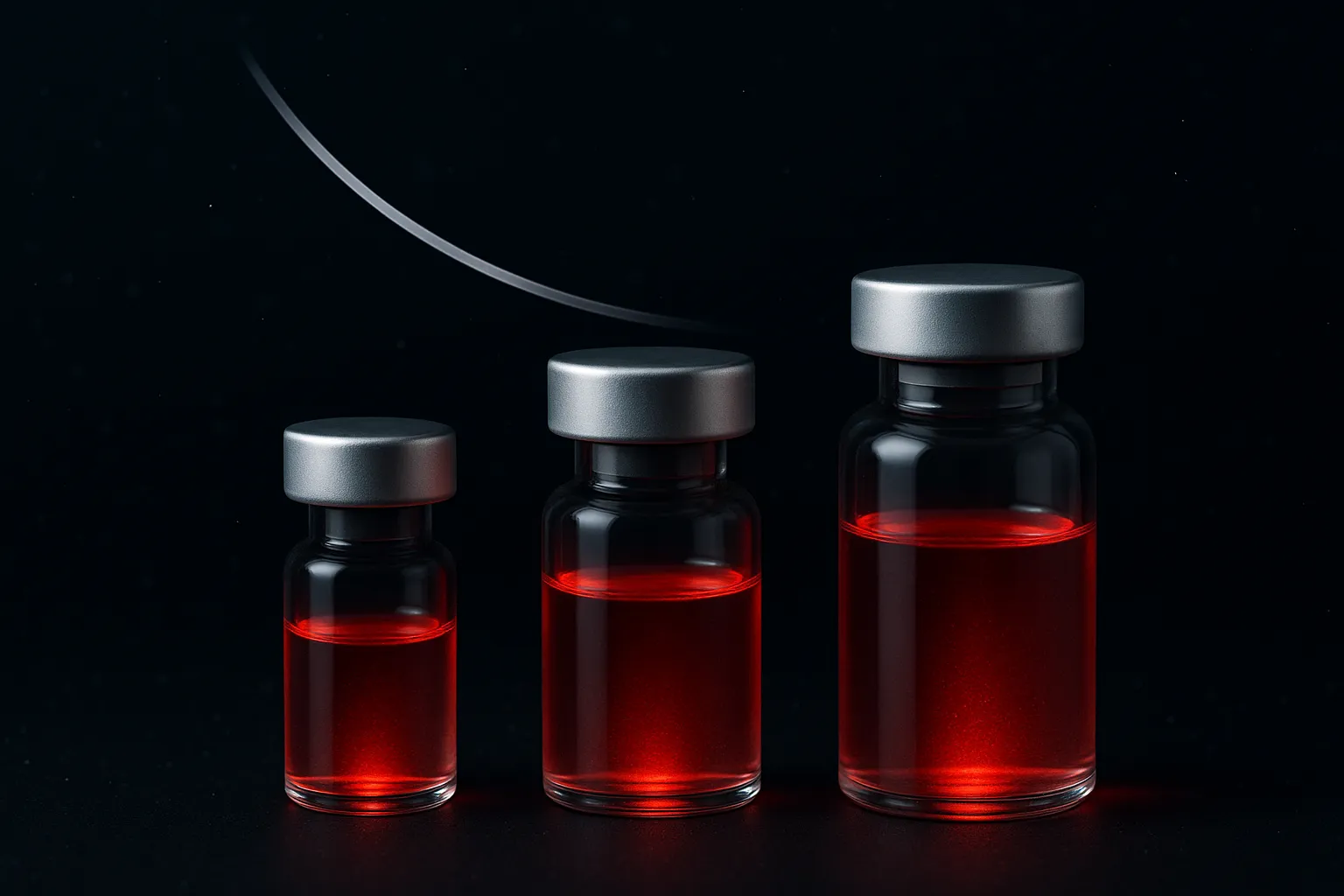
Vial Size
Typical Price Range
Price Per mg
Best For
1mg
$25-50
$25-50/mg
Tolerance testing only — worst value
5mg
$50-110
$10-22/mg
Standard short cycles
10mg
$90-200
$9-20/mg
Standard 100-300mcg/day — best all-around
10mg × 5 (kit)
$400-900
$8-18/mg
Extended cycles
The pattern: 10mg vials are the most-cited size. 1mg and 5mg vials carry significantly higher per-mg cost. LL-37 vendor competition is more limited than for high-volume peptides, which is why pricing variance is wider.
Cost Per Month at Common Doses
Daily Dose
Monthly Mass
Monthly Cost (10mg single)
Monthly Cost (kit)
100 mcg/day
3 mg
$27-60
$24-54
200 mcg/day
6 mg
$54-120
$48-108
300 mcg/day
9 mg
$81-180
$72-162
For current vendor-specific pricing, see our Best LL-37 Vendors comparison.
Recommended-vendor coverage is thin for LL-37 right now. Ion Peptide is the only recommended vendor stocking it at $45/5mg ($9.00/mg) — currently out of stock at time of publish. Check current availability ↓
How to Verify LL-37 Quality
LL-37 is a 37-amino-acid peptide derived from the human cathelicidin precursor (LLGDFFRKSKEKIGKEFKRIVQRIKDFLRNLVPRTES). At 37 residues, it's at the upper end of solid-phase peptide synthesis efficiency — yields drop sharply over 30 residues, and truncated/deamidated byproducts are common synthesis impurities that show up on HPLC as secondary peaks.
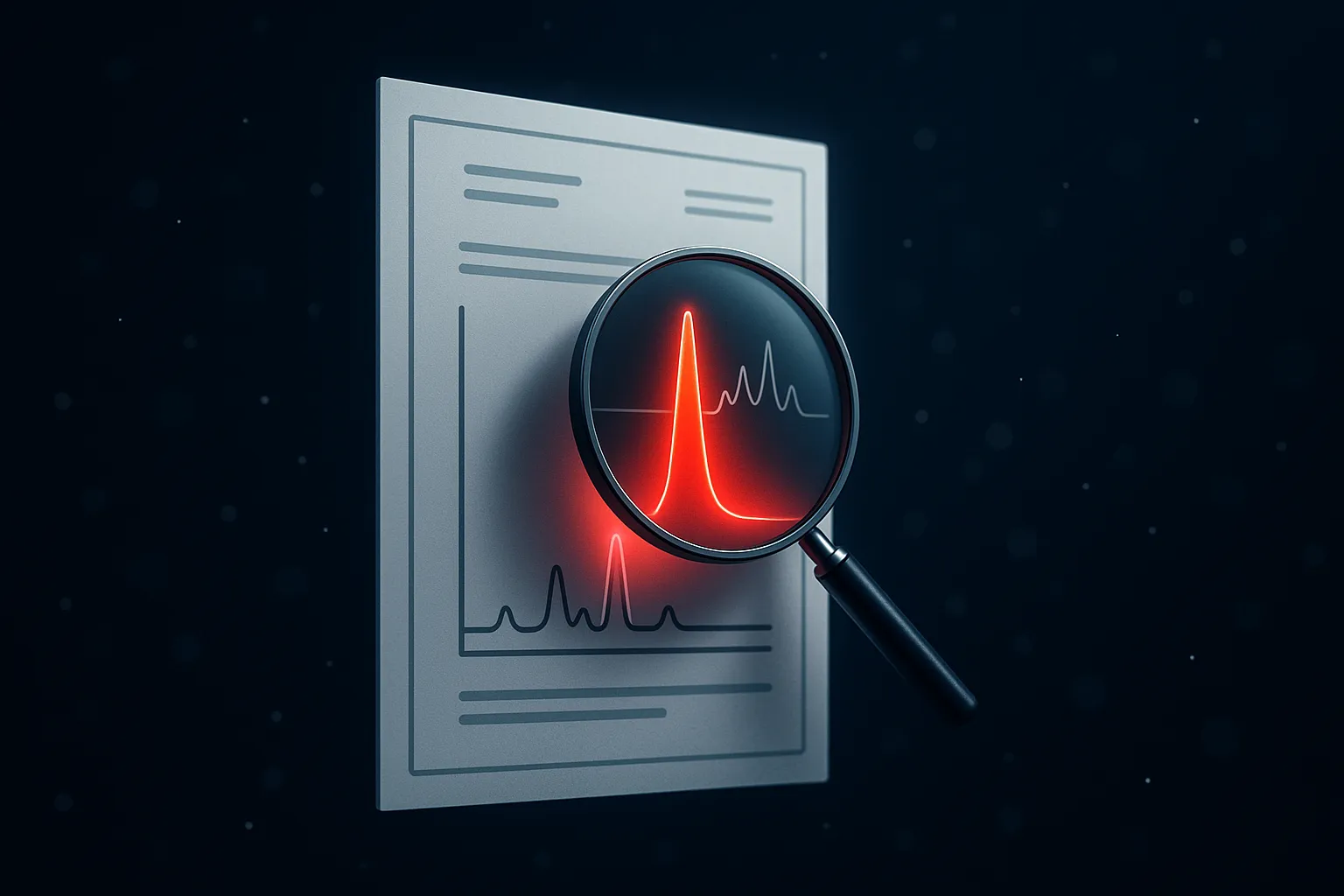
What a COA Should Include
Identity Confirmation
Mass spectrometry confirming 4,493 Da for LL-37
Sequence verification — 37-residue sequence matching human cathelicidin
Truncation byproducts (LL-32, LL-25 fragments) noted as separate peaks if present
Purity Testing
HPLC purity at 98%+ (challenging at 37 residues — 95-98% is more common, vendors hitting consistent 98%+ are notable)
Single dominant peak; truncation byproducts visible as smaller secondary peaks
Water content (Karl Fischer) under 8%
Contamination Testing
Endotoxin levels (especially relevant — LL-37 is an antimicrobial peptide so endotoxin contamination would skew bioactivity)
LL-37 reconstituted with bacteriostatic water and refrigerated is documented stable for roughly 28 days in published peptide-stability data. With sterile water (no preservative), the window collapses to ~24 hours.
Practical implication: A 10mg vial at 200mcg/day exceeds the 28-day window. Common practice is staged reconstitution — pull from sealed lyophilized vial as needed, mixing only the volume needed for ~28 days at the user's specific daily dose.
Vial Size by Protocol
Tolerance testing context:
A 1mg or 5mg vial is the smallest unit cited for tolerance testing
Some users prefer 10mg with staged reconstitution for cost efficiency
1-2 vials per month at this dose
Extended cycles (12+ weeks):
10mg × 5 kit drops cost to $8-18/mg
Each vial stored sealed lyophilized until reconstitution
Buying Multiple Smaller vs Kit
Factor
Multiple 5mg Singles
Kit (5× 10mg)
Cost per mg
Higher ($10-22/mg)
Lower ($8-18/mg)
Freshness
Same (lyophilized storage)
Same
Flexibility
Can stop mid-cycle
Committed to full kit
Storage
Easier (smaller volumes)
Requires fridge space
Shipping
More frequent orders
Single shipment
Why LL-37 Costs More Than Most Research Peptides
LL-37 runs $9-22/mg vs $2-5/mg for typical short peptides. Two reasons:
1. 37-residue length pushes synthesis economics. Solid-phase peptide synthesis yield drops with chain length — at 37 residues, a typical batch yields 15-30% theoretical product after purification, vs 50-70% for 10-residue peptides. That's a 2-3x cost multiplier on the same starting amino acid mass.
2. Limited vendor competition. Most research-peptide vendors carry BPC-157, TB-500, sermorelin — high-volume compounds. LL-37 sits in a smaller market, so the 5-10 vendors that carry it have less price competition pressure.
When LL-37 is paid for at premium prices but mass spec shows ~4,000 Da (truncated form) or ~3,500 Da (different cathelicidin), the COA is what surfaces this.
Vendor Evaluation Methodology
When comparing LL-37 vendors:
Price Competitiveness (40%)
Normalize to cost per milligram. 10mg at $130 ($13/mg) scores higher than 5mg at $80 ($16/mg).
COA & Testing (30%)
Third-party labs (Janoshik, MZ Biolabs, Colmaric)
Recent (within 6 months)
Verifiable task number
Mass spec confirming 4,493 Da
Reputation (30%)
Community feedback, shipping reliability, customer service, multi-year track record.
Shipping and Storage
Order Arrival
Lyophilized LL-37 typically arrives as a white or off-white powder cake:
Vial integrity — no cracks, intact rubber seal, aluminum cap secure
Powder appearance — solid cake or loose powder, NOT liquid or discolored
Labeling — batch/lot, mg content, "for research use only"
Cold pack — most reputable vendors include cold packs in summer
Storage Guidelines
State
Temperature
Duration
Lyophilized (powder)
Room temp
Days only (shipping)
Lyophilized (powder)
Refrigerated (2-8°C)
12+ months
Lyophilized (powder)
Frozen (-20°C)
24+ months
Reconstituted (BAC water)
Refrigerated (2-8°C)
~28 days
Reconstituted (sterile water)
Refrigerated (2-8°C)
~24 hours
Reconstituted
Frozen
Not generally recommended
Where to Buy
1
Nura Peptide
10.0/1030% OFF · code thepeptidecatalog
Niche-format vendor — oral capsule peptides, pre-mixed nasal solutions, and a rare Reta + Cagrilintide combo blend, all 30% off with code thepeptidecatalog.
Most cloudy reconstitutions trace back to one thing — and it isn't the peptide. Sterile, non-pyrogenic, 0.9% benzyl alcohol — formulated for peptide reconstitution, not repackaged from generic stock.
✓ 0.9% benzyl alcohol✓ Made for peptides✓ 30 mL multi-dose
LL-37 is sold as a research peptide labeled 'not for human consumption.' It is not FDA-approved for any indication. A Phase 2 venous leg ulcer trial documented safety and tolerability of topical LL-37, but no FDA approval has followed. Purchasing research peptides is legal in most US jurisdictions.
How much does LL-37 cost per month?
LL-37 is one of the more expensive research peptides because it's a 37-amino-acid peptide. 5mg vials run $50-110 and 10mg vials run $90-200. At community subcutaneous protocols of 100-300mcg/day, monthly use is 3-9mg, putting monthly cost at $60-200.
What vial size should I buy?
5mg and 10mg vials are the most-cited sizes. At 100mcg/day, a 5mg vial lasts 50 days (exceeds 28-day reconstitution stability window — staged reconstitution required). At 200mcg/day, a 5mg vial lasts 25 days, well within the window.
What purity should I look for in LL-37?
Third-party HPLC at 98%+ purity, plus mass spec confirming 4,493 Da. LL-37 is 37 amino acids — long enough that synthesis errors (truncations, deamidation) are common. Purity below 95% suggests sequence quality problems.
Why is LL-37 priced higher than shorter peptides?
37 residues is at the upper end of solid-phase peptide synthesis economics — manufacturing yield drops sharply with chain length. Per-mg pricing is typically $10-22/mg vs $2-5/mg for short peptides. Plus LL-37 has limited vendor competition relative to BPC-157 or sermorelin.
Can I get LL-37 from a compounding pharmacy?
No. LL-37 has never been FDA-approved despite Phase 2 trial data. It is not available through pharmacies or compounding pharmacies. Research vendors are the only documented commercial source.
This article is for educational and informational purposes only. It is not medical advice and should not be used to diagnose, treat, or prevent any condition. Consult a licensed healthcare provider before using any peptide.