Two-Track Framing: Timelines Differ by Use Case
LL-37 is run for very different reasons, and the timelines do not transfer between contexts.
Track 1 — Acute antimicrobial / sinus / acute infection contexts. Community sources describe shorter protocols (2-4 weeks) targeting an acute event. Subjective shifts, where users describe them, tend to cluster in weeks 1-2.
Track 2 — Biofilm / chronic immune / CIRS-adjacent protocols. Community sources describe multi-week to multi-month timelines (the standard 50-day cycle described in the LL-37 Dosing Guide, sometimes longer). Most reported subjective shifts cluster in weeks 4-8.
Track 3 — Topical wound healing. This is the strongest evidence track. The Miranda et al. RCT applied a topical LL-37 cream to diabetic foot ulcers and reported enhanced wound healing on a 4-week treatment-and-follow-up window (Miranda et al., 2023). The Mahlapuu et al. multicentric RCT in venous leg ulcers used a topical LL-37 derivative across multiple weeks of treatment (Mahlapuu et al., 2021). These topical timelines do not transfer to subcutaneous community use.
The week-by-week below is organized for the most common community use case: subcutaneous LL-37 in chronic-immune or biofilm-adjacent contexts. Acute and topical timelines are noted alongside.
Weeks 1-2: Quiet, Sometimes Reactive
What the published research describes:
- LL-37's antimicrobial mechanism is essentially immediate at the molecular level — bacterial membrane disruption occurs within minutes in vitro (Dürr et al., 2006).
- No human pharmacokinetic data exists for subcutaneous LL-37, so the relationship between subcutaneous dosing and tissue concentrations is not characterized.
- Topical wound RCTs measured outcomes at later endpoints; first-week effects are not specifically documented in those trials.
What community reports typically describe:
- Day 1 to week 1: Most users describe minor or no subjective changes. Some report mild flu-like symptoms — a low-grade Herxheimer-style reaction described in chronic-infection contexts as the body responds to immune activation or microbial die-off. These are not universal.
- Injection site: Mild redness, stinging, or transient warmth are the most commonly reported reactions in subcutaneous community use. Typically described as mild and self-limited.
- Energy and sleep: Inconsistent. Some users describe minor sleep disturbance or mild fatigue in the first week; others describe nothing.
- Acute-track users (running 2-4 week protocols for an active infection) sometimes describe earlier symptom shifts in this window. Acute reports are higher-variance.
What community reports do NOT typically describe at this stage:
- Resolution of long-standing chronic symptoms.
- Major shifts in inflammatory bloodwork (CRP, ESR) — these are more commonly tracked at 4-6 weeks.
- Improvements in cognitive symptoms or post-viral fatigue.
- Visible changes in wound healing on subcutaneous protocols (topical track is different).
Realistic framing: The first two weeks are largely about tolerating the protocol and confirming that vitamin D status, vial quality, and dose adequacy are in place. Subjective improvement this early is uncommon outside acute-track contexts and is not the point at which community discussions evaluate response.
Weeks 3-4: First Subjective Shifts in Most Reports
What the published research describes:
- LL-37's anti-biofilm activity in vitro accumulates over days to weeks of sustained exposure, with both prevention of biofilm formation and disruption of established biofilms documented in this window (Overhage et al., 2008; Memariani et al., 2023).
- Topical wound studies do not specifically isolate week 3-4 endpoints in subcutaneous protocols, but the cumulative tissue response described in keratinocyte migration work is consistent with multi-week timelines (Tokumaru et al., 2005).
What community reports typically describe:
- Sinus and respiratory contexts: Some users describe gradual reduction in chronic congestion, post-nasal drip, or sinus pressure by the end of the first month. This aligns with the role of LL-37 in airway epithelial defense described in chronic rhinosinusitis explant work (Ooi et al., 2007).
- Gut and biofilm contexts: Community reports describe early shifts in bloating, food reactivity, or digestive complaints in users running LL-37 alongside other gut-targeted interventions. These reports are not biomarker-confirmed.
- Skin and acne contexts: LL-37 expression is altered in acne and rosacea (Morizane et al., 2012). Community reports in this space are mixed — some describe improvement, others describe transient worsening.
- Sleep: Inconsistent. Some users describe modestly improved sleep around the 3-4 week mark; others describe nothing.
What community reports describe inconsistently:
- Energy. Reports range from "more" to "less" to "no change." Both directions are biologically plausible — immune activation can produce both energy and fatigue.
- Brain fog. Mixed reports, particularly in post-viral contexts where confounding interventions are common.
Realistic framing: Weeks 3-4 are the earliest window in which most community reports describe a subjective shift. The shift is rarely dramatic — it is more often described as "something is starting to change" rather than "this works."
Weeks 5-8: The Main Observation Window
What the published research describes:
- The Mahlapuu et al. multicentric RCT in hard-to-heal venous leg ulcers measured topical LL-37 derivative outcomes across this treatment window with documented improvement in healing endpoints (Mahlapuu et al., 2021).
- Anti-biofilm effects in vitro reach more substantial structural disruption with sustained exposure across this window (Overhage et al., 2008).
- Topical RCT in diabetic foot ulcer reported enhanced healing on a treatment-plus-follow-up window of similar length (Miranda et al., 2023).
What community reports typically describe:
- Stabilization of the shifts that began in weeks 3-4. Forum reports often describe the second month as "more durable" rather than producing larger initial drops.
- Sinus and respiratory: Continued reduction in congestion, with some users describing normalization of mucus quality and post-nasal symptoms over this window.
- Skin / wound contexts: Users running LL-37 alongside topical care describe gradual healing of slow-healing skin issues. Subcutaneous-only timelines for skin tend to be slower than topical RCT data would suggest.
- Gut and biofilm: Forum reports describe gradual improvement in symptoms attributed to biofilm-associated dysbiosis, particularly in users stacking with other antimicrobial or immune-modulating peptides.
- Injection-site reactivity — most users describe day-one reactions tapering off by this window.
What community reports describe inconsistently:
- Cognitive symptoms. Some users describe meaningful reductions in brain fog around the 6-8 week mark; others describe no change. Confounders are common.
- Energy and stamina. Reports range widely, including some users who describe mild stalling around weeks 5-6 attributed to immune activation.
Realistic framing: Weeks 5-8 are where most community reports describe LL-37 "settling in." For users not seeing change by this point, forum discussions typically point back to vitamin D status, vial quality, dose adequacy, route mismatch, or unaddressed environmental drivers — not to the peptide itself being ineffective.

Ready to compare vendors? See the best LL-37 sources page, or browse all coupon codes for up to 50% off.
Weeks 9-12+: Extended Cycles and Late-Cycle Observations
The standard community subcutaneous protocol described in the LL-37 Dosing Guide runs approximately 50 days continuous, followed by 4 weeks off. Some community references extend protocols to 8-12+ weeks for biofilm-driven or chronic immune contexts.
What the published research describes:
- Long-term subcutaneous LL-37 dosing in humans has not been studied in controlled trials. Extended-cycle data is community-derived.
- The topical RCT data does not extend beyond the documented treatment-and-follow-up window. Long-term post-treatment durability is not specifically characterized.
- LL-37's role as an immunomodulator — bridging innate and adaptive immune responses, recruiting immune cells, modulating TLR signaling, and selectively activating defense pathways — is described as cumulative rather than acute (Kahlenberg & Kaplan, 2013; Bowdish & Davidson, 2006).
What community reports typically describe:
- Plateau by week 10-12 — improvements holding steady rather than continuing to compound. This is the most common late-cycle pattern in forum reports.
- Chronic-context users (Lyme-adjacent, biofilm-driven, post-viral) describe slower-paced continued improvement on extended protocols.
- Subset of non-responders. A minority of users describe no meaningful change by week 12 even on extended protocols. Community discussions typically attribute this to unresolved environmental or microbial drivers, severe vitamin D deficiency, or product quality issues.
What is rarely described in community reports:
- Dramatic late-cycle effects appearing only at month 3+. Most users describe the bulk of subjective change happening in the weeks 3-8 window, with the back half being consolidation rather than new gains.
- Sustained improvement after stopping LL-37 if the underlying driver (chronic infection, biofilm load, environmental exposure) was not addressed in parallel.
Realistic framing: The 12+ week window is where the evidence base for subcutaneous LL-37 contracts to community observation. Extended protocols are common in chronic-immune and biofilm contexts but are not directly supported by controlled human data outside the topical wound space.
Post-Cycle: Washout and Persistence
The standard community protocol cycles approximately 50 days on, 4 weeks off. The off-cycle is described as preventing potential desensitization and allowing the immune system to return to a measurable baseline.
What the published research describes:
- Limited published data exists on persistence of effect after subcutaneous LL-37 discontinuation.
- The topical wound RCTs measured outcomes during and shortly after treatment; long-term durability post-treatment is not specifically characterized in the published abstracts.
- Endogenous LL-37 production continues regardless of exogenous dosing and is regulated by vitamin D status, infection load, and TLR signaling (Liu et al., 2006).
What community reports typically describe:
- Mixed durability. Some users describe maintained improvement through the off-cycle; others describe gradual return of symptoms by mid-washout.
- Vitamin D-supported persistence. Users who maintain optimized vitamin D (and the resulting endogenous LL-37 production) describe more durable off-cycle stability than users who do not.
- Driver-dependent persistence. Users who addressed the underlying driver (treated chronic infection, remediated environmental exposure, resolved biofilm-driving conditions) describe more durable off-cycle holds. Users who did not describe symptom return.
Realistic framing: Post-cycle persistence depends heavily on whether the underlying driver was resolved during the cycle. LL-37 appears to function as a modulator on top of the biology — it does not eliminate the underlying drivers. If the driver is still present, the off-cycle period tends to reveal that.
Biomarker Watch
For users running LL-37 under physician supervision or alongside other monitored protocols, tracking is more productive than relying on subjective impression alone.
Inflammatory and immune markers commonly tracked in clinical contexts:
- CRP (C-reactive protein) — systemic inflammation marker. Subjective improvements often precede measurable CRP shifts.
- ESR (erythrocyte sedimentation rate) — broader inflammation indicator.
- MMP-9 (matrix metalloproteinase-9) — relevant in chronic infection and CIRS-adjacent contexts.
- TGF-B1 — relevant in CIRS and chronic-inflammatory protocols (more commonly associated with VIP timelines than LL-37, but tracked in overlapping protocols).
- 25(OH)D (vitamin D status) — directly relevant given vitamin D's role in upregulating endogenous LL-37 (Liu et al., 2006). Many community protocols target 50-80 ng/mL as detailed in the LL-37 Dosing Guide.
- Calprotectin (fecal) — relevant for intestinal inflammation in gut-targeted protocols.
Specific microbial / contextual markers:
- Wound area / depth measurement — used in the topical wound RCTs. Practical for users running LL-37 in wound-healing contexts (Miranda et al., 2023; Mahlapuu et al., 2021).
- Sinus symptom scoring — for chronic rhinosinusitis contexts.
- Bacterial load / culture — clinically appropriate where indicated.
Functional measures community users describe tracking:
- Symptom diaries (sinus, gut, skin) at consistent intervals.
- Sleep quality and consistency (consumer wearables).
- Photographs of skin or wound conditions under consistent lighting.
- Energy and cognitive function self-ratings (consistent self-administered tests).
Documentation matters more than memory. Users who track baselines tend to evaluate response more accurately than users relying on retrospective impression.
Variability Factors Specific to LL-37
Why two users on the same protocol can have very different timelines.
Vitamin D Status
The vitamin D — LL-37 axis is the most consistent variability factor in community reports. Vitamin D directly upregulates endogenous LL-37 expression through the cathelicidin gene's vitamin D response element (Liu et al., 2006). Users with deficient vitamin D running exogenous LL-37 alone are described as under-responding compared to users who optimized vitamin D in parallel.
Route of Administration
Topical LL-37 has the strongest controlled evidence for wound-healing contexts (Miranda et al., 2023; Mahlapuu et al., 2021). Subcutaneous community protocols target systemic exposure and have no controlled human trials. Some community references describe nasal-spray formulations for sinus and CIRS-adjacent contexts. The three routes have different pharmacokinetics and different evidence bases. Cross-comparing timelines across routes is a common source of confusion.
Infection or Biofilm Load
Users with higher microbial burden tend to describe more reactivity (Herxheimer-style symptoms) in the first 1-2 weeks and more measurable symptom shifts later. Users without documented infection have less to act on — both biomarker movement and subjective changes tend to be smaller.
Dose and Vial Quality
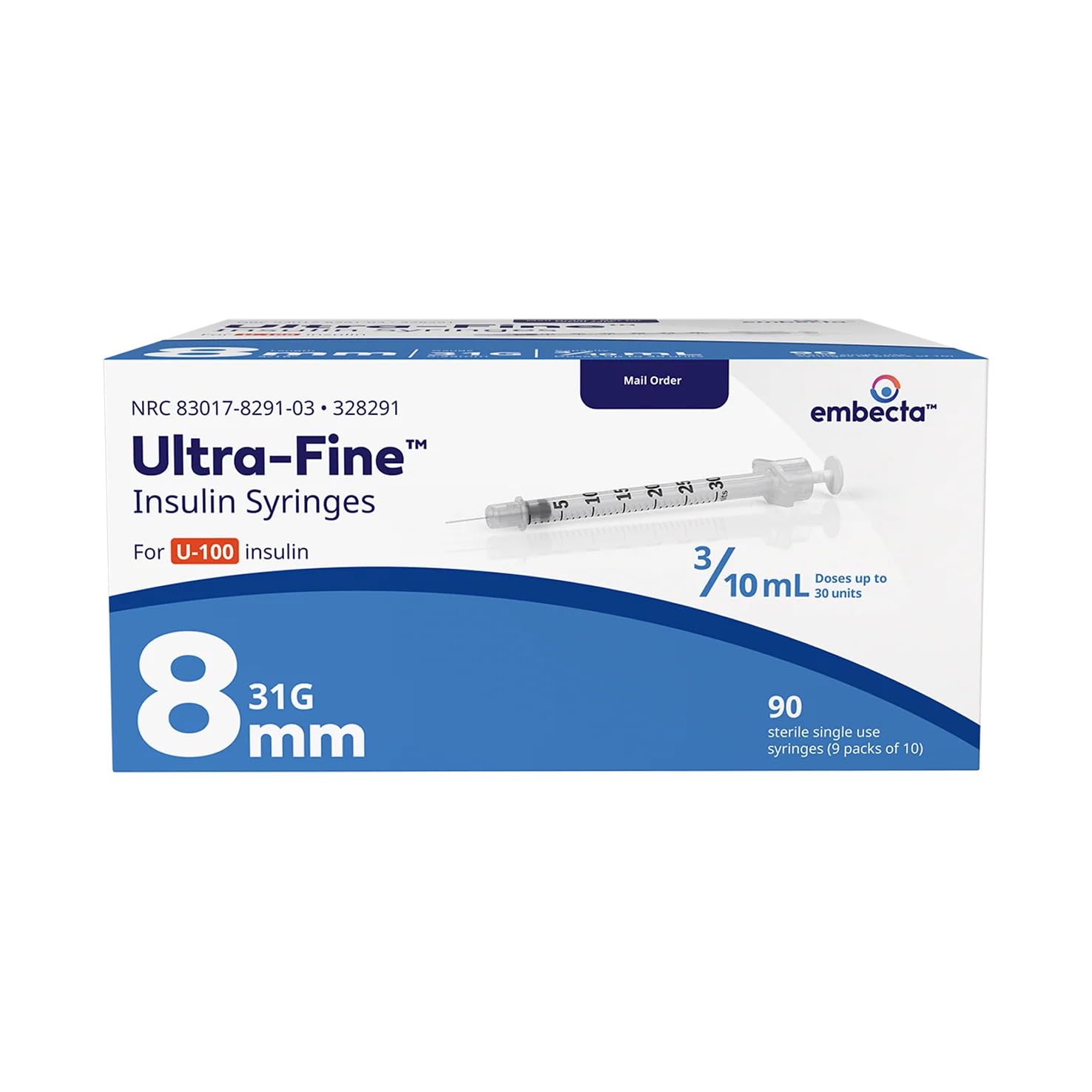
Community subcutaneous protocols describe doses around 125 mcg daily (see LL-37 Dosing Guide). LL-37 is a fragile peptide; vial quality, reconstitution technique, and storage have outsized effects on what users describe. Forum reports of "no response" frequently trace to vial quality issues confirmed by switching vendors.
Stack with Other Protocols
LL-37 is often run alongside other immune peptides (Thymosin Alpha-1, KPV) or alongside conventional antimicrobials, environmental remediation, and gut protocols. Community reports of fast response are often in users running comprehensive multi-pronged protocols. Isolating LL-37's specific contribution in those reports is difficult.
Autoimmune Context
LL-37 expression is associated with psoriasis and rosacea pathogenesis (Morizane et al., 2012). Community reports in users with these conditions are mixed — some describe worsening, others describe improvement. The peptide is described in forum discussions as warranting extra caution in autoimmune contexts.
Individual Receptor and Genetic Variability
Endogenous cathelicidin expression varies between individuals based on baseline immune status, vitamin D receptor genetics, and infection history. There is no commercial test for individual LL-37 responsiveness. Pharmacogenomic variability is one plausible explanation for the wide spread in community reports, but it remains an inference rather than a confirmed mechanism.
Honesty about the evidence base matters here. LL-37 is widely discussed in chronic-infection, biofilm, mold-illness, post-viral, and immune-dysfunction communities. Not all of those discussions are anchored to published evidence.
Where community reports and published research align:
- Topical wound healing acceleration in chronic ulcers (RCT-supported in diabetic foot ulcer and venous leg ulcer contexts).
- In vitro anti-biofilm activity (Overhage et al., Memariani et al. reviews).
- Vitamin D — LL-37 axis (Liu et al. mechanism work).
- Direction of effect in chronic rhinosinusitis epithelial defense (Ooi et al. explant work).
Where community reports outrun the published evidence:
- LL-37 as a stand-alone treatment for chronic Lyme or biofilm-driven infections without addressing the underlying drivers. Mechanistic plausibility exists; controlled human evidence does not.
- LL-37 for post-viral or post-COVID immune dysfunction. There is no published controlled subcutaneous data for these indications.
- LL-37 for "general immune support" in healthy users without documented infection or inflammation. No published evidence supports this use.
- LL-37 as a generic anti-aging peptide. The endogenous role of LL-37 in immune defense does not translate to anti-aging claims in any published evidence.
- LL-37 timelines transferred from topical RCT data to subcutaneous community use. The two evidence bases are not interchangeable.
What LL-37 Does NOT Typically Do
Equally important — what the timeline does not promise, regardless of how long the protocol runs:
- It does not produce stimulant-like effects. There is no acute "felt" experience comparable to GHRPs or stimulant compounds. Users expecting a noticeable lift within hours often abandon the protocol prematurely.
- It does not replace addressing underlying drivers. If a chronic infection, environmental exposure, or biofilm reservoir is driving symptoms, LL-37 alone is rarely described in community discussions as resolving the picture.
- It does not have published timeline data for subcutaneous use. All subcutaneous timelines described in this article are community-derived. The strongest controlled human evidence is topical and indication-specific.
- It does not have controlled CIRS-specific data. Despite community use in CIRS-adjacent protocols, the published CIRS literature is more concentrated on VIP than LL-37.
- It does not have published cognitive enhancement data in healthy users. The endogenous immune role of LL-37 does not translate to published cognitive enhancement findings.
- It does not work uniformly across the community. Wide variability in reported outcomes is the norm, not the exception. Anyone presenting LL-37 as predictably effective for any non-topical indication is overstating the data.
Patterns that frequently precede non-response or worsening, based on forum reports and published clinical commentary:
- Severely deficient vitamin D status not addressed before or during the protocol.
- Vial quality issues — degraded peptide, improper reconstitution, or poor cold-chain handling.
- Unaddressed underlying drivers — chronic infection, environmental mold exposure, ongoing biofilm reservoir.
- Wrong route for the indication — running subcutaneous LL-37 for a wound-healing context where topical data is the strongest evidence base.
- Severely elevated baseline inflammation with no concurrent supportive protocol.
- Pre-existing autoimmune skin conditions (psoriasis, rosacea) where LL-37 is associated with the pathogenesis.
- Fundamental expectation mismatch — expecting acute, dramatic, or stimulant-like effects from a slow-acting immune-modulating peptide.
In all these cases, community discussions favor revisiting underlying drivers and adjacent factors rather than escalating the dose.