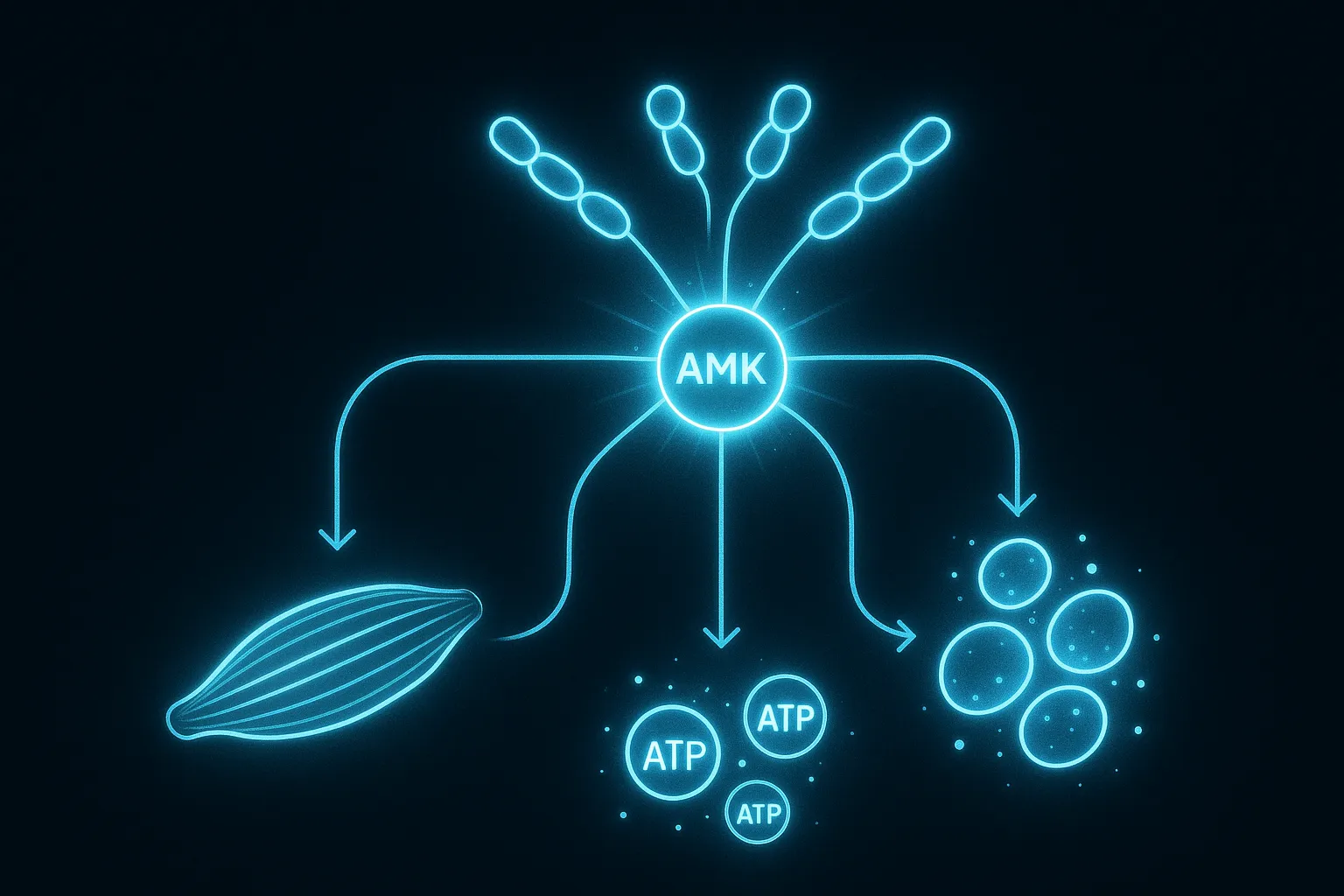
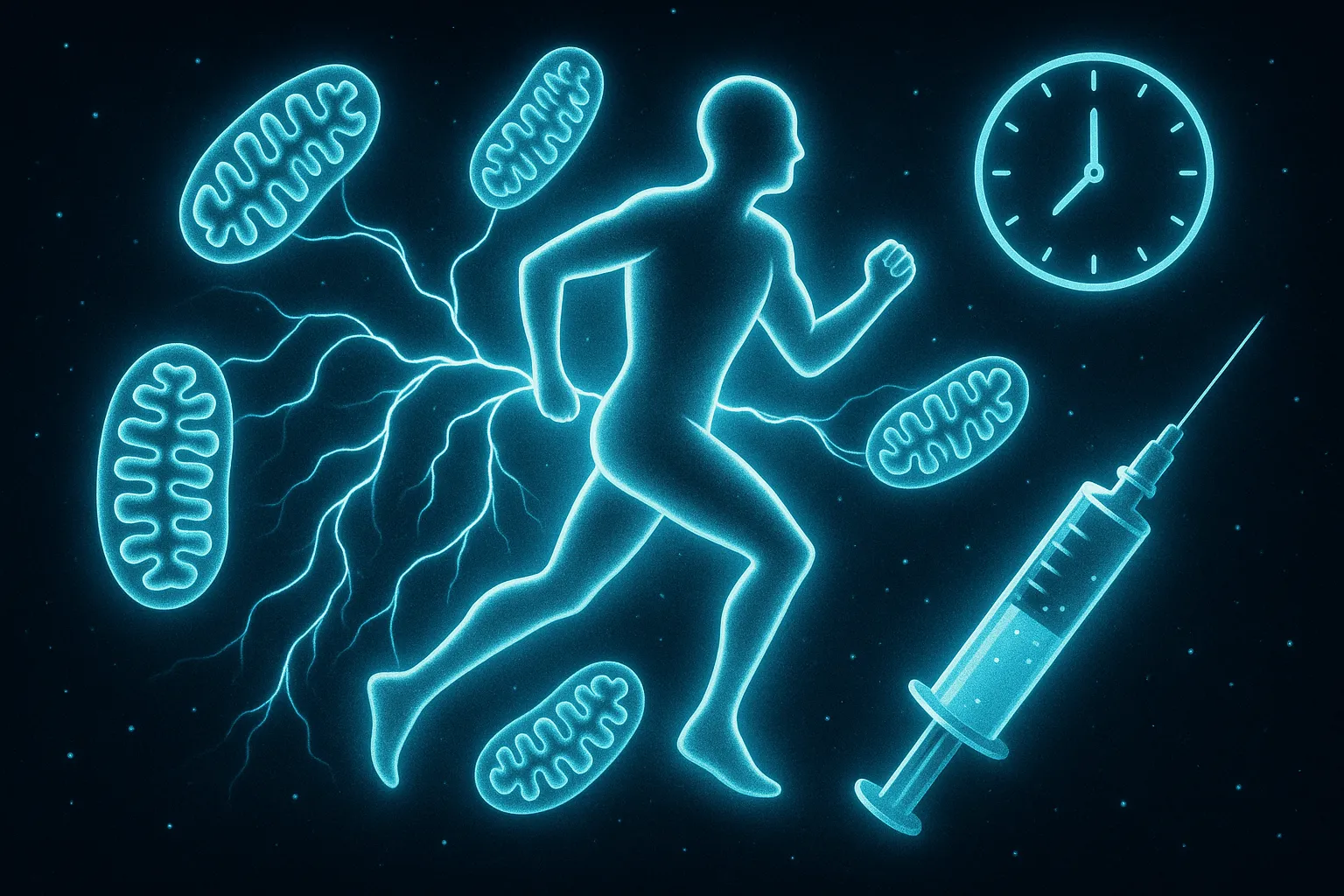
MOTS-c is a 16-amino-acid mitochondrial-derived peptide; published research documents it activating AMPK and enhancing glucose metabolism, insulin sensitivity, and fatty acid oxidation (Lee et al., 2015). It's frequently described as an "exercise mimetic" — though it complements exercise rather than replacing it.
Research-context information only.MOTS-c is a research peptide. Protocols, doses, and reactions reported below come from published research and self-reported community sources. This article reports what has been documented, not what should be done. Consult a licensed physician for personal medical decisions.
No MOTS-c formulation is FDA-approved. All protocols below are derived from published research and community experience. This is not medical advice.
MOTS-c Dosing Table
Match your vial size below — reconstitution and dose math update automatically.
Reconstitute: add 2 mL of bacteriostatic water to the 10 mg vial. Resulting concentration: 5 mg/mL.
Dose
Syringe units
mL volume
Schedule
0.5 mg
10 units
0.1 mL
Daily SubQ (5-on/2-off)Starter
1 mg
20 units
0.2 mL
Daily SubQ (5-on/2-off)Standard
5 mg
100 units
1 mL
Daily SubQAdvanced (community)
0.5 mg10 units · 0.1 mL
Daily SubQ (5-on/2-off)
Starter
1 mg20 units · 0.2 mL
Daily SubQ (5-on/2-off)
Standard
5 mg100 units · 1 mL
Daily SubQ
Advanced (community)
Math assumes U-100 insulin syringes (1 mL = 100 units). Verify your syringe matches before injecting. Round half-units to the nearest visible mark.
Reconstitute: add 2 mL of bacteriostatic water to the 20 mg vial. Resulting concentration: 10 mg/mL.
Dose
Syringe units
mL volume
Schedule
1 mg
10 units
0.1 mL
Daily SubQ (5-on/2-off)Standard
2 mg
20 units
0.2 mL
Daily SubQ
5 mg
50 units
0.5 mL
Daily SubQAdvanced
1 mg10 units · 0.1 mL
Daily SubQ (5-on/2-off)
Standard
2 mg20 units · 0.2 mL
Daily SubQ
5 mg50 units · 0.5 mL
Daily SubQ
Advanced
Math assumes U-100 insulin syringes (1 mL = 100 units). Verify your syringe matches before injecting. Round half-units to the nearest visible mark.
The standard community-reported cycle is 1 mg daily (5 on / 2 off) for 8 weeks, then 8 weeks off. The proposed rationale is AMPK-mTOR balance — chronic AMPK activation can suppress mTOR-mediated protein synthesis, so cycling allows the body to alternate between metabolic optimization (AMPK-dominant) and growth/repair (mTOR-dominant) phases.
Community sources describe morning dosing as aligning with natural metabolic rhythms and complementing exercise — Lai et al. (2021) showed that exercise itself induces endogenous MOTS-c expression, and intermittent dosing (3x/week) was sufficient to improve physical capacity in aged mice (Lai et al., 2021).
Enhanced Metabolic Protocol (Community)
Community protocols targeting metabolic improvement or body composition describe higher doses based on the original animal research:
Community-described phase
Dose
Frequency
Duration
Assessment
5 mg SC
3x/week
1-2 weeks
Active
5 mg SC
5x/week
6-8 weeks
Maintenance
5 mg SC
3x/week
4-8 weeks
5 mg is derived from animal studies using 5 mg/kg IP (which does not translate linearly to humans). Community protocols describe combining it with structured exercise and tracking fasting insulin, HOMA-IR, lipid panel, and body composition.
MOTS-c Dosage Per Week: Reported Totals
Protocols are usually quoted per injection, but the weekly total is what determines vial consumption and cycle cost. Here is how the documented protocols add up per week:
Protocol
Per-dose
Frequency
Weekly total
Standard
1 mg
5 days on / 2 days off
5 mg/week
Enhanced — assessment
5 mg
3x/week
15 mg/week
Enhanced — active
5 mg
5x/week
25 mg/week
Enhanced — maintenance
5 mg
3x/week
15 mg/week
At the standard 5 mg/week total, a 10 mg vial covers two weeks and a 40 mg vial covers eight weeks — a full standard cycle. On the enhanced active phase (25 mg/week), a 40 mg vial lasts about 11 days, which is why community sources running higher weekly totals describe buying 40 mg vials rather than stacking 10 mg vials.
Routes of Administration
Subcutaneous injection is the standard route — abdomen, thigh, or love handles. Protocols describe a 29-31 gauge insulin syringe. Volume is typically 0.2 mL for the standard 1 mg dose.
No oral route — MOTS-c is a peptide that would be destroyed by digestive enzymes.
Bac Water Made for Peptides
Don't risk a $300 peptide on generic bac water.
Most cloudy reconstitutions trace back to one thing — and it isn't the peptide. Sterile, non-pyrogenic, 0.9% benzyl alcohol — formulated for peptide reconstitution, not repackaged from generic stock.
✓ 0.9% benzyl alcohol✓ Made for peptides✓ 30 mL multi-dose
The figures below reflect dilution math as described in community reconstitution resources, not a recommended schedule.
Vial
BAC Water
Concentration
1 mg Dose
5 mg Dose
10 mg
2 mL
5 mg/mL
20 units (0.2 mL)
100 units (1.0 mL)
40 mg
2 mL
20 mg/mL
5 units (0.05 mL)
25 units (0.25 mL)
Math: Protocols describe the arithmetic as: 10 mg / 2 mL = 5 mg/mL = 5,000 mcg/mL. For 1 mg: 1 / 5 = 0.2 mL = 20 units. For a 40 mg vial with 2 mL: 40 / 2 = 20 mg/mL, so a 5 mg dose is 25 units (0.25 mL).
Protocols describe swirling gently rather than shaking, refrigerating after mixing, and using within 28 days. Store unreconstituted vials at -20 C. For step-by-step instructions, see the full MOTS-c Reconstitution Guide.
Affiliate disclosure: vendor links in this article are affiliate links — The Peptide Catalog may earn a commission if you buy through them, at no additional cost to you.
Where These Numbers Come From
MOTS-c was first identified by Changhan Lee and colleagues in 2015 as a mitochondrial-encoded signaling peptide (Lee et al., 2015). The key findings driving current protocols:
AMPK activation mechanism: MOTS-c targets the methionine-folate cycle, raising cellular AICAR concentrations that activate AMPK. Under metabolic stress, MOTS-c translocates from the cytoplasm to the nucleus to regulate adaptive gene expression (Kim et al., 2018).
Late-life efficacy: MOTS-c treatment initiated at the mouse equivalent of ~70 human years improved physical capacity and healthspan with intermittent dosing (3x/week) (Lai et al., 2021).
Exercise mimetic context: MOTS-c activates overlapping pathways with exercise (AMPK, glucose uptake, fat oxidation) but does not replicate cardiovascular adaptation, bone loading, or neuromuscular development. It's best understood as a metabolic supplement to exercise, not a replacement.
Stacking Protocols
Community sources describe the following combinations; no published trials evaluate them.
MOTS-c and SS-31 work through completely different mechanisms — MOTS-c signals via AMPK while SS-31 physically stabilizes cardiolipin. See our SS-31 vs MOTS-c comparison for a detailed breakdown.
Side Effects & Safety
Injection site reactions — redness, mild pain, or swelling (more common with larger volumes)
Transient hypoglycemia-like symptoms — light-headedness or hunger reported when dosed fasted, reflecting glucose-lowering activity
Mild GI discomfort — nausea or stomach upset, typically first few days only
Mild flushing or warmth — occasional, transient
AMPK-mTOR trade-off — chronic AMPK activation may suppress muscle protein synthesis (rationale for cycling)
Drug interaction: metformin — both activate AMPK; additive glucose-lowering possible, and community protocols describe tracking blood glucose in this scenario.
Populations excluded from published trials: Type 1 diabetes subjects were excluded from MOTS-c research protocols (unpredictable glucose variability); no safety data exist for pregnant or breastfeeding subjects. Community sources describe heightened monitoring in both scenarios.
mg to Units Conversion
On a standard 100-unit insulin syringe, each "unit" equals 0.01 mL (so 100 units = 1 mL). Once MOTS-c is reconstituted, the conversion from a target dose to syringe units depends on the chosen dilution.
The two reconstitution ratios most often described in community protocols are below.
Reconstitution A: 10 mg vial + 2 mL BAC water (5 mg/mL) — the standard dilution from the Quick Reference above.
Dose (mg)
Volume (mL)
Units (insulin syringe)
0.5 mg
0.1 mL
10 units
1 mg
0.2 mL
20 units
1.5 mg
0.3 mL
30 units
2 mg
0.4 mL
40 units
Reconstitution B: 10 mg vial + 1 mL BAC water (10 mg/mL) — less BAC water for a lower total volume, so smaller draws and less fridge space.
Dose (mg)
Volume (mL)
Units (insulin syringe)
0.5 mg
0.05 mL
5 units
1 mg
0.1 mL
10 units
1.5 mg
0.15 mL
15 units
2 mg
0.2 mL
20 units
These conversions reflect the dilutions documented in community reconstitution protocols. They report how the math is described, not a recommended dosing schedule.
Core Supplies for This Protocol
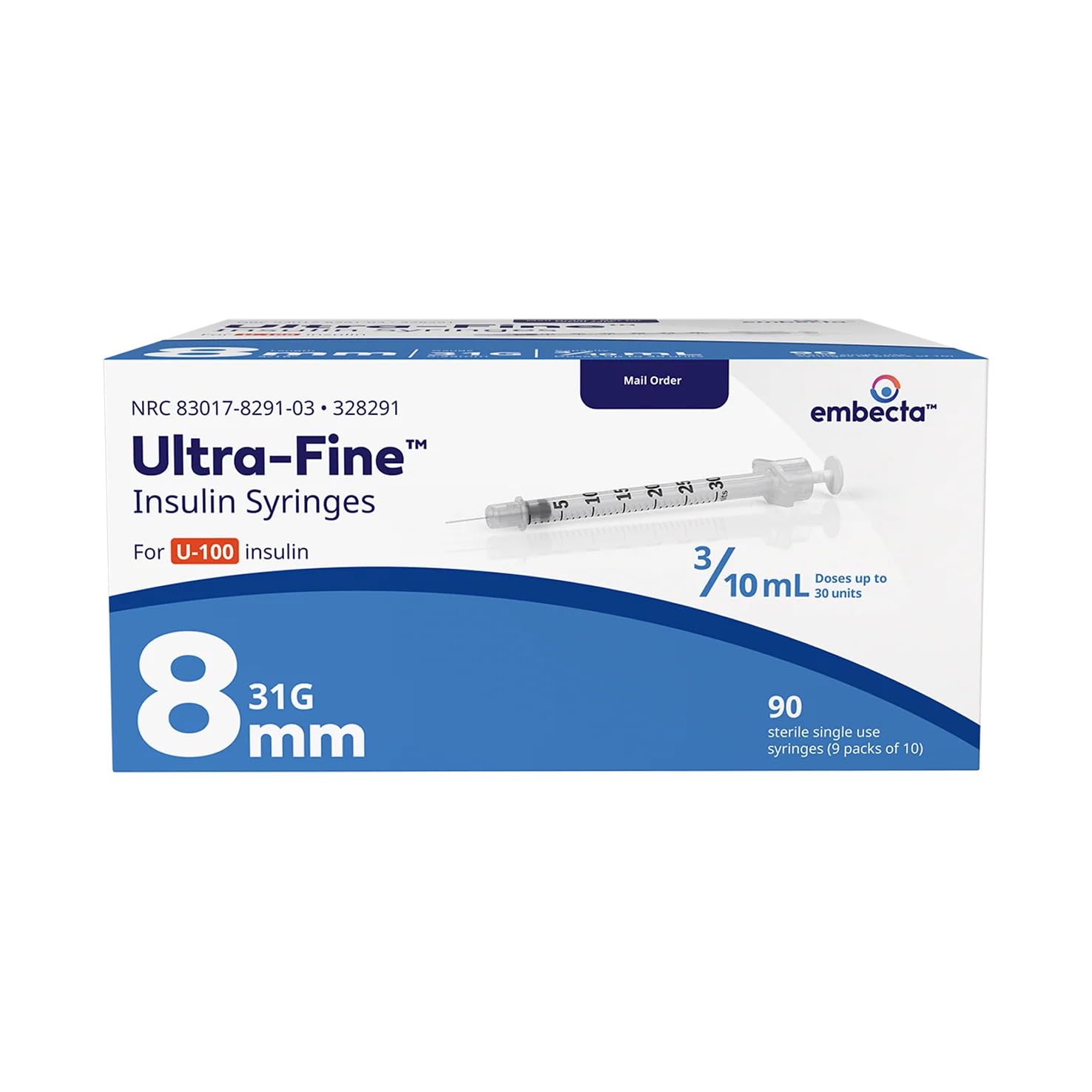
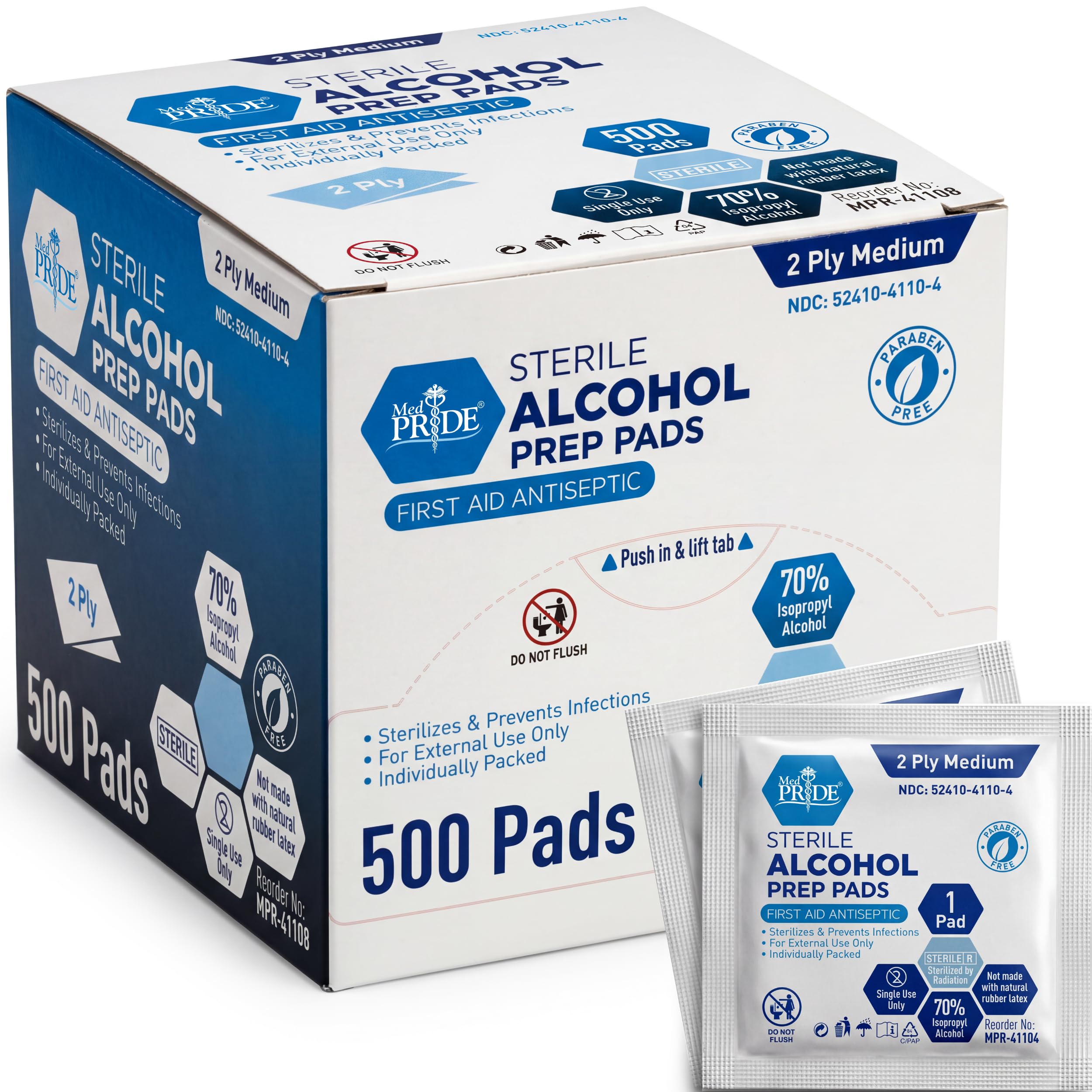
The essentials for running any reconstituted injectable: cold storage, accurate syringes, alcohol prep pads, and metabolic tracking.
What doses do clinical trials and community protocols report for MOTS-c?
Community and research protocols commonly describe 1 mg subcutaneously, taken in the morning, on a 5-days-on / 2-days-off schedule for 8-week cycles. In those protocols, a 10 mg vial reconstituted with 2 mL BAC water yields 5 mg/mL; a 1 mg dose corresponds to 20 units on an insulin syringe.
How many mg of MOTS-c per week do protocols describe?
The standard community protocol totals 5 mg per week (1 mg on a 5-days-on / 2-days-off schedule). Enhanced metabolic protocols report 15 mg per week (5 mg 3x/week) up to 25 mg per week (5 mg 5x/week). At the standard weekly total, a 10 mg vial covers two weeks; a 40 mg vial covers eight weeks.
Why is morning dosing described for MOTS-c?
MOTS-c activates AMPK and enhances glucose uptake in preclinical research. Community sources describe morning dosing as aligning with morning metabolic activity and the period when physical activity typically occurs, complementing MOTS-c's reported exercise-mimetic properties.
How is MOTS-c reconstituted?
Protocols describe adding 2 mL of bacteriostatic water to a 10 mg vial. Concentration is 5 mg/mL. In those protocols, a 1 mg dose corresponds to 20 units on an insulin syringe. Refrigerated storage, used within 28 days, is the documented approach.
What cycle lengths do community protocols and published research describe for MOTS-c?
Community protocols typically describe 8 weeks on, 8 weeks off. Published research attributes the rationale to AMPK-mTOR balance — chronic AMPK activation can suppress mTOR-mediated protein synthesis, so cycling allows alternating metabolic-optimization and growth-repair phases.
Can MOTS-c replace exercise?
No. While MOTS-c activates similar metabolic pathways (AMPK, glucose uptake, fat oxidation), it does not replicate cardiovascular adaptation, neuromuscular development, bone loading, or the psychological benefits of exercise. Preclinical research describes overlapping pathways, and community sources describe the two as synergistic.
How does MOTS-c compare to SS-31?
They target mitochondria through completely different mechanisms. MOTS-c activates AMPK and regulates metabolism systemically. SS-31 binds cardiolipin in the inner mitochondrial membrane to stabilize electron transport. See our SS-31 vs MOTS-c comparison for details.
For educational and research purposes only. This is not medical advice. MOTS-c is sold for research purposes only and is not FDA-approved for any indication.