
The retatrutide + cagrilintide stack is the most aggressive metabolic peptide pairing community sources currently describe. The case for stacking them rests on a single observation: the four receptor systems involved — GLP-1, GIP, glucagon, and amylin — are all non-overlapping. Each compound targets receptors the other does not.
Research-context information only. Retatrutide and cagrilintide are both investigational drugs not approved by the FDA. The benefits described below come from per-compound trials and the closest-analog cagrilintide+semaglutide trials. No clinical trial has tested the retatrutide+cagrilintide combination as of May 2026. This article reports what has been documented, not what should be expected. Consult a licensed physician for personal medical decisions.
Whether that translates into additive weight loss in humans is the open empirical question. The closest analog (cagrilintide + semaglutide) has Phase 3 data showing meaningful additive benefit over semaglutide alone. Retatrutide is a stronger incretin backbone than semaglutide, which makes the prediction less obvious — additive effects often shrink as the base compound's efficacy rises.
Mechanism: Four Pathways, One Stack
Each pathway maps to different receptors and partially distinct brain regions. This is why community references frame the stack as quad-pathway rather than redundant.
Pathway 1 — GLP-1 (Retatrutide)
GLP-1 receptor activation in the hypothalamus and nucleus of the solitary tract (NTS) drives appetite suppression and slowed gastric emptying. This is the dominant satiety pathway shared with semaglutide and tirzepatide. Retatrutide's GLP-1 affinity is the floor of the stack — most of the early appetite suppression in the first 4-8 weeks is reportedly GLP-1-mediated.
Pathway 2 — GIP (Retatrutide)
GIP receptor activation contributes to insulin secretion and lipid handling. The combined GLP-1/GIP profile is what gives tirzepatide its edge over semaglutide; retatrutide carries the same axis. GIP is also implicated in nausea attenuation, which may be why GLP-1/GIP dual agonists like tirzepatide have a slightly better GI tolerability profile than pure GLP-1 agonists.
Pathway 3 — Glucagon (Retatrutide)
Glucagon receptor activation is what differentiates retatrutide from tirzepatide and semaglutide. Glucagon raises hepatic glucose output but also increases resting energy expenditure and lipolysis. This is the metabolic-rate component — community framing is that glucagon agonism is why retatrutide produces weight loss numbers no GLP-1/GIP-only compound has matched.
Pathway 4 — Amylin (Cagrilintide)
Amylin receptors (AMY1R, AMY3R — heterodimers of the calcitonin receptor with RAMP1/RAMP3) are activated primarily in the area postrema, with secondary action in the NTS (Lau et al., 2021). Amylin signaling produces satiety, slows gastric emptying through a distinct mechanism, and reduces postprandial glucagon. The area postrema is the key non-overlapping target — retatrutide does not appreciably engage it.
The result: GLP-1 and amylin both slow gastric emptying, but through different signaling. Both produce satiety, but in different brain regions. The combined effect is broader appetite-circuit coverage than retatrutide alone.
Per-Component Trial Evidence
Retatrutide
The Jastreboff et al. Phase 2 trial (NEJM 2023) randomized 338 adults with obesity to retatrutide doses from 1 mg to 12 mg/week. At the 12 mg dose at 48 weeks: -24.2% mean body weight versus -2.1% placebo. 100% of 12 mg participants achieved ≥5% weight loss; 83% achieved ≥15%.
The TRIUMPH-4 Phase 3 trial in obesity with knee osteoarthritis (Bays et al., NEJM 2025) reported 28.7% mean weight loss at 68 weeks at the 12 mg dose, plus a 75.8% reduction in WOMAC knee pain scores. The trial also identified a dose-related dysesthesia (nerve-tingling) signal in 8.8% of 9 mg and 20.9% of 12 mg patients — a safety signal that doesn't appear in the cagrilintide literature.
Retatrutide's Phase 2a in MASH/MASLD (Sanyal et al., Nat Med 2024) reported approximately 86% relative reduction in liver fat content at 12 mg/week — the strongest hepatic-fat data among the incretin class.
Cagrilintide
The Lau et al. Phase 2 dose-finding trial (Lancet 2021) tested cagrilintide 0.3 mg through 4.5 mg/week against placebo and against liraglutide 3.0 mg. The 4.5 mg dose produced 10.8% mean weight loss at 26 weeks; liraglutide produced 9.0% in the same trial. Clear dose-response from 0.3 mg to 4.5 mg.
Cagrilintide also has one of the lowest GI odds ratios among the incretin and amylin compound class in a 2025 Bayesian network meta-analysis of multi-target obesity therapies — the relevance for the stack is that adding cagrilintide to retatrutide may not compound GI burden as severely as adding a second GLP-1 agonist would.
Closest Analog: Cagrilintide + Semaglutide
REDEFINE 1 (Garvey et al., NEJM 2025) is the only Phase 3 trial of an amylin + incretin co-administered combination in adults without diabetes. 3,417 adults randomized to cagrilintide 2.4 mg + semaglutide 2.4 mg, cagrilintide alone, semaglutide alone, or placebo for 68 weeks.
| Arm | Mean weight loss at 68 weeks |
|---|---|
| Cagrilintide + semaglutide (combo) | 22.7% |
| Semaglutide 2.4 mg | 16.1% |
| Cagrilintide 2.4 mg | 11.8% |
| Placebo | 2.3% |
The 6.6 percentage-point gain from adding cagrilintide to semaglutide is the cleanest existing read on what amylin layering buys you on top of an incretin agonist. The Frias et al. Phase 2 trial in type 2 diabetes (Lancet 2023) showed similar additive benefit for the combination.
`Ready to buy? Compare verified vendors on our best retatrutide-cagrilintide-stack sources page, or browse all coupon codes for up to 50% off.
`Reported Stack Outcomes (Inference, Not Trial Data)
The reta+cagri combination has zero published trial data. Community-reported outcomes and benefit framing are inference from per-component data. Treat the following as community-derived hypotheses, not validated outcomes:
Hypothesis 1 — Plateau breaking past retatrutide monotherapy
Community framing is that adding cagrilintide engages a receptor system retatrutide does not target, which could theoretically extend weight loss past a retatrutide-monotherapy plateau. Whether the additive gain seen with cagri+sema (6.6 percentage points) replicates against the stronger retatrutide backbone is the open empirical question.
Hypothesis 2 — Smoother appetite curve
GLP-1 satiety and amylin satiety are partially out-of-phase — amylin signaling is more meal-bound (postprandial), GLP-1 satiety is more sustained. Community references describe a smoother subjective appetite curve on the stack than on retatrutide alone, with less return-of-hunger between meals. No trial has formally measured this.
Hypothesis 3 — Glycemic control beyond retatrutide alone
Cagrilintide adds postprandial glucagon suppression — a mechanism retatrutide does not engage. The Frias 2023 Phase 2 in T2D showed cagrilintide+semaglutide produced a -2.2 percentage-point HbA1c reduction at 32 weeks versus -1.8 for semaglutide alone. Whether retatrutide's existing glucagon-receptor activation makes this additive or redundant is unstudied.
Hypothesis 4 — Body composition
Retatrutide's glucagon-receptor activation drives some of its weight loss through increased energy expenditure, which is mechanistically associated with sparing more lean mass than pure-satiety pathways. Whether adding cagrilintide preserves more lean mass than retatrutide alone — or whether the added satiety drives more lean-mass loss by reducing protein intake further — is unknown.
Tradeoffs
The stack is not strictly upside. Community-reported tradeoffs:
- Combined GI burden during titration. Both compounds slow gastric emptying. The titration ramp for cagrilintide takes 16 weeks even at the conservative cadence, which extends the side-effect runway.
- Two compounds to source, two batches to verify. Pre-mixed vials reduce this but lock the dose ratio.
- No published safety data for the combination. Retatrutide's dysesthesia signal at high doses is a per-compound safety question; cagrilintide does not appear to share it. Whether the combination changes the risk profile is unstudied.
- Cost. Two research compounds at maintenance dose is roughly double the per-week cost of either alone, before any volume-discount blend pricing.
Stack vs Components Alone — When Each Approach Makes Sense
| Goal | What community sources describe |
|---|---|
| Maximum weight loss, plateau-breaking | Stack — quad-pathway coverage |
| First incretin protocol | Retatrutide alone — establish baseline tolerance and response before layering |
| GI-tolerability concerns | Cagrilintide alone or paired with semaglutide rather than retatrutide — both have lower trial-reported GI burden |
| Already at goal weight, maintenance | Retatrutide alone or step-down protocols — the stack is rarely framed as a maintenance tool |
| Glycemic control with weight loss | Stack or cagrilintide+semaglutide — both engage glucagon-modulation pathways |

Research Supplies for Retatrutide Cagrilintide Stack
Hand-picked storage, injection, and recovery supplies paired with Retatrutide Cagrilintide Stack protocols.

Cooluli Classic 4L Mini Fridge
Cold-chain storage for reconstituted this stack through the multi-dose window.
View on Amazon →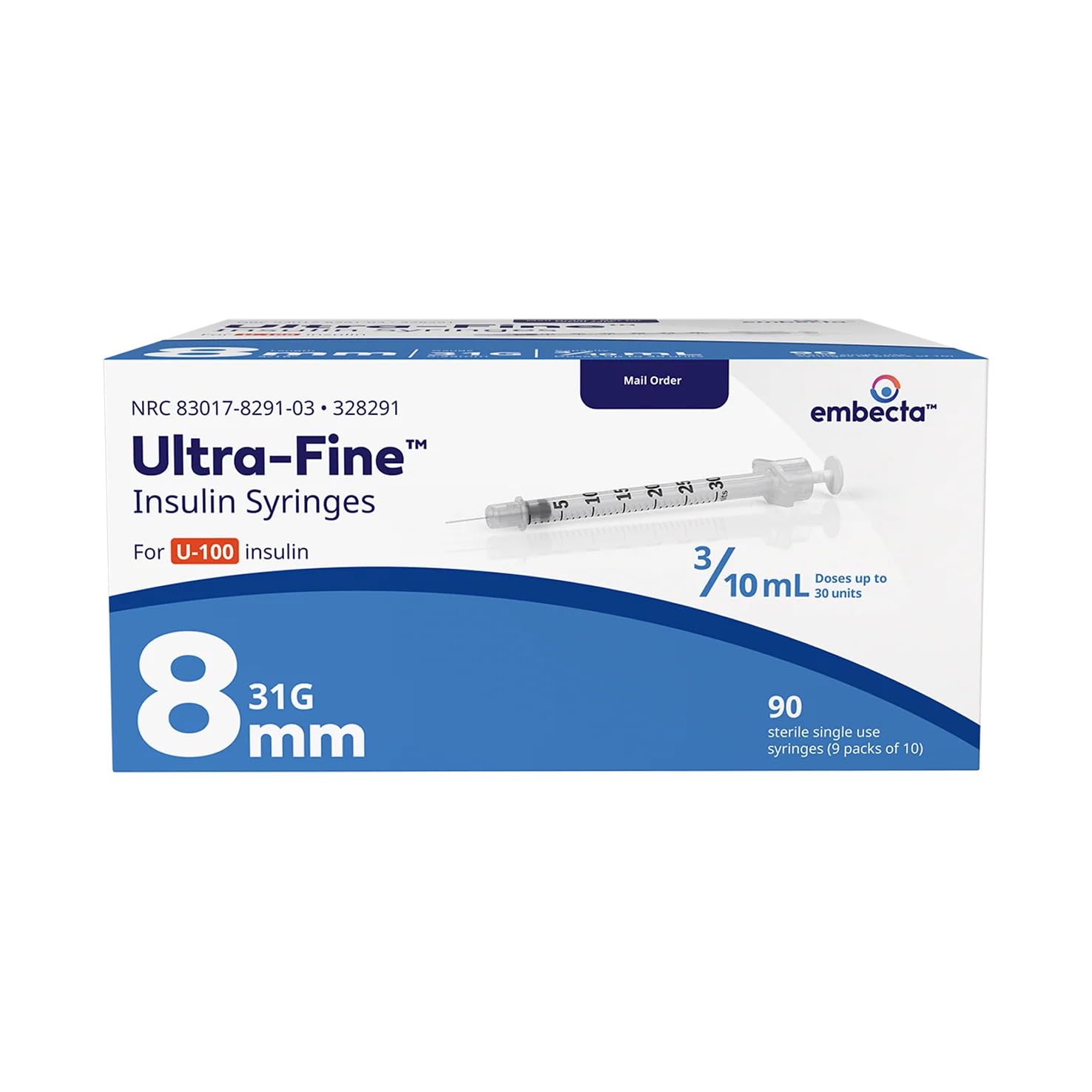
BD Ultra-Fine 31G 0.3cc 5/16" Insulin Syringes (Box of 90)
BD Ultra-Fine 31G 0.3cc insulin syringes — each gradation marks 1 unit, for accurate sub-50-unit this stack doses.
View on Amazon →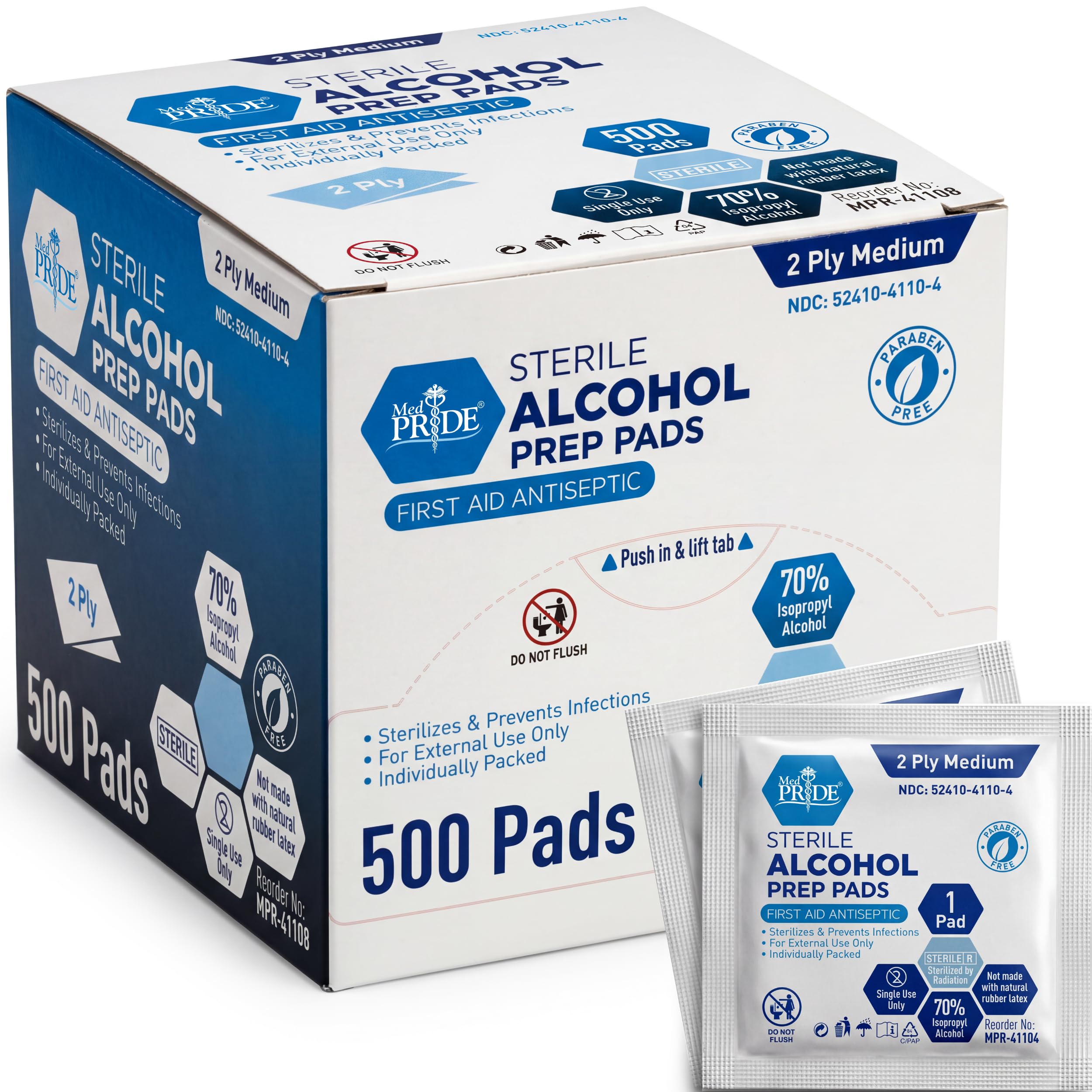
Med-Pride Alcohol Prep Pads — Medical-Grade, Individually Wrapped
70% isopropyl alcohol prep pads, individually wrapped — for cleaning the vial stopper and injection site before this stack dosing.
View on Amazon →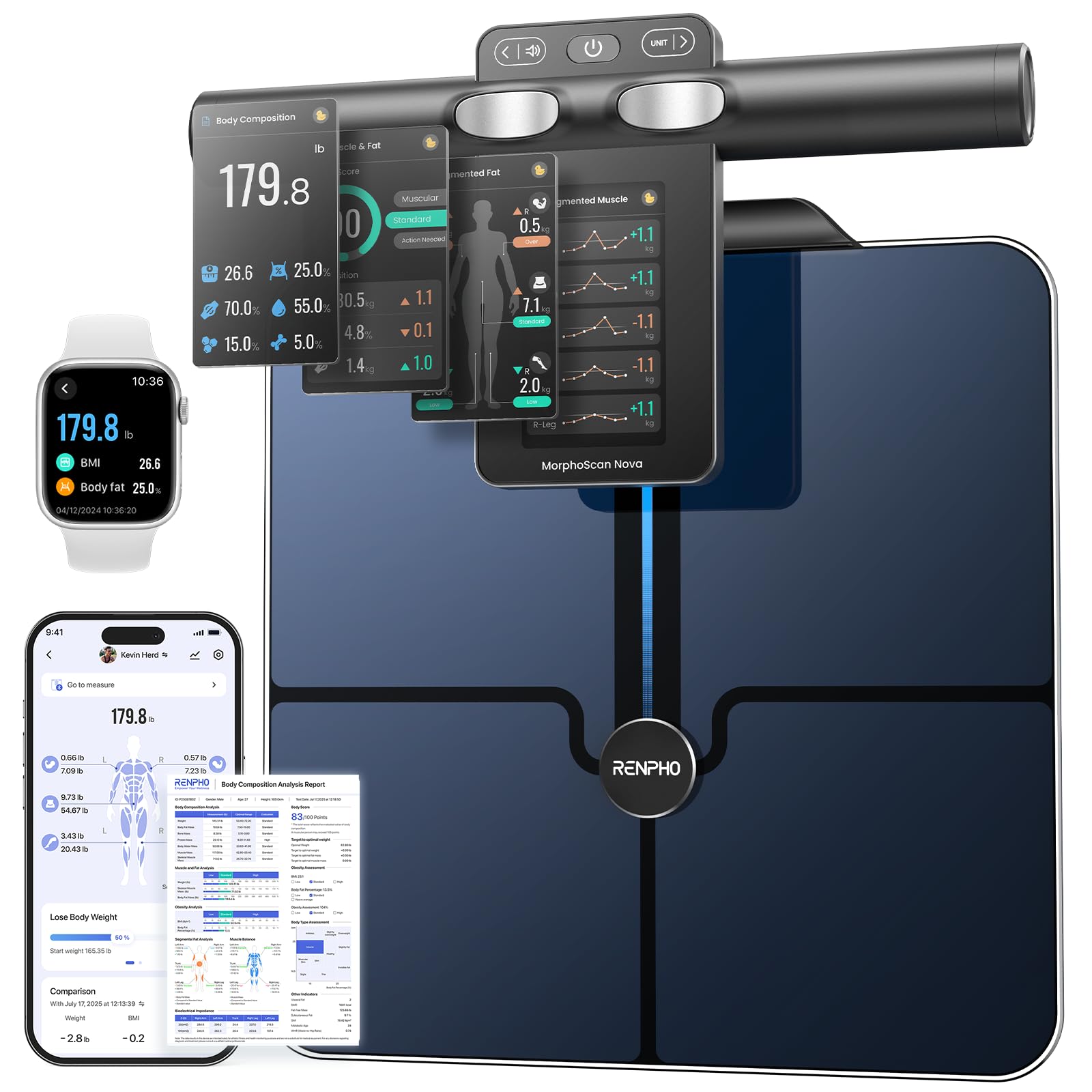
Renpho 8-Electrode Smart Body Composition Scale
Tracks weight, body fat %, and lean-mass shifts — the metrics that surface during GLP-1 research protocols.
View on Amazon →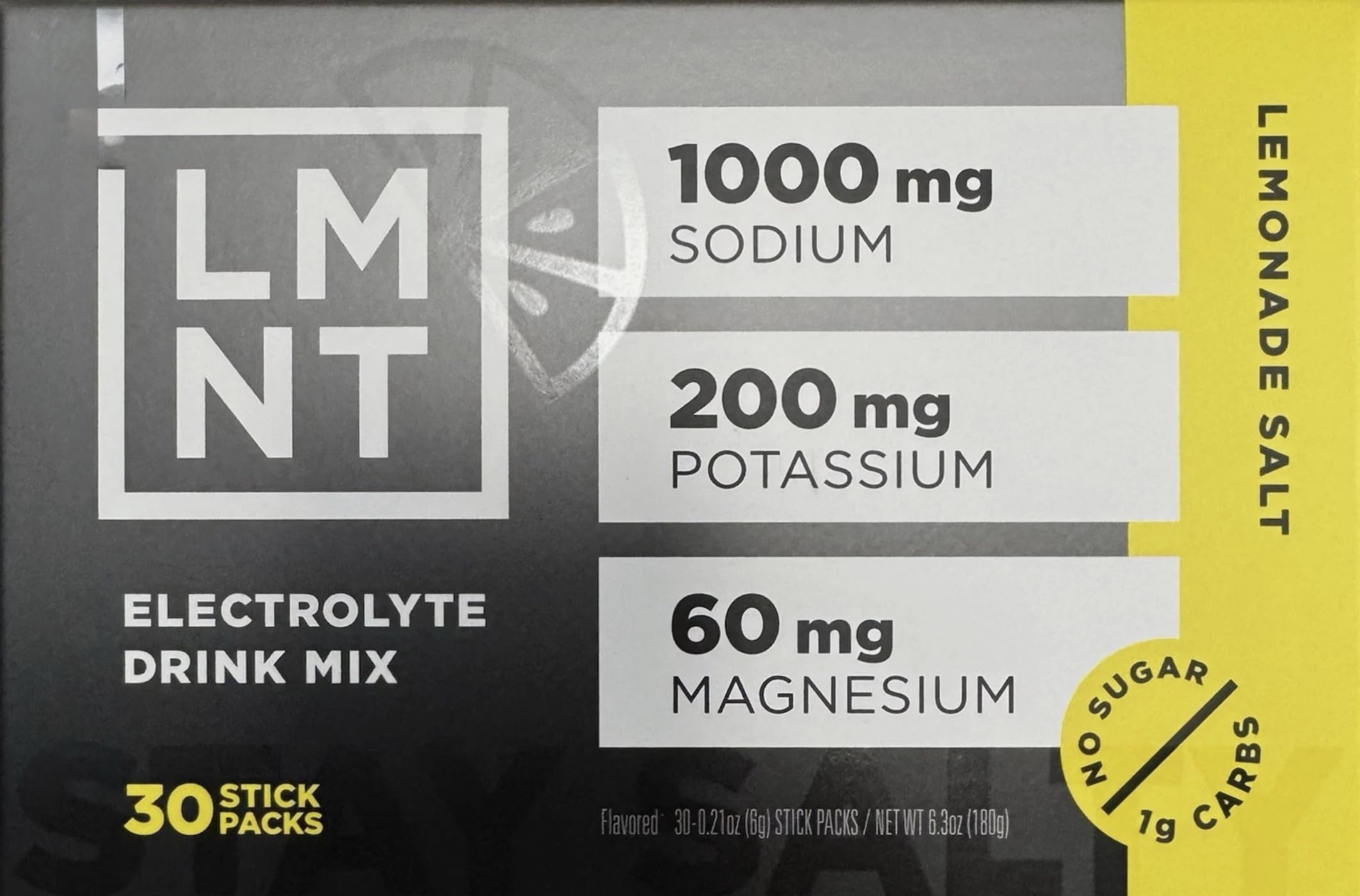
LMNT Recharge Electrolyte Drink Mix
Electrolyte mix paired with GLP-1 protocols where appetite suppression reduces fluid + sodium intake.
View on Amazon →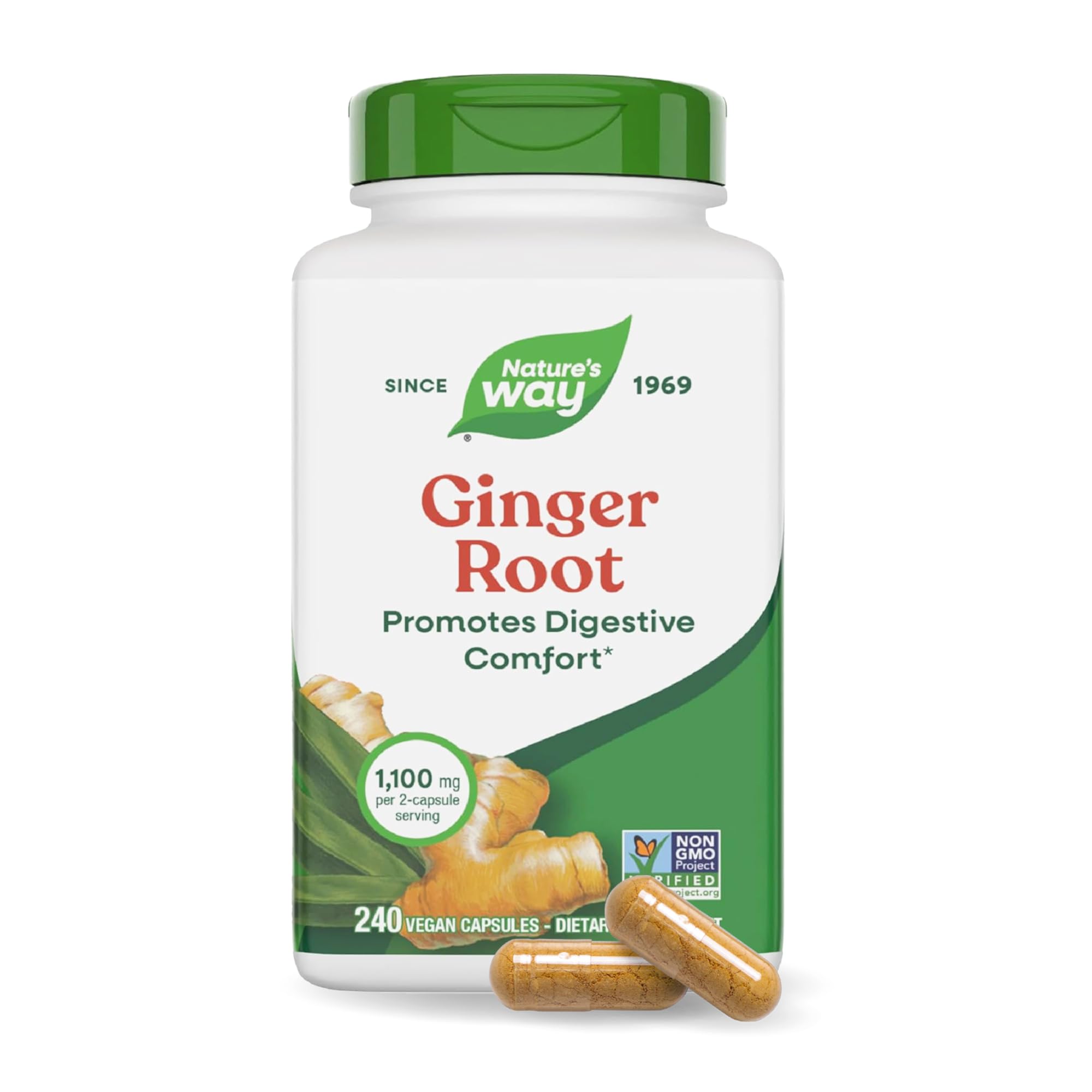
Nature's Way Ginger Root Capsules
Ginger capsules — the most-documented non-prescription option community sources cite for GLP-1 nausea during titration.
View on Amazon →As an Amazon Associate, The Peptide Catalog earns from qualifying purchases.
Full catalog →