Dosing Guide··9 min read

Tesamorelin + Ipamorelin (Tesa/Ipa) Blend Dosage

Tesa/Ipa pairs tesamorelin, a GHRH analog, with ipamorelin, a ghrelin-receptor agonist. What each does, how they differ, and the 10mg/3mg doses reported.

Tesamorelin + Ipamorelin Blend: 1mg/300mcg Stack Dosing

Tesamorelin + ipamorelin, sold as "Tesa/Ipa," is a two-peptide blend that pairs a GHRH analog with a selective ghrelin-receptor agonist: two separate signals that both trigger growth-hormone release. Tesamorelin is a synthetic analog of growth-hormone-releasing hormone (GHRH) with the strongest human evidence for reducing visceral fat — about 15% reductions in HIV-associated lipodystrophy trials (Falutz et al., NEJM 2007). Ipamorelin is a selective ghrelin receptor agonist that, in animal studies, raised GH without the cortisol or prolactin rises seen with older GHRPs (Raun et al., 1998). The case for combining the two classes rests on older work: GHRH given with the original hexapeptide GHRP released GH synergistically in healthy men (Bowers et al., JCEM 1990). No published trial has tested tesamorelin and ipamorelin together; the evidence comes from each peptide separately. The blend is most commonly sold as 10mg tesamorelin + 3mg ipamorelin in a single vial; some vendors list other splits, such as 13mg/3mg, so the label and COA show the actual ratio. This is not medical advice.

Research-context information only. Tesamorelin is the active ingredient in FDA-approved products for HIV-associated lipodystrophy; research-peptide and compounded forms are not FDA-approved and are sold for research purposes only. Protocols, doses, and reactions reported below come from clinical trials and community sources. This article reports what has been documented, not what should be done. Consult a licensed physician for personal medical decisions.

Tesamorelin vs Ipamorelin: How the Two Differ

The two peptides in a Tesa/Ipa vial reach the same end point, growth-hormone release from the pituitary, through different receptors. That difference is the whole reason they are sold together.

Tesamorelin Ipamorelin
Class / mechanism GHRH analog: stimulates synthesis and release of endogenous GH (Dhillon 2011) Ghrelin-mimetic (GHRP-class) secretagogue: triggers a separate GH pulse
Receptor GHRH receptor GH secretagogue receptor (GHS-R1a, the ghrelin receptor)
Half-life Short: given once daily subcutaneously in the Phase III trials (Falutz 2007) About 2 hours terminal half-life after IV infusion in healthy men (Gobburu 1999)
Research status Active ingredient in an FDA-approved product for HIV-associated abdominal fat; research-peptide forms are not approved No FDA approval; human data limited to early pharmacology studies
What it is studied for Visceral fat: a 15.2% reduction over 26 weeks vs a 5.0% rise on placebo in an HIV lipodystrophy RCT (Falutz 2007); liver fat in a later RCT (Stanley 2014) Selective GH release: in swine, no ACTH or cortisol rise even at doses far above its GH-releasing ED50 (Raun 1998)
How they are combined The GHRH half of the pair The GHRP half; GHRH + GHRP-class pairs released GH synergistically in a 1990 study of the original GHRP (Bowers 1990)

The pairing logic is class-level. The synergy data come from GHRH and an earlier GHRP, not from tesamorelin and ipamorelin specifically, and no trial has studied the two peptides in one vial.

Tesamorelin / Ipamorelin Blend Dosing Table

Match your vial size below — reconstitution and dose math update automatically.

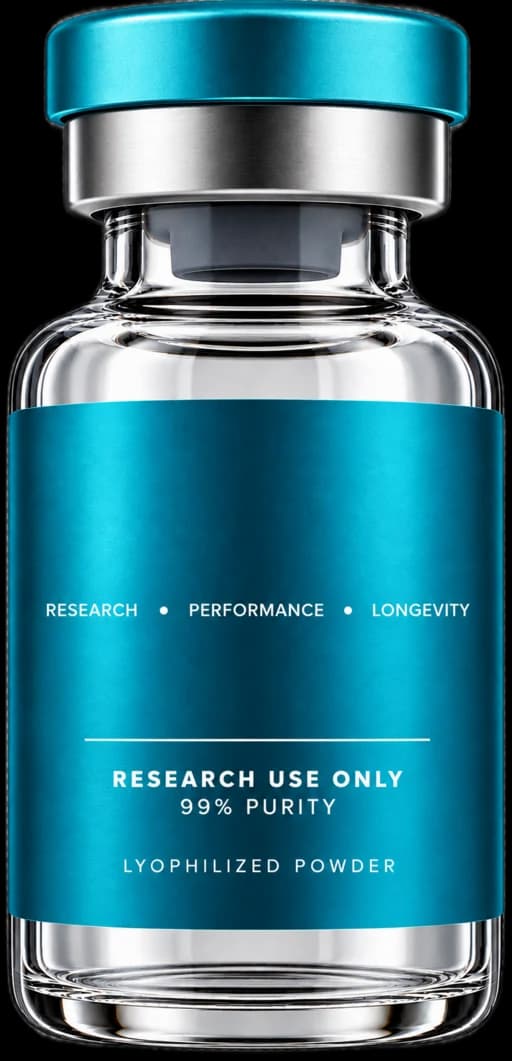
Reconstitute: add 2 mL of bacteriostatic water to the 13 mg vial. Resulting concentration: 6.5 mg/mL.

Vials are labeled "10/3" — 10 mg tesamorelin + 3 mg ipamorelin (13 mg total). Doses below are split at that same 10:3 ratio.

0.5 mg + 150 mcg10 units · 0.1 mL
Daily PM SubQ
Lower
1 mg + 300 mcg20 units · 0.2 mL
Daily PM SubQ (5-on/2-off)
Standard

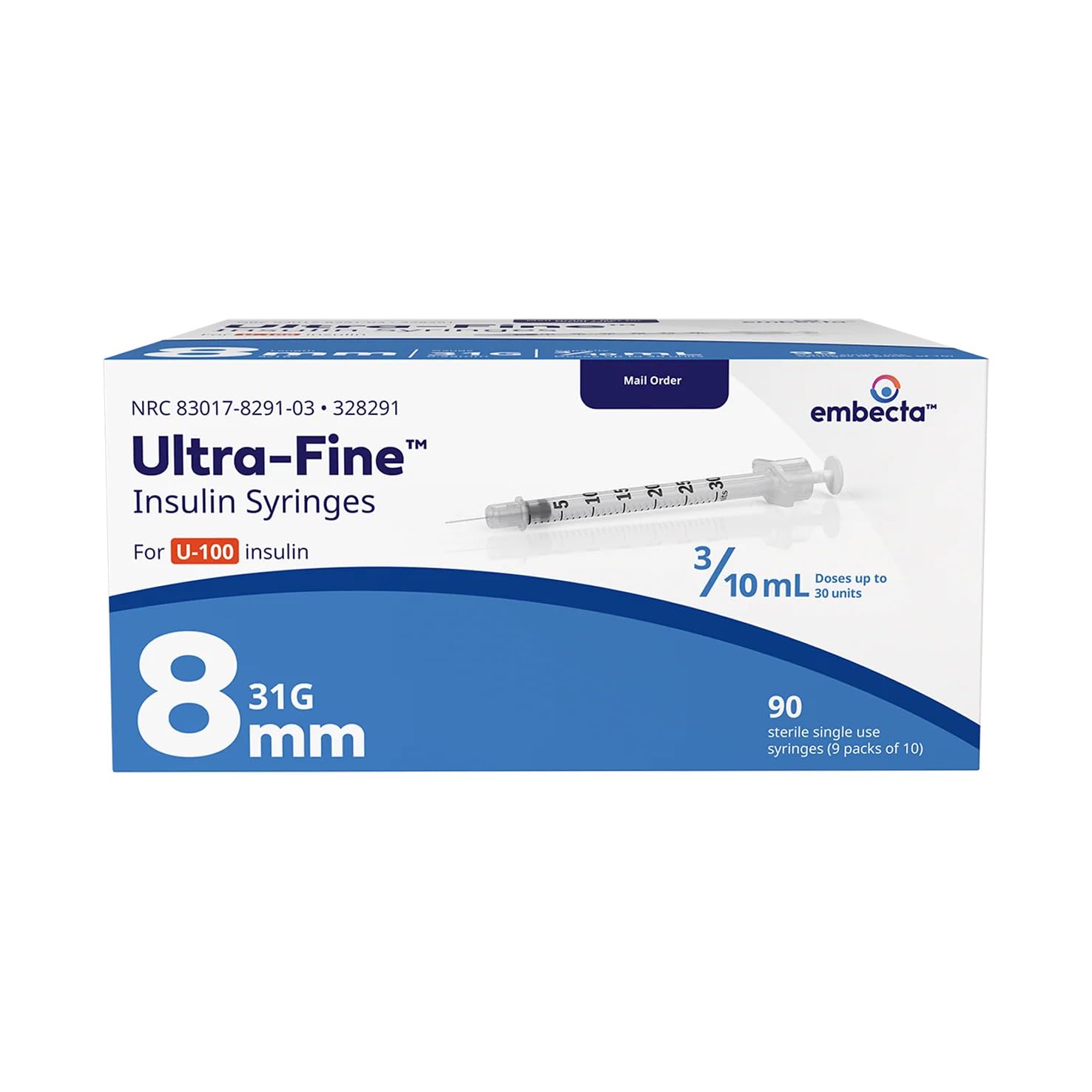
Math assumes U-100 insulin syringes (1 mL = 100 units). Verify your syringe matches before injecting. Round half-units to the nearest visible mark.

Start the conversation

Quick Reference: Standard Protocol

Parameter Community-reported value
Total dose per injection 1 mg tesamorelin + 300 mcg ipamorelin
Frequency Once daily, evening before bed
Schedule 5 days on / 2 days off
Cycle length 8 weeks on / 8 weeks off
Route Subcutaneous (abdomen rotation)
Vial 10mg / 3mg blend, reconstituted in 2 mL BAC water
Units drawn per dose (as described in community protocols) 20 units on a U-100 insulin syringe

These values report how community protocols describe the blend, not a recommended schedule.

For reconstitution step-by-step, see the Tesamorelin Reconstitution Guide. For ipamorelin's safety profile as a standalone, see Ipamorelin Benefits.

Cycling Details

Community sources justify the 5-on/2-off weekly pattern and 8-on/8-off cycle structure by the pulsatile biology of the GH axis, arguing that continuous dosing downregulates both receptor systems; neither pattern has been clinically validated. Community-reported timelines describe gradual body composition shifts from week 3-4; the tesamorelin trials measured visceral fat at 26 weeks.

Goal timing described in community protocols:

  • Fat loss focus — PM pre-bed dosing over an 8-week cycle; community protocols describe an optional second AM injection in weeks 4-8, splitting the total (0.5 mg tesa + 150 mcg ipa per dose)
  • Recovery/anti-aging — PM only, 8-week cycles, 1mg/300mcg
  • Body recomposition with resistance training — PM + post-workout on training days (split dose)

Routes of Administration

Subcutaneous is the standard. Community sources describe abdomen sites (avoiding the 2" navel radius) as the most consistent. Community protocols describe rotating injection sites daily. Community sources describe intramuscular injection as possible but not used, since the trials used SC.

Reconstitution Quick Reference

Vial Size BAC Water Concentration 1mg/300mcg Dose
10mg / 3mg blend 2 mL 5 mg/mL + 1.5 mg/mL 20 units

Community reconstitution protocols document the following dilution math: 10mg / 2mL = 5mg/mL = 5,000mcg/mL. For 1mg tesamorelin: 1,000 / 5,000 = 0.2 mL = 20 units. The ipamorelin at 3mg/2mL = 1.5mg/mL rides along at 300mcg per 20-unit dose — the same draw delivers both. Ratio is fixed by the vial — community sources note that protocols describing higher ipamorelin amounts add standalone ipamorelin separately.

Community protocols describe swirling gently (not shaking), followed by refrigeration at 2–8°C; vials are typically used within 28 days. For step-by-step reconstitution with photos, see the Tesamorelin Reconstitution Guide.
Top Tesamorelin + Ipamorelin Vendors

Ranked by price, COA availability, and reputation

Affiliate disclosure: vendor links in this article are affiliate links — The Peptide Catalog may earn a commission if you buy through them, at no additional cost to you.

Ready to buy? Compare the top vendors on our best Tesamorelin + Ipamorelin blend sources page. For standalone options see best tesamorelin vendors or best ipamorelin vendors.

Where These Numbers Come From

Tesamorelin's dosing rationale comes from the HIV lipodystrophy trials (Falutz et al., 2007; Stanley et al., 2014) where 2mg daily SC for 26 weeks produced the roughly 15% visceral fat reduction. Ipamorelin's 200-300 mcg range is a community convention rather than a trial dose; the published human data are a pharmacokinetic/pharmacodynamic infusion study in healthy men, which found GH release at every dose tested (Gobburu et al., 1999).

Trial evidence:

  • Tesamorelin 2mg SC daily → IGF-1 up 81% and a 15.2% visceral fat reduction over 26 weeks (Falutz, NEJM 2007, PMID 18057338)
  • Ipamorelin 200-300 mcg (community range) → selective GH release; in swine, ipamorelin raised GH without increasing ACTH, cortisol, or prolactin, even at doses more than 200-fold above its GH-releasing ED50 (Raun, EJE 1998, PMID 9849822)
  • GHRH + GHRP-class synergy → in 18 healthy men, submaximal doses of the original hexapeptide GHRP given with GHRH released GH synergistically. This tested GHRP-6-type GHRP, not ipamorelin, which was first described in 1998 (Bowers, JCEM 1990, PMID 2108187)
  • Ipamorelin in humans → dose-proportional pharmacokinetics, ~2-hour terminal half-life and a single GH peak at ~40 minutes after IV infusion (Gobburu, Pharm Res 1999, PMID 10496658)

Community protocols extend this evidence base with cycling patterns that weren't studied in the original trials — the 5-on/2-off rhythm and 8-week cycles are empirical community consensus, not clinically validated.

Tesamorelin + Ipamorelin vs CJC-1295 + Ipamorelin

Both are GHRH + GHRP blends. Core differences:

Feature Tesa + Ipa CJC-1295 + Ipa (no DAC)
GHRH half-life ~25 min ~30 min
Strongest human evidence Visceral fat (FDA-studied) None specific (community use)
Dosing cadence Daily PM Daily AM/PM or 2-3x daily
Common community interest Body recomposition, stubborn abdominal fat Anti-aging, sleep, recovery
Typical blend 10mg / 3mg 5mg / 5mg
Cost per mg Higher (tesamorelin is pricier) Lower

Tesamorelin has the strongest published visceral-fat data; community sources more often describe CJC-1295 for general anti-aging. See the CJC-1295 + Ipamorelin dosing guide for the other half of this comparison.

Side Effects & Safety

Community-reported first-cycle side effects:

  • Weeks 1-2: mild water retention, vivid dreams, light head/warmth after injection
  • Weeks 3-4: occasional joint stiffness, community-reported sleep changes, slight appetite increase overnight
  • Weeks 5-8: community reports describe most side effects fading and body composition changes becoming visible

Discontinuation signals described in trial monitoring and community protocols:

  • Persistent headaches with visual changes (intracranial pressure marker in trial monitoring protocols)
  • Sustained fasting glucose elevation above baseline
  • Unusual peripheral swelling persisting beyond weeks 1-2
  • Carpal tunnel symptoms unresponsive to dose titration (community-reported)

In the 26-week Phase III trials, tesamorelin 2mg/day was generally well tolerated, with treatment-emergent serious adverse events in under 4% of patients, mostly injection-site reactions or known GH effects such as arthralgia, headache and peripheral oedema (Dhillon 2011). Community sources describe the blend as well tolerated, citing ipamorelin's selectivity in animal studies; the combination itself has no trial safety data.

mg to Units Conversion

On a standard 100-unit insulin syringe, each "unit" equals 0.01 mL (so 100 units = 1 mL). Because this is a pre-mixed blend, a single draw delivers both peptides together — but at different amounts, since the vial holds 10 mg tesamorelin and 3 mg ipamorelin (a fixed 10:3 ratio).

At the standard reconstitution from the Quick Reference above (10 mg / 3 mg vial + 2 mL BAC water, 5 mg/mL tesamorelin + 1.5 mg/mL ipamorelin), each draw delivers the amounts below. The table shows arithmetic for the 2 mL dilution described above; the blend has no approved labeling or directions for use, and 2 mg is the daily tesamorelin dose used in the Phase III trials (Falutz 2007), not a blend dose.

Units (insulin syringe) Volume (mL) Tesamorelin Ipamorelin
10 units 0.1 mL 0.5 mg 150 mcg
20 units 0.2 mL 1 mg 300 mcg
30 units 0.3 mL 1.5 mg 450 mcg
40 units 0.4 mL 2 mg 600 mcg

These conversions reflect the dilution documented in community reconstitution protocols. They report how the math is described, not a recommended dosing schedule.

Frequently Asked Questions

What is the Tesamorelin + Ipamorelin blend?
A pre-mixed vial containing tesamorelin (GHRH analog) and ipamorelin (selective ghrelin receptor agonist) — most commonly sold as 10mg tesamorelin + 3mg ipamorelin in a single vial, though some vendors list other splits such as 13mg/3mg. The two peptides activate different receptors that converge on growth hormone release. GHRH and a GHRP-class secretagogue released GH synergistically in a 1990 study of the original hexapeptide GHRP (Bowers et al.); no published trial has tested tesamorelin and ipamorelin together.
What is the standard Tesamorelin + Ipamorelin dose?
The community protocol is 1 mg tesamorelin + 300 mcg ipamorelin subcutaneously, once daily in the evening before bed, 5 days on / 2 days off, for 8 weeks on / 8 weeks off. Community protocols describe reconstituting the 10mg/3mg vial with 2 mL bacteriostatic water; each dose is drawn at 20 units on a U-100 insulin syringe.
What injection timing do protocols describe for this blend?
Evening before bed is the dominant community protocol; community sources justify it as aligning with the natural nocturnal GH surge early in deep sleep. Community sources also describe morning dosing on an empty stomach, sometimes around workouts, and most describe PM dosing for body-composition goals.
Why pair tesamorelin with ipamorelin specifically?
Tesamorelin (GHRH) tells the pituitary to release GH; ipamorelin (ghrelin mimetic) amplifies the pulse by activating a second pathway. In animal studies, ipamorelin raised GH without the ACTH and cortisol rises seen with GHRP-2 and GHRP-6 (Raun et al., 1998). The rationale described for the pairing is a stronger GH pulse without the cortisol and prolactin rises reported with other GHRPs; that rationale comes from single-compound studies, not a trial of the combination.
How does this compare to CJC-1295 + Ipamorelin?
Tesamorelin + Ipamorelin is the version whose GHRH component has published trial data — tesamorelin alone showed about a 15% reduction in visceral fat; the blend itself is untested. CJC-1295 + Ipamorelin is more popular for general anti-aging and recovery, with a wider cycle flexibility (daily non-DAC or weekly DAC). For abdominal fat specifically, tesamorelin has the strongest human evidence. For lean-mass, sleep and recovery goals, community sources more often describe CJC-1295.
How long does tesamorelin stay in the body?
Tesamorelin's plasma half-life is ~25 minutes, but its downstream effect on GH is amplified by the ipamorelin pulse and persists longer. Community sources justify the 5-on/2-off rhythm by this pulsatile biology and describe longer or more frequent dosing as adding receptor desensitization; that rhythm has not been clinically validated.
What are the side effects of this blend?
Most common: mild injection site reactions (redness, bruising), temporary flushing or warmth after injection, vivid dreams during the night-dose phase, mild water retention in weeks 1-2. Less common: joint stiffness (usually resolves), carpal tunnel symptoms at higher doses, mild fasting glucose elevation. Trials and community sources report subjects consulting physicians or discontinuing upon experiencing sustained headaches, significant visual changes, or unusual swelling.
How do community protocols describe reconstituting the 10mg/3mg blend?
Community reconstitution protocols describe adding 2 mL of bacteriostatic water to the vial, directing the stream toward the glass wall rather than the lyophilized powder, and swirling gently — shaking is avoided. The resulting concentration is 5mg/mL tesamorelin + 1.5mg/mL ipamorelin. A 20-unit dose on a U-100 insulin syringe delivers 1mg tesamorelin + 300mcg ipamorelin. The solution is stored at 2-8°C and typically used within 28 days.
Do women respond differently to this blend?
Community sources describe the same protocol for women. No trial of the blend reports sex-specific data.
Is tesamorelin FDA-approved?
Tesamorelin is the active ingredient in an FDA-approved product for reducing excess abdominal fat in HIV-associated lipodystrophy. Ipamorelin has no FDA approval. The combination blend has no human trial data — protocols are derived from single-compound studies plus community practice.
What do community sources report about PCT after this cycle?
Community sources describe no PCT step. They reason that GH secretagogues act on the GH axis rather than the testosterone axis; the blend itself has not been trialed.
Bacteriostatic water vial — 0.9% benzyl alcohol multi-dose
Bac Water Made for Peptides
Don't risk a $300 peptide on generic bac water.
Most cloudy reconstitutions trace back to one thing — and it isn't the peptide. Sterile, non-pyrogenic, 0.9% benzyl alcohol — formulated for peptide reconstitution, not repackaged from generic stock.
✓ 0.9% benzyl alcohol✓ Made for peptides✓ 30 mL multi-dose
Shop bac water made for peptides

References

  1. Falutz J, et al. "Metabolic effects of a growth hormone-releasing factor in patients with HIV." NEJM 2007. PMID 18057338
  2. Stanley TL, et al. "Effect of tesamorelin on visceral fat and liver fat in HIV-infected patients with abdominal fat accumulation." JAMA 2014. PMID 25038357
  3. Raun K, et al. "Ipamorelin, the first selective growth hormone secretagogue." EJE 1998. PMID 9849822
  4. Bowers CY, et al. "Growth hormone (GH)-releasing peptide stimulates GH release in normal men and acts synergistically with GH-releasing hormone." JCEM 1990. PMID 2108187
  5. Stanley TL, et al. "Reduction in visceral adiposity is associated with an improved metabolic profile in HIV-infected patients receiving tesamorelin." Clin Infect Dis 2012. PMID 22495074
  6. Gobburu JV, et al. "Pharmacokinetic-pharmacodynamic modeling of ipamorelin, a growth hormone releasing peptide, in human volunteers." Pharm Res 1999. PMID 10496658
  7. Dhillon S. "Tesamorelin: a review of its use in the management of HIV-associated lipodystrophy." Drugs 2011. PMID 21668043