Want the deep science? See our Wolverine Stack Benefits Guide for the full mechanism breakdown, synergy research, and week-by-week results timeline. This guide focuses on practical dosing and reconstitution.
The Wolverine Stack is the most popular healing peptide combination in research circles — BPC-157 and TB-500 pre-mixed in a single vial. Named after the comic book character's near-instant tissue regeneration, it pairs two peptides that attack recovery from completely different angles.
BPC-157 drives localized repair: angiogenesis, growth factor activation, and tendon fibroblast recruitment. TB-500 handles the systemic side: cell migration, actin reorganization, and inflammation reduction throughout the body. Together, they cover more of the healing cascade than either peptide alone.
This guide covers the standard dosing protocols, reconstitution math, cycling strategy, and how the pre-mixed blend compares to buying individual vials.
What is the Wolverine Stack?
The Wolverine Stack is a 1:1 blend of BPC-157 (Body Protection Compound-157) and TB-500 (a synthetic fragment of Thymosin Beta-4). The typical vial contains 10mg of each peptide — 20mg total.
BPC-157 — The Localized Repair Driver
BPC-157 is a 15-amino-acid peptide derived from a protective protein in human gastric juice. Its primary mechanisms:
- Angiogenesis — upregulates VEGF (vascular endothelial growth factor) to build new blood vessels at injury sites (Sikiric et al., 2018)
- Growth factor cascade — increases EGF, FGF, and other repair signaling molecules
- Tendon and ligament repair — activates the FAK-paxillin pathway in fibroblasts, directly accelerating connective tissue healing (Chang et al., 2011)
- Growth hormone receptor upregulation — enhances GH receptor expression in tendon fibroblasts (Chang et al., 2014)
- Gut cytoprotection — protects and repairs gastric and intestinal mucosa
- Nitric oxide modulation — regulates local blood flow through the NO system
BPC-157 excels at creating the conditions for repair — new blood supply, growth factor infrastructure, and tissue protection. It is especially effective when injected near the target tissue.
TB-500 — The Systemic Healer
TB-500 is a 7-amino-acid fragment (Ac-LKKTETQ) of Thymosin Beta-4, retaining the active actin-binding domain. Its mechanisms:
- Actin sequestration — regulates cytoskeletal dynamics to enable cell migration into damaged tissue
- Cell migration — promotes endothelial and keratinocyte migration to wound sites (Malinda et al., 1999)
- Anti-inflammatory action — reduces pro-inflammatory cytokines at the tissue level
- Connective tissue maturation — organizes collagen fiber bundles and reduces scarring (Sosne et al., 2010)
- Systemic distribution — works regardless of injection site, circulating through blood and wound fluid
TB-500 doesn't need to be near the injury to work. It circulates systemically, finding areas of damage and facilitating repair through cell mobilization and tissue remodeling.
Why the Combination Works
The synergy is straightforward: BPC-157 builds the repair infrastructure (blood vessels, growth factors), while TB-500 moves the repair cells into position (migration, actin remodeling). One creates the environment; the other populates it.
A 2021 retrospective study by Lee and Padgett compared BPC-157 alone to BPC-157 combined with Thymosin Beta-4 for knee pain. While the study had limitations (small sample, retrospective design), patients receiving the combination showed improvements in pain scores, supporting the rationale for pairing these peptides (Lee & Padgett, 2021).
The complementary mechanisms also mean there's minimal overlap in receptor pathways, reducing the risk of diminishing returns from using both simultaneously.
Standard Dosing Protocols
All protocols below reference the typical 10mg BPC-157 + 10mg TB-500 vial (20mg total). Doses listed are total blend drawn — each dose delivers equal parts BPC-157 and TB-500.
Standard Protocol — 500mcg/Day for 8 Weeks
This is the most common protocol and the best starting point for most users.
| Parameter |
Detail |
| Daily dose |
500 mcg total (250 mcg BPC-157 + 250 mcg TB-500) |
| Frequency |
Once daily |
| Route |
Subcutaneous injection |
| Duration |
8 weeks |
| Timing |
Morning, before food |
| Vials needed |
2 vials (20mg each provides 40 days; 56 days total) |
Best for: General recovery, chronic tendon or joint issues, maintenance healing, first-time users.
The 250mcg per-peptide dose aligns with standard standalone BPC-157 protocols and falls within the commonly used range for TB-500. This makes the 1:1 blend particularly well-suited for daily dosing without needing to supplement either peptide separately.
Loading Protocol — 750mcg/Day, Then 500mcg
For more aggressive recovery needs, a front-loaded approach increases the initial dose before dropping to maintenance.
| Parameter |
Detail |
| Loading dose |
750 mcg/day for 4 weeks (375 mcg each peptide) |
| Maintenance dose |
500 mcg/day for 8 weeks (250 mcg each peptide) |
| Total duration |
12 weeks |
| Route |
Subcutaneous injection |
| Timing |
Morning, before food |
| Vials needed |
3 vials |
Best for: Chronic injuries that haven't responded to standard protocols, significant muscle tears, post-surgical recovery (after initial acute phase), older users with slower healing.
The loading phase pushes TB-500 closer to the higher end of standalone dosing ranges, accelerating the cell migration and tissue remodeling process before settling into the sustainable maintenance dose.
Twice-Daily Acute Protocol — 500mcg AM + 500mcg PM
For acute injuries or post-surgical recovery where aggressive intervention is warranted.
| Parameter |
Detail |
| Daily dose |
1,000 mcg total (500 mcg AM + 500 mcg PM) |
| Per-injection |
500 mcg (250 mcg each peptide) |
| Duration |
4 weeks |
| Route |
Subcutaneous injection |
| Timing |
Morning + evening, 8-12 hours apart |
| Vials needed |
2 vials (barely — 20mg per vial / 1mg per day = 20 days per vial) |
Best for: First 4 weeks post-surgery, acute tendon ruptures, significant soft tissue injuries, situations where speed of recovery is critical.
Splitting the dose maintains more consistent peptide levels throughout the day. BPC-157 has a relatively short half-life, so twice-daily dosing keeps tissue concentrations more stable. After 4 weeks, transition to the standard 500mcg/day protocol for the remaining cycle.
Reconstitution Guide
Standard Reconstitution: 2 mL BAC Water
The most common approach for a 10mg/10mg (20mg total) Wolverine Stack vial:
- Wipe the vial stopper and BAC water vial with alcohol swabs
- Draw 2 mL of bacteriostatic water into a syringe
- Inject slowly along the inside wall of the vial — never directly onto the powder
- Swirl gently until dissolved — never shake
- Store refrigerated (2-8 C) and use within 28 days
Resulting concentration: 10,000 mcg/mL (10 mg/mL)
This means each 1 unit on a U-100 insulin syringe delivers 100 mcg of total blend (50 mcg BPC-157 + 50 mcg TB-500).
Concentration Table by BAC Water Volume
| BAC Water |
Concentration |
500 mcg dose |
750 mcg dose |
1,000 mcg dose |
Days per vial (500 mcg/day) |
| 1 mL |
20,000 mcg/mL (20 mg/mL) |
2.5 units |
3.75 units |
5 units |
40 days |
| 2 mL |
10,000 mcg/mL (10 mg/mL) |
5 units |
7.5 units |
10 units |
40 days |
| 3 mL |
6,667 mcg/mL (6.67 mg/mL) |
7.5 units |
11.25 units |
15 units |
40 days |
Recommended: 2 mL — balances easy measurement (whole units on the syringe) with reasonable injection volume. The 5-unit dose for the standard 500mcg protocol is precise and easy to draw.
Quick Reference Card
- 500 mcg dose (standard) = 5 units with 2 mL reconstitution
- 750 mcg dose (loading) = 7.5 units with 2 mL reconstitution
- 250 mcg dose (half dose) = 2.5 units with 2 mL reconstitution
- Vial life at 500 mcg/day = 40 days
- Vials per 8-week cycle = 2
Why the Blend Beats Individual Vials
Buying BPC-157 and TB-500 as separate vials works fine — and it's what most people did before blend vials became widely available. But for anyone running a standard 1:1 ratio protocol, the pre-mixed blend has clear advantages.
One Injection Instead of Two
The most immediate benefit. Each injection is a needle stick, an alcohol swab, a syringe, and time. Cutting that in half matters when you're injecting daily for 8-12 weeks. Compliance is higher when the protocol is simpler.
Cost Savings
Individual 5mg vials of BPC-157 and TB-500 typically run $40-60 each. A 10mg/10mg Wolverine Stack vial from vendors with third-party COA testing runs $89-110 — delivering twice the peptide content of two individual 5mg vials at a comparable or lower price point.
Fewer Reconstitution Errors
One vial means one reconstitution, one concentration to track, one stored vial in the fridge. With two separate vials, you're managing two different concentrations and potentially two different reconstitution dates and expiry timelines.
When Individual Vials Are Better
The blend isn't always the right choice:
- Local injection protocols — if you want to inject BPC-157 subcutaneously near a knee injury and TB-500 in the abdomen (since it's systemic anyway), you need separate vials
- Dose customization — standalone TB-500 protocols often run 500-2,500 mcg/day, much higher than the 250mcg delivered by a standard blend dose. For aggressive TB-500 loading, supplement with a separate vial
- Oral BPC-157 — BPC-157 is one of the few peptides stable in stomach acid, making oral dosing viable for gut-related protocols. You can't take the blend orally without wasting the TB-500
Wolverine Stack vs Glow Blend vs Klow Blend
All three blends contain BPC-157 and TB-500. The difference is what else comes in the vial.
| Feature |
Wolverine Stack |
Glow Blend |
Klow Blend |
| Peptides |
BPC-157 + TB-500 |
BPC-157 + TB-500 + GHK-Cu |
BPC-157 + TB-500 + GHK-Cu + KPV |
| Total content |
20mg |
70mg |
80mg |
| BPC-157 |
10mg |
10mg |
10mg |
| TB-500 |
10mg |
10mg |
10mg |
| GHK-Cu |
-- |
50mg |
50mg |
| KPV |
-- |
-- |
10mg |
| Primary focus |
Tissue repair + healing |
Repair + collagen/anti-aging |
Repair + collagen + anti-inflammatory |
| Best for |
Injury recovery, tendons, joints |
Recovery + skin/hair/anti-aging |
Recovery + chronic inflammation |
| Typical price |
$89-110 |
$120-150 |
$140-170 |
| Dosing complexity |
Simple (equal parts) |
Higher (GHK-Cu dominates the blend) |
Highest (4 peptides, fixed ratios) |
Choose the Wolverine Stack when: Your primary goal is injury recovery, tendon/joint healing, or post-surgical repair and you don't need the collagen and anti-aging benefits of GHK-Cu.
Choose Glow when: You want healing plus anti-aging, collagen support, hair growth, and scar remodeling from GHK-Cu.
Choose Klow when: You have chronic inflammation alongside tissue damage and need the NF-kB suppression that KPV provides on top of the Glow formula.
Cycling Protocol
Standard Cycle: 8 Weeks On / 4 Weeks Off
The most common cycling pattern for the Wolverine Stack:
- Weeks 1-8: 500 mcg daily (or your chosen protocol)
- Weeks 9-12: Off — no peptide use
- Repeat as needed
The 4-week off period allows receptor sensitivity to reset and prevents potential downregulation of the pathways these peptides activate. Most users report that healing effects continue during the off period as the tissue remodeling processes BPC-157 and TB-500 initiated complete their course.
Extended Cycle: 12 Weeks On / 6 Weeks Off
For chronic or severe injuries that need longer intervention:
- Weeks 1-4: Loading dose (750 mcg/day)
- Weeks 5-12: Maintenance dose (500 mcg/day)
- Weeks 13-18: Off
This is appropriate for injuries that are still actively improving at the 8-week mark. If you're seeing continued progress, extending the cycle is reasonable. If improvement has plateaued by week 6-8, the extended cycle is unlikely to add benefit.
When to Stop Early
- Pain or injury has fully resolved
- No improvement after 4 weeks (reassess protocol, injection site, or product quality)
- Adverse effects (see Safety section)
When to Run Multiple Cycles
Many users run 2-3 cycles for stubborn chronic issues:
- Complete first cycle (8 weeks on / 4 weeks off)
- Reassess during the off period — healing often continues
- If further improvement is needed, begin the second cycle
- Diminishing returns typically appear after 2-3 cycles for the same injury
Injection Sites and Timing
Preferred Timing
Morning injection, before food is the most common protocol. Reasoning:
- Growth hormone and IGF-1 levels are naturally higher in the morning, which may complement BPC-157's GH receptor upregulation
- Fasting state may improve peptide absorption (less competition for subcutaneous uptake)
- Consistent timing improves compliance
For twice-daily protocols, inject morning and evening with 8-12 hours between doses.
Injection Site Selection
For localized injuries (tendon, joint, muscle):
Inject subcutaneously as close to the injury as possible. While TB-500 works systemically regardless of site, BPC-157 achieves higher local tissue concentrations when injected nearby. Pinch the skin near the injury and inject into the subcutaneous fat layer at a 45-degree angle.
For systemic recovery or general healing:
Rotate between standard subcutaneous injection sites:
- Lower abdomen (most common — 2 inches from navel)
- Front of thigh
- Back of upper arm
- Love handle area
Rotate injection sites within each area to prevent lipodystrophy (skin changes from repeated injections in the same spot). A simple left-right alternation works well.
Injection Technique
- Wash hands thoroughly
- Swab the vial stopper and injection site with alcohol
- Draw the prescribed number of units from the refrigerated vial
- Pinch skin at the injection site
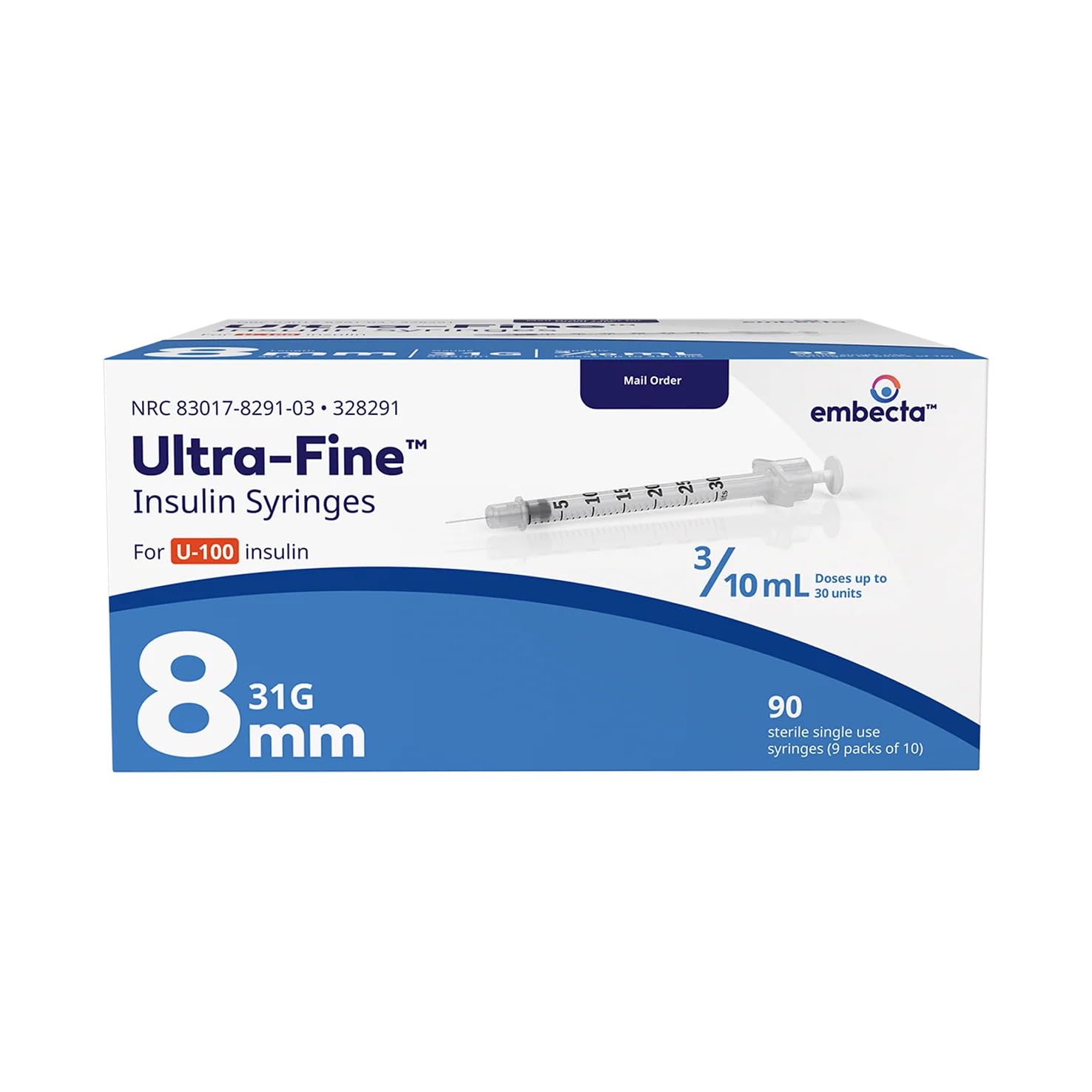
- Insert needle at a 45-degree angle (subcutaneous) or 90 degrees with a short needle (5/16")
- Inject slowly over 5-10 seconds
- Withdraw needle and apply gentle pressure — do not rub
- Dispose of the syringe in a sharps container
Use 29-31 gauge insulin syringes (0.5 mL or 1 mL). The injection volume for the standard protocol (5 units = 0.05 mL) is very small, making the injection virtually painless.
Side Effects and Safety
Commonly Reported Side Effects
Both BPC-157 and TB-500 have favorable safety profiles in the available literature. Most users report no side effects at standard doses. When side effects occur, they are typically mild:
- Injection site reactions — redness, minor swelling, or itching at the injection point (resolves within hours)
- Mild nausea — occasionally reported in the first few days, especially at higher doses
- Lightheadedness — uncommon, more associated with the blood pressure modulation from BPC-157's NO pathway activity
- Fatigue — some users report temporary fatigue in the first week as repair processes ramp up
Safety Considerations
- No human clinical trials exist for the BPC-157/TB-500 combination. The Lee & Padgett 2021 study is a small retrospective case series, not a controlled trial
- BPC-157 has limited human safety data. A Phase I trial of Thymosin Beta-4 (parent molecule of TB-500) showed IV doses up to 1,260mg were well-tolerated in healthy subjects, but this does not directly apply to TB-500
- Theoretical cancer concern — any peptide that promotes angiogenesis (BPC-157) or cell migration (TB-500) could theoretically promote tumor growth. No evidence of this has been observed in animal studies, but individuals with active cancer or a history of cancer should exercise caution and consult a physician
- Peptide quality matters — purchase only from vendors who provide third-party certificates of analysis (COA) with purity and identity testing. Contaminated or underdosed peptides are a real risk with research-grade compounds
- Not FDA-approved — these peptides are sold for research purposes only
Contraindications
Consult a physician before use if you have:
- Active cancer or history of cancer
- Pregnancy or breastfeeding
- Blood clotting disorders
- Autoimmune conditions (TB-500 modulates immune cell migration)
- Any serious medical condition
Frequently Asked Questions
How many vials do I need for a full cycle?
At the standard 500 mcg/day protocol for 8 weeks (56 days), you need 28mg total — so 2 vials of the 20mg blend (which gives you 40mg, enough for 80 days with some extra). For the loading protocol (12 weeks), plan on 3 vials.
Can I mix the Wolverine Stack in the same syringe as other peptides?
Technically yes, but it's not recommended unless you've confirmed compatibility. Most users inject the blend on its own and any additional peptides (like GHK-Cu or Ipamorelin) in separate injections at different sites.
Do I need to refrigerate the vial after reconstitution?
Yes — refrigerate immediately after adding BAC water. Store at 2-8 C (standard refrigerator temperature). Use within 28 days. Unreconstituted vials can be stored at room temperature but last longer refrigerated.
Is the Wolverine Stack the same as buying BPC-157 and TB-500 separately?
Chemically, yes — you're getting the same peptides. The blend is pre-mixed in the manufacturing process so both peptides are in one lyophilized powder. The only difference is you can't adjust the ratio or inject them at different sites.
Should I take anything else alongside the Wolverine Stack?
Common adjuncts include GHK-Cu (for collagen and anti-aging — or just buy the Glow blend which includes it), adequate protein intake (1g/lb bodyweight supports tissue repair), and vitamin C (cofactor for collagen synthesis). Some users add Ipamorelin or CJC-1295 to increase growth hormone output, which may synergize with BPC-157's GH receptor upregulation.
What if I miss a dose?
Take it when you remember. If it's close to your next scheduled dose, skip the missed one — don't double up. These peptides work cumulatively over weeks, so a single missed dose has minimal impact on the overall protocol.
Available as Individual Peptides
Want more control over your doses or injection sites? See our individual dosing guides:
References
- Sikiric, P., et al. "Brain-gut axis and pentadecapeptide BPC 157: theoretical and practical implications." Current Neuropharmacology, 2018. PubMed
- Chang, C.H., et al. "The promoting effect of pentadecapeptide BPC 157 on tendon healing involves tendon outgrowth, cell survival, and cell migration." Journal of Applied Physiology, 2011. PubMed
- Chang, C.H., et al. "Pentadecapeptide BPC 157 enhances the growth hormone receptor expression in tendon fibroblasts." Molecules, 2014. PMC
- Malinda, K.M., et al. "Thymosin beta4 accelerates wound healing." Journal of Investigative Dermatology, 1999. PubMed
- Sosne, G., et al. "Thymosin beta4 enhances repair by organizing connective tissue and preventing the appearance of myofibroblasts." FASEB Journal, 2010. PubMed
- Lee, M., Padgett, M. "Intra-articular injection of BPC 157 for multiple types of knee pain." Alternative Therapies in Health and Medicine, 2021. PubMed
- Seiwerth, S., et al. "BPC 157 and wound healing." Current Pharmaceutical Design, 2021. PMC
- Vasireddi, N., et al. "Emerging use of BPC-157 in orthopaedic sports medicine: a systematic review." PMC, 2025. PMC