5-Amino-1MQ

Lyophilized powder

5-Amino-1MQ is a small-molecule inhibitor of NNMT (nicotinamide N-methyltransferase), an enzyme studied for its role in fat-cell metabolism. Its research comes mainly from cell and mouse studies; it is not a peptide. Below: today's vial sizes, prices through our link and the vendor's COA details.

Size

$3.43/mg · lot 5AM10-062026-1 · 99.85% · In stock

Price

$34.30

List

$49.00

Buy 10 mg at Nura Peptide

Price shown uses code thepeptidecatalog at Nura Peptide's checkout (30% off list).

Sold by Nura Peptide. The Peptide Catalog does not sell peptides; we earn a commission if you buy through this link, at no extra cost to you. For laboratory research use only, not for human or veterinary use. Not FDA-approved. Nothing on this page is medical or dosing advice.

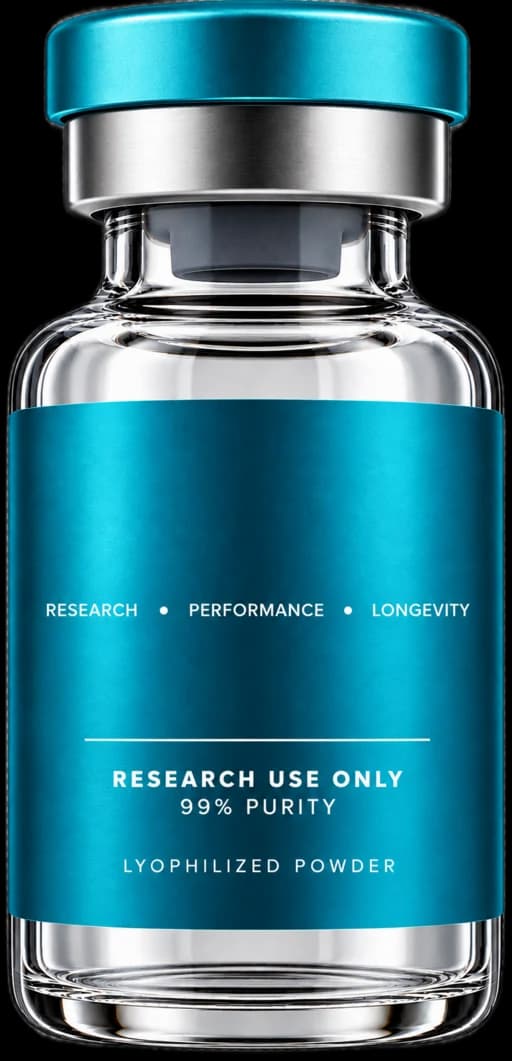
5-Amino-1MQ research vial sold by Nura Peptide
Third-party tested≥99.85% reported purityResearch use only
Certificate of AnalysisLot 5AM50-062026-1 · 99.88% · 2 current lotsView
  • Certificate of Analysis published for every lot (Freedom Diagnostics Testing)
  • Current lots report 99.85% purity or higher
  • Ships from a U.S. fulfillment center, per Nura Peptide
  • Lyophilized powder · laboratory research use only
Research-context information only. 5-Amino-1MQ is an investigational drug not approved by the FDA. Protocols, doses, and reactions reported below come from published clinical trials and self-reported community sources. This article reports what has been documented, not what should be done. Possession or use of investigational drugs outside an authorized clinical trial may be illegal in your jurisdiction. Consult a licensed physician for personal medical decisions.

Vial sizes listed by the vendor

5-Amino-1MQ Vial Sizes, Prices & Lots

5-Amino-1MQ vial sizes, prices and lots at Nura Peptide
SizeListWith our codePer mgAvailabilityLot · purity
10 mg$49.00$34.30$3.43In stock5AM10-062026-1 · 99.85%
50 mg$99.00$69.30$1.39In stock5AM50-062026-1 · 99.88%

Prices checked today, 6:20 AM CT on Nura Peptide's site, with code thepeptidecatalog applied. Lot data from Nura Peptide's COA page, checked today, 8:52 PM CT. Sizes not re-checked in the last 7 days are hidden. The vendor's checkout is final.

Verified test results

5-Amino-1MQ Certificate of Analysis

Nura Peptide publishes a third-party certificate for each lot. The figures below are copied from Nura Peptide's current-lot listings, checked today, 8:52 PM CT (refreshed hourly; hidden if older than 24 hours). Match the lot number on the vial to its certificate.

All lots on record: Nura Peptide COA library. How to check one: how to verify a peptide COA.

5-Amino-1MQ Dosing in Clinical Research

Fat Loss / Metabolic Health

Educational reference only. Individual responses vary. Consult healthcare provider before use.

Vial Size
50 mg (capsules) or injectable
Reconstitution
Oral: N/A | Injectable: 1-3 ml BAC water depending on vial (see dosing guide)
Dose
50-150 mg (oral, community) or 2.5-5 mg (SubQ, community) — not interchangeable
Timing
AM
Frequency
Daily
Duration
8 weeks on, 4 weeks off
Protocol Notes
Small molecule NNMT inhibitor, not a peptide. Oral bioavailability makes capsules convenient. May boost NAD+ levels.

Why This Dosing Protocol

Why oral?5-Amino-1MQ has good oral bioavailability as a small molecule. Capsules are the standard delivery method. Injectable versions exist but aren't necessary for most.

Why morning?Aligning with the body's active metabolic period. Supports fat oxidation throughout the day.

How 5-Amino-1MQ Works

Small Molecule — NNMT Inhibitor (Not a Peptide)

Enzyme Target → NAD+ Preservation → Fat Metabolism → Outcomes

1
Target

NNMT (Nicotinamide N-Methyltransferase)

5-Amino-1MQ inhibits NNMT, an enzyme that increases in fat tissue and contributes to metabolic dysfunction. NNMT degrades SAM (S-adenosylmethionine) and depletes NAD+ — blocking it preserves these critical metabolic cofactors.

2
Cellular Signal

NNMT Inhibition → NAD+ Preservation + SAM Protection

By blocking NNMT, 5-Amino-1MQ preserves NAD+ levels (critical for cellular energy production) and SAM (needed for methylation reactions). This shifts cellular metabolism toward fat oxidation and away from fat storage, particularly in adipose tissue.

3
Systemic Effect

Enhanced Fat Metabolism + Cellular Energy

Reduced fat accumulation, enhanced fat oxidation, and improved cellular energy production through preserved NAD+. May also reduce inflammation in fat tissue. Orally bioavailable — no injection required.

4
What You Notice

Gradual Fat Loss → Improved Energy → Metabolic Health

Effects are gradual — fat loss and metabolic improvements over weeks. More subtle than GLP-1 agonists but works through a completely different mechanism. Can be combined with other fat-loss approaches for complementary effects.

What Makes This Peptide Different

5-Amino-1MQ is not a peptide— it's a small molecule that inhibits NNMT. Its unique mechanism (preserving NAD+ and SAM) complements rather than overlaps with GLP-1 agonists or GH peptides. Oral bioavailability means no injections. The NAD+-preserving effect may have broader longevity implications beyond fat loss.

5-Amino-1MQ Clinical Evidence

Two parallel grades per outcome — clinical RCT depth and real-world community adoption. See the Research Overview below for citations and detail.

OutcomeClinical EvidenceCommunity Evidence
Body weight / fat mass reduction (preclinical)ModeratePreliminary
NNMT inhibition mechanismStrongPreliminary
Adipose lipolysis in human usePreliminaryPreliminary

5-Amino-1MQ Research Overview

Outcome-by-outcome look at what the evidence actually supports for 5-Amino-1MQ, including human vs. animal study counts and our editorial take on each.

Body weight and fat mass reduction (preclinical)

Clinical:ModerateCommunity:Preliminary

Neelakantan 2017 demonstrated that 5-amino-1MQ, a small-molecule inhibitor of nicotinamide N-methyltransferase (NNMT), reversed high-fat-diet-induced obesity in mice by increasing energy expenditure and reducing white adipose tissue mass. Subsequent work (2024) confirmed metabolic benefits and pharmacokinetic suitability for development. As of 2026 no human RCT has been published.

0 human studies · 6 animal studies

Key findings & citations
  • Neelakantan 2017: 5-amino-1MQ reversed HFD-induced obesity in DIO mice.
  • Mechanism: NNMT inhibition raises NAD+ availability and methyl-donor flux.
  • Combined with caloric restriction, accelerated body composition normalization.
  • Zero human RCTs as of 2026.

Our take

Mechanistically interesting NNMT inhibitor with clean mouse data. The clinical translation hasn't started — community use is purely experimental.

What 5-Amino-1MQ doesn't do

Claims that current evidence does not support. Worth knowing before you set expectations.

Technical specifications

5-Amino-1MQ chemical & analytical data

Receptor targets
NNMT (nicotinamide N-methyltransferase) inhibitor
Form
Lyophilized (freeze-dried) powder in a sealed vial
Presentation
10 mg · 50 mg
Purity on current lots (COA)
99.85% to 99.88%
Testing laboratory
Freedom Diagnostics Testing
Regulatory status
Investigational. Not FDA-approved for any use.

5 answers

5-Amino-1MQ FAQ: Buying, COA, Storage & Research

Is 5-Amino-1MQ actually a peptide?
No, 5-Amino-1MQ is technically a small molecule, not a peptide. It's a methylquinolinium derivative that inhibits the NNMT enzyme. However, it's commonly discussed alongside peptides because it's sold through similar research chemical channels and targets metabolic pathways relevant to the peptide community.
How does 5-Amino-1MQ differ from other fat loss compounds?
Unlike stimulant-based fat burners or thyroid modulators, 5-Amino-1MQ works by inhibiting NNMT (nicotinamide N-methyltransferase), an enzyme that's overexpressed in fat tissue. This unique mechanism may increase NAD+ levels and activate sirtuins, potentially improving metabolic health rather than just increasing calorie burn. It doesn't typically cause jitteriness or affect heart rate like stimulants.
What is NNMT and why does inhibiting it matter?
NNMT (nicotinamide N-methyltransferase) is an enzyme that becomes overactive in obesity. It consumes NAD+ precursors, which can deplete cellular energy metabolism. By inhibiting NNMT, 5-Amino-1MQ may help restore NAD+ levels, activate longevity-related sirtuins, reduce fat accumulation, and improve insulin sensitivity. NNMT is particularly elevated in visceral fat and liver tissue.
Can 5-Amino-1MQ be taken orally?
Yes, one advantage of 5-Amino-1MQ being a small molecule rather than a peptide is that it has oral bioavailability. Unlike most peptides which require injection, 5-Amino-1MQ can potentially be absorbed through the digestive system, making it more convenient for research applications.
How does 5-Amino-1MQ relate to NAD+ and longevity research?
5-Amino-1MQ connects to longevity research through the NAD+ pathway. By inhibiting NNMT, it may preserve NAD+ levels, which naturally decline with age. NAD+ is essential for sirtuins (like SIRT1) which regulate metabolism, cellular repair, and aging processes. This makes 5-Amino-1MQ relevant to both metabolic health and anti-aging research.

5-Amino-1MQ Studies & Sources

The following peer-reviewed studies and official resources provide additional scientific context for this peptide:

5-Amino-1MQ Research Articles

Compare 5-Amino-1MQ to alternatives

Side-by-side mechanism, dose, half-life, and vendor pricing.

Open compare →

Compare 5-Amino-1MQ Vendors Before You Buy

Disclosure: we may earn affiliate commission from qualifying purchases. Educational information only — not medical advice.