Methylene Blue
Methylene blue is a synthetic dye and one of the oldest drugs in medicine; in cells it can act as an alternative electron carrier in mitochondria. Prescription methylene blue is FDA-approved for methemoglobinemia; the research-grade products listed here are a different, unapproved product, and it is not a peptide. Below: today's vial sizes, prices through our link and the vendor's COA details.
Size
$1.53/mg · Sold out at last check
Price
$15.29
List
$16.99
Sold out at every vendor we list at last check. Compare methylene blue vendors
Price shown uses code THEPEPTIDECATALOG at Swiss Chems's checkout (10% off list).
Sold by Swiss Chems. The Peptide Catalog does not sell peptides; we earn a commission if you buy through this link, at no extra cost to you. For laboratory research use only, not for human or veterinary use. Not FDA-approved. Nothing on this page is medical or dosing advice.
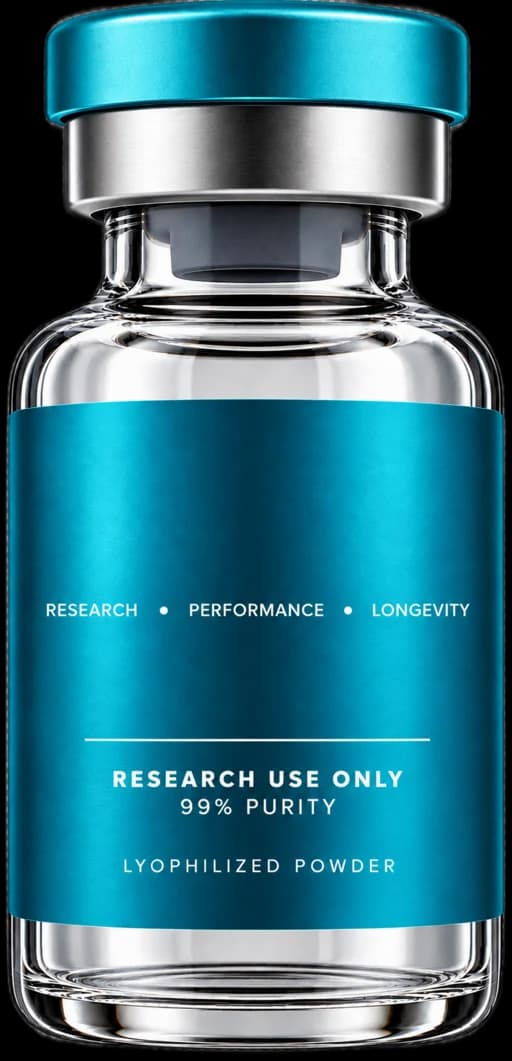
- Listed on our methylene blue vendor comparison, ordered by our vendor rankings
- Lyophilized powder · laboratory research use only
Research-context information only. Methylene blue is the active ingredient in FDA-approved products for methemoglobinemia; research-chemical and compounded forms are not FDA-approved and are sold for research purposes only. Protocols, doses, and reactions reported below come from clinical trials and community sources. This article reports what has been documented, not what should be done. Consult a licensed physician for personal medical decisions.
Vial sizes listed by the vendor
Methylene Blue Vial Sizes & Prices
| Size | List | With our code | Per mg | Availability |
|---|---|---|---|---|
| 10 mg | $16.99 | $15.29 | $1.53 | Sold out |
Prices checked today, 5:05 AM CT on Swiss Chems's site, with code THEPEPTIDECATALOG applied. The lot certificate is on Swiss Chems's product page. Sizes not re-checked in the last 7 days are hidden. The vendor's checkout is final.
Test results
Methylene Blue Certificate of Analysis
View the Methylene Blue certificate on Swiss Chems's product page.
How to check one: how to verify a peptide COA.
Methylene Blue Dosing in Clinical Research
Mitochondrial / Cognition (Low-Dose; Serious Drug Interactions)
Educational reference only. Individual responses vary. Consult healthcare provider before use.
Why This Dosing Protocol
Why grade matters: aquarium/industrial methylene blue contains heavy-metal contaminants; only USP/pharmaceutical-grade is appropriate for research use.
Same research area
Related longevity & mitochondrial peptides
 EpitalonSynthetic tetrapeptide (AEDG) studied in telomere and aging research.
 MOTS-CMitochondria-derived peptide studied in metabolic research.
- AICARAMPK-activating nucleoside analog studied in metabolic research.AICAR
- SS-31 (Elamipretide)Mitochondria-targeted tetrapeptide (elamipretide) studied in mitochondrial research.SS-31 (Elamipretide)
- HumaninMitochondria-derived peptide studied in cellular-stress research.Humanin
 NAD+Nicotinamide adenine dinucleotide, a coenzyme in cellular energy metabolism.
- FOXO4-DRIRetro-inverso FOXO4 peptide studied in preclinical cellular-senescence research.FOXO4-DRI
 GlutathioneTripeptide antioxidant (glutamate-cysteine-glycine).
How Methylene Blue Works
Phenothiazine Redox Dye — Mitochondrial / Cognitive (FDA-Approved Medical Uses; Hormetic, Serious Drug Interactions)
Target → BDNF Stimulation → Cognitive Enhancement → Outcomes
Mitochondrial Electron Transport Chain (Complex IV) + MAO-A
At low concentrations Methylene Blue (methylthioninium chloride) acts as an alternative electron carrier in the mitochondrial electron transport chain, shuttling electrons to cytochrome c oxidase (complex IV) and bypassing complex I/III bottlenecks. It is also a potent reversible MAO-A inhibitor and a nitric-oxide-synthase inhibitor — the basis of both its effects and its drug interactions.
Redox Cycling — Hormetic (U-Shaped) Dose Response
Methylene Blue cycles between its oxidized (MB) and reduced (leucomethylene blue) forms, acting as a redox buffer. The key feature is that the dose-response is hormetic: low doses are antioxidant and energy-supportive, while higher doses flip to pro-oxidant and induce methemoglobinemia. More is not better.
Cellular Energy, Cognition, and Methemoglobin Reversal
Clinically it reverses methemoglobinemia (its FDA-approved use). In research, low doses are studied for cellular energy and cognition — a human fMRI study reported increased memory-task response (Rodriguez 2016). The Alzheimer's-targeted derivative LMTX, however, largely failed its Phase 3 trials.
Low-Dose Acute Effects + Blue Urine
Reported effects are acute and low-dose; there is no validated multi-week enhancement timeline. Harmless blue-green urine appears quickly. Because of MAO-A inhibition, combining it with serotonergic drugs (SSRIs, SNRIs, MAOIs) risks serotonin syndrome — the central safety concern.
What Makes This Peptide Different
Methylene Blue is unusual here: it is a real, FDA-approved drug with a 130-year medical history, not a speculative research peptide. Its appeal is the mitochondrial electron-carrier mechanism, but it carries genuine pharmacology — MAO-A inhibition (serotonin syndrome risk), a hormetic dose curve, G6PD-deficiency contraindication, and methemoglobinemia at higher doses. Pharmaceutical/USP grade is essential.
Technical specifications
Methylene Blue chemical & analytical data
- Form
- Solution in a sealed vial
- Presentation
- 10 mg
- Regulatory status
- Active ingredient in FDA-approved prescription products; research-grade vials are not FDA-approved.
Methylene Blue Reconstitution Calculator
Dilution math and unit conversions. Prefilled using a common vial size for this peptide.
Open calculatorStorage & Handling
Storage at a glance
Proper storage temperatures, shelf life, reconstitution best practices, and travel tips for lyophilized and reconstituted peptides.
Handling specifics
Educational overview on storage, labeling, and traceability considerations for lab environments. Consult primary literature and vendor documentation for specifics.
- Freezer (-20°C): 1+ year
- Refrigerator (2-8°C): 1-3 months
- Room temperature: 2-3 weeks (emergency only)
- MUST refrigerate at 2-8°C
- 4-week maximum shelf life
- NEVER freeze after reconstitution
- Use bacteriostatic water for multi-dose
7 answers
Methylene Blue FAQ: Buying, COA, Storage & Research
What is Methylene Blue?
Is Methylene Blue safe to take with antidepressants?
How much Methylene Blue do people use?
Why does Methylene Blue turn urine blue-green?
How long does reconstituted peptide last?
Is this peptide legal to purchase?
New to peptides?
Methylene Blue Research Articles
Methylene Blue Dosage Chart: Low-Dose Ranges
More is not better with methylene blue — the dose-response is U-shaped. The low-dose ranges from clinical and community sources, and the MAO-A warning.
side-effectsMethylene Blue Side Effects: The Real Risks
The serotonin-syndrome interaction is the one that can be dangerous — plus G6PD, the high-dose reversal, and the harmless blue urine that scares people.
resultsMethylene Blue Results Timeline: What to Expect
The human memory study measured effects within hours of a single dose. What the data say about acute vs longer-term methylene blue use, week by week.
buying-guideBuy Methylene Blue: Price, COA & Cost Per Week
Only 1 vetted Methylene Blue source right now: $16.99 a vial, $1.70/mg. Codes save up to 10%. COA status and real cost per week.
Compare Methylene Blue Vendors Before You Buy
Disclosure: we may earn affiliate commission from qualifying purchases. Educational information only — not medical advice.