Pinealon
Pinealon is a Khavinson short-peptide bioregulator, the tripeptide Glu-Asp-Arg (EDR), studied in cell and rodent models of neuroprotection. It has no human clinical trials. Below: today's vial sizes, prices through our link and the vendor's COA details.
Size
$2.50/mg · In stock
Price
$25.00
List
$89.99
Price shown includes the 50% discount Ascension Peptides applies through our link.
Volume pricing at Ascension Peptides
- 3+ vials3% offin cart
- 5+ vials5% offin cart
- 10+ vials10% offin cart
Applied in Ascension Peptides's cart; how it combines with our discount is set at checkout.
Sold by Ascension Peptides. The Peptide Catalog does not sell peptides; we earn a commission if you buy through this link, at no extra cost to you. For laboratory research use only, not for human or veterinary use. Not FDA-approved. Nothing on this page is medical or dosing advice.
- Vendor-stated testing: Third-party tested · HPLC · public COA
- Listed on our pinealon vendor comparison, ordered by our vendor rankings
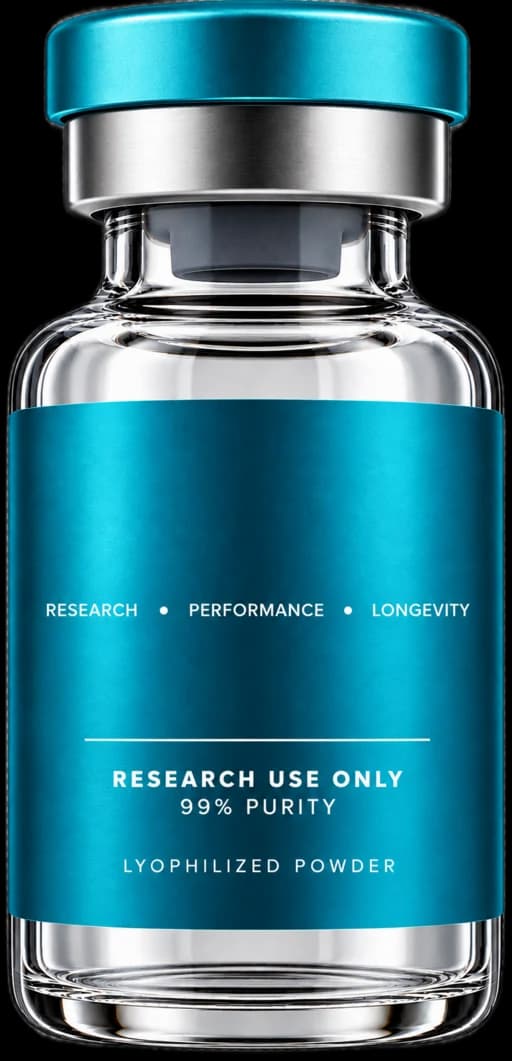
- Lyophilized powder · laboratory research use only
Research-context information only. Pinealon is a research peptide. Protocols, doses, and reactions reported below come from published research and self-reported community sources. This article reports what has been documented, not what should be done. Consult a licensed physician for personal medical decisions.
Vial sizes listed by the vendor
Pinealon Vial Sizes & Prices
| Size | List | Price | Per mg | Availability |
|---|---|---|---|---|
| 10 mg | $89.99 | $25.00 | $2.50 | In stock |
Prices checked today, 5:03 AM CT on Ascension Peptides's site. Vendor-stated testing: Third-party tested · HPLC · public COA. The lot certificate is on Ascension Peptides's product page. Sizes not re-checked in the last 7 days are hidden. The vendor's checkout is final.
Test results
Pinealon Certificate of Analysis
View the Pinealon certificate on Ascension Peptides's product page.
How to check one: how to verify a peptide COA.
Pinealon Dosing in Clinical Research
Neuroprotection (Research / No Human Data)
Educational reference only. Individual responses vary. Consult healthcare provider before use.
Why This Dosing Protocol
Why short courses? Community use mirrors the short-pulse administration of Khavinson-program bioregulators in preclinical work — convention by analogy, not a tested Pinealon protocol.
Same research area
Related cognitive & neuro peptides
 SelankSynthetic tuftsin analog studied in anxiety and neuropeptide research.
 SemaxSynthetic ACTH(4-10) analog studied in neuropeptide research.
 DSIPDelta sleep-inducing peptide, a nonapeptide studied in sleep research.
- CortagenKhavinson tetrapeptide (AEDP) studied in preclinical nervous-system research.Cortagen
- DihexaAngiotensin IV-derived small peptide studied in preclinical cognition research.Dihexa
- NoopeptSynthetic dipeptide-derived compound studied in cognition research.Noopept
- NSI-189Benzylpiperazine-aminopyridine compound studied in neurogenesis research.NSI-189
- P-21CNTF-derived small peptide studied in preclinical neurogenesis research.P-21
How Pinealon Works
Short-Peptide Bioregulator — Neuro / Epigenetic (Preclinical Evidence Only)
Target → Signal → Effect → Outcomes
Neuronal Chromatin / Gene Promoters
Pinealon is the tripeptide Glu-Asp-Arg(EDR), one of the short "peptide bioregulators" from the Khavinson research program. The leading hypothesis is that this small, charged peptide enters the cell and interacts with promoter regions of specific genes — a proposed epigenetic mechanism modeled in docking and cell-culture work, not confirmed in humans.
Reduced Oxidative Stress & Apoptosis
In cultured neurons under oxidative stress, Pinealon produced a dose-dependent reduction in reactive-oxygen-species accumulation and decreased necrotic cell death. Mechanistic papers model it as nudging transcription of neuroprotective and apoptosis-related genes. These are in-vitro and modeling findings — a plausible cellular signal, not a validated human pathway.
Neuroprotection (Animal Models)
The closest thing to a whole-organism effect is rodent: in offspring exposed to prenatal oxidative stress, Pinealon administration was associated with improved spatial learning and lower neuronal oxidative stress. That is a developmental animal model — there is no human systemic outcome data at all.
Unknown in Humans
Honestly, there is no human evidence to predict what a person would notice. The measured effects were cellular and behavioral in animals, not subjective human experiences. "No perceptible change" is fully consistent with the absence of human efficacy data.
What Makes This Peptide Different
Pinealon is not a validated drug — it is a research tripeptidefrom the Khavinson bioregulator framework, marketed as a neuroprotective "brain peptide." What distinguishes it is the proposed epigenetic mechanism (a short peptide acting at gene promoters) — an intriguing idea backed mostly by cell-culture and rodent work from a single group, with no human trials, no FDA evaluation, and no established dose.
Technical specifications
Pinealon chemical & analytical data
- Form
- Lyophilized (freeze-dried) powder in a sealed vial
- Presentation
- 10 mg
- Regulatory status
- Research peptide; research-grade vials are not FDA-approved.
Pinealon Reconstitution Calculator
Dilution math and unit conversions. Prefilled using a common vial size for this peptide.
Open calculatorStorage & Handling
Storage at a glance
Proper storage temperatures, shelf life, reconstitution best practices, and travel tips for lyophilized and reconstituted peptides.
Handling specifics
Educational overview on storage, labeling, and traceability considerations for lab environments. Consult primary literature and vendor documentation for specifics.
- Freezer (-20°C): 1+ year
- Refrigerator (2-8°C): 1-3 months
- Room temperature: 2-3 weeks (emergency only)
- MUST refrigerate at 2-8°C
- 4-week maximum shelf life
- NEVER freeze after reconstitution
- Use bacteriostatic water for multi-dose
7 answers
Pinealon FAQ: Buying, COA, Storage & Research
What is Pinealon (EDR)?
How strong is the evidence behind Pinealon?
Is there a proven Pinealon dose?
Does Pinealon improve sleep, like its 'pineal' name suggests?
How long does reconstituted peptide last?
Is this peptide legal to purchase?
New to peptides?
Pinealon Research Articles
Pinealon Dosage: What the Research Shows
There's no human-trial dose for Pinealon. Community protocols cluster at 5-10mg/day in short courses — here's the math and where the numbers come from.
resultsPinealon Results: What to Expect & When
There's no human timeline for Pinealon — only preclinical data and community reports. What that evidence actually suggests over a short course.
reconstitutionPinealon Reconstitution: 10mg + 1mL Chart
At 10mg/mL, a community-documented 5mg draw is exactly 50 units. Most mixing errors happen at the syringe math. Pinealon dilution chart, storage, and steps.
guidesBuy Pinealon: Compare 3 Vendors, From $49.99
Compare 3 Pinealon vendors side by side: from $49.99 a vial, best value $2.90/mg. Codes save up to 50%. Vial sizes, COA status, real cost per week.
Compare Pinealon Vendors Before You Buy
Disclosure: we may earn affiliate commission from qualifying purchases. Educational information only — not medical advice.