Thymosin Alpha-1

thymalfasinTa1Lyophilized powder

Thymosin alpha-1 is a 28-amino-acid peptide first isolated from the thymus that supports T-cell function. It is approved as a medicine in a number of countries outside the US, but not by the FDA. Below: today's vial sizes, prices through our link and the vendor's COA details.

Size

$4.55/mg · In stock

Price

$45.50

List

$65.00

Buy 10 mg at Nura Peptide

Price shown uses code thepeptidecatalog at Nura Peptide's checkout (30% off list).

Sold by Nura Peptide as Thymosin Alpha-1 (TA1) 10mg. The Peptide Catalog does not sell peptides; we earn a commission if you buy through this link, at no extra cost to you. For laboratory research use only, not for human or veterinary use. Not FDA-approved. Nothing on this page is medical or dosing advice.

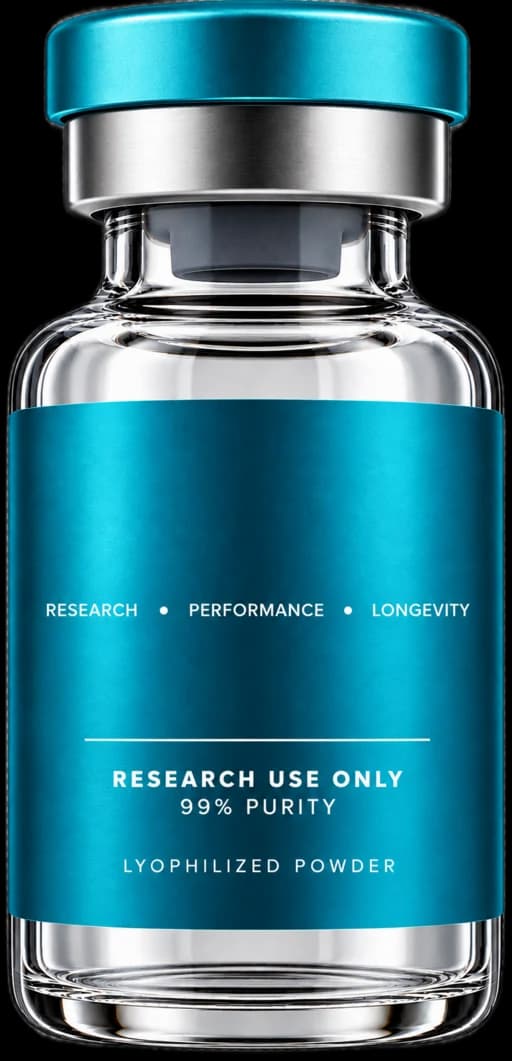
Thymosin Alpha-1 research vial sold by Nura Peptide as Thymosin Alpha-1 (TA1) 10mg
Third-party testedResearch use only
Certificate of AnalysisLot-matched certificates from Nura PeptideView
  • Certificate of Analysis published for every lot
  • Ships from a U.S. fulfillment center, per Nura Peptide
  • Lyophilized powder · laboratory research use only
Research-context information only. Thymosin Alpha-1 is a research peptide. Protocols, doses, and reactions reported below come from published research and self-reported community sources. This article reports what has been documented, not what should be done. Consult a licensed physician for personal medical decisions.

Vial sizes listed by the vendor

Thymosin Alpha-1 Vial Sizes, Prices & Lots

Thymosin Alpha-1 vial sizes, prices and lots at Nura Peptide
SizeListWith our codePer mgAvailability
10 mg$65.00$45.50$4.55In stock

Prices checked today, 6:20 AM CT on Nura Peptide's site, with code thepeptidecatalog applied. Lot data unavailable right now: search Nura Peptide's COA library. Sizes not re-checked in the last 7 days are hidden. The vendor's checkout is final.

Verified test results

Thymosin Alpha-1 Certificate of Analysis

Nura Peptide publishes a third-party certificate for each lot of Thymosin Alpha-1 (TA1) 10mg. The figures below are copied from Nura Peptide's current-lot listings (refreshed hourly; hidden if older than 24 hours). Match the lot number on the vial to its certificate.

Nura Peptide's current-lot certificates could not be loaded just now. Search Nura Peptide's COA library by lot number.

All lots on record: Nura Peptide COA library. How to check one: how to verify a peptide COA.

Thymosin Alpha-1 Dosing in Clinical Research

Immunity

Educational reference only. Individual responses vary. Consult healthcare provider before use.

Vial Size
10 mg
Reconstitution
2 ml BAC water
Dose
1.5 mg (30 units on 1ml syringe)
Timing
AM
Frequency
5 days on, 2 days off
Duration
8 weeks on, 8 weeks off
Protocol Notes
Approved as Zadaxin in 35+ countries for hepatitis B/C and as immune adjuvant. Enhances T-cell function, dendritic cell maturation, and cytokine balance. Well-tolerated with minimal side effects.

Why This Dosing Protocol

Why 5 days on, 2 days off? This schedule (1.5 mg daily) maintains consistent immune modulation while giving the body periodic recovery days. The clinical Zadaxin protocol uses 1.6 mg twice weekly — both approaches achieve sustained T-cell support.

Why 8-week cycles?Immune modulation requires sustained treatment to see measurable T-cell changes (8 weeks on, 8 weeks off). Short courses don't allow enough time for immune system adaptation.

How Thymosin Alpha-1 Works

Immune Peptide — T-Cell Modulator

Target → Immune Activation → T-Cell Response → Outcomes

1
Target

TLR2/TLR9 + Dendritic Cells + T-Cell Precursors

Thymosin Alpha-1 activates toll-like receptors (TLR2, TLR9) on dendritic cells and promotes T-cell maturation from precursors. It's a thymic peptide — naturally produced by the thymus gland, which shrinks with age, contributing to immune decline.

2
Cellular Signal

TLR Activation → Dendritic Cell Maturation → T-Cell Response

TLR2/TLR9 stimulation on dendritic cells enhances antigen presentation — improving the immune system's ability to identify threats. Simultaneously promotes T-cell differentiation and balances Th1/Th2 immune responses.

3
Systemic Effect

Enhanced Adaptive Immunity + Immune Balance

Improved T-cell function and numbers. Better immune surveillance. Balanced inflammatory responses (doesn't just boost — it modulates). Approved in 35+ countries as Zadaxin for hepatitis B/C and as a cancer immunotherapy adjuvant.

4
What You Notice

Fewer Infections → Better Recovery → Immune Resilience

Reduced frequency and severity of infections over weeks to months. Better recovery from illness. Improved response to vaccines. Effects are measured by immune markers (T-cell counts, function) rather than felt as acute changes.

What Makes This Peptide Different

Thymosin Alpha-1 is approved in 35+ countries — one of the most clinically validated immune peptides. Unlike broad immune stimulants, it specifically enhances adaptive immunity (T-cells, dendritic cells) while maintaining immune balance. Particularly relevant for age-related immune decline (immunosenescence), chronic infections, and as a vaccine adjuvant.

Thymosin Alpha-1 Clinical Evidence

Two parallel grades per outcome — clinical RCT depth and real-world community adoption. See the Research Overview below for citations and detail.

OutcomeClinical EvidenceCommunity Evidence
Sepsis mortality reductionWeakModerate
Chronic hepatitis BModerateModerate
Immune reconstitution in immunocompromisedWeakModerate
General immune support / wellnessPreliminaryModerate

Thymosin Alpha-1 Research Overview

Outcome-by-outcome look at what the evidence actually supports for Thymosin Alpha-1, including human vs. animal study counts and our editorial take on each.

Sepsis mortality reduction

Clinical:WeakCommunity:Moderate

The story flipped between 2014 and 2025. Earlier meta-analyses (Wu 2014; Li 2015) pooled small Chinese RCTs and reported a roughly 30-40% relative risk reduction in 28-day mortality. The 1106-patient TESTS Phase 3 trial (Liu 2025) showed essentially no difference (hazard ratio 0.99), reframing the body of evidence as small-trial bias overstating an effect that doesn't survive a properly powered trial.

6 human studies · 4 animal studies

Key findings & citations
  • TESTS Phase 3 (n=1106): 28-day all-cause mortality 23.4% vs 24.1% placebo, HR 0.99 (95% CI 0.77-1.27).
  • Earlier ETASS (2013, n=361) suggested mortality benefit but was underpowered relative to TESTS.
  • Pre-TESTS meta-analyses (Wu 2014, n=1480) reported pooled RR 0.68 — now considered overstated.

Our take

Older meta-analyses said it worked. The Phase 3 said it didn't. Trust the Phase 3 — that's how science is supposed to update.

Chronic hepatitis B

Clinical:ModerateCommunity:Moderate

Multiple RCTs across the late 1990s and 2000s show thymosin α1 produces sustained virologic response in chronic HBV at rates comparable to or modestly better than older interferon regimens. It is approved for HBV in over 30 countries (not the US). Modern nucleoside analogs (entecavir, tenofovir) have largely displaced it as first-line.

8 human studies · 2 animal studies

Key findings & citations
  • Chien 1998 RCT: complete virological response 40.6% (52-week treatment) vs 9.4% control.
  • Phase 3 multicenter (Andreone 2001, n=97): sustained virologic response significantly higher in treated arms.
  • Better tolerated than interferon-α with comparable efficacy in head-to-head trials.

Our take

A real but second-line option for chronic HBV. Modern nucleoside analogs are simpler, cheaper, and more potent — Tα1 is mostly a relic in this indication.

General immune support / wellness

Clinical:PreliminaryCommunity:Moderate

The community use case — chronic Lyme, post-viral fatigue, general 'immune support' — has essentially no controlled human evidence. Mechanistic work (Romani 2007) shows Tα1 modulates dendritic cells and shifts Th1/Th2 balance, but translating that to subjective 'feeling better' lacks RCT support.

0 human studies · 6 animal studies

Key findings & citations
  • Mechanistic data: Tα1 modulates TLR9 signaling and dendritic-cell maturation.
  • No controlled trial in chronic Lyme, CFS, or 'immune optimization' indications.
  • Off-label use is widespread in functional medicine despite the evidence gap.

Our take

If sepsis didn't pan out in Phase 3, it's a stretch to expect 'general immune support' to. Buyer beware on this indication.

What Thymosin Alpha-1 doesn't do

Claims that current evidence does not support. Worth knowing before you set expectations.

Technical specifications

Thymosin Alpha-1 chemical & analytical data

Also known as
thymalfasin, Ta1
Sold by Nura Peptide as
Thymosin Alpha-1 (TA1) 10mg
Receptor targets
TLR2 / TLR9 (T-cell maturation)
Backbone length
28 amino acids
Modifications
N-terminal acetylation; 28-residue thymic peptide
Half-life (clinical PK)
~2 hours
Form
Lyophilized (freeze-dried) powder in a sealed vial
Presentation
10 mg
Regulatory status
Research peptide; research-grade vials are not FDA-approved.

Thymosin Alpha-1 Reconstitution Calculator

Dilution math and unit conversions. Prefilled using a common vial size for this peptide.

Open calculator

Storage & Handling

Storage at a glance

Proper storage temperatures, shelf life, reconstitution best practices, and travel tips for lyophilized and reconstituted peptides.

Powder: Freezer
1+ year at -20°C
Reconstituted: Fridge
4 weeks max at 2-8°C
View Complete Storage Guide

Handling specifics

Educational overview on storage, labeling, and traceability considerations for lab environments. Consult primary literature and vendor documentation for specifics.

Powder storage (very stable)
  • Freezer (-20°C): 1+ year
  • Refrigerator (2-8°C): 1-3 months
  • Room temperature: 2-3 weeks (emergency only)
Reconstituted storage (fragile)
  • MUST refrigerate at 2-8°C
  • 4-week maximum shelf life
  • NEVER freeze after reconstitution
  • Use bacteriostatic water for multi-dose

8 answers

Thymosin Alpha-1 FAQ: Buying, COA, Storage & Research

What is Thymosin Alpha-1?
Thymosin Alpha-1 (Tα1) is a 28-amino acid peptide naturally produced by the thymus gland. It plays a crucial role in immune system regulation, particularly T-cell maturation and function. It's approved in over 35 countries as Zadaxin for treating hepatitis B, hepatitis C, and as an immune adjuvant for vaccines and cancer therapy.
How does Thymosin Alpha-1 work?
Tα1 modulates the immune system through multiple mechanisms: enhancing T-cell differentiation and function, promoting dendritic cell maturation, balancing Th1/Th2 cytokine responses, and increasing natural killer cell activity. It helps restore immune function in immunocompromised individuals without causing dangerous overstimulation.
What is Thymosin Alpha-1 used for?
Clinically, Tα1 is used for chronic hepatitis B/C, as an immune adjuvant in cancer therapy, for vaccine enhancement in immunocompromised patients, and for chronic infections. Research explores applications in sepsis, immunodeficiency, and as supportive therapy for various conditions requiring immune support.
What is the difference between Thymosin Alpha-1 and Thymosin Beta-4?
Despite similar names, these are different peptides with different functions. Thymosin Alpha-1 is an immunomodulator that enhances T-cell function. Thymosin Beta-4 (TB-4/TB-500) is involved in tissue repair, cell migration, and wound healing. They come from different parts of the thymus and have distinct mechanisms of action.
What are the side effects of Thymosin Alpha-1?
Tα1 is generally very well-tolerated with an excellent safety profile established over decades of clinical use. Minor side effects may include injection site reactions (redness, mild pain) and rarely mild flu-like symptoms. It does not cause the dangerous immune overstimulation seen with some other immunomodulators.
How long does reconstituted peptide last?
Once mixed with bacteriostatic water, peptides remain stable for up to 4 weeks when refrigerated at 2-8°C (36-46°F). Unopened powder can last 1+ year in the freezer. Get our complete Storage & Travel Guide.
Is this peptide legal to purchase?
Peptides sold "for research purposes only" are legal to purchase in the US, but are not FDA-approved for human use outside of specific medical applications. Always consult a healthcare provider before use.
New to peptides?
Take our Peptide Match tool to find the best peptide for your goals. You can also read our Complete Guide to Peptides to learn the basics.

Thymosin Alpha-1 Studies & Sources

The following peer-reviewed studies and official resources provide additional scientific context for this peptide:

Thymosin Alpha-1 Research Articles

Compare Thymosin Alpha-1 to alternatives

Side-by-side mechanism, dose, half-life, and vendor pricing.

Open compare →

Compare Thymosin Alpha-1 Vendors Before You Buy

Disclosure: we may earn affiliate commission from qualifying purchases. Educational information only — not medical advice.