dosingApril 25, 2026·6 min read

Humanin Dosage Chart: 0.5-2mg HNG Daily Protocol

Native humanin is 1,000x weaker than HNG — the analog choice matters most. Covers HNG dosing, 8-12 week cycling, and longevity stacking.

Humanin Dosing: 0.5-2mg HNG Daily Protocol

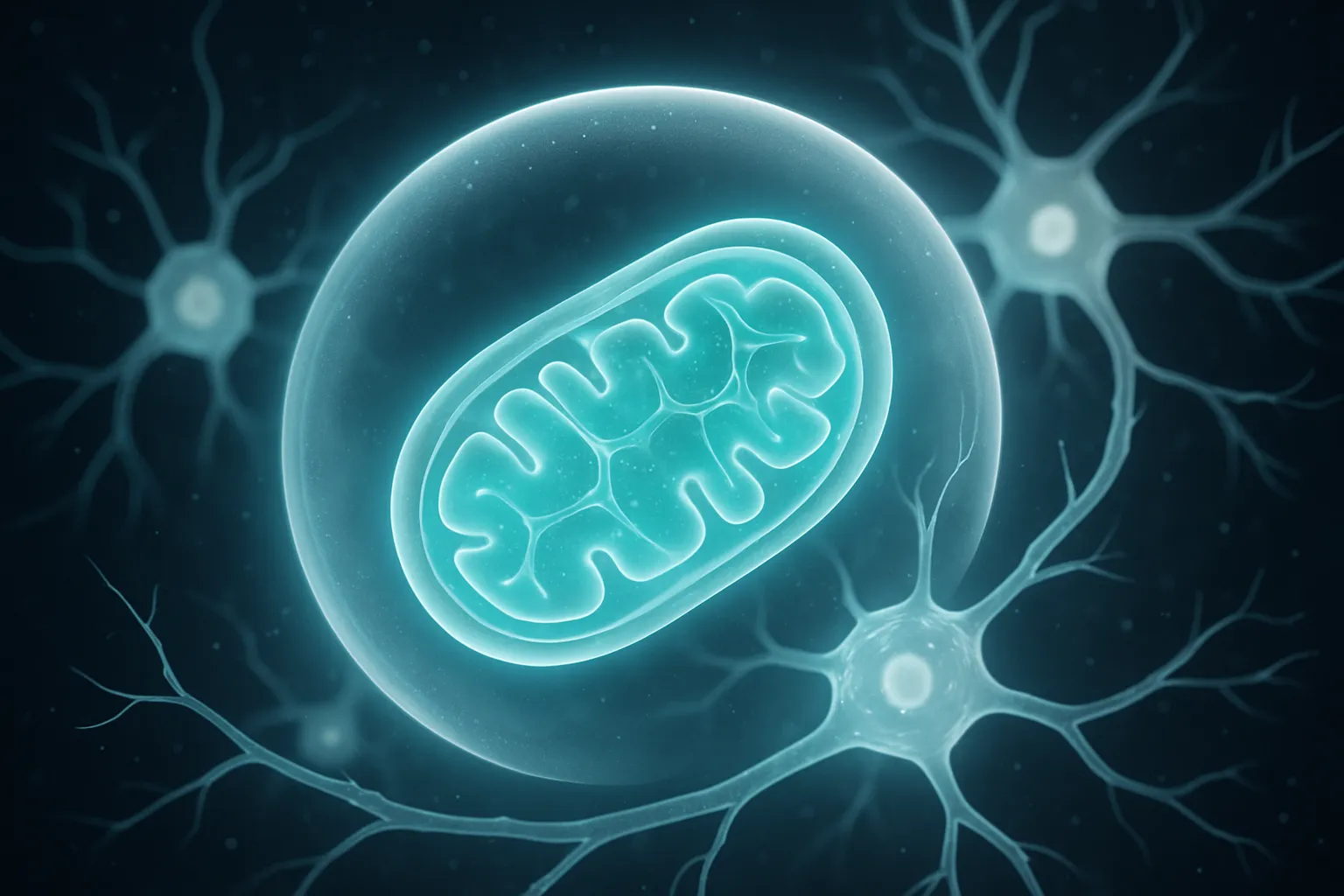
Humanin is a 24-amino acid mitochondrial-derived peptide originally discovered in 2001 as a factor protecting neurons from Alzheimer's disease-related cell death. The potent analog HNG (S14G-humanin) is most commonly used. This is not medical advice.

Research-context information only. Humanin is a research peptide. Protocols, doses, and reactions reported below come from published research and self-reported community sources. This article reports what has been documented, not what should be done. Consult a licensed physician for personal medical decisions.

Humanin Dosing Table

Match your vial size below — reconstitution and dose math update automatically.

Reconstitute: add 2 mL of bacteriostatic water to the 5 mg vial. Resulting concentration: 2.5 mg/mL.
500 mcg20 units · 0.2 mL
Daily SubQ (8-12 week cycle)
HNG analog standard
1 mg40 units · 0.4 mL
Daily SubQ
Standard
2 mg80 units · 0.8 mL
Daily SubQ
Advanced

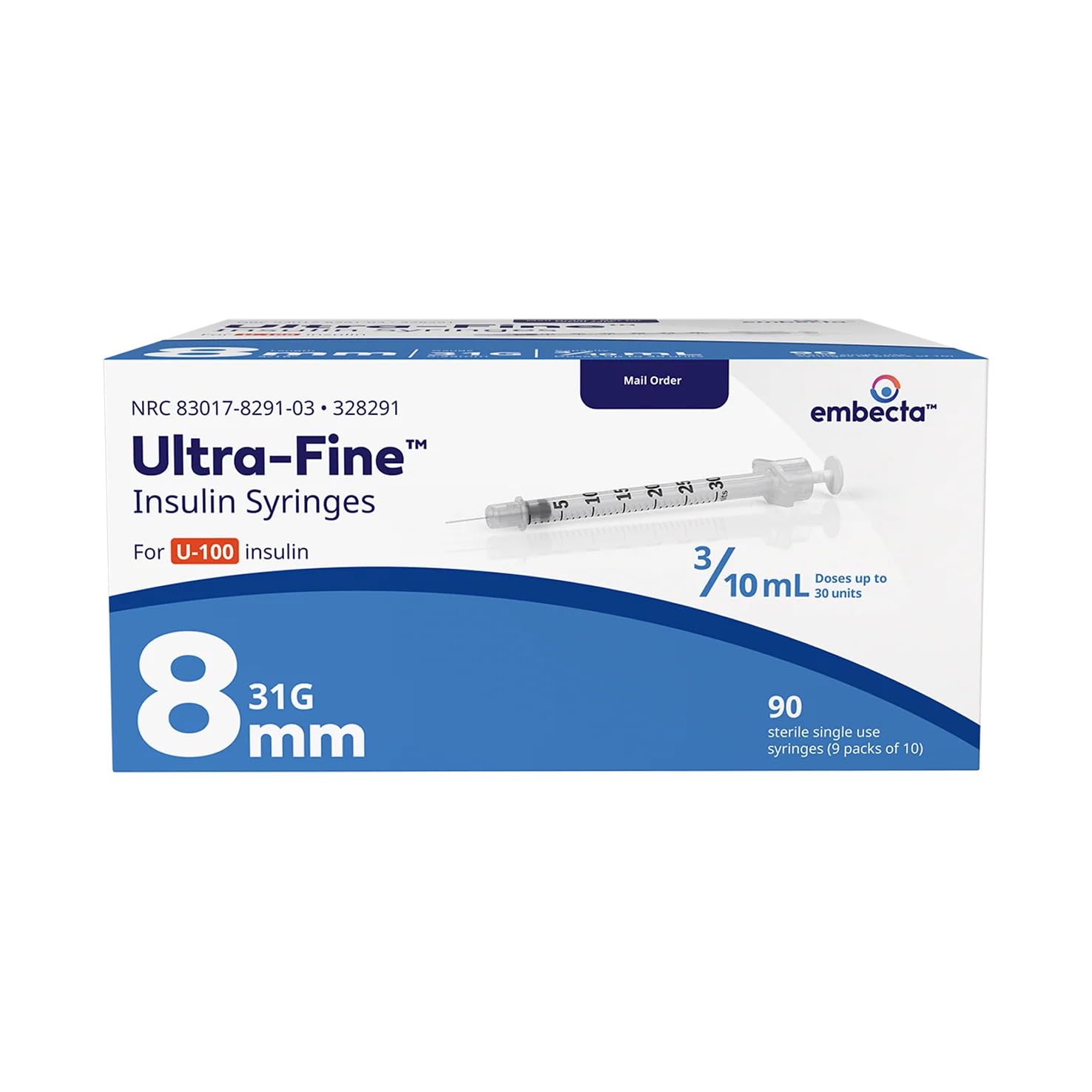
Math assumes U-100 insulin syringes (1 mL = 100 units). Verify your syringe matches before injecting. Round half-units to the nearest visible mark.

Quick Reference: Community Protocol

Parameter Detail
Form HNG (S14G-humanin)
Dose 0.5-2 mg/day
Route Subcutaneous injection
Timing AM (morning)
Frequency Daily
Cycle 8-12 weeks on, 4-8 weeks off
Vial size 5 mg
Reconstitution 2 mL BAC water (2,500 mcg/mL)
Draw amount 40 units for 1 mg dose
Storage Refrigerate, use within 28 days

Humanin has no standardized clinical dosing protocol — this is a community protocol based on animal research extrapolation and empirical reports. Native humanin is rarely used due to HNG's 1,000x greater potency.

Cycling Details

Community protocols typically begin at 0.5 mg HNG daily during Week 1, advancing to 1–2 mg if well-tolerated. Most community users settle at 1 mg daily as their standard protocol.

The 8-12 week on / 4-8 week off cycling approach is conservative given the complete absence of human clinical trial data for exogenous supplementation. Natural humanin levels are constant (declining with age), so the cycling rationale is precautionary rather than evidence-based.

Routes of Administration

Subcutaneous (community standard): Abdomen, love handles, or thighs. Volume is typically 0.1-0.3 mL with insulin syringe. Once daily, morning.

Intravenous / Intracerebroventricular: IV and ICV routes appear only in animal study protocols; subcutaneous administration is the route documented in community sources.

30ml bacteriostatic water vial — 0.9% benzyl alcohol multi-dose
Bac Water Made for Peptides50% off
Don't risk a $300 peptide on generic bac water.
Most cloudy reconstitutions trace back to one thing — and it isn't the peptide. Sterile, non-pyrogenic, 0.9% benzyl alcohol — formulated for peptide reconstitution, not repackaged from generic stock.
0.9% benzyl alcohol Made for peptides 30 mL multi-dose
See why our bac water doesn't ruin peptides
Ships fast · 50% off with code thepeptidecatalog

Reconstitution Quick Reference

The dilution ratios below reflect concentrations documented in community reconstitution sources and are presented as reference math, not a dosing schedule.

Vial Size BAC Water Concentration 1 mg Dose
5 mg 2 mL 2,500 mcg/mL 40 units

Math: 5,000 mcg / 2 mL = 2,500 mcg/mL. 1,000 mcg / 2,500 = 0.4 mL = 40 units. Swirl gently, refrigerate, use within 28 days.

For step-by-step reconstitution instructions, see the BPC-157 reconstitution guide — same technique applies to all lyophilized peptides.

Affiliate disclosure: vendor links in this article are affiliate links — The Peptide Catalog may earn a commission if you buy through them, at no additional cost to you.

Where These Numbers Come From

Humanin research is extensive in animal and cell models but completely lacks human clinical trials for exogenous supplementation.

Humanin was discovered by Hashimoto et al. through a functional screen of cDNA from an Alzheimer's disease patient's brain, identified as a factor that protected neurons from amyloid-beta toxicity (Hashimoto et al., 2001). A landmark study demonstrated that humanin overexpression extends lifespan in C. elegans through daf-16/FOXO-dependent mechanisms (Muzumdar et al., 2020).

Humanin directly prevents mitochondrial membrane permeabilization by inhibiting Bax and Bid oligomerization — a key step in the intrinsic apoptosis pathway (Bhatt et al., 2017). The analog HNG also improves insulin sensitivity and enhances glucose-stimulated insulin secretion (Kuliawat et al., 2013).

No human clinical trials exist for exogenous humanin/HNG supplementation. Dosing is entirely extrapolated from animal pharmacokinetic data, in vitro bioactive concentrations, the peptide's natural age-related decline, and community experience.

Stacking Protocols

Stack Humanin Dose Partner Partner Dose Purpose
MOTS-c 0.5-1 mg/day MOTS-c 5-10 mg/day Mitochondrial stack
SS-31 0.5-1 mg/day SS-31 Per protocol Mitochondrial protection
Epitalon 0.5-1 mg/day Epitalon Per protocol Multi-pathway longevity
FOXO4-DRI 0.5-1 mg/day FOXO4-DRI Per protocol Senolytic + cytoprotection

Community protocols describe introducing each peptide individually before combining. Community sources describe rotating injection sites when running multiple peptides simultaneously. Community resources commonly note that anti-apoptotic peptides raise theoretical concerns in the presence of active malignancy; current cancer screening is frequently listed as a precondition in community protocols.

Side Effects & Safety

  • Generally well-tolerated at 0.5-2 mg HNG daily in community reports
  • Injection site reactions — standard mild redness, occasional irritation
  • Mild fatigue — occasional, usually transient
  • Anti-apoptotic concern — humanin's potent anti-apoptotic activity raises theoretical questions about cancer risk; community protocols typically exclude active malignancy given humanin's anti-apoptotic mechanism
  • Metabolic effects — community reports describe enhanced insulin sensitivity; users with diabetes in community sources note monitoring blood glucose
  • No serious adverse events reported in community forums or animal studies
  • Pregnancy/lactation — no safety data exists for pregnancy or lactation; community protocols exclude these populations

mg to Units Conversion

On a standard 100-unit insulin syringe, each "unit" equals 0.01 mL (so 100 units = 1 mL). Once humanin is reconstituted, the conversion from a target dose to syringe units depends on the chosen dilution.

The two reconstitution ratios most often described in community protocols are below.

Reconstitution A: 5 mg vial + 2 mL BAC water (2.5 mg/mL) — the standard dilution from the Quick Reference above.

Dose (mg) Volume (mL) Units (insulin syringe)
0.5 mg 0.2 mL 20 units
1 mg 0.4 mL 40 units
1.5 mg 0.6 mL 60 units
2 mg 0.8 mL 80 units

Reconstitution B: 5 mg vial + 1 mL BAC water (5 mg/mL) — less BAC water for a lower total volume, so smaller draws and less fridge space.

Dose (mg) Volume (mL) Units (insulin syringe)
0.5 mg 0.1 mL 10 units
1 mg 0.2 mL 20 units
1.5 mg 0.3 mL 30 units
2 mg 0.4 mL 40 units

These conversions reflect the dilutions documented in community reconstitution protocols. They report how the math is described, not a recommended dosing schedule.

Frequently Asked Questions

What is the standard humanin dose?
There is no established human clinical dose. Research protocols use HNG (S14G-humanin, a potent analog) at doses extrapolated from animal studies, typically 0.5-2 mg subcutaneous daily in community protocols. All dosing is experimental.
What is the difference between humanin and HNG?
HNG (S14G-humanin) is a synthetic analog with a glycine substitution at position 14 that makes it approximately 1,000x more potent than native humanin. Most research and community protocols use HNG rather than native humanin.
How does humanin work for neuroprotection?
Humanin inhibits Bax-mediated mitochondrial apoptosis, reduces amyloid-beta toxicity, activates STAT3 signaling, and improves mitochondrial function. It was originally discovered as a factor protecting neurons from Alzheimer's disease-related insults.
What does research report about humanin safety?
Humanin is an endogenous peptide that declines with age. No human clinical trials exist for exogenous supplementation. Animal studies show excellent tolerability. Community users report minimal side effects, but long-term human safety data is absent.
Can humanin be stacked with MOTS-c?
Yes — this is a popular mitochondrial peptide stack. Humanin provides cytoprotective and neuroprotective effects while MOTS-c targets metabolic regulation and insulin sensitivity. Both are mitochondrial-derived peptides with complementary mechanisms.
How long should a humanin cycle last?
Community protocols typically run 8-12 weeks on, 4-8 weeks off. This conservative cycling approach accounts for the complete absence of long-term human safety data for exogenous humanin administration.

References

Citation Topic PMID
Hashimoto et al., PNAS (2001) Discovery of humanin as rescue factor against familial AD 11371646
Muzumdar et al., Aging (2020) Humanin regulates lifespan via daf-16/FOXO pathway 32575074
Kumfu et al., Biomedicines (2023) Comprehensive review of humanin neuroprotective action 38132360
Bhatt et al., Journal of Biological Chemistry (2017) Humanin inhibits Bax/Bid mitochondrial membrane permeabilization 29265109
Kuliawat et al., FASEB Journal (2013) Humanin analog enhances insulin secretion in beta cells 23995290

For educational and research purposes only. This is not medical advice. Humanin/HNG supplementation is entirely experimental with no human clinical trials. Consult a healthcare provider before use.