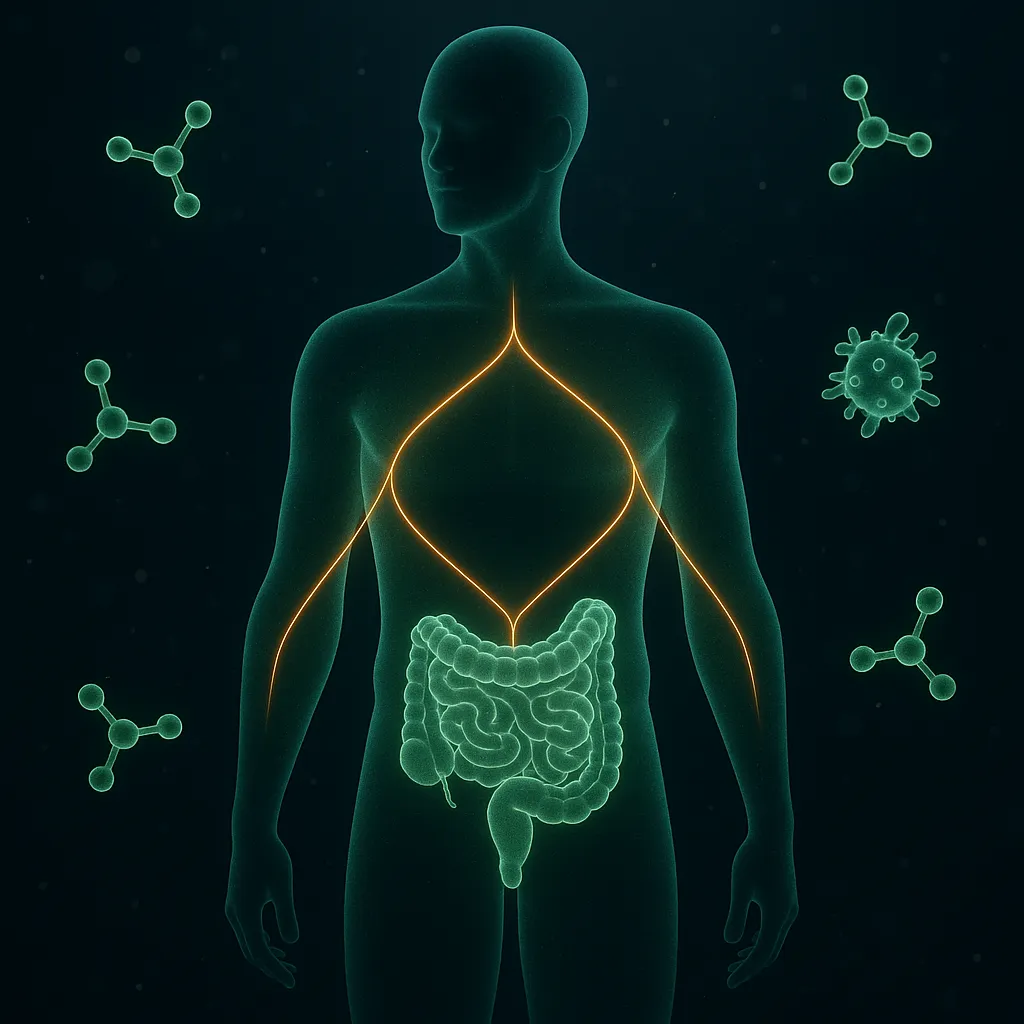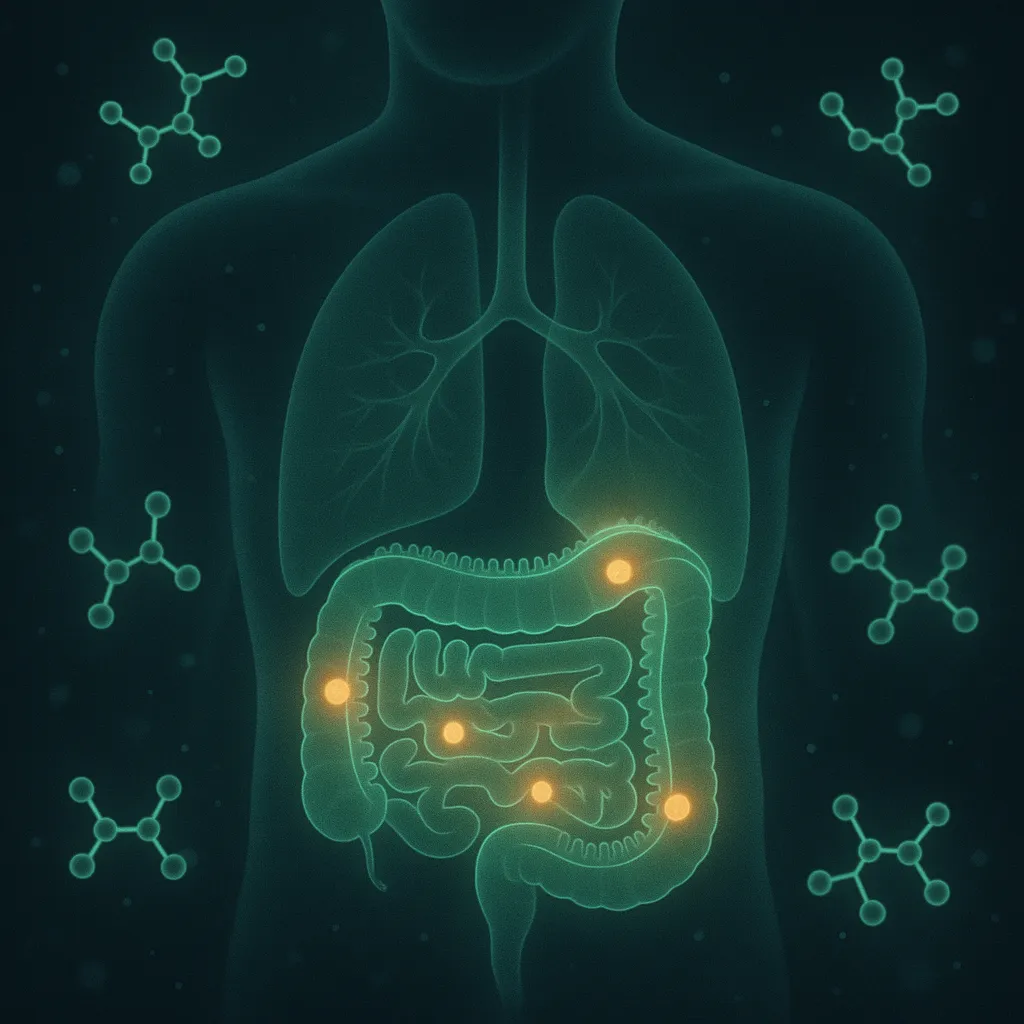
KPV (Lys-Pro-Val) is a naturally occurring tripeptide — the C-terminal fragment of alpha-melanocyte stimulating hormone (alpha-MSH). It retains the full anti-inflammatory potency of the parent hormone without causing skin tanning. The research interest in KPV centers on one standout property: it inhibits NF-kB signaling at nanomolar concentrations and works orally, making it one of the few peptides with demonstrated gut-targeted bioactivity.
Research-context information only. KPV is a research peptide. Protocols, doses, and reactions reported below come from published research and self-reported community sources. This article reports what has been documented, not what should be done. Consult a licensed physician for personal medical decisions.
Below are 5 KPV benefits ranked by evidence strength — strongest first. Most evidence is preclinical (animal and in vitro studies), so expectations should be calibrated accordingly. This is not medical advice.
How KPV Works
KPV's anti-inflammatory mechanism operates through two primary pathways.
NF-kB inhibition. NF-kB is the master transcription factor controlling inflammatory gene expression. When activated, it drives production of TNF-alpha, IL-1beta, IL-6, and other pro-inflammatory cytokines. KPV inhibits NF-kB activation at nanomolar concentrations, effectively turning down the inflammatory cascade at its source (Dalmasso et al., 2008).
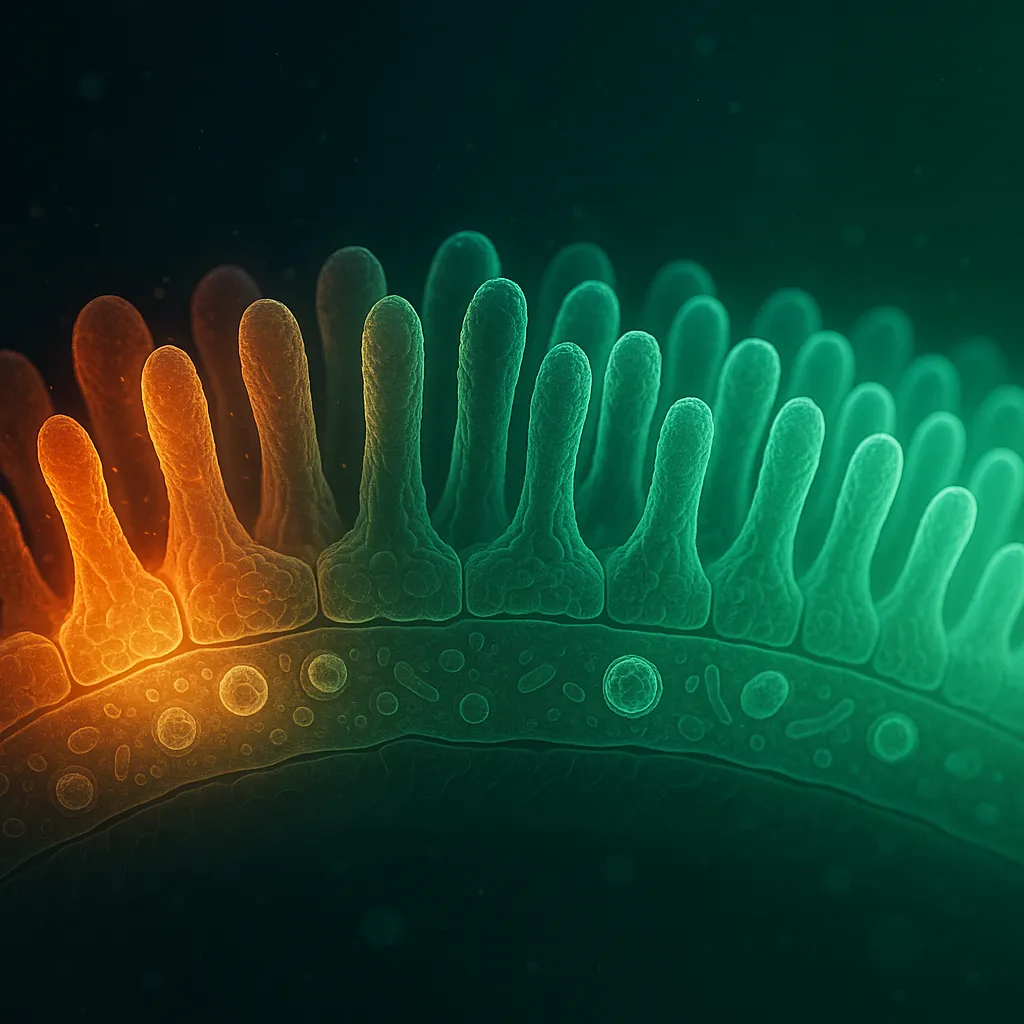
PepT1-mediated uptake. This is what makes KPV unique among peptides. PepT1 is a di/tripeptide transporter expressed in intestinal epithelial cells — and its expression is upregulated during gut inflammation. This means inflamed tissue actively imports more KPV, creating a self-targeting mechanism. Oral KPV reaches the exact cells that need it most (Dalmasso et al., 2008).
KPV also inhibits MAP kinase (MAPK) signaling and reduces pro-inflammatory cytokine secretion from immune cells. Unlike full alpha-MSH, KPV's effects appear largely independent of melanocortin receptor (MC1R) signaling — explaining why it does not cause tanning (Getting et al., 2003).
1. Gut Inflammation and IBD
Evidence level: Strong (multiple animal studies)
This is KPV's standout benefit and the one with the most robust data. Oral KPV significantly reduced colitis severity in both DSS-induced and TNBS-induced mouse models — two standard models of inflammatory bowel disease (Dalmasso et al., 2008).
In a separate study using two different colitis models, KPV-treated mice showed earlier recovery, significantly stronger weight regain, and reduced inflammatory cell infiltration compared to controls (Kannengiesser et al., 2008). The authors concluded that KPV represents "an interesting therapeutic option for the treatment of IBD."
What makes the gut data compelling is the delivery mechanism. PepT1 expression increases in inflamed colon tissue — tissue that normally has low PepT1 levels. This means KPV accumulates preferentially in the areas with the most inflammation. A 2017 study using hyaluronic acid-functionalized nanoparticles loaded with KPV showed enhanced mucosal healing and significant TNF-alpha downregulation in ulcerative colitis models (Xiao et al., 2017).
A follow-up study demonstrated that KPV delivered via PepT1 also prevented colitis-associated carcinogenesis in mice — an effect that was abolished in PepT1-knockout animals, confirming the transporter-dependent mechanism (Viennois et al., 2016).
Practical takeaway: Oral dosing (500 mcg-1 mg on empty stomach) is the preferred route for gut inflammation. See the KPV dosing guide for the full protocol.
2. Systemic Anti-Inflammatory Effects
Evidence level: Moderate (animal studies, comprehensive reviews)
KPV's anti-inflammatory effects extend well beyond the gut. In a peritonitis model, KPV reduced inflammatory cell migration comparable to full-length alpha-MSH — despite being only 3 amino acids versus 13 (Getting et al., 2003). This confirmed that the C-terminal tripeptide retains the full anti-inflammatory potency of the parent hormone.
A comprehensive review established that alpha-MSH and its derivatives (including KPV) are effective across multiple inflammatory conditions: contact dermatitis, vasculitis, fibrosis, allergic airway inflammation, arthritis, and organ injury models (Brzoska et al., 2008). The review noted KPV's particular advantage: anti-inflammatory activity without pigmentary effects.
The breadth of anti-inflammatory action is explained by NF-kB's role as a universal inflammatory mediator. By inhibiting NF-kB upstream, KPV dampens inflammation regardless of which tissue is affected.
Practical takeaway: Subcutaneous injection (500 mcg) is the preferred route for systemic anti-inflammatory effects beyond the gut.
3. Skin Inflammation
Evidence level: Moderate (animal models, in vitro)
KPV signals in human keratinocytes through calcium mobilization rather than the classical cAMP pathway, triggering rapid intracellular calcium responses at concentrations as low as femtomolar (10^-15 M) (Wikberg et al., 2004). This suggests KPV modulates skin cell inflammatory responses at extremely low concentrations.
In animal models, alpha-MSH-derived peptides including KPV have demonstrated efficacy in contact dermatitis, cutaneous vasculitis, and fibrosis (Brzoska et al., 2008). The anti-inflammatory effect in skin appears to work through direct NF-kB inhibition in keratinocytes and local immune cells rather than through melanocortin receptor signaling.
The lack of tanning is a meaningful advantage here. Full alpha-MSH or melanotan peptides would cause pigmentation changes when targeting skin inflammation — KPV does not.
Practical takeaway: Subcutaneous injection targets systemic skin inflammation. Topical formulations are being investigated but are not yet widely available.
4. Antimicrobial Activity
Evidence level: Moderate (in vitro)
KPV and alpha-MSH peptides demonstrate direct antimicrobial effects against Staphylococcus aureus and Candida albicans — two pathogens commonly found in skin and gut (Cutuli et al., 2000). The antimicrobial activity occurs across a broad concentration range, including physiological picomolar levels.
The mechanism involves increasing cellular cAMP in the target organisms. Alpha-MSH peptides significantly inhibited S. aureus colony formation and reduced Candida viability and germ tube formation. The researchers noted that peptides combining "antipyretic, anti-inflammatory, and antimicrobial effects could be useful in treatment of disorders in which infection and inflammation coexist."
This dual anti-inflammatory and antimicrobial profile is relevant for gut health, where dysbiosis and inflammation often co-occur.
Practical takeaway: The antimicrobial benefit is additive to the anti-inflammatory effects — not a standalone reason to use KPV. For dedicated antimicrobial action, LL-37 is the stronger choice.
5. Potential Cancer Prevention (Colitis-Associated)
Evidence level: Early (single animal study)
One study showed KPV prevented colitis-associated carcinogenesis in mice when delivered via PepT1. This effect was abolished in PepT1-knockout animals, confirming the mechanism is transporter-dependent (Viennois et al., 2016). Human colorectal cancer biopsies showed increased PepT1 expression, suggesting the transporter could be a therapeutic target.
This is early-stage evidence from a single research group and should not be extrapolated to cancer prevention claims. The finding is notable because it demonstrates that KPV's anti-inflammatory effects in the gut may have downstream protective consequences — but substantially more research is needed.
Practical takeaway: Do not use KPV for cancer prevention. This data point supports the gut inflammation thesis but is not independently actionable.
Ready to buy? Compare verified vendors on our best KPV sources page, or browse all coupon codes for up to 50% off.