guidesApril 26, 2026·7 min read

Liraglutide Dosage: 0.6 to 3.0mg Weight Loss Schedule

Skipping titration sharply raised nausea rates in trials. Week-by-week schedule from 0.6mg to full dose with GI management.

Liraglutide Dosing: 0.6 to 3.0mg Weight Loss Schedule

Liraglutide is an FDA-approved GLP-1 receptor agonist with 97% homology to native human GLP-1 — one of the most extensively studied peptide therapies for both type 2 diabetes and weight management. Unlike many peptides on this site, liraglutide has well-established FDA-approved dosing. This is not medical advice — work with your prescriber.

Research-context information only. Liraglutide is the active ingredient in FDA-approved products for type 2 diabetes and chronic weight management; research-peptide and compounded forms are not FDA-approved and are sold for research purposes only. Protocols, doses, and reactions reported below come from clinical trials and community sources. This article reports what has been documented, not what should be done. Consult a licensed physician for personal medical decisions.

Liraglutide Dosing Table

Match your vial size below — reconstitution and dose math update automatically.

Reconstitute: add 3 mL of bacteriostatic water to the 30 mg vial. Resulting concentration: 10 mg/mL.
0.6 mg6 units · 0.06 mL
Daily SubQ
Week 1 (titration)
1.2 mg12 units · 0.12 mL
Daily SubQ
Week 2
1.8 mg18 units · 0.18 mL
Daily SubQ
Week 3
2.4 mg24 units · 0.24 mL
Daily SubQ
Week 4
3 mg30 units · 0.3 mL
Daily SubQ
Week 5+ (target)

Math assumes U-100 insulin syringes (1 mL = 100 units). Verify your syringe matches before injecting. Round half-units to the nearest visible mark.

Quick Reference: Community Protocol

Liraglutide uses FDA-approved dosing as the protocol.

Parameter Detail
Target dose (weight loss) 3.0 mg/day
Target dose (diabetes) 1.2-1.8 mg/day
Route Subcutaneous injection
Timing Any time, consistent daily
Frequency Daily
Cycle Long-term (continuous)
Form Pre-filled pen (18 mg/3 mL)
Reconstitution None — pre-filled pen
Storage Refrigerate unused; in-use pen room temp 30 days

The FDA-approved titration schedule used in clinical trials:

  • Week 1: 0.6 mg daily
  • Week 2: 1.2 mg daily
  • Week 3: 1.8 mg daily
  • Week 4: 2.4 mg daily
  • Week 5+: 3.0 mg daily

Cycling Details

Liraglutide for weight management was studied as long-term continuous use — no cycling. The 5-week titration was central to the trial protocol: each 0.6 mg increment allows GLP-1 receptors in the GI tract to adapt, substantially reducing nausea and vomiting.

When 3.0 mg was not tolerated, trial protocols maintained the highest tolerated dose. When nausea was severe at a given step, protocols described holding the current dose for an extra week before increasing. Weight regain typically occurred upon discontinuation — the SCALE trial ran 56 weeks with continued benefit.

Missed dose: Product labeling describes injecting as usual if less than 12 hours late; if more than 12 hours, skipping and resuming the next day. Double dosing is not described in any protocol.

Lyophilized Vial Reconstitution (Research Use)

For compounding pharmacies or research-grade liraglutide in lyophilized form:

Vial Size BAC Water Concentration 0.6 mg 1.8 mg 3.0 mg
5 mg 2 mL 2.5 mg/mL 24 units 72 units 120 units (split)

The dilution math underlying published reconstitution protocols: 5,000 mcg ÷ 2 mL = 2,500 mcg/mL. At a 600 mcg target dose, community-documented draw volumes work out to 0.24 mL (24 units on a standard insulin syringe). Higher target doses favor a 10 mg vial with 2 mL BAC water (5 mg/mL).

Research facilities and compounding pharmacies sourcing bacteriostatic water for peptide reconstitution commonly use the following suppliers.

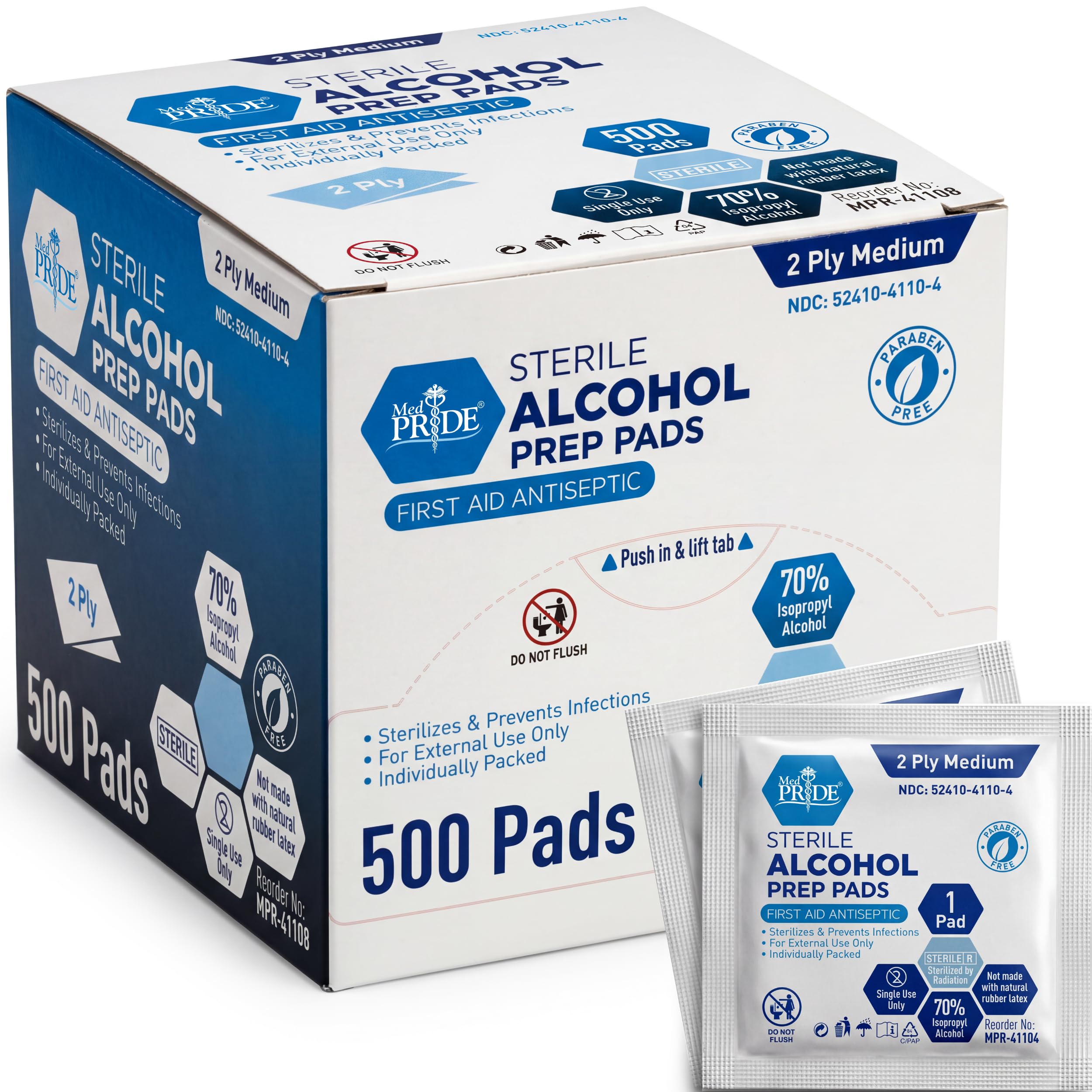
30ml bacteriostatic water vial — 0.9% benzyl alcohol multi-dose
Bac Water Made for Peptides
Don't risk a $300 peptide on generic bac water.
Most cloudy reconstitutions trace back to one thing — and it isn't the peptide. Sterile, non-pyrogenic, 0.9% benzyl alcohol — formulated for peptide reconstitution, not repackaged from generic stock.
0.9% benzyl alcohol Made for peptides 30 mL multi-dose
See why our bac water doesn't ruin peptides
30ml from $18.75 · Ships fast · Code thepeptidecatalog

Routes of Administration

Liraglutide Injection Routes

Subcutaneous (only approved route): Abdomen (most common, best absorption), thigh, or upper arm. Protocols describe rotating sites within the same region, pinching a skin fold, inserting at a 90-degree angle, and holding 6 seconds before withdrawing.

Pre-filled pen use: Product labeling describes a new needle for each injection and priming before first use (dial 0.6 mg, point up, press until a drop appears). No reconstitution needed.

Affiliate disclosure: vendor links in this article are affiliate links — The Peptide Catalog may earn a commission if you buy through them, at no additional cost to you.

Where These Numbers Come From

Liraglutide has one of the strongest clinical evidence bases of any peptide therapy.

The landmark SCALE trial (3,731 patients, 56 weeks) showed 8.0% average weight loss with liraglutide 3.0 mg vs 2.6% with placebo. 63.2% of patients lost 5%+ body weight (Pi-Sunyer et al., 2015). The SCALE Diabetes trial (846 patients with T2D) showed 6.0% weight loss with significant HbA1c improvement (Davies et al., 2015).

The LEADER cardiovascular outcomes trial (9,340 patients, 3.8 years) demonstrated a 13% reduction in major adverse cardiovascular events and 22% reduction in cardiovascular death (Marso et al., 2016). A comprehensive review confirmed efficacy across multiple populations and the importance of the titration schedule (Mehta et al., 2017).

Where to Source

Ready to buy? Compare verified vendors on our best liraglutide sources page, or browse all coupon codes for up to 50% off. (Affiliate links — we earn a commission at no cost to you.)

Stacking Protocols

Stack Liraglutide Dose Partner Partner Dose Purpose
Metformin 1.2-1.8 mg/day Metformin 500-2000 mg oral Standard T2D combination
Lifestyle 3.0 mg/day Diet + exercise 500 kcal deficit + 150 min/wk Trials reported larger weight loss vs drug alone

Combining with other GLP-1 RAs (semaglutide, tirzepatide) is described as redundant — overlapping mechanisms and increased GI side effects. Trial data describes sulfonylurea dose reduction (hypoglycemia risk) and careful insulin adjustment when co-administered.

For comparisons with other GLP-1 agents, see our liraglutide vs semaglutide comparison.

Side Effects & Safety

  • Nausea — 39% (most common, peaks during dose escalation, improves after 4-8 weeks)
  • Diarrhea — 21%
  • Constipation — 19%
  • Vomiting — 16%
  • Headache — 14%
  • Pancreatitis — rare (<0.5%); trials flagged it for immediate discontinuation and evaluation
  • Gallbladder disease — increased with rapid weight loss
  • Thyroid C-cell tumors — boxed warning based on rodent studies; contraindicated with MTC/MEN2 history

GI side-effect management reported in trials and community sources: slow titration (most effective in trial data), smaller meals, hydration, avoiding high-fat meals, and holding any dose step for an extra week when needed.

mg to Units Conversion

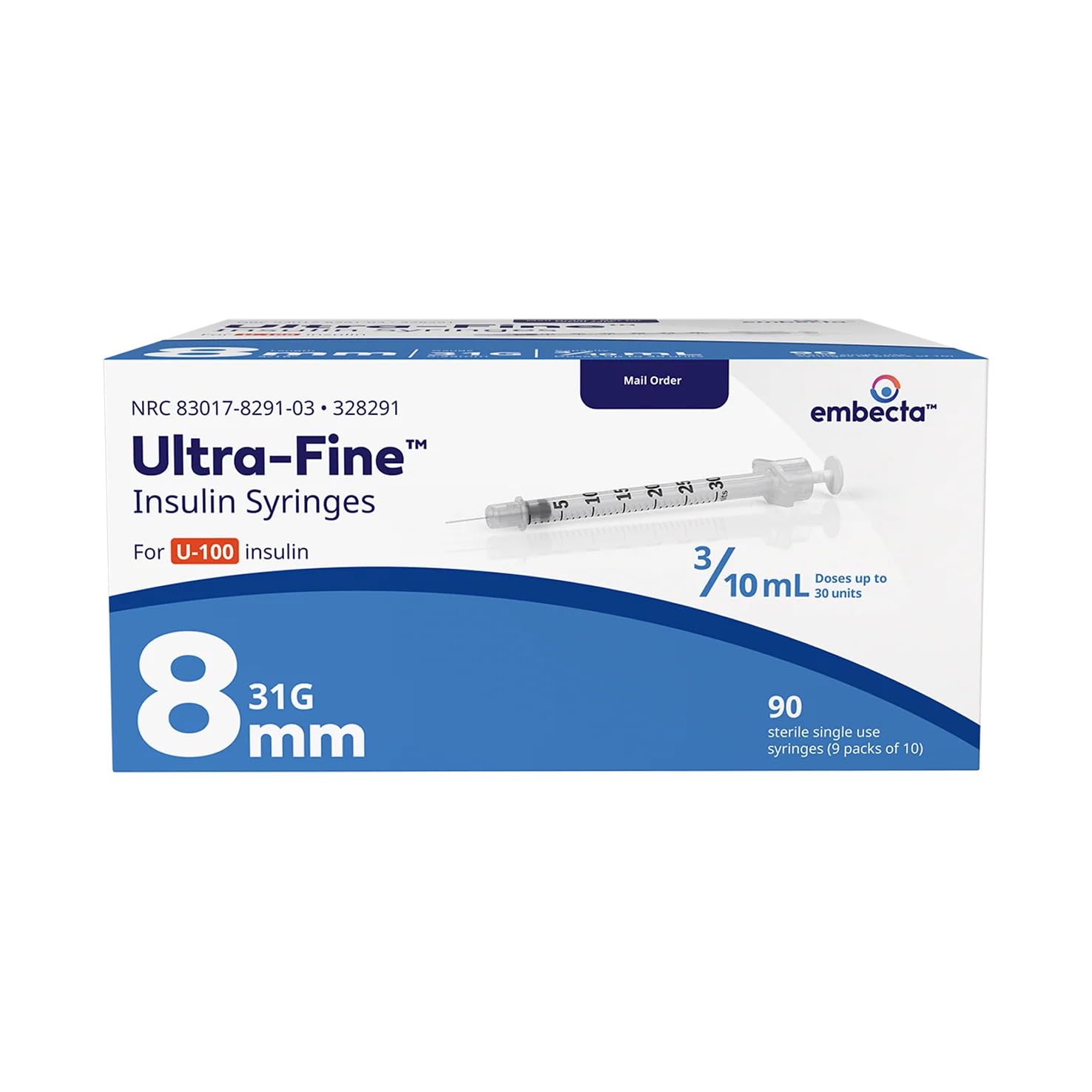
On a standard 100-unit insulin syringe, each "unit" equals 0.01 mL (so 100 units = 1 mL). FDA-approved liraglutide ships in a pre-filled pen and requires no syringe math — the pen dial selects the dose in mg directly. The conversions below apply only to research-grade compounded liraglutide reconstituted from a lyophilized vial.

Liraglutide is dosed daily, and target doses (1.2-3.0 mg) sit at the high end of what an insulin syringe can hold per injection, so the chosen dilution matters.

Reconstitution A: 5 mg vial + 2 mL BAC water (2.5 mg/mL) — practical for low-titration steps; high doses approach the 100-unit syringe limit and may require splitting into two draws.

Dose Volume (mL) Units (insulin syringe)
0.6 mg 0.24 mL 24 units
1.2 mg 0.48 mL 48 units
1.8 mg 0.72 mL 72 units
2.4 mg 0.96 mL 96 units
3.0 mg 1.20 mL 120 units (split)

Reconstitution B: 10 mg vial + 2 mL BAC water (5 mg/mL) — half the units per dose; the practical option for the 3.0 mg weight-management target.

Dose Volume (mL) Units (insulin syringe)
0.6 mg 0.12 mL 12 units
1.2 mg 0.24 mL 24 units
1.8 mg 0.36 mL 36 units
2.4 mg 0.48 mL 48 units
3.0 mg 0.60 mL 60 units

These conversions reflect the dilutions documented in published reconstitution protocols and community sources. They report how reconstitution math is described, not a recommended dosing schedule.

Frequently Asked Questions

What liraglutide dose did trials use for weight loss?
The target dose for weight management in trials was 3.0 mg subcutaneous daily, reached through a 5-week titration starting at 0.6 mg and increasing by 0.6 mg each week.
How long did liraglutide take to work in trials?
Trial subjects commonly reported appetite suppression within 1-2 weeks. Clinically meaningful weight loss (5%+ body weight) was typically seen by 12-16 weeks. The SCALE trial reported 8% average weight loss at 56 weeks.
What did trials report as the most common liraglutide side effects?
Nausea was the most common (about 40% of subjects), followed by diarrhea, constipation, vomiting, and headache. Most GI side effects were dose-dependent and improved after 4-8 weeks.
What did trials report about skipping the liraglutide titration?
Trials used a 5-week dose escalation; skipping titration was associated with substantially higher nausea and GI side effects. The escalation allows GLP-1 receptors in the GI tract to adapt and was central to tolerability in trial data.
What dose difference did trials use for diabetes vs weight loss?
Same molecule, different doses. Trials used up to 1.8 mg daily for type 2 diabetes and up to 3.0 mg daily for weight management.
What injection timing do trial and community sources report for liraglutide?
Liraglutide can be taken at any time of day regardless of meals, with consistency described as important. Many users self-report morning dosing since nausea is most common in the first few hours after injection.

References

Citation Topic PMID
Pi-Sunyer et al., New England Journal of Medicine (2015) SCALE obesity trial, 3.0 mg weight loss efficacy 26132939
Davies et al., JAMA (2015) SCALE diabetes trial, weight loss in T2D 26284720
Marso et al., New England Journal of Medicine (2016) LEADER cardiovascular outcomes trial 27295427
Mehta et al., Obesity Reviews (2017) Critical review of liraglutide clinical evidence 28392927
Neumiller, International Journal of Clinical Practice (2011) Liraglutide pharmacology and clinical review 21517658
Muller et al., Molecular Metabolism (2021) GLP-1 physiology and pharmacotherapy of obesity 34626851
Meier, Nature Reviews Endocrinology (2016) GLP-1 RA mechanism of action and clinical use 26371721

For educational and research purposes only. This is not medical advice. Liraglutide is an FDA-approved prescription medication — consult your healthcare provider for personalized dosing guidance.