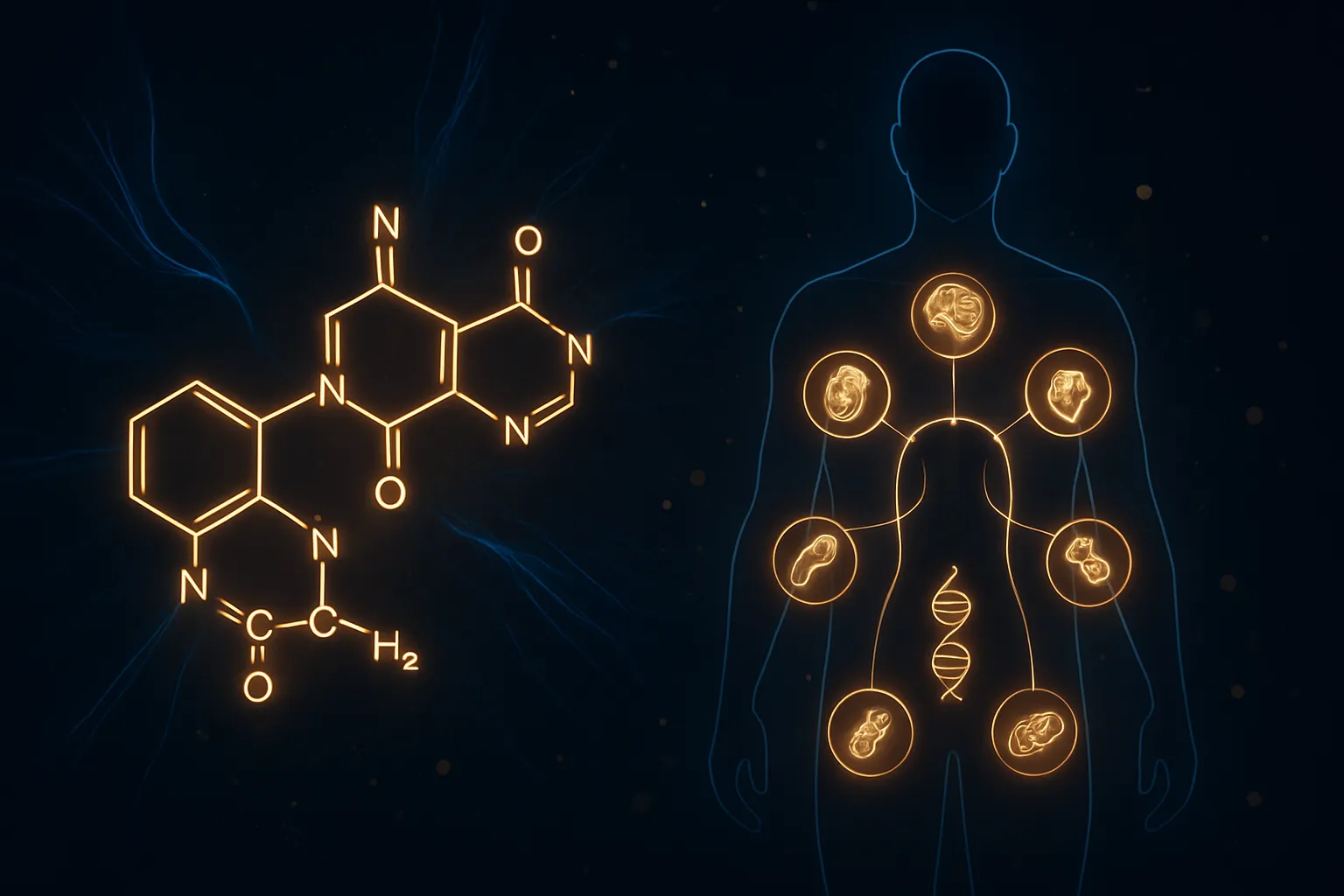
Nicotinamide adenine dinucleotide (NAD+) is not a peptide — it's a coenzyme found in every living cell. But its role in aging biology is so central that it's become one of the most researched molecules in the longevity space, sitting alongside peptides like SS-31, MOTS-c, and Epitalon in anti-aging protocols.
NAD+ levels decline approximately 50% between ages 40 and 60 (Massudi et al., 2012). This decline impairs mitochondrial energy production, DNA repair, sirtuin activity, and hundreds of other enzymatic reactions. Restoring NAD+ levels — through direct supplementation or precursors — is one of the most active areas of longevity research.
This guide covers what the published data actually shows. Every benefit is linked to a study. No miracle claims.

Table of Contents
What Is NAD+ and Why Does It Decline?
NAD+ is a coenzyme required for over 500 enzymatic reactions in human cells. It exists in two forms — NAD+ (oxidized) and NADH (reduced) — and shuttles electrons in metabolic reactions that produce cellular energy. Without NAD+, mitochondria cannot generate ATP, and cells cannot function.
NAD+ is also a substrate consumed by three families of enzymes critical to cellular health:
- Sirtuins (SIRT1-7) — deacetylases that regulate gene expression, DNA repair, inflammation, and mitochondrial biogenesis. They consume NAD+ with every reaction (Imai & Guarente, 2014).
- PARPs (poly ADP-ribose polymerases) — DNA repair enzymes that use NAD+ to fix strand breaks. PARP1 is the primary consumer of cellular NAD+ during DNA damage (Fang et al., 2017).
- CD38 — an NADase whose expression increases with aging, actively degrading NAD+. CD38 is now considered a major driver of age-related NAD+ decline (Camacho-Pereira et al., 2016).
The problem: as we age, NAD+ synthesis slows down while consumption accelerates. CD38 activity increases, PARP activity increases (more DNA damage to repair), and the salvage pathway enzyme NAMPT declines. The result is a progressive NAD+ deficit that compromises cellular function across every organ system.
For dosing protocols across all administration routes, see our NAD+ Dosing Guide.
Research Benefits Overview
| Research Area |
Key Finding |
Primary Source |
| Mitochondrial energy |
NAD+ is essential electron carrier in ETC; decline impairs ATP output |
Stein & Imai, 2012 |
| DNA repair |
NAD+ fuels PARP enzymes; replenishment restores repair capacity |
Fang et al., 2017 |
| Sirtuin activation |
NAD+ is mandatory substrate for SIRT1-7 longevity pathways |
Imai & Guarente, 2014 |
| Neuroprotection |
NAD+ decline drives neurodegeneration; supplementation is protective |
Lautrup et al., 2019 |
| Cardiovascular |
NMN protects heart from ischemia-reperfusion injury |
Yamamoto et al., 2014 |
| Insulin sensitivity |
250mg/day NMN improved muscle insulin sensitivity in humans |
Yoshino et al., 2021 |
| Stem cells |
NR rejuvenated aged muscle stem cells and extended lifespan in mice |
Zhang et al., 2016 |
| Exercise capacity |
NMN improved aerobic capacity in amateur runners (dose-dependent) |
Liao et al., 2021 |
Mitochondrial Energy Production
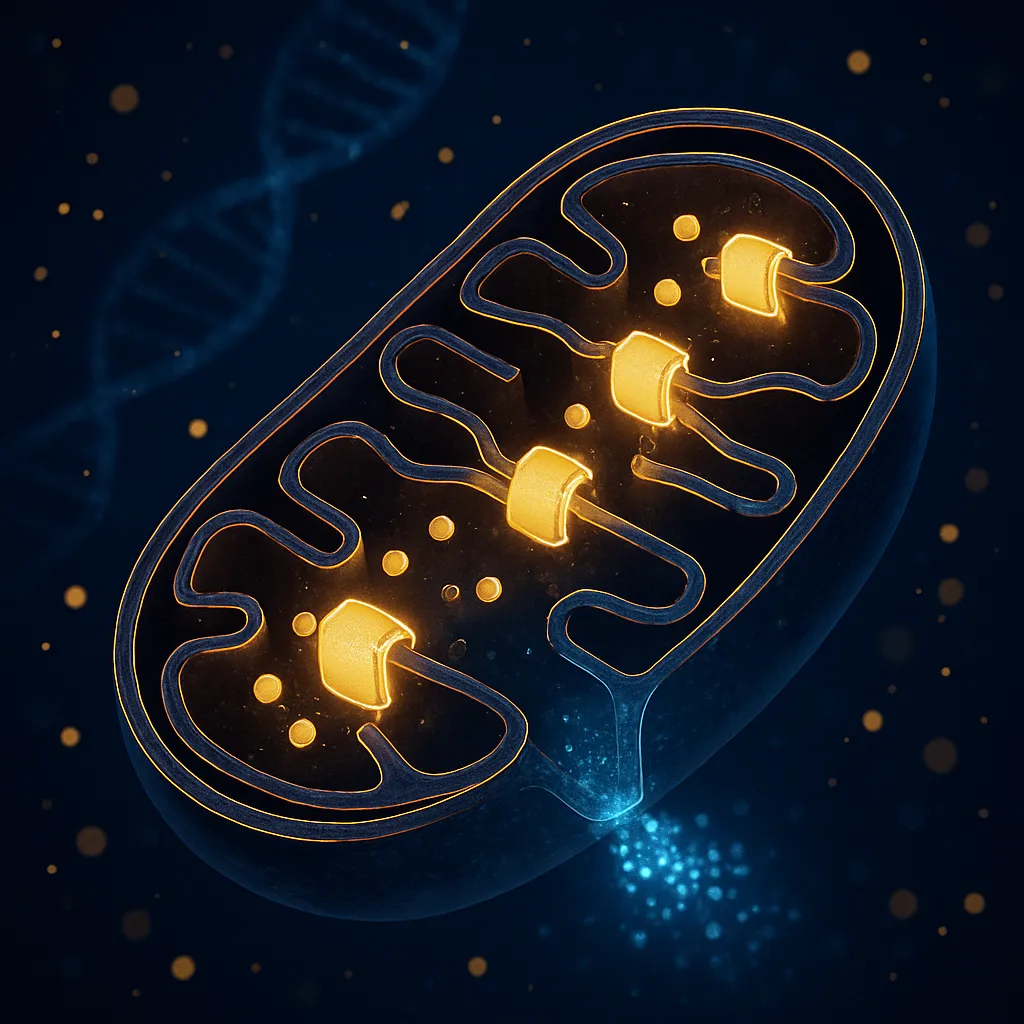
Mitochondria produce 90% of cellular energy (ATP) through oxidative phosphorylation. NAD+ is a critical electron carrier in this process — it accepts electrons from nutrients in the Krebs cycle (becoming NADH), then donates them to Complex I of the electron transport chain (ETC), driving ATP synthesis.
When NAD+ levels drop, the ETC slows down. Cells produce less ATP, generate more reactive oxygen species (ROS), and shift toward less efficient glycolytic energy production. This is why fatigue is one of the earliest subjective symptoms of aging — your cells literally produce less energy.
Stein & Imai (2012) demonstrated that declining NAD+ directly impairs mitochondrial function in aged tissues. Restoring NAD+ levels improved mitochondrial membrane potential, increased ETC efficiency, and reduced oxidative stress in preclinical models (Stein & Imai, 2012).
NAD+ also regulates mitochondrial biogenesis through SIRT1 activation of PGC-1α, the master regulator of new mitochondria creation. More NAD+ means more SIRT1 activity, which means more PGC-1α, which means more mitochondria. This is the biochemical basis for the energy improvements reported by NAD+ users.
For a complementary approach targeting the mitochondrial membrane itself, see SS-31 — it stabilizes cardiolipin while NAD+ fuels the ETC that cardiolipin organizes.
DNA Repair and Genomic Stability
Every cell in your body sustains tens of thousands of DNA lesions daily — from oxidative stress, UV radiation, metabolic byproducts, and replication errors. PARP enzymes (primarily PARP1) detect these breaks and orchestrate repair, consuming NAD+ as fuel for every repair event.
The problem with aging: DNA damage accumulates while NAD+ declines. PARP1 competes with sirtuins for a shrinking NAD+ pool. When NAD+ is scarce, DNA repair suffers, and unrepaired damage leads to mutations, cellular senescence, and cancer risk.
Fang et al. (2017) showed that NAD+ replenishment restored PARP-mediated DNA repair capacity in aged cells and animal models. Supplementation with NMN or NR improved genomic stability, reduced accumulation of DNA damage markers, and improved outcomes in models of accelerated aging (Fang et al., 2017).
This competition between PARPs and sirtuins for NAD+ is one of the key mechanisms of aging. When NAD+ is abundant, both systems function well. When it's depleted, your body must choose between repairing DNA and maintaining the gene regulatory functions that sirtuins control. Restoring NAD+ levels resolves this zero-sum competition.
Sirtuin Activation and Longevity Signaling
Sirtuins (SIRT1-7) are often called "longevity genes" because their activity correlates with lifespan across species — from yeast to mice to primates. They are NAD+-dependent deacetylases, meaning they literally cannot function without NAD+ as a co-substrate.
Each sirtuin has a distinct role:
- SIRT1 — nuclear; regulates gene expression, DNA repair, inflammation, and mitochondrial biogenesis via PGC-1α
- SIRT2 — cytoplasmic; cell cycle regulation, genome stability
- SIRT3 — mitochondrial; directs mitochondrial metabolism, fatty acid oxidation, antioxidant defenses
- SIRT4 — mitochondrial; regulates amino acid metabolism and insulin secretion
- SIRT5 — mitochondrial; modulates urea cycle and fatty acid metabolism
- SIRT6 — nuclear; telomere maintenance, DNA repair, glucose homeostasis
- SIRT7 — nucleolar; ribosome biogenesis, stress response
Imai & Guarente (2014) established that age-related NAD+ decline is the primary cause of reduced sirtuin activity in aging tissues. Restoring NAD+ levels reactivated sirtuin function and ameliorated age-associated pathologies in multiple organ systems (Imai & Guarente, 2014).
The caloric restriction connection: caloric restriction — the only intervention consistently shown to extend lifespan across species — works partly by increasing NAD+ levels and sirtuin activity. NAD+ supplementation mimics some of the molecular effects of caloric restriction without the actual calorie reduction.
Neuroprotection and Cognitive Function
The brain consumes roughly 20% of the body's total energy despite being only 2% of body mass. This extreme metabolic demand makes neurons especially vulnerable to NAD+ decline.
Lautrup et al. (2019) published a comprehensive review showing that NAD+ depletion drives neuronal dysfunction through multiple converging mechanisms: impaired mitochondrial energy production in neurons, compromised DNA repair in post-mitotic cells (neurons can't divide to replace damaged ones), reduced SIRT1-mediated neuroprotection, and impaired autophagy/mitophagy (the recycling systems that clear damaged cellular components) (Lautrup et al., 2019).
In preclinical models, NAD+ supplementation through NMN or NR:
- Reduced neuroinflammation and microglial activation
- Improved mitochondrial function in aged neurons
- Protected against amyloid-beta toxicity (Alzheimer's model)
- Preserved synaptic plasticity and cognitive performance in aged mice
- Reduced axonal degeneration following injury
NAD+ also regulates the circadian clock through NAMPT-mediated biosynthesis oscillations (Ramsey et al., 2009). Disrupted NAD+ rhythms impair sleep-wake cycles, which themselves are critical for brain health and cognitive function.
Human cognitive data for NAD+ supplementation is limited but emerging. The mechanistic basis is strong, and multiple trials are currently enrolling.
Cardiovascular Health
NAD+ protects the cardiovascular system through several mechanisms:
Ischemia-reperfusion protection: Yamamoto et al. (2014) demonstrated that NMN administration prior to cardiac ischemia (blocked blood flow) significantly reduced heart damage in mice. The protection was mediated through SIRT1 activation, which preserved mitochondrial function and reduced oxidative stress during the reperfusion phase — the moment when blood returns and typically causes the most damage (Yamamoto et al., 2014).
Blood pressure regulation: Martens et al. (2018) found that NR supplementation (1000mg/day for 6 weeks) reduced systolic blood pressure by approximately 10 mmHg in healthy older adults with mildly elevated blood pressure. This occurred alongside a 60% increase in whole-blood NAD+ levels (Martens et al., 2018).
Vascular function: NAD+ supports endothelial nitric oxide synthase (eNOS) function, which produces the nitric oxide that keeps blood vessels dilated and flexible. SIRT1 directly deacetylates and activates eNOS. Low NAD+ impairs this pathway, contributing to arterial stiffness and endothelial dysfunction with aging.
Anti-inflammatory effects: SIRT1 and SIRT6 suppress NF-κB signaling, the master inflammatory pathway involved in atherosclerosis. By activating sirtuins, NAD+ supplementation reduces vascular inflammation and may slow plaque formation.
One of the strongest human data points for NAD+ supplementation comes from metabolic research. Yoshino et al. (2021) conducted a randomized, placebo-controlled trial giving 250mg/day NMN to postmenopausal, prediabetic women for 10 weeks. NMN supplementation significantly increased muscle insulin sensitivity (measured by hyperinsulinemic-euglycemic clamp, the gold standard) and improved muscle remodeling gene expression (Yoshino et al., 2021).
The mechanism: NAD+ activates SIRT1, which improves insulin signaling in muscle and liver, enhances fatty acid oxidation, and reduces the chronic low-grade inflammation that drives insulin resistance. SIRT3 in mitochondria optimizes metabolic substrate selection, improving how cells switch between burning glucose and fat.
In animal models, NAD+ supplementation:
- Reversed diet-induced insulin resistance
- Improved glucose tolerance
- Reduced hepatic steatosis (fatty liver)
- Enhanced metabolic flexibility during exercise
- Counteracted the metabolic effects of high-fat diet
For metabolic peptides that complement NAD+ through AMPK activation, see MOTS-c.
Stem Cell Rejuvenation
Stem cells are the body's repair and regeneration system. They decline in both number and function with age — partially due to NAD+ depletion in their mitochondria.
Zhang et al. (2016) published a landmark study in Science demonstrating that NR supplementation rejuvenated aged muscle stem cells (satellite cells) in mice. NR activated the mitochondrial unfolded protein response (UPR^mt), which upregulated prohibitin proteins and restored mitochondrial function in aged stem cells. The result: improved muscle regeneration capacity and extended lifespan (Zhang et al., 2016).
This finding has broad implications beyond muscle. NAD+ decline impairs stem cell function across tissue types — hematopoietic, intestinal, neural, and mesenchymal stem cells all show age-related dysfunction linked to mitochondrial impairment. Restoring NAD+ levels may reactivate the body's endogenous repair capacity.
The practical relevance: tissue repair, wound healing, immune function, and recovery from injury all depend on functional stem cells. NAD+ depletion compromises all of these. Supplementation may help maintain these functions into later decades.
Liao et al. (2021) conducted a randomized, double-blind trial giving NMN (300, 600, or 1200mg/day) to amateur runners for 6 weeks during aerobic exercise training. NMN supplementation improved aerobic capacity (ventilatory threshold) in a dose-dependent manner — higher doses produced greater improvement. The 1200mg group showed the most significant gains (Liao et al., 2021).
The mechanism: exercise itself depletes NAD+ through increased PARP activation (exercise induces DNA damage that requires repair) and elevated metabolic demand. Supplementing NAD+ during training:
- Sustains mitochondrial energy output during high-demand periods
- Supports post-exercise DNA repair
- Enhances mitochondrial biogenesis (the adaptation response to exercise)
- Improves metabolic flexibility between fat and carbohydrate oxidation
NAD+ doesn't replace training — it supports the metabolic infrastructure that training depends on. The benefit is most relevant for middle-aged and older athletes whose NAD+ levels have already declined significantly.
What NAD+ Does NOT Do
- Not a direct hormone optimizer. NAD+ doesn't modulate testosterone, estrogen, growth hormone, or thyroid function. Any hormonal benefits are indirect through improved cellular energy and sirtuin-mediated gene regulation.
- Not a weight loss drug. While NAD+ improves metabolic function and insulin sensitivity, it doesn't directly cause fat loss. There's no evidence NAD+ supplementation changes body composition without other interventions.
- Not proven to extend human lifespan. Animal lifespan extension has been demonstrated, but human longevity data doesn't exist yet. The molecular mechanisms are compelling, but "extends lifespan in mice" does not equal "you'll live longer."
- Not a replacement for exercise, sleep, or nutrition. NAD+ supports the cellular machinery that these fundamentals depend on. It doesn't substitute for them.
- Not a cure for neurodegenerative disease. Neuroprotective effects are established in animal models. Human trials for Alzheimer's and Parkinson's are early-stage. No NAD+-based therapy is approved for any neurodegenerative condition.
- Not without tradeoffs. Boosting NAD+ may theoretically support survival of damaged or senescent cells that would otherwise be cleared. This is an active area of research. The cancer risk question is unresolved — some data suggests NAD+ may support existing tumors through increased metabolic fuel, while other data suggests SIRT-mediated DNA repair reduces cancer risk.
NAD+ is a foundational metabolic molecule. Restoring it to youthful levels addresses a real biological deficit. But it's one piece of the aging puzzle — not the entire solution.
Frequently Asked Questions
What does NAD+ actually do in the body?
NAD+ is a coenzyme required for over 500 enzymatic reactions. It drives mitochondrial energy production (ATP), activates sirtuins for DNA repair and gene regulation, fuels PARP enzymes for DNA damage repair, and regulates circadian rhythm. NAD+ levels decline roughly 50% between ages 40 and 60 (Massudi et al., 2012).
Is NAD+ supplementation proven to work in humans?
Human trials confirm that NMN and NR precursors reliably increase blood NAD+ levels. A 250mg/day NMN trial improved insulin sensitivity in prediabetic women (Yoshino et al., 2021). A 1000mg/day NR trial raised whole-blood NAD+ by 60% and reduced blood pressure (Martens et al., 2018). Direct NAD+ IV infusion increased plasma levels 398% (Grant et al., 2019).
What's the difference between NAD+, NMN, and NR?
NAD+ is the active coenzyme your cells use. NMN (nicotinamide mononucleotide) and NR (nicotinamide riboside) are precursors that your body converts into NAD+. Direct NAD+ delivery (IV or injection) bypasses conversion steps. Oral NMN/NR are more convenient but require enzymatic conversion. See our NAD+ Dosing Guide for protocols for all routes.
Does NAD+ help with aging?
NAD+ decline is one of the hallmarks of aging. Restoring NAD+ levels activates sirtuins, improves DNA repair via PARP enzymes, enhances mitochondrial function, and rejuvenates stem cells in animal models (Zhang et al., 2016). Human longevity data is still being collected.
Can NAD+ improve brain function?
Preclinical research shows NAD+ supplementation protects neurons, reduces neuroinflammation, and improves cognitive function in aging animal models. NAD+ supports neuronal health through SIRT1-mediated neuroprotection and PARP-dependent DNA repair (Lautrup et al., 2019). Human cognitive trials are ongoing.
Is NAD+ safe?
Oral NMN at 250mg/day for 12 weeks (Yoshino et al., 2021) and NR at 1000mg/day for 6 weeks (Martens et al., 2018) showed no serious adverse events in published human trials. Injectable NAD+ commonly causes injection site stinging (SC) or flushing/nausea (IV), both manageable with dose titration and slower infusion rates.
How does NAD+ compare to other longevity peptides?
NAD+ addresses mitochondrial fuel and sirtuin/PARP activation. SS-31 stabilizes mitochondrial membranes. MOTS-c activates AMPK for metabolic signaling. Epitalon activates telomerase. These target different aspects of cellular aging and are frequently combined in longevity protocols. See our Peptide Stacking Guide for combination strategies.
References
-
Massudi H, et al. "Age-associated changes in oxidative stress and NAD+ metabolism in human tissue." PLoS One. 2012;7(7):e42357. PubMed
-
Imai S, Guarente L. "NAD+ and sirtuins in aging and disease." Trends Cell Biol. 2014;24(8):464-471. PubMed
-
Fang EF, et al. "NAD+ replenishment improves lifespan and healthspan in ataxia telangiectasia models via mitophagy and DNA repair." Cell Metab. 2016;24(4):566-581. PubMed
-
Camacho-Pereira J, et al. "CD38 dictates age-related NAD decline and mitochondrial dysfunction through an SIRT3-dependent mechanism." Cell Metab. 2016;23(6):1127-1139. PubMed
-
Stein LR, Imai S. "The dynamic regulation of NAD metabolism in mitochondria." Trends Endocrinol Metab. 2012;23(9):420-428. PubMed
-
Lautrup S, et al. "NAD+ in brain aging and neurodegenerative disorders." Cell Metab. 2019;30(4):630-655. PubMed
-
Yamamoto T, et al. "Nicotinamide mononucleotide, an intermediate of NAD+ synthesis, protects the heart from ischemia and reperfusion." PLoS One. 2014;9(6):e98972. PubMed
-
Yoshino M, et al. "Nicotinamide mononucleotide increases muscle insulin sensitivity in prediabetic women." Science. 2021;372(6547):1224-1229. PubMed
-
Zhang H, et al. "NAD⁺ repletion improves mitochondrial and stem cell function and enhances life span in mice." Science. 2016;352(6292):1436-1443. PubMed
-
Liao B, et al. "Nicotinamide mononucleotide supplementation enhances aerobic capacity in amateur runners: a randomized, double-blind study." J Int Soc Sports Nutr. 2021;18(1):54. PubMed
-
Martens CR, et al. "Chronic nicotinamide riboside supplementation is well-tolerated and elevates NAD+ in healthy middle-aged and older adults." Nat Commun. 2018;9(1):1286. PubMed
-
Grant R, et al. "A pilot study investigating changes in the human plasma and urine NAD+ metabolome during a 6 hour intravenous infusion of NAD+." Front Aging Neurosci. 2019;11:257. PubMed
-
Ramsey KM, et al. "Circadian clock feedback cycle through NAMPT-mediated NAD+ biosynthesis." Science. 2009;324(5927):651-654. PubMed
-
Rajman L, et al. "Therapeutic potential of NAD-boosting molecules: the in vivo evidence." Cell Metab. 2018;27(3):529-547. PubMed
This article is for educational and research purposes only. It is not medical advice. NAD+ supplementation is not FDA-approved for any anti-aging indication.