IV Infusion Self-Reported Adverse Events
Note on labeling: the events below come from clinic-published infusion procedures and self-reported community sources. There is no Phase 2 or Phase 3 trial dataset for IV NAD+ administration in healthy adults at the doses typically used in research-peptide and wellness-clinic contexts.
Flushing
The most consistently described event during IV NAD+ infusion. Self-reported community timelines describe facial and chest flushing within the first 10-20 minutes of infusion, fading when the infusion is paused or slowed. The pattern is rate-dependent: faster infusions produce more pronounced flushing.
Chest pressure or tightness
Community reports cluster around a sensation of chest pressure or heaviness during the first 15-30 minutes of rapid infusion. The pattern resolves within minutes of slowing the infusion. Clinic-published protocols describe pausing the infusion until the sensation fades, then resuming at half the prior rate.
Nausea
The most consistent community feedback for nausea is during the first 20 minutes of infusion, fading within an hour. Self-reported community sources describe morning-administration timing reducing severity.
Vagal symptoms — lightheadedness, brief sweating
Less consistently reported. Community sources describe these symptoms accompanying high-rate infusions and resolving when the infusion is slowed.
Headache post-infusion
Sparse community reports describe a mild headache in the 2-12 hours following infusion, attributed by community sources to vasodilatory effects.
Subcutaneous NAD+ Self-Reported Adverse Events
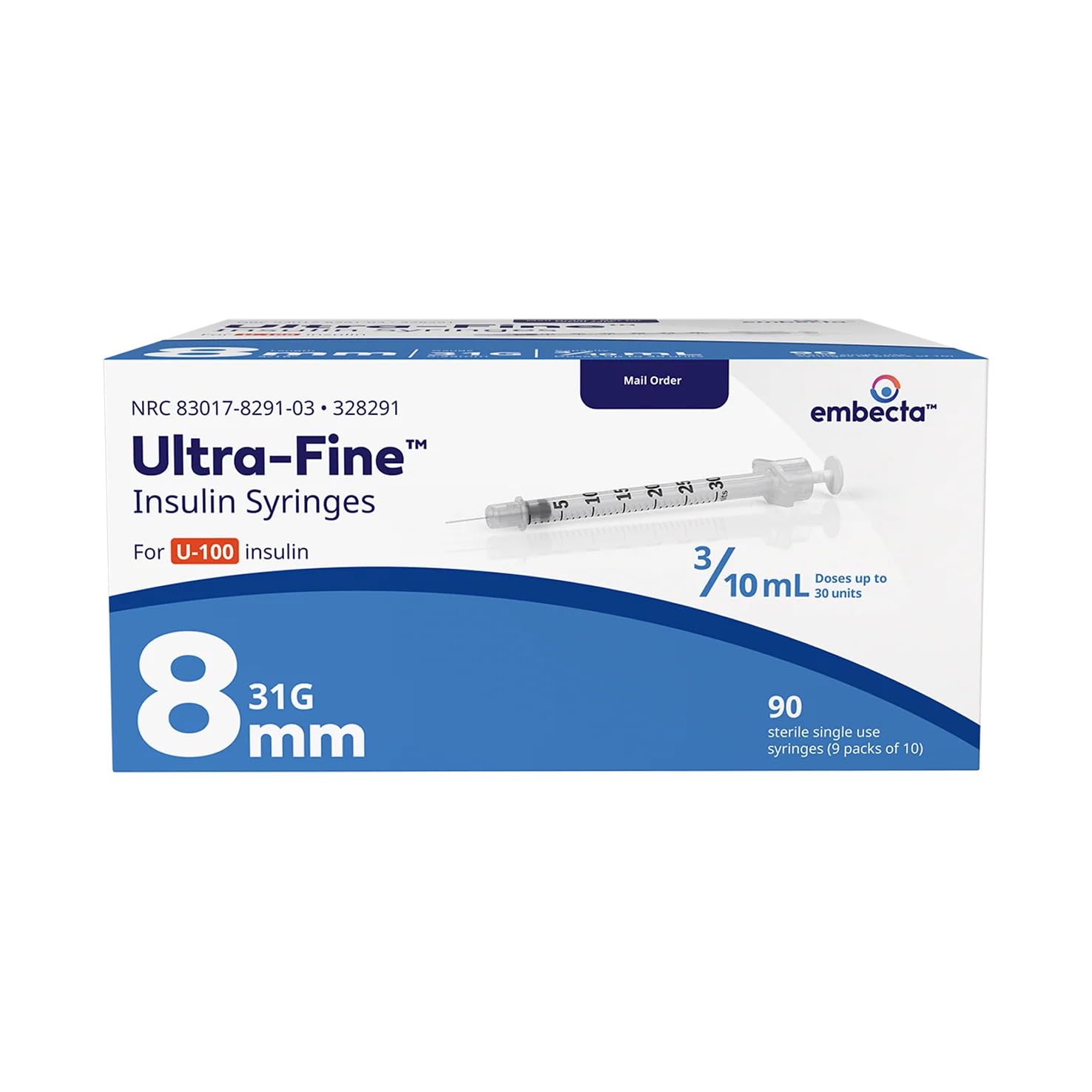
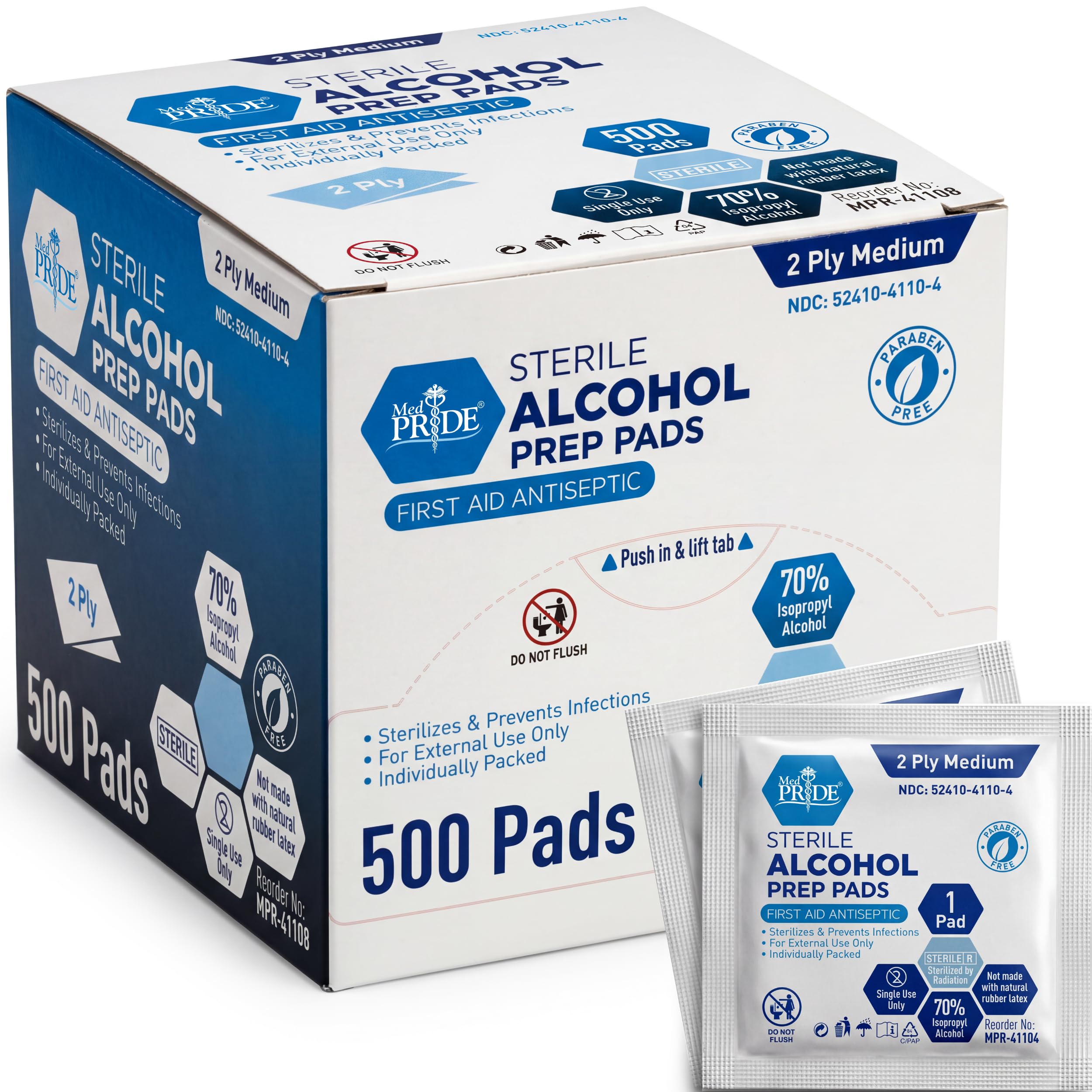
Subcutaneous NAD+ injection is the dominant self-administered route in research-peptide community sources. Self-reported adverse events differ from the IV pattern:
- Injection-site pain or burning — the most consistent community feedback. Users self-report it as more uncomfortable than typical subcutaneous peptide injection. Community sources commonly describe smaller volumes per site and slower injection speed.
- Localized warmth at the injection site, fading by 30 minutes.
- Brief flushing at higher per-injection doses — less pronounced than IV pattern.
The IV-route findings (chest pressure, rate-dependent nausea) do not transfer to subcutaneous administration in community reports.
The injection-site burn tracks with one variable more than any other — the pH of the solution going in. Reconstituted NAD+ is acidic, the free-acid form especially, and even the disodium salt sits below physiological pH once dissolved. Subcutaneous tissue is sensitive to anything far from the body's ~7.4, so an acidic bolus registers as stinging or burning rather than the near-painless feel of a neutral peptide solution.
"Buffered" NAD+ is the same molecule with its pH adjusted toward neutral using a buffering agent. Community sources consistently describe buffered or pH-adjusted preparations as markedly easier to inject than plain acidic ones, and products sold as the disodium salt tend to sit closer to neutral than free-acid stock. The buffering changes tolerability, not potency — the NAD+ delivered, and its effect, are identical either way. The reconstitution guide covers how the two forms behave in the vial.
What Mechanism Research Implies About Repeated High-Dose Use
NAD+'s role in cellular metabolism is broad: it's a cofactor for sirtuins, PARP enzymes, and the electron transport chain. Published Phase 1 NR trials describe a clean safety signal at doses up to 2,000 mg/day for 12 weeks, but no published trial covers months-long IV or subcutaneous NAD+ at the doses community sources describe. The absence of published long-term data is itself a finding regulators and reviewers should note.
Dose-Pause and Discontinuation Patterns
Clinic-published infusion protocols describe a clear pattern: slow or pause the infusion when chest pressure, nausea, or flushing appears, then resume at a reduced rate. Permanent discontinuation is uncommon and is described in community sources as triggered by recurrent severe vagal symptoms or persistent post-infusion fatigue across multiple sessions.
For oral precursors, the published trials' stopping rules were activated for events unrelated to the drug (lab abnormalities not attributable to NR). Mild GI events were managed by dose-reduction in some protocols (Martens et al., PMID 30530683).
For subcutaneous use, community sources describe pause-and-resume patterns when injection-site irritation persists, often combined with site rotation and slower injection speeds.
Hypersensitivity and Allergic-Type Reactions
Published research describes rare hypersensitivity events in IV niacin (the related vitamin) but does not characterize them for NAD+ specifically. Community sources for IV NAD+ describe sparse anaphylaxis-pattern events — these are uncharacterized in trial literature and are reasons sources cite clinic-supervised administration as preferable to at-home self-administration.