Semaglutide is a GLP-1 receptor agonist that suppresses appetite, delays gastric emptying, and improves glucose-dependent insulin secretion. It has extensive clinical trial data — FDA-approved for both weight loss and type 2 diabetes.
Research-context information only.Semaglutide is the active ingredient in FDA-approved products for type 2 diabetes and chronic weight management; research-peptide and compounded forms are not FDA-approved and are sold for research purposes only. Protocols, doses, and reactions reported below come from clinical trials and community sources. This article reports what has been documented, not what should be done. Consult a licensed physician for personal medical decisions.
Research peptide protocols use much lower doses than pharmaceutical formulations due to variable potency and purity. This is not medical advice.
Semaglutide Dosing Table
Match your vial size below — reconstitution and dose math update automatically.
Reconstitute: add 3 mL of bacteriostatic water to the 30 mg vial. Resulting concentration: 10 mg/mL.
Dose
Syringe units
mL volume
Schedule
0.25 mg
3 units
0.03 mL
Weekly (start dose)Weeks 1-4
0.5 mg
5 units
0.05 mL
WeeklyWeeks 5-8
1 mg
10 units
0.1 mL
WeeklyWeeks 9-12
1.7 mg
17 units
0.17 mL
WeeklyWeeks 13-16
2.4 mg
24 units
0.24 mL
Weekly (target)Weeks 17+
0.25 mg3 units · 0.03 mL
Weekly (start dose)
Weeks 1-4
0.5 mg5 units · 0.05 mL
Weekly
Weeks 5-8
1 mg10 units · 0.1 mL
Weekly
Weeks 9-12
1.7 mg17 units · 0.17 mL
Weekly
Weeks 13-16
2.4 mg24 units · 0.24 mL
Weekly (target)
Weeks 17+
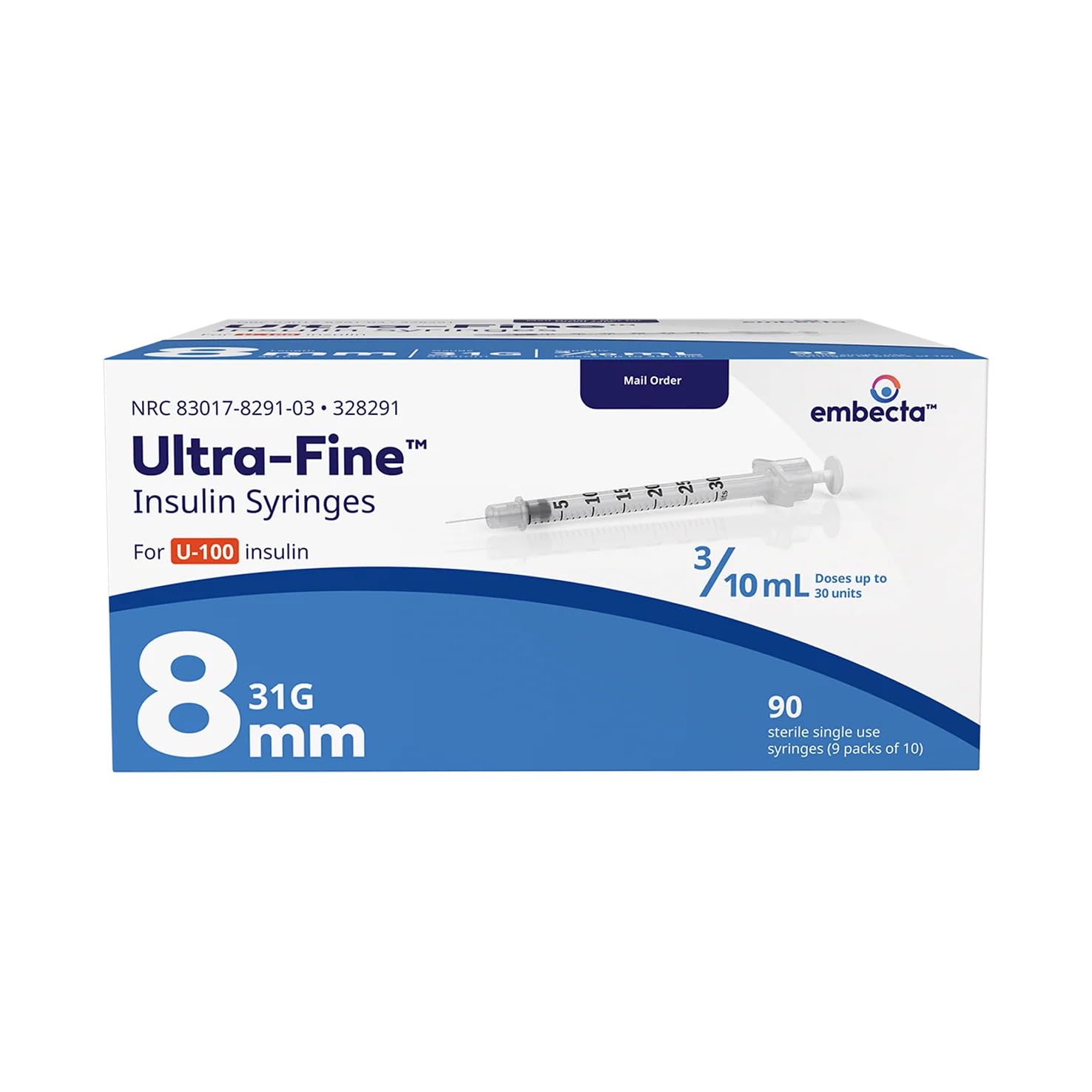
Math assumes U-100 insulin syringes (1 mL = 100 units). Verify your syringe matches before injecting. Round half-units to the nearest visible mark.
Reconstitute: add 2 mL of bacteriostatic water to the 20 mg vial. Resulting concentration: 10 mg/mL.
Dose
Syringe units
mL volume
Schedule
0.25 mg
3 units
0.03 mL
Weekly (start dose)
0.5 mg
5 units
0.05 mL
Weekly
1 mg
10 units
0.1 mL
Weekly
2.4 mg
24 units
0.24 mL
Weekly (target)
0.25 mg3 units · 0.03 mL
Weekly (start dose)
0.5 mg5 units · 0.05 mL
Weekly
1 mg10 units · 0.1 mL
Weekly
2.4 mg24 units · 0.24 mL
Weekly (target)
Math assumes U-100 insulin syringes (1 mL = 100 units). Verify your syringe matches before injecting. Round half-units to the nearest visible mark.
Reconstitute: add 2 mL of bacteriostatic water to the 10 mg vial. Resulting concentration: 5 mg/mL.
Dose
Syringe units
mL volume
Schedule
0.25 mg
5 units
0.05 mL
Weekly (start dose)
0.5 mg
10 units
0.1 mL
Weekly
1 mg
20 units
0.2 mL
Weekly
2.4 mg
48 units
0.48 mL
Weekly (target)
0.25 mg5 units · 0.05 mL
Weekly (start dose)
0.5 mg10 units · 0.1 mL
Weekly
1 mg20 units · 0.2 mL
Weekly
2.4 mg48 units · 0.48 mL
Weekly (target)
Math assumes U-100 insulin syringes (1 mL = 100 units). Verify your syringe matches before injecting. Round half-units to the nearest visible mark.
Reconstitute: add 2 mL of bacteriostatic water to the 5 mg vial. Resulting concentration: 2.5 mg/mL.
Dose
Syringe units
mL volume
Schedule
0.25 mg
10 units
0.1 mL
Weekly (start dose)
0.5 mg
20 units
0.2 mL
Weekly
1 mg
40 units
0.4 mL
Weekly
0.25 mg10 units · 0.1 mL
Weekly (start dose)
0.5 mg20 units · 0.2 mL
Weekly
1 mg40 units · 0.4 mL
Weekly
Math assumes U-100 insulin syringes (1 mL = 100 units). Verify your syringe matches before injecting. Round half-units to the nearest visible mark.
Quick Reference: Standard Protocol
Community-reported protocol parameters (self-reported; compiled from community dosing logs and reconstitution guides — documentation of what sources describe, not a recommendation):
Parameter
Detail
Vial
3 mg
BAC Water
2 mL
Concentration
1.5 mg/mL (1,500 mcg/mL)
Dose
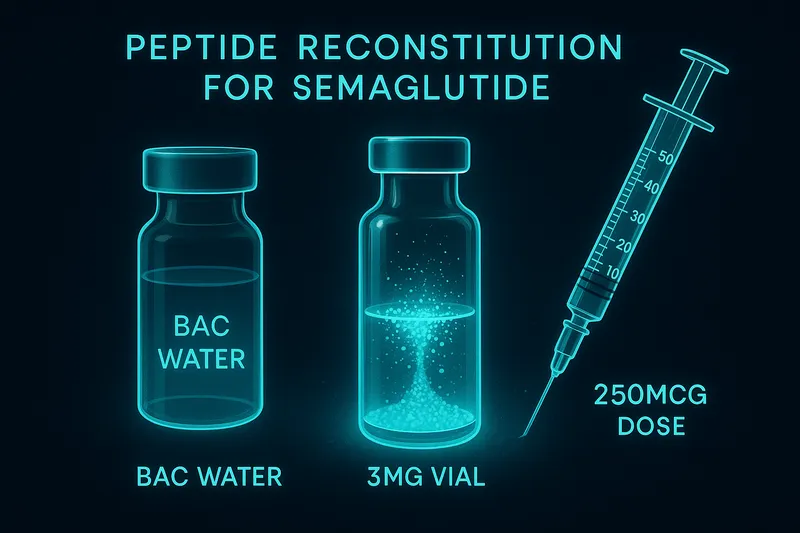
250 mcg (17 units on insulin syringe)
Route
Subcutaneous
Timing
AM, empty stomach
Frequency
Once weekly
Cycle
8 weeks on, 8 weeks off
Storage
Refrigerate, use within 28 days
Self-reported starting doses begin around 125 mcg weekly for 2-4 weeks to assess tolerance, before increasing to 250 mcg.
Cycling Details
Standard cycle: 250 mcg weekly for 8 weeks on, 8 weeks off. The slow titration (125 mcg weeks 1-4, then 250 mcg weeks 5-8) mimics FDA-approved protocols that emphasize gradual increases for tolerability.
Community protocols describe extensions to 12-16 weeks for weight-loss-focused cycles; a smaller subset self-report doses up to 500 mcg weekly. Community sources most commonly describe 250 mcg as sufficient for appetite suppression at the research-peptide level.
Routes of Administration
Subcutaneous injection is the only route for injectable semaglutide.
Sites: Rotate between abdomen, thigh, and upper arm. Community sources describe the abdomen as offering the most consistent absorption.
Volume: ~0.17 mL with an insulin syringe (29-31 gauge)
Timing: Once weekly, same day each week in most reported protocols
IM injection — community sources do not describe IM protocols, citing concern over faster absorption
Bac Water Made for Peptides50% off
Don't risk a $300 peptide on generic bac water.
Most cloudy reconstitutions trace back to one thing — and it isn't the peptide. Sterile, non-pyrogenic, 0.9% benzyl alcohol — formulated for peptide reconstitution, not repackaged from generic stock.
✓ 0.9% benzyl alcohol✓ Made for peptides✓ 30 mL multi-dose
The following reflects dilution ratios documented in community reconstitution sources:
Vial Size
BAC Water
Concentration
125 mcg
250 mcg
500 mcg
3 mg
2 mL
1.5 mg/mL
8 units
17 units
33 units
5 mg
2 mL
2.5 mg/mL
5 units
10 units
20 units
Math: 3 mg / 2 mL = 1.5 mg/mL = 1,500 mcg/mL. For 250 mcg: 250 / 1,500 = 0.167 mL = ~17 units.
Protocols describe swirling gently rather than shaking. Storage protocols describe refrigeration at 2-8°C; community sources describe 28-day use windows. For step-by-step instructions, see the full Semaglutide Reconstitution Guide.
Affiliate disclosure: vendor links in this article are affiliate links — The Peptide Catalog may earn a commission if you buy through them, at no additional cost to you.
Where These Numbers Come From
Community research peptide doses are dramatically lower than FDA-approved pharmaceutical doses.
FDA-approved weight loss dose: 2.4 mg/week after titration (0.25 mg → 0.5 mg → 1 mg → 1.7 mg → 2.4 mg). The STEP 1 trial showed 14.9% weight loss at 2.4 mg/week over 68 weeks (Wilding et al., 2021).
FDA-approved diabetes dose: 0.25-1 mg/week maintenance. Cardiovascular benefit demonstrated in SUSTAIN-6 (Marso et al., 2016).
Why community doses are ~10x lower: Research peptides have variable potency and purity compared to pharmaceutical-grade semaglutide (Novo Nordisk). The community starts at doses equivalent to the lowest FDA titration step (0.25 mg) and increases cautiously. Some people are highly sensitive to GLP-1 agonists — starting low allows assessment of individual tolerance.
Community sources describe semaglutide 250 mcg/week + BPC-157 250-500 mcg/day
Stacking with other GLP-1 agonists (tirzepatide, liraglutide) is described as redundant — overlapping mechanisms increase side effects without proportional benefits. Published data also flags hypoglycemia risk when combined with insulin or diabetes medications.
Side Effects & Safety
Nausea — 44% in STEP trials, most common side effect, dose-dependent
Diarrhea — 30% in trials
Vomiting — 24% in trials
Constipation — 24% in trials
Stomach pain — 20% in trials
Pancreatitis — rare but documented; trials flagged severe abdominal pain for discontinuation and evaluation
Gallbladder problems — rapid weight loss increases gallstone risk
Thyroid C-cell tumors — the FDA black box warning for the approved semaglutide products cites contraindication in patients with a personal or family history of medullary thyroid carcinoma (MTC) or Multiple Endocrine Neoplasia type 2 (MEN 2)
Most GI side effects improve within 4-8 weeks and are reduced by slower titration
mg to Units Conversion
On a standard 100-unit insulin syringe, each "unit" equals 0.01 mL (so 100 units = 1 mL). For research-grade compounded semaglutide vials, the conversion from a target mg dose to syringe units depends entirely on the dilution chosen at reconstitution. Semaglutide is the active ingredient in FDA-approved injectable products that ship pre-filled and require no syringe math; the conversions below apply to research-grade compounded forms only.
Reconstitution A: 5 mg vial + 2 mL BAC water (2.5 mg/mL) — practical mid-range dilution where 1 mg = 40 units.
Dose
Volume (mL)
Units (insulin syringe)
0.125 mg
0.05 mL
5 units
0.25 mg
0.10 mL
10 units
0.5 mg
0.20 mL
20 units
1.0 mg
0.40 mL
40 units
1.5 mg
0.60 mL
60 units
2.4 mg
0.96 mL
96 units
Reconstitution B: 5 mg vial + 1 mL BAC water (5 mg/mL) — half the volume per dose, useful when a 2.4 mg target would otherwise approach the syringe limit.
Dose
Volume (mL)
Units (insulin syringe)
0.125 mg
0.025 mL
2.5 units
0.25 mg
0.05 mL
5 units
0.5 mg
0.10 mL
10 units
1.0 mg
0.20 mL
20 units
1.5 mg
0.30 mL
30 units
2.4 mg
0.48 mL
48 units
These conversions reflect the dilutions documented in published reconstitution protocols and community sources. They report how reconstitution math is described, not a recommended dosing schedule.
Core Supplies for This Protocol
The essentials for running any reconstituted injectable: cold storage, accurate syringes, alcohol prep pads, and metabolic tracking.
What semaglutide doses do community sources report?
Community protocols self-report 250 mcg once weekly via subcutaneous injection in the morning, cycled 8 weeks on / 8 weeks off. Reconstitution is typically described as a 3 mg vial with 2 mL BAC water (1.5 mg/mL), drawing 17 units per dose. Self-reported starting doses are around 125 mcg for 2-4 weeks to assess tolerance.
What titration do community sources report for semaglutide?
Self-reported titration begins around 125 mcg weekly for 2-4 weeks, then increases to 250 mcg weekly when well-tolerated. Slow titration is described to minimize GI side effects, mirroring the gradual escalation used in FDA-approved protocols.
How long do community protocols run a semaglutide cycle?
Community sources most commonly describe 8 weeks on, 8 weeks off. Some self-report extending to 12-16 weeks for weight-loss goals; cycling is described as a way to maintain sensitivity.
What injection timing do community sources report for semaglutide?
Most users self-report morning timing on an empty stomach. Once-weekly dosing means timing is not critical; community sources describe consistency as helping maintain steady levels.
How do trial and community protocols describe reconstituting semaglutide?
Protocols describe adding 2 mL bacteriostatic water to a 3 mg vial for a 1.5 mg/mL concentration. A 250 mcg dose works out to 17 units on an insulin syringe. Storage is described as refrigerated, used within 28 days.
What stacking protocols are documented for semaglutide?
Community sources commonly describe stacking with AOD-9604 for fat loss or BPC-157 for gut support. Stacking with other GLP-1 agonists (tirzepatide, liraglutide) is described as redundant due to overlapping mechanisms.