SS-31, also known as elamipretide, is a synthetic tetrapeptide (D-Arg-Dmt-Lys-Phe-NH2) that targets the inner mitochondrial membrane by binding to cardiolipin. It is being studied for mitochondrial dysfunction, age-related decline, heart failure, and kidney disease.
Like all lyophilized peptides, SS-31 ships as a dry powder that needs to be mixed with bacteriostatic water before use. The reconstitution process is the same as any other peptide. The main thing to know: SS-31 doses vary widely depending on the protocol, so choosing the right dilution matters for accurate measurement.
Research-context information only. SS-31 is a research peptide. Protocols, doses, and reactions reported below come from published research and self-reported community sources. This article reports what has been documented, not what should be done. Consult a licensed physician for personal medical decisions.
SS-31 lyophilized vial (typically 5mg, 10mg, or 20mg)
Bacteriostatic water (BAC water) — not sterile water, not saline
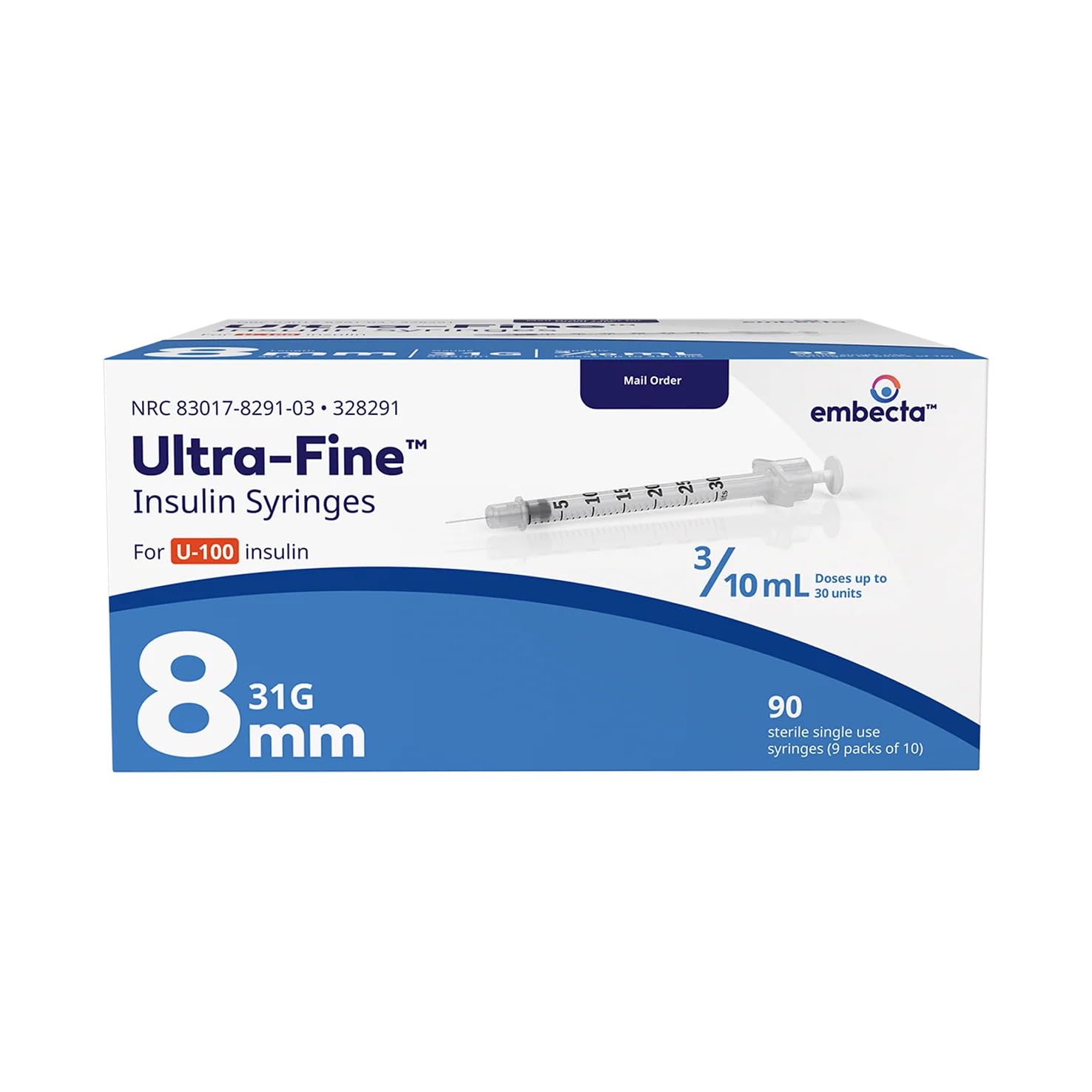
Insulin syringes — 1mL (100 unit), 29-31 gauge
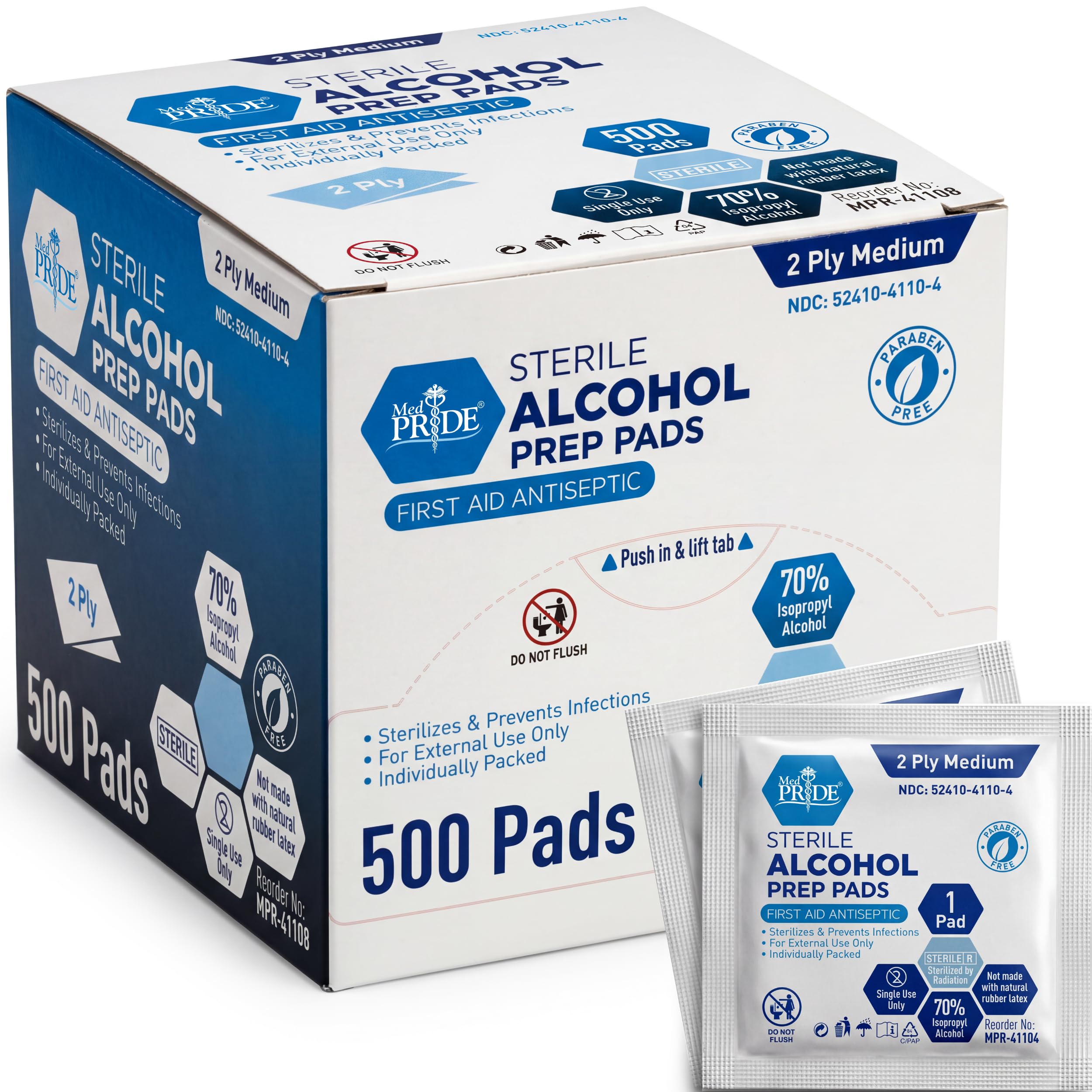
Alcohol swabs — for cleaning vial tops
A clean, flat workspace
Why bacteriostatic water? The 0.9% benzyl alcohol prevents bacterial growth in the reconstituted solution, extending shelf life to 28 days refrigerated. Regular sterile water has no preservative and must be used within 24 hours.
Bac Water Made for Peptides
Don't risk a $300 peptide on generic bac water.
Most cloudy reconstitutions trace back to one thing — and it isn't the peptide. Sterile, non-pyrogenic, 0.9% benzyl alcohol — formulated for peptide reconstitution, not repackaged from generic stock.
✓ 0.9% benzyl alcohol✓ Made for peptides✓ 30 mL multi-dose
Standard reconstitution practice is to wipe the tops of both vials (SS-31 and BAC water) with alcohol swabs and let them air dry for 10 seconds. Every puncture of an unswabbed stopper is a contamination risk.
Step 2: Draw the Bacteriostatic Water
A fresh insulin syringe is used to draw the desired amount of BAC water. For most vial sizes, 2mL produces concentrations that are easy to work with.
Step 3: Add Water to the Peptide Vial
Documented protocols describe inserting the needle into the SS-31 vial at an angle, aiming at the glass wall. The water trickles down the side — not directly onto the powder. SS-31 is a small, stable peptide, but good technique applies universally.
Step 4: Let It Dissolve
Standard practice is to swirl the vial gently rather than shaking. SS-31 dissolves quickly due to its small size (just 4 amino acids), producing a clear, colorless solution within 30-60 seconds.
Step 5: Store Correctly
Reconstituted vials are refrigerated immediately at 36-46 degrees F (2-8 degrees C). Reconstituted SS-31 is stable for up to 28 days with bacteriostatic water.
Dilution Charts
Dose note: SS-31 dosing in research ranges from 0.01 to 1 mg/kg. Common research doses fall in the 1-5mg/day range for subcutaneous administration. Dilution is chosen based on the target dose.
How Documented Protocols Calculate the Dose
Here is the formula for any vial size and any amount of water:
Concentration = Peptide Amount (mcg) / Water Added (mL)
Then to find your injection volume:
Units to inject = Desired Dose (mcg) / Concentration (mcg/mL) x 100
Example: 5,000mcg vial + 2mL water = 2,500mcg/mL. For a 1,000mcg (1mg) dose: 1,000 / 2,500 x 100 = 40 units (0.4mL).
Affiliate disclosure: vendor links in this article are affiliate links — The Peptide Catalog may earn a commission if you buy through them, at no additional cost to you.
Common Mistakes
Shaking the Vial
Even though SS-31 is a small, relatively robust tetrapeptide, shaking is never good practice. It introduces air bubbles that can make accurate dose measurement harder and theoretically can cause surface denaturation. Standard practice is to swirl gently.
Using Too Little Water
Adding 0.5mL to a 5mg vial gives 10,000mcg/mL. A 1mg dose would be just 10 units — workable but leaves little room for measurement error. With 2mL, that same dose is 40 units, which is much easier to draw accurately.
Leaving It at Room Temperature
Reconstituted SS-31 is kept refrigerated. Documented practice is to remove the vial, draw the dose, and return it. Extended room temperature exposure degrades the peptide over time.
Reusing Needles
A dulled needle increases discomfort and contamination risk. A fresh syringe is used for every dose.
Freezing Reconstituted Peptide
Ice crystals can disrupt even small peptides in solution. Only the lyophilized powder is frozen. Once mixed, vials are refrigerated rather than frozen.
How Many Doses Per Vial?
At common research doses:
5mg vial at 1mg/dose = 5 doses5mg vial at 2mg/dose = 2-3 doses10mg vial at 1mg/dose = 10 doses10mg vial at 5mg/dose = 2 doses20mg vial at 5mg/dose = 4 doses
At a daily protocol of 1mg, a 10mg vial lasts 10 days. At 5mg daily, a 20mg vial lasts 4 days — higher-dose protocols burn through vials quickly.
Storage Quick Reference
State
Temperature
Shelf Life
Lyophilized (powder)
Room temp
6-12 months
Lyophilized (powder)
Refrigerated
2+ years
Lyophilized (powder)
Frozen (-20C)
3+ years
Reconstituted (BAC water)
Refrigerated
Up to 28 days
Reconstituted (sterile water)
Refrigerated
Use within 24 hours
Planning note: Research protocols for SS-31 can require higher daily doses than many peptides. Documented practice is to keep extra vials frozen in lyophilized form and reconstitute only what will be used within a month.
Frequently Asked Questions
How much bacteriostatic water is added to SS-31?
For a 5mg vial, adding 2mL of bacteriostatic water produces 250mcg per 0.1mL (10 units) — a concentration documented protocols commonly use. At a community-reported 0.5mg/kg reference dose (75kg example: ~37.5mg), a 2mL dilution keeps measurement practical.
Is SS-31 more fragile than other peptides?
SS-31 is a small tetrapeptide (4 amino acids) and is relatively stable compared to larger peptides. Standard reconstitution practices apply — gentle handling, no shaking, proper refrigeration.
Can I reconstitute SS-31 with sterile water?
Yes, but the vial must be used within 24 hours. Bacteriostatic water gives you up to 28 days refrigerated, which is more practical for multi-day protocols.
What does SS-31 look like after reconstitution?
A perfectly clear, colorless solution. Any cloudiness, particles, or discoloration is a sign the peptide may be degraded, and a new vial is used instead.
Research Supplies for SS-31 (Elamipretide)
Hand-picked storage, injection, and recovery supplies paired with SS-31 (Elamipretide) protocols.
Szeto, H.H. (2014). First-in-class cardiolipin-protective compound as a therapeutic agent to restore mitochondrial bioenergetics. British Journal of Pharmacology, 171(8), 2029-2050.
Birk, A.V., et al. (2013). The mitochondrial-targeted compound SS-31 re-energizes ischemic mitochondria by interacting with cardiolipin. Journal of the American Society of Nephrology, 24(8), 1250-1261.
Campbell, M.D., et al. (2020). Mitochondrial protein interaction landscape of SS-31. Proceedings of the National Academy of Sciences, 117(26), 15363-15373. PMID: 32554501
Zhao, W., et al. (2022). SS-31, a mitochondria-targeting peptide, ameliorates kidney disease. Oxidative Medicine and Cellular Longevity, 2022, 1295509. PMC9192202
Chavez, J.D., et al. (2025). Elamipretide: A review of its structure, mechanism of action, and therapeutic potential. International Journal of Molecular Sciences, 26(3), 944. PMC11816484
USP General Chapter 797: Pharmaceutical Compounding — Sterile Preparations.
This guide is for educational and informational purposes only. It is not medical advice. SS-31 (elamipretide) is a research compound not yet fully approved for general human use. Reconstituting and self-administering peptides carries inherent risks including infection, contamination, and dosing errors. Always use proper sterile technique. Consult a qualified healthcare provider before starting any peptide protocol. The Peptide Catalog is not responsible for any adverse effects resulting from the use or misuse of information presented here.