Tirzepatide is a dual GLP-1/GIP receptor agonist. Phase 3 trials (Frias et al., 2021; Jastreboff et al., 2022) documented superior weight loss and glycemic control compared to single-target GLP-1 agonists, with up to 22.5% body weight reduction at 72 weeks in the SURMOUNT-1 trial.
Research-context information only.Tirzepatide is the active ingredient in FDA-approved products for type 2 diabetes and chronic weight management; research-peptide and compounded forms are not FDA-approved and are sold for research purposes only. Protocols, doses, and reactions reported below come from clinical trials and community sources. This article reports what has been documented, not what should be done. Consult a licensed physician for personal medical decisions.
FDA-approved for diabetes and weight management. Research peptide protocols use lower doses than pharmaceutical formulations. This is not medical advice.
Tirzepatide Dosing Table
Match your vial size below — reconstitution and dose math update automatically.
Reconstitute: add 3 mL of bacteriostatic water to the 60 mg vial. Resulting concentration: 20 mg/mL.
Dose
Syringe units
mL volume
Schedule
2.5 mg
13 units
0.13 mL
Weekly (start dose)Weeks 1-4
5 mg
25 units
0.25 mL
WeeklyWeeks 5-8
7.5 mg
38 units
0.38 mL
WeeklyWeeks 9-12
10 mg
50 units
0.5 mL
WeeklyWeeks 13-16
15 mg
75 units
0.75 mL
Weekly (max)Weeks 17+
2.5 mg13 units · 0.13 mL
Weekly (start dose)
Weeks 1-4
5 mg25 units · 0.25 mL
Weekly
Weeks 5-8
7.5 mg38 units · 0.38 mL
Weekly
Weeks 9-12
10 mg50 units · 0.5 mL
Weekly
Weeks 13-16
15 mg75 units · 0.75 mL
Weekly (max)
Weeks 17+
Math assumes U-100 insulin syringes (1 mL = 100 units). Verify your syringe matches before injecting. Round half-units to the nearest visible mark.
Reconstitute: add 2 mL of bacteriostatic water to the 30 mg vial. Resulting concentration: 15 mg/mL.
Dose
Syringe units
mL volume
Schedule
2.5 mg
17 units
0.17 mL
Weekly (start dose)
5 mg
33 units
0.33 mL
Weekly
7.5 mg
50 units
0.5 mL
Weekly
10 mg
67 units
0.67 mL
Weekly
15 mg
100 units
1 mL
Weekly (max)
2.5 mg17 units · 0.17 mL
Weekly (start dose)
5 mg33 units · 0.33 mL
Weekly
7.5 mg50 units · 0.5 mL
Weekly
10 mg67 units · 0.67 mL
Weekly
15 mg100 units · 1 mL
Weekly (max)
Math assumes U-100 insulin syringes (1 mL = 100 units). Verify your syringe matches before injecting. Round half-units to the nearest visible mark.
Reconstitute: add 2 mL of bacteriostatic water to the 10 mg vial. Resulting concentration: 5 mg/mL.
Dose
Syringe units
mL volume
Schedule
2.5 mg
50 units
0.5 mL
Weekly (start dose)
5 mg
100 units
1 mL
Weekly
7.5 mg
150 units
1.5 mL
Weekly
2.5 mg50 units · 0.5 mL
Weekly (start dose)
5 mg100 units · 1 mL
Weekly
7.5 mg150 units · 1.5 mL
Weekly
Math assumes U-100 insulin syringes (1 mL = 100 units). Verify your syringe matches before injecting. Round half-units to the nearest visible mark.
Reconstitute: add 1 mL of bacteriostatic water to the 5 mg vial. Resulting concentration: 5 mg/mL.
Dose
Syringe units
mL volume
Schedule
2.5 mg
50 units
0.5 mL
Weekly (start dose)
5 mg
100 units
1 mL
Weekly
2.5 mg50 units · 0.5 mL
Weekly (start dose)
5 mg100 units · 1 mL
Weekly
Math assumes U-100 insulin syringes (1 mL = 100 units). Verify your syringe matches before injecting. Round half-units to the nearest visible mark.
Reconstitute: add 1 mL of bacteriostatic water to the 15 mg vial. Resulting concentration: 15 mg/mL.
Dose
Syringe units
mL volume
Schedule
2.5 mg
17 units
0.17 mL
Weekly (start dose)
5 mg
33 units
0.33 mL
Weekly
7.5 mg
50 units
0.5 mL
Weekly
10 mg
67 units
0.67 mL
Weekly
15 mg
100 units
1 mL
Weekly (max)
2.5 mg17 units · 0.17 mL
Weekly (start dose)
5 mg33 units · 0.33 mL
Weekly
7.5 mg50 units · 0.5 mL
Weekly
10 mg67 units · 0.67 mL
Weekly
15 mg100 units · 1 mL
Weekly (max)
Math assumes U-100 insulin syringes (1 mL = 100 units). Verify your syringe matches before injecting. Round half-units to the nearest visible mark.
Reconstitute: add 1.5 mL of bacteriostatic water to the 20 mg vial. Resulting concentration: 13.333333333333334 mg/mL.
Dose
Syringe units
mL volume
Schedule
2.5 mg
19 units
0.19 mL
Weekly (start dose)
5 mg
38 units
0.38 mL
Weekly
7.5 mg
56 units
0.56 mL
Weekly
10 mg
75 units
0.75 mL
Weekly
15 mg
113 units
1.13 mL
Weekly (max)
2.5 mg19 units · 0.19 mL
Weekly (start dose)
5 mg38 units · 0.38 mL
Weekly
7.5 mg56 units · 0.56 mL
Weekly
10 mg75 units · 0.75 mL
Weekly
15 mg113 units · 1.13 mL
Weekly (max)
Math assumes U-100 insulin syringes (1 mL = 100 units). Verify your syringe matches before injecting. Round half-units to the nearest visible mark.
Reconstitute: add 2 mL of bacteriostatic water to the 40 mg vial. Resulting concentration: 20 mg/mL.
Dose
Syringe units
mL volume
Schedule
2.5 mg
13 units
0.13 mL
Weekly (start dose)
5 mg
25 units
0.25 mL
Weekly
7.5 mg
38 units
0.38 mL
Weekly
10 mg
50 units
0.5 mL
Weekly
15 mg
75 units
0.75 mL
Weekly (max)
2.5 mg13 units · 0.13 mL
Weekly (start dose)
5 mg25 units · 0.25 mL
Weekly
7.5 mg38 units · 0.38 mL
Weekly
10 mg50 units · 0.5 mL
Weekly
15 mg75 units · 0.75 mL
Weekly (max)
Math assumes U-100 insulin syringes (1 mL = 100 units). Verify your syringe matches before injecting. Round half-units to the nearest visible mark.
Reconstitute: add 2.5 mL of bacteriostatic water to the 45 mg vial. Resulting concentration: 18 mg/mL.
Dose
Syringe units
mL volume
Schedule
2.5 mg
14 units
0.14 mL
Weekly (start dose)
5 mg
28 units
0.28 mL
Weekly
7.5 mg
42 units
0.42 mL
Weekly
10 mg
56 units
0.56 mL
Weekly
15 mg
83 units
0.83 mL
Weekly (max)
2.5 mg14 units · 0.14 mL
Weekly (start dose)
5 mg28 units · 0.28 mL
Weekly
7.5 mg42 units · 0.42 mL
Weekly
10 mg56 units · 0.56 mL
Weekly
15 mg83 units · 0.83 mL
Weekly (max)
Math assumes U-100 insulin syringes (1 mL = 100 units). Verify your syringe matches before injecting. Round half-units to the nearest visible mark.
Reconstitute: add 5 mL of bacteriostatic water to the 100 mg vial. Resulting concentration: 20 mg/mL.
Dose
Syringe units
mL volume
Schedule
2.5 mg
13 units
0.13 mL
Weekly (start dose)
5 mg
25 units
0.25 mL
Weekly
7.5 mg
38 units
0.38 mL
Weekly
10 mg
50 units
0.5 mL
Weekly
15 mg
75 units
0.75 mL
Weekly (max)
2.5 mg13 units · 0.13 mL
Weekly (start dose)
5 mg25 units · 0.25 mL
Weekly
7.5 mg38 units · 0.38 mL
Weekly
10 mg50 units · 0.5 mL
Weekly
15 mg75 units · 0.75 mL
Weekly (max)
Math assumes U-100 insulin syringes (1 mL = 100 units). Verify your syringe matches before injecting. Round half-units to the nearest visible mark.
Quick Reference: Standard Protocol
Parameter
Community-Reported Protocol
Dose
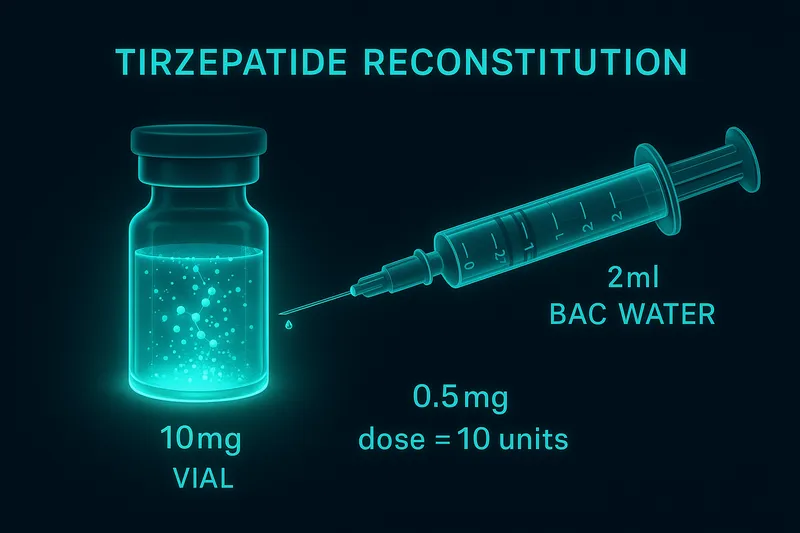
0.5 mg (10 units on insulin syringe)
Route
Subcutaneous injection (abdomen or thigh)
Timing
AM, empty stomach
Frequency
3x per week (M/W/F or T/Th/S)
Cycle
8 weeks on, 8 weeks off
Vial size
10 mg
Reconstitution
2 mL bacteriostatic water → 5,000 mcg/mL
Documented draw
10 units on insulin syringe (at 5 mg/mL dilution)
Storage
Refrigerate, use within 28 days
Self-reported starting doses begin around 0.25 mg 3x weekly for 2-4 weeks to assess tolerance, before increasing to 0.5 mg 3x weekly. Split dosing is described as producing more stable levels than once-weekly injection. For the full tirzepatide profile, vendor pricing, and stacking options, see our tirzepatide peptide page.
Cycling Details
The standard community cycle is 8 weeks on, 8 weeks off. Community sources describe starting conservatively at 0.25 mg 3x weekly (0.75 mg total weekly) for the first 2-4 weeks — the dual GLP-1/GIP mechanism can cause more intense initial GI side effects than single-target agonists.
Community protocols then increase to 0.5 mg 3x weekly (1.5 mg total weekly) when well-tolerated. The split-dosing approach (3x weekly vs once weekly) is described as maintaining more consistent hormone levels and reducing peak-related side effects. Some users self-report continuing until goal weight, then cycling off.
Enhanced Protocol (FDA/Clinical)
Note: The standard protocol above uses research peptide community doses. The FDA-approved protocol below uses significantly higher doses.
Parameter
FDA Titration
Week 1-4
2.5 mg weekly
Week 5-8
5 mg weekly
Week 9-12
7.5 mg weekly
Week 13-16
10 mg weekly
Week 17-20
12.5 mg weekly
Maintenance
Up to 15 mg weekly
Community research peptide protocols use 1.5 mg/week total — roughly 60% of the FDA starting dose and 10% of the maximum. Lower doses still provide meaningful effects with substantially fewer side effects.
Routes of Administration
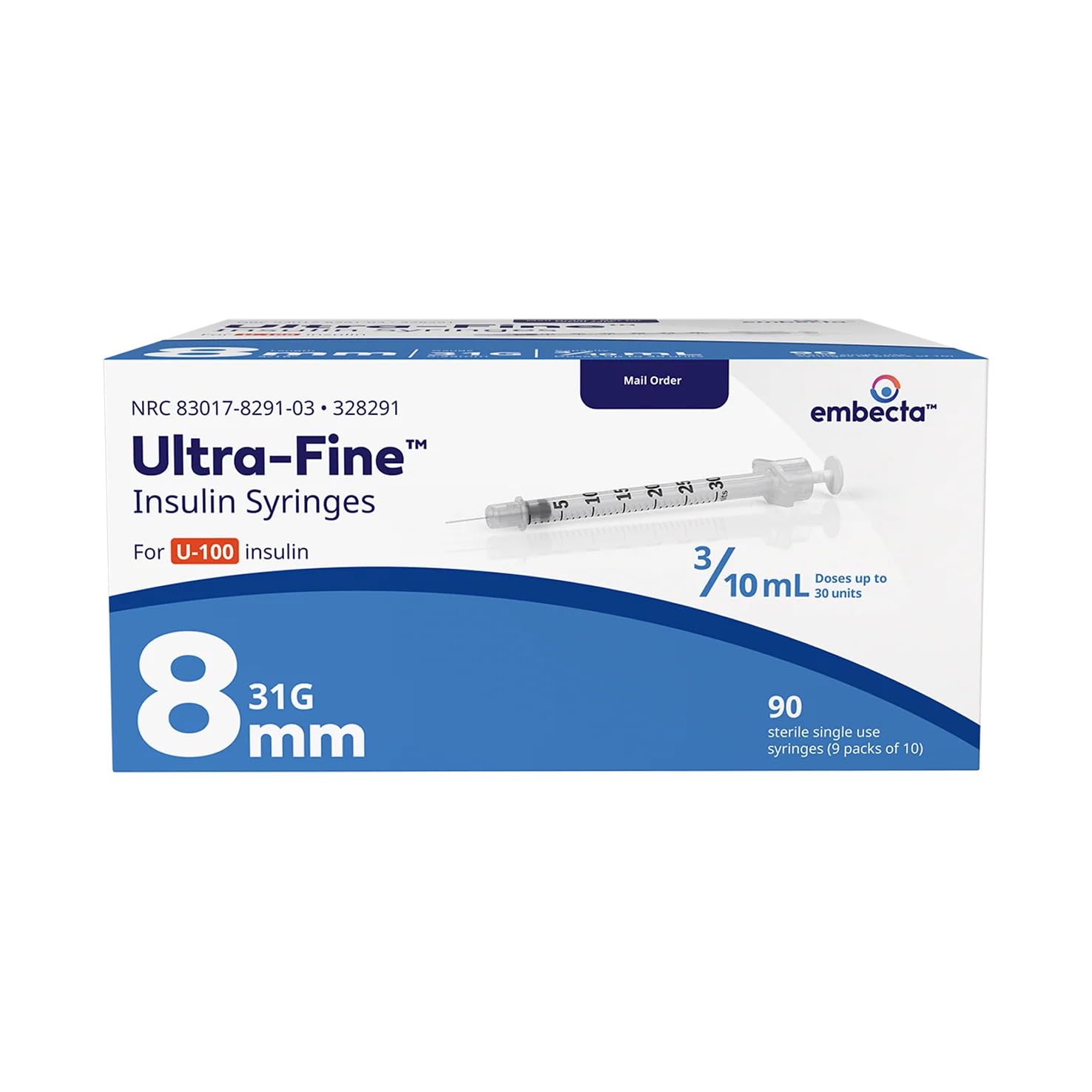
Subcutaneous (standard and only route): Protocols describe rotating between abdomen, thigh, and upper arm, with abdomen typically providing the most consistent absorption. Community sources describe a 29-31 gauge insulin syringe and the same time each dosing day, morning on an empty stomach preferred.
Bac Water Made for Peptides50% off
Don't risk a $300 peptide on generic bac water.
Most cloudy reconstitutions trace back to one thing — and it isn't the peptide. Sterile, non-pyrogenic, 0.9% benzyl alcohol — formulated for peptide reconstitution, not repackaged from generic stock.
✓ 0.9% benzyl alcohol✓ Made for peptides✓ 30 mL multi-dose
Affiliate disclosure: vendor links in this article are affiliate links — The Peptide Catalog may earn a commission if you buy through them, at no additional cost to you.
Where These Numbers Come From
Community protocols use significantly lower doses than FDA-approved protocols, with good rationale.
SURMOUNT-1 Trial (Jastreboff et al., 2022): Even at the 2.5 mg starting dose, participants achieved 16% weight loss. The dual GLP-1/GIP mechanism creates potent metabolic effects at lower doses than single-target agonists.
Head-to-Head vs Semaglutide (Frias et al., 2021): Tirzepatide demonstrated superior glycemic control compared to semaglutide, supporting the dual-agonist advantage.
Research Peptide Variability: Purity and potency vary between suppliers. Starting conservatively accounts for this uncertainty. Individual sensitivity varies — some achieve excellent results well below maximum titration.
Stacking Protocols
Tirzepatide + AOD-9604
Peptide
Dose
Route
Timing
Purpose
Tirzepatide
0.5 mg 3x/week
SC
AM, empty stomach
Appetite suppression, metabolic control (trial-documented)
Stacking with other GLP-1 agonists (semaglutide, liraglutide) is described as redundant — overlapping mechanisms create added side-effect risk without proportional benefit.
Side Effects & Safety
Nausea — up to 56% at higher FDA doses; much lower at community doses
Vomiting — up to 36% at high doses
Diarrhea — 23-26%
Constipation — 17-19%
Fatigue — 11-13%
Pancreatitis risk — trials flagged severe abdominal pain for discontinuation and evaluation
Gallbladder issues — rapid weight loss increases gallstone risk
Thyroid C-cell tumors — same boxed warning as semaglutide (animal studies)
GI side effects were more intense than semaglutide in trial data due to the dual mechanism. Slower titration was associated with reduced severity.
mg to Units Conversion
On a standard 100-unit insulin syringe, each "unit" equals 0.01 mL (so 100 units = 1 mL). Once a research-grade compounded tirzepatide vial is reconstituted, the conversion from a target mg dose to syringe units depends entirely on the dilution. The two ratios most often described in community sources are below. Tirzepatide is the active ingredient in FDA-approved products for diabetes and chronic weight management; the FDA-approved formulations are pre-filled and require no syringe math. The conversions below apply to research-grade compounded forms only.
Reconstitution A: 10 mg vial + 2 mL BAC water (5 mg/mL) — the standard "20 units = 1 mg" dilution.
Dose (mg)
Volume (mL)
Units (insulin syringe)
0.25 mg
0.05 mL
5 units
0.5 mg
0.10 mL
10 units
1.0 mg
0.20 mL
20 units
1.5 mg
0.30 mL
30 units
2.5 mg
0.50 mL
50 units
5.0 mg
1.00 mL
100 units
Reconstitution B: 10 mg vial + 1 mL BAC water (10 mg/mL) — half the volume per dose; better for higher-mg draws that would exceed one syringe at 5 mg/mL.
Dose (mg)
Volume (mL)
Units (insulin syringe)
0.25 mg
0.025 mL
2.5 units
0.5 mg
0.05 mL
5 units
1.0 mg
0.10 mL
10 units
1.5 mg
0.15 mL
15 units
2.5 mg
0.25 mL
25 units
5.0 mg
0.50 mL
50 units
These conversions reflect the dilutions documented in published reconstitution protocols and community sources. They report how reconstitution math is described, not a recommended dosing schedule.
Core Supplies for This Protocol
The essentials for running any reconstituted injectable: cold storage, accurate syringes, alcohol prep pads, and metabolic tracking.
What tirzepatide doses do community sources report?
Community protocols self-report 0.5 mg subcutaneous 3 times per week (1.5 mg total weekly) in the morning on an empty stomach, cycled 8 weeks on / 8 weeks off. Reconstitution is typically described as a 10 mg vial with 2 mL bacteriostatic water — 0.5 mg works out to 10 units on an insulin syringe.
How do community protocols split tirzepatide across the week?
Community sources describe 0.5 mg every other day (Monday/Wednesday/Friday or Tuesday/Thursday/Saturday). Splitting the weekly dose is described as producing more stable levels and potentially fewer side effects than once-weekly dosing.
How long do community protocols run a tirzepatide cycle?
Most community protocols describe 8 weeks on, 8 weeks off, or continuing until a goal weight is reached. Cycling is described as a way to maintain receptor sensitivity.
What injection timing do community sources report for tirzepatide?
Most users self-report morning injection on an empty stomach, with 30-60 minutes before eating. The delayed gastric-emptying effect means food timing is described as mattering more with tirzepatide than with many other peptides.
How do trial and community protocols describe reconstituting tirzepatide?
Protocols describe adding 2 mL of bacteriostatic water to a 10 mg vial for a concentration of 5,000 mcg/mL. A 0.5 mg dose is 10 units on an insulin syringe. Storage is described as refrigerated, used within 28 days.
What stacking protocols are documented for tirzepatide?
Community sources commonly describe stacking with AOD-9604 for fat loss. Stacking with other GLP-1 agonists (semaglutide) is described as redundant due to overlapping mechanisms and increased side-effect risk. The dual GLP-1/GIP action is described as potent enough as monotherapy.