The Wolverine Stack — BPC-157 + TB-500 — has one of the more favorable safety profiles among peptide stacks, based on the available data. BPC-157 has been through human clinical trials without significant adverse events. TB-500 has not.
That asymmetry matters. BPC-157's safety data comes from controlled trials. TB-500's safety profile comes from animal studies and community self-reports. The combination has never been formally tested in humans.
Most users report mild, transient effects that resolve within days. But there's one theoretical concern — TB-500 and angiogenesis-related cancer risk — that deserves serious discussion rather than dismissal.
Research-context information only. The Wolverine stack is a research-peptide blend (containing BPC-157 and TB-500). Protocols, doses, and reactions reported below come from published research and self-reported community sources. This article reports what has been documented, not what should be done. Consult a licensed physician for personal medical decisions.
Most Wolverine Stack side effects are manageable with dose titration and proper reconstitution. What separates good experiences from bad: speed of escalation and product quality — both covered below.
Common Side Effects (>10% of Users)
1. Injection Site Reactions
Frequency: Most users experience some degree
Duration: 15-60 minutes post-injection
The most common side effect by far. Redness, mild swelling, and occasional itching at the injection site. This is a normal immune response to subcutaneous injection and not specific to the Wolverine Stack — it happens with most injectable peptides.
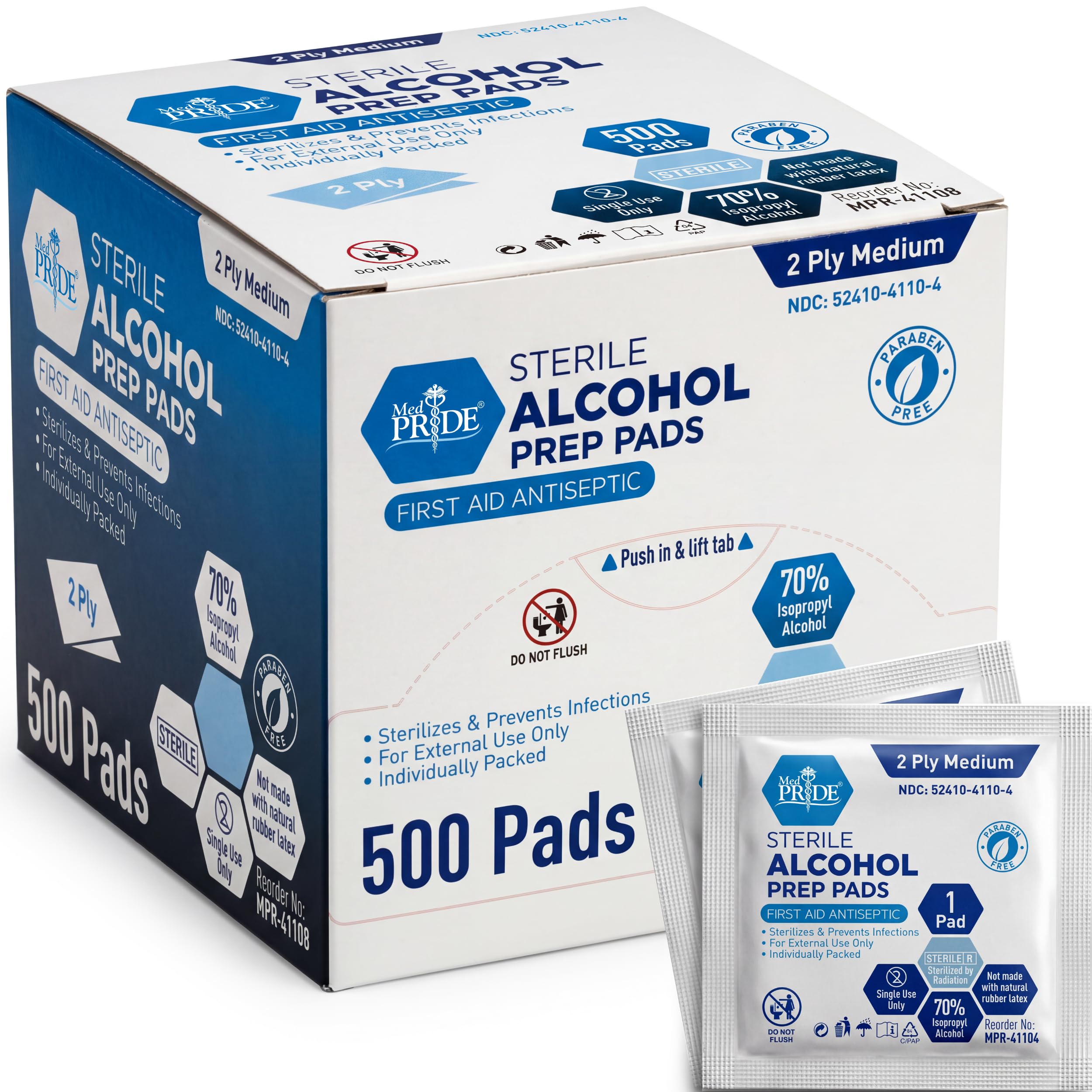
Allowing the alcohol swab to dry completely before the needle is inserted
Injecting slowly and holding for 5 seconds before withdrawing
Using 29-31 gauge needles (thinner = less trauma)
Mixing technique covered in the Wolverine Stack reconstitution guide — incomplete dissolution is described as worsening injection-site reactions
When community sources flag concern: redness expanding beyond 2 inches, feeling hot to the touch, or persisting more than 24 hours is described as a possible sign of infection warranting medical evaluation.
2. Mild Headache
Frequency: 10-20% of users, typically first week
Duration: 1-4 hours, resolves spontaneously
BPC-157 modulates the nitric oxide (NO) system, which affects vascular tone. Some users experience transient headaches during the first few days as NO pathways adjust. This is similar to the headache mechanism seen with NO-boosting supplements.
Community-described mitigations:
Staying well hydrated
A lower starting dose (community sources describe 250mcg total vs 500mcg) for the first 3 days
Frequency: 5-10%, almost always in the first 2-3 days
Duration: 30-60 minutes post-injection
More common with higher starting doses (750mcg+) and when injecting on a full stomach. BPC-157 is a gastric peptide — derived from human gastric juice — and may modulate GI signaling during the initial adjustment period.
Community-described mitigations:
Injecting on a mostly empty stomach (or 2+ hours after eating)
Starting at 250mcg and titrating up over 3-5 days per the dosing protocol
Splitting the daily dose into two injections (morning and evening) if it persists
4. Fatigue or Drowsiness
Frequency: 5-10%, typically weeks 1-2
Duration: A few hours post-injection
Some users report mild drowsiness, particularly in the first week. The mechanism isn't well understood but may relate to BPC-157's interaction with dopaminergic and serotonergic systems, or the body's healing response requiring more rest.
Community-described mitigations:
Evening injection where drowsiness is problematic
Adequate sleep during the cycle (the body is repairing tissue)
5. Lightheadedness
Frequency: 3-5%, typically first few days
Duration: Brief (minutes)
Possibly related to BPC-157's NO modulation affecting blood pressure transiently. More common in users who are already on blood pressure medication.
Community-described mitigations:
Injecting while seated
Waiting 5-10 minutes before standing after injection
Staying hydrated
Bac Water Made for Peptides50% off
Don't risk a $300 peptide on generic bac water.
Most cloudy reconstitutions trace back to one thing — and it isn't the peptide. Sterile, non-pyrogenic, 0.9% benzyl alcohol — formulated for peptide reconstitution, not repackaged from generic stock.
✓ 0.9% benzyl alcohol✓ Made for peptides✓ 30 mL multi-dose
6. Theoretical Cancer Risk (TB-500/Thymosin Beta-4)
Evidence level: Theoretical concern based on mechanism, not observed in practice
This is the most discussed safety concern with the Wolverine Stack, and it deserves a thorough analysis.
The concern stems from TB-500's parent protein, thymosin beta-4, being found overexpressed in certain tumor types. In a mouse melanoma study, cells engineered to overexpress thymosin beta-4 produced significantly larger tumors with increased blood vessel formation compared to controls (Noh et al., 2003).
Thymosin beta-4 promotes angiogenesis — new blood vessel formation (Philp et al., 2004). This is beneficial for wound healing but could theoretically feed existing tumors by providing them with blood supply.
What the evidence actually shows:
TB-500 has been found overexpressed in some tumors — but correlation does not equal causation
No study has demonstrated that exogenous TB-500 causes cancer
Some studies show thymosin beta-4 levels are actually lower in certain cancers (multiple myeloma)
The overexpression studies used sustained, high-level genetic overexpression — very different from periodic subcutaneous injection
The balanced position: There is no evidence that Wolverine Stack use causes cancer. However, the angiogenic mechanism creates a theoretical risk for anyone with undiagnosed or existing malignancy. If you have active cancer, a recent cancer history, or strong family history, consult an oncologist before using TB-500 or the Wolverine Stack.
7. Allergic Reaction
Frequency: Very rare (<1%)
Severity: Potentially serious
True allergic reactions to BPC-157 or TB-500 are extremely rare but possible with any injectable. Signs include:
Widespread rash or hives beyond the injection site
Swelling of face, lips, or throat
Difficulty breathing
Rapid heartbeat
Action: Discontinue immediately and seek emergency medical attention. This is not dose-dependent — if you have a true peptide allergy, even small amounts can trigger a reaction.
Already on protocol and adjusting? See the Wolverine Stack dosing protocol for titration steps that resolve most side effects.
Considering the components separately? Compare the individual peptides in BPC-157 vs TB-500 to decide whether the blend or a single peptide fits your goal.
What's Normal vs When to Stop
Normal — Continue Protocol
Injection site redness lasting <1 hour
Mild headache in first 3 days
Brief nausea on first 1-2 injections
Slight drowsiness in week 1
Occasional bruising at injection sites
Reduce Dose — Monitor Closely
Headaches persisting beyond day 5
Nausea on most injections
Fatigue affecting daily function
Injection site redness lasting 2-4 hours
Signs community sources describe as reasons to pause and reassess
Injection site redness lasting >24 hours or spreading
Persistent nausea despite dose reduction
Any signs of infection (warmth, pus, red streaks)
Unexplained swelling not at injection site
Signs community and clinical sources describe as warranting immediate medical attention
Signs of allergic reaction (hives, throat swelling, breathing difficulty)
Chest pain or significant cardiac symptoms
Any unexplained symptom of concern
Patterns Community Sources Describe for Minimizing Side Effects
Dose Titration
The most consistently described strategy. Community protocols start at half dose (250mcg total blend) for 3-5 days, then increase to the full 500mcg. Most side effects are described as dose-dependent and more common with aggressive starting doses.
Injection Technique
Community sources attribute most injection-site reactions to technique, and describe:
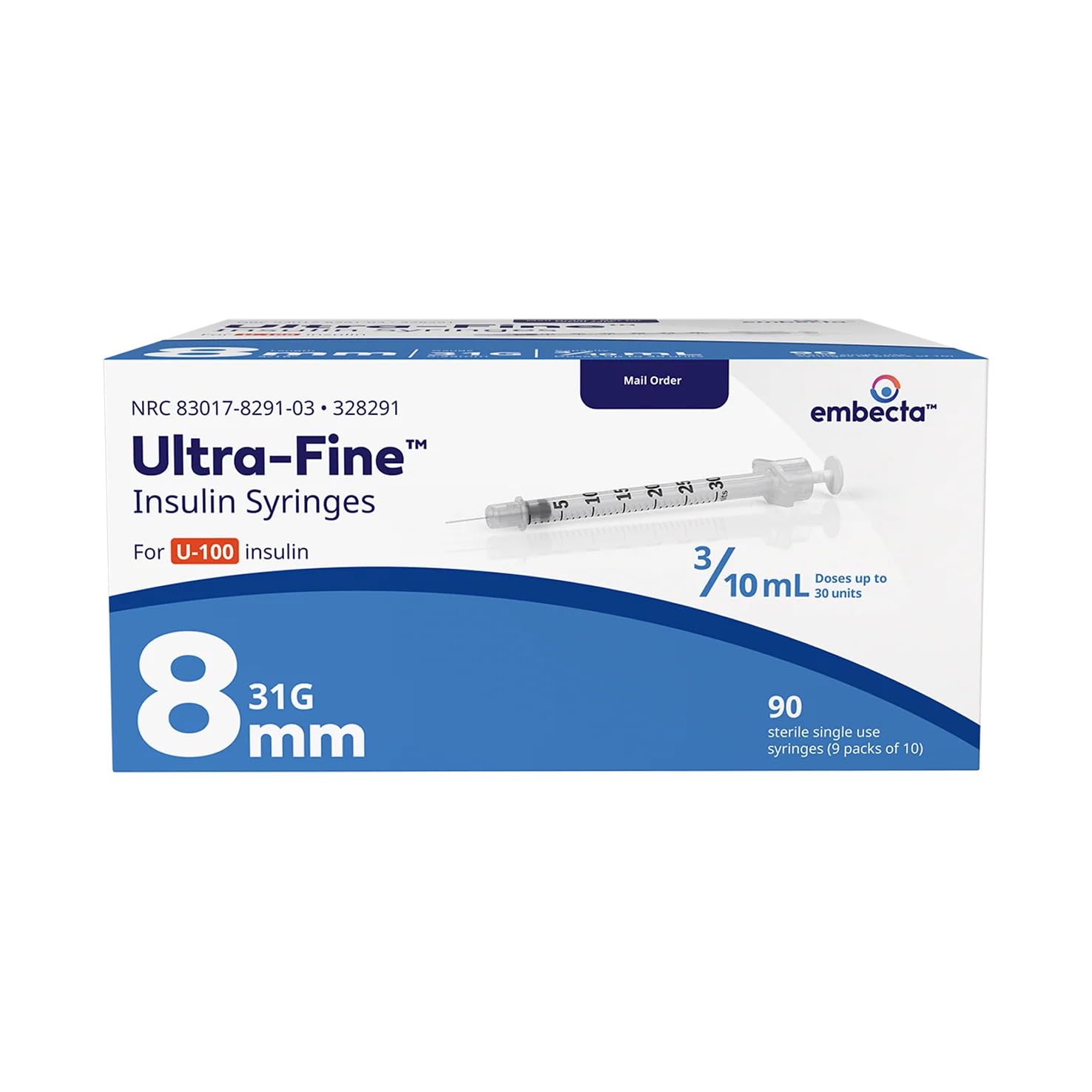
Fresh 29-31ga insulin syringes every time
Cleaning the stopper with alcohol before every draw
Letting alcohol dry on skin before the needle is inserted
Rotating sites systematically
Injecting slowly — a 5-second push minimum
Hydration and Timing
Community sources describe staying well hydrated (BPC-157's NO modulation can affect fluid balance) and injecting at a consistent daily time for steady blood levels. Most users describe morning injection, though evening is described where drowsiness is an issue.
Long-term Safety Data
BPC-157: Has been through Phase II clinical trials for ulcerative colitis and is in trials for multiple sclerosis. No lethal dose was achieved in toxicology studies even at 2g/kg. No significant adverse events in human trials. This is the strongest safety profile of any healing peptide.
TB-500: Zero human clinical trials. Safety data comes entirely from animal studies and community self-reports. Long-term effects of chronic TB-500 use are unknown. This is the gap in the safety picture.
The combination: Never formally tested. Most community users report 8-12 week cycles without significant issues, but selection bias applies — people who have problems may not report them.
Core Supplies for This Protocol
The essentials for running any reconstituted injectable: cold storage, accurate syringes, alcohol prep pads, and metabolic tracking.
What does the research show about Wolverine Stack safety?
BPC-157 has shown no toxicity in human trials (a lethal dose was not reached even at 2g/kg in animal studies). TB-500 has zero human clinical trials, and the combination has never been formally tested. Community reports describe mostly mild, transient side effects — but absence of evidence is not evidence of absence.
Does the Wolverine Stack cause cancer?
This is the most discussed concern. TB-500's parent protein (thymosin beta-4) has been found overexpressed in certain tumors and can promote angiogenesis, which theoretically could feed existing tumors. No study has shown TB-500 causes cancer — but no long-term human safety data exists. Community and clinical sources commonly describe an oncologist consultation where there is active cancer or a strong family history.
What are the most common Wolverine Stack side effects?
Injection site reactions (redness, mild swelling, itching) are the most commonly reported, affecting most users to some degree. These are typically transient and resolve within 30-60 minutes. Nausea and headaches are less common and usually limited to the first few days.
What do community sources describe about combining the Wolverine Stack with other medications?
No formal interaction studies exist. BPC-157 modulates the NO system, which could theoretically interact with blood pressure medications or nitrates. Community sources commonly describe physician consultation before combining with any prescription medication.
What do community sources describe for nausea on the Wolverine Stack?
Mild nausea in the first 2-3 days is commonly reported and typically resolves. Community sources describe halving the dose when nausea persists beyond day 5 or is severe, and discontinuing and reassessing if it continues at the reduced dose.
Noh, H., et al. (2003). Role of thymosin beta4 in tumor metastasis and angiogenesis. Journal of the National Cancer Institute, 95(22), 1674-1680. PMID: 14625258
Philp, D., et al. (2004). Thymosin beta4 promotes angiogenesis, wound healing, and hair follicle development. Mechanisms of Ageing and Development, 125(2), 113-115. PMID: 15037013
This article is for educational and informational purposes only. It is not medical advice. The Wolverine Stack (BPC-157 + TB-500) is sold as a research compound and is not FDA-approved for human use. Consult a qualified healthcare provider before starting any peptide protocol.