AHK-Cu
AHK-Cu is a copper-binding tripeptide (alanine-histidine-lysine with copper), a close relative of GHK-Cu studied mainly in topical hair-follicle research. Below: today's vial sizes, prices through our link and the vendor's COA details.
Size
$0.54/mg · In stock
Price
$53.99
List
$59.99
Price shown uses code thepeptidecatalog at Mile High Compounds's checkout (10% off list).
Sold by Mile High Compounds. The Peptide Catalog does not sell peptides; we earn a commission if you buy through this link, at no extra cost to you. For laboratory research use only, not for human or veterinary use. Not FDA-approved. Nothing on this page is medical or dosing advice.
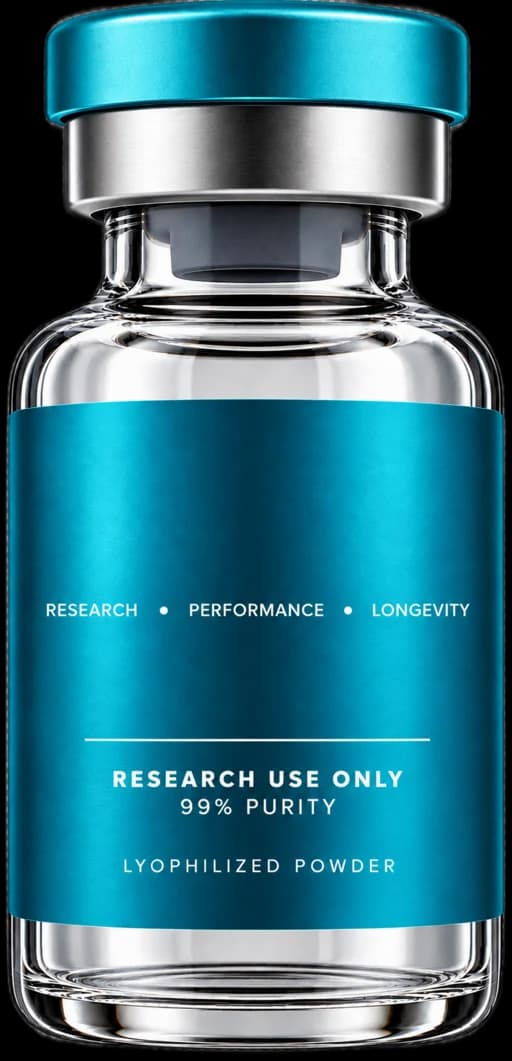
- Vendor-stated testing: Third-party tested · 7-point panel · COA per product
- Listed on our ahk-cu vendor comparison, ordered by our vendor rankings
- Lyophilized powder · laboratory research use only
Research-context information only. AHK-Cu is a research peptide. Protocols, doses, and reactions reported below come from published research and self-reported community sources. This article reports what has been documented, not what should be done. Consult a licensed physician for personal medical decisions.
Vial sizes listed by the vendor
AHK-Cu Vial Sizes & Prices
| Size | List | With our code | Per mg | Availability |
|---|---|---|---|---|
| 100 mg | $59.99 | $53.99 | $0.54 | In stock |
Prices checked today, 5:18 AM CT on Mile High Compounds's site, with code thepeptidecatalog applied. Vendor-stated testing: Third-party tested · 7-point panel · COA per product. The lot certificate is on Mile High Compounds's product page. Sizes not re-checked in the last 7 days are hidden. The vendor's checkout is final.
Test results
AHK-Cu Certificate of Analysis
View the AHK-Cu certificate on Mile High Compounds's product page.
How to check one: how to verify a peptide COA.
AHK-Cu Dosing in Clinical Research
Hair Growth / Copper Peptide (Topical; Preclinical Evidence)
Educational reference only. Individual responses vary. Consult healthcare provider before use.
Why This Dosing Protocol
Why pair it with GHK-Cu?The two copper peptides are frequently combined or compared; GHK-Cu carries the deeper evidence base AHK-Cu's claims lean on.
Same research area
Related healing & recovery peptides
 BPC-157Synthetic 15-amino-acid peptide derived from a gastric protein, studied in tissue-repair research.
- TB-500Synthetic fragment of thymosin beta-4 studied in tissue-repair research.TB-500
 Thymosin Beta-443-amino-acid actin-binding peptide studied in tissue-repair research.
 GHK-CuCopper peptide (glycyl-histidyl-lysine) studied in skin and wound research.
- LL-37Human cathelicidin antimicrobial peptide studied in immune research.LL-37
- ARA-290EPO-derived peptide (cibinetide) studied in tissue-protection research.ARA-290
- CartalaxKhavinson tripeptide (AED) studied in preclinical cartilage research.Cartalax
- PDA (Pentadeca Arginate)Pentadeca arginate, a BPC-157-derived peptide studied in tissue-repair research.PDA (Pentadeca Arginate)
How AHK-Cu Works
Copper-Binding Tripeptide — Hair / Skin (Topical; Preclinical Evidence, GHK-Cu Sibling)
Target → Signal → Effect → Outcomes
Copper Delivery to Dermal Papilla Cells
AHK-Cu is alanine-histidine-lysine complexed with copper(II). Like its better-known sibling GHK-Cu, its proposed action is delivering bioavailable copper to skin and hair-follicle cells — particularly the dermal papilla cells that regulate the hair-growth cycle.
VEGF and Anagen-Phase Prolongation (Preclinical)
In cell and animal models, AHK-Cu is reported to upregulate VEGF (follicle angiogenesis) and prolong the anagen (active growth) phase of the hair cycle, increasing follicle size. These are preclinical signals, not human outcomes.
Local, Topical — Not Systemic
AHK-Cu is used topically on the scalp/skin, so its effects are local rather than systemic. There is no meaningful human pharmacokinetic or systemic-effect data — the molecule is applied where the follicles are, often with microneedling.
Slow, Hair-Cycle-Paced — If Anything
Any hair change would be slow (months, a full cycle), as with all hair-growth interventions. AHK-Cu's own human evidence is thin, so "no visible change" is fully consistent with the data. Expectations are largely borrowed from GHK-Cu and conventional hair therapies.
What Makes This Peptide Different
AHK-Cu is the hair-focused copper peptide — the lesser-studied cousin of GHK-Cu. Its distinguishing claim is dermal-papilla stimulation, but the evidence base is mostly in-vitro and cosmetic-formulation work, much of it formulator-funded. It is a topical research compound, not a validated hair-loss treatment.
Technical specifications
AHK-Cu chemical & analytical data
- Form
- Lyophilized (freeze-dried) powder in a sealed vial
- Presentation
- 100 mg
- Regulatory status
- Research peptide; research-grade vials are not FDA-approved.
AHK-Cu Reconstitution Calculator
Dilution math and unit conversions. Prefilled using a common vial size for this peptide.
Open calculatorStorage & Handling
Storage at a glance
Proper storage temperatures, shelf life, reconstitution best practices, and travel tips for lyophilized and reconstituted peptides.
Handling specifics
Educational overview on storage, labeling, and traceability considerations for lab environments. Consult primary literature and vendor documentation for specifics.
- Freezer (-20°C): 1+ year
- Refrigerator (2-8°C): 1-3 months
- Room temperature: 2-3 weeks (emergency only)
- MUST refrigerate at 2-8°C
- 4-week maximum shelf life
- NEVER freeze after reconstitution
- Use bacteriostatic water for multi-dose
7 answers
AHK-Cu FAQ: Buying, COA, Storage & Research
What is AHK-Cu?
AHK-Cu vs GHK-Cu — what's the difference?
How is AHK-Cu used?
Does AHK-Cu actually regrow hair?
How long does reconstituted peptide last?
Is this peptide legal to purchase?
New to peptides?
AHK-Cu Research Articles
AHK-Cu Dosage Chart: Topical Serum Prep
AHK-Cu is used topically, not injected. Here's how community sources reconstitute the copper peptide into a scalp serum — and where the numbers come from.
side-effectsAHK-Cu Side Effects: What's Documented
Topical copper peptides are usually well tolerated — but irritation, contact allergy, and thin safety data are worth understanding before you mix a serum.
resultsAHK-Cu Results Timeline: What to Expect
There's no clinical timeline for topical AHK-Cu — only hair-cycle biology and community reports. Here's an honest week-by-week of what's documented.
buying-guideBuy AHK-Cu: Compare 2 Vendors, From $29
The 1000mg AHK-Cu vial has the lowest cost per mg — about 9x under the 50mg. 2 vendors scored on cost, COA, and cost per week.
Compare AHK-Cu Vendors Before You Buy
Disclosure: we may earn affiliate commission from qualifying purchases. Educational information only — not medical advice.