Glutathione
Glutathione is a tripeptide (glutamate, cysteine and glycine) made in every cell, where it acts as a major antioxidant and detoxification cofactor. Below: today's vial sizes, prices through our link and the vendor's COA details.
Size
$0.03/mg · lot GLTA-062026-1 · 99.89% · In stock
Price
$38.50
List
$55.00
Price shown uses code thepeptidecatalog at Nura Peptide's checkout (30% off list).
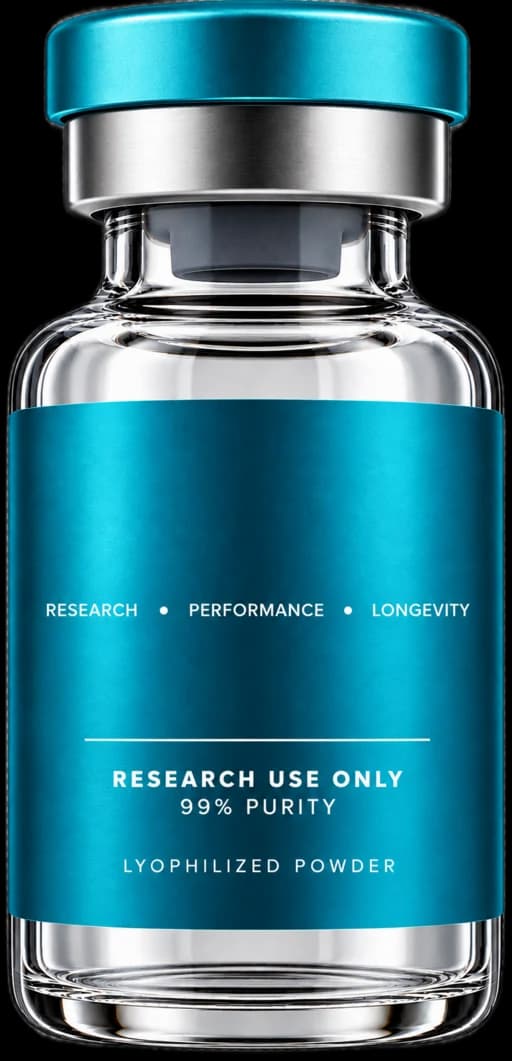
Sold by Nura Peptide as Glutathione 1500mg. The Peptide Catalog does not sell peptides; we earn a commission if you buy through this link, at no extra cost to you. For laboratory research use only, not for human or veterinary use. Not FDA-approved. Nothing on this page is medical or dosing advice.

- Certificate of Analysis published for every lot (Freedom Diagnostics Testing)
- Current lots report 99.89% purity or higher
- Ships from a U.S. fulfillment center, per Nura Peptide
- Lyophilized powder · laboratory research use only
Research-context information only. Glutathione is a research peptide. Protocols, doses, and reactions reported below come from published research and self-reported community sources. This article reports what has been documented, not what should be done. Consult a licensed physician for personal medical decisions.
Vial sizes listed by the vendor
Glutathione Vial Sizes, Prices & Lots
| Size | List | With our code | Per mg | Availability | Lot · purity |
|---|---|---|---|---|---|
| 1500 mg | $55.00 | $38.50 | $0.03 | In stock | GLTA-062026-1 · 99.89% |
Prices checked today, 6:20 AM CT on Nura Peptide's site, with code thepeptidecatalog applied. Lot data from Nura Peptide's COA page, checked today, 7:57 PM CT. Sizes not re-checked in the last 7 days are hidden. The vendor's checkout is final.
Verified test results
Glutathione Certificate of Analysis
Glutathione 1500mg 1500mg
Lot GLTA-062026-1
99.89%reported purity
- Laboratory
- Freedom Diagnostics Testing
- Reported
- 2026-06-14
- Accession
- Nura2606110363
All lots on record: Nura Peptide COA library. How to check one: how to verify a peptide COA.
Glutathione Dosing in Clinical Research
Antioxidant / Immune / Detox
Educational reference only. Individual responses vary. Consult healthcare provider before use.
Why This Dosing Protocol
Why 200–600 mg? IV clinical protocols typically use 600–1200 mg per session. Injectable subcutaneous doses of 200 mg 2–3x/week approximate the weekly exposure from periodic IV infusions while fitting a home-use protocol.
Why 2–3x per week? GSH has a relatively short plasma half-life (~1.6 hours after IV). Repeated dosing maintains elevated systemic levels. Cycling 8 weeks on, 4 off follows general peptide cycling convention.
Same research area
Related longevity & mitochondrial peptides
 EpitalonSynthetic tetrapeptide (AEDG) studied in telomere and aging research.
 MOTS-CMitochondria-derived peptide studied in metabolic research.
- AICARAMPK-activating nucleoside analog studied in metabolic research.
 AICAR
- SS-31 (Elamipretide)Mitochondria-targeted tetrapeptide (elamipretide) studied in mitochondrial research.SS-31 (Elamipretide)
- HumaninMitochondria-derived peptide studied in cellular-stress research.Humanin
 NAD+Nicotinamide adenine dinucleotide, a coenzyme in cellular energy metabolism.
- FOXO4-DRIRetro-inverso FOXO4 peptide studied in preclinical cellular-senescence research.FOXO4-DRI
- Methylene BluePhenothiazine dye studied in mitochondrial research.Methylene Blue
How Glutathione Works
Endogenous Tripeptide Antioxidant
Target → Electron Donation → Detox & Immune Modulation → Outcomes
Reactive Oxygen Species (ROS) and Electrophilic Toxins
Glutathione (GSH) is a tripeptide — glutamate-cysteine-glycine — present in every cell. It targets reactive oxygen species (superoxide, hydroxyl radicals, hydrogen peroxide) and electrophilic xenobiotics that would otherwise damage DNA, proteins, and lipid membranes.
Electron Donation → Antioxidant Recycling → Phase II Conjugation
GSH donates electrons to neutralize free radicals via glutathione peroxidase (GPx), oxidizing to GSSG. Glutathione reductase recycles GSSG back to GSH using NADPH. Simultaneously, glutathione S-transferase (GST) conjugates toxins to GSH for Phase II liver elimination. GSH also regenerates oxidized vitamins C and E back to their active forms.
Reduced Oxidative Stress + Enhanced Detox + Immune Modulation
Reduces circulating oxidative stress markers (8-OHdG, MDA, F2-isoprostanes). Supports T-cell proliferation and NK cell cytotoxicity — lymphocytes require high intracellular GSH for optimal function. Enhances hepatic detoxification capacity for drugs, heavy metals, and environmental toxins.
Energy + Skin Brightening + Immune Resilience (2–8 Weeks)
Improved energy and recovery are commonly reported within 2–4 weeks of injectable use. Brighter, more even skin tone typically emerges at 4–8 weeks (glutathione inhibits tyrosinase, reducing melanin overproduction). Better immune resilience — fewer or shorter colds — is reported during cold and flu season. IV users often report immediate clarity.
What Makes This Peptide Different
Glutathione is the only endogenous tripeptide antioxidant that simultaneously regenerates other antioxidants (vitamins C and E) while serving as the primary substrate for Phase II liver detoxification. Unlike supplemental antioxidants that work in one compartment, glutathione operates inside every cell. The clinical challenge is bioavailability — oral GSH is largely destroyed in the GI tract, making injectable, IV, and buccal strip delivery the preferred research formats.
Technical specifications
Glutathione chemical & analytical data
- Sold by Nura Peptide as
- Glutathione 1500mg
- Form
- Lyophilized (freeze-dried) powder in a sealed vial
- Presentation
- 1500 mg
- Purity on current lots (COA)
- 99.89%
- Testing laboratory
- Freedom Diagnostics Testing
- Regulatory status
- Research compound; research-grade vials are not FDA-approved.
Glutathione Reconstitution Calculator
Dilution math and unit conversions. Prefilled using a common vial size for this peptide.
Open calculatorStorage & Handling
Storage at a glance
Proper storage temperatures, shelf life, reconstitution best practices, and travel tips for lyophilized and reconstituted peptides.
Handling specifics
Educational overview on storage, labeling, and traceability considerations for lab environments. Consult primary literature and vendor documentation for specifics.
- Freezer (-20°C): 1+ year
- Refrigerator (2-8°C): 1-3 months
- Room temperature: 2-3 weeks (emergency only)
- MUST refrigerate at 2-8°C
- 4-week maximum shelf life
- NEVER freeze after reconstitution
- Use bacteriostatic water for multi-dose
9 answers
Glutathione FAQ: Buying, COA, Storage & Research
What does glutathione do in the body?
How does injectable glutathione compare to oral supplements?
What is a standard injectable glutathione protocol?
Are there side effects associated with glutathione injections?
How long until results are noticeable?
Can glutathione be stacked with NAD+?
How long does reconstituted peptide last?
Is this peptide legal to purchase?
New to peptides?
Glutathione Research Articles
Glutathione Dosage Chart: IV, Injectable & Strips
Oral glutathione is mostly destroyed in the gut -- three delivery routes that actually work, with protocols for each.
reconstitutionGlutathione Reconstitution: 1500mg + 3mL Chart
300mg = 100 units. Glutathione uses far larger volumes than most peptides — dilution charts for 600mg and 1,500mg vials, syringe math, and storage.
buying-guideBuy Glutathione: Compare 4 Vendors, From $15
Compare 4 Glutathione vendors side by side: from $15 a vial, best value $0.01/mg. Codes save up to 30%. Vial sizes, COA status, real cost per week.
resultsGlutathione Results: Week-by-Week Timeline
IV users report energy changes in days; skin brightening peaks at 8-12 weeks. Full glutathione timeline by delivery route and use case.
Compare Glutathione Vendors Before You Buy
Disclosure: we may earn affiliate commission from qualifying purchases. Educational information only — not medical advice.