MOTS-C

MOTScmitochondrial-derived peptideLyophilized powder

MOTS-c is a 16-amino-acid peptide encoded in mitochondrial DNA, inside the 12S rRNA gene, first described in 2015. Most of what is known about it comes from cell and mouse studies of how muscle uses glucose and energy; there is no FDA-approved form. Below: today's vial sizes, prices through our link and the vendor's COA details.

Size

$3.15/mg · lot MOT10-062026-1 · 99.21% · In stock

Price

$31.50

List

$45.00

Buy 10 mg at Nura Peptide

Price shown uses code thepeptidecatalog at Nura Peptide's checkout (30% off list).

Sold by Nura Peptide as MOTS-c 10mg. The Peptide Catalog does not sell peptides; we earn a commission if you buy through this link, at no extra cost to you. For laboratory research use only, not for human or veterinary use. Not FDA-approved. Nothing on this page is medical or dosing advice.

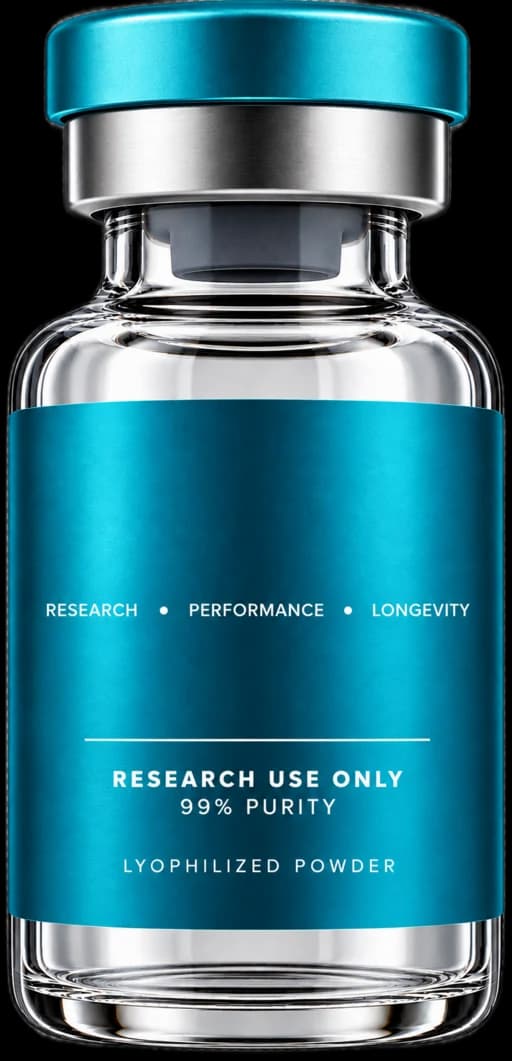
MOTS-C research vial sold by Nura Peptide as MOTS-c 10mg
Third-party tested≥99.21% reported purityResearch use only
Certificate of AnalysisLot MOT10-062026-1 · 99.21%View
  • Certificate of Analysis published for every lot (Freedom Diagnostics Testing)
  • Current lots report 99.21% purity or higher
  • Ships from a U.S. fulfillment center, per Nura Peptide
  • Lyophilized powder · laboratory research use only
Research-context information only. MOTS-C is a research peptide. Protocols, doses, and reactions reported below come from published research and self-reported community sources. This article reports what has been documented, not what should be done. Consult a licensed physician for personal medical decisions.

Vial sizes listed by the vendor

MOTS-C Vial Sizes, Prices & Lots

MOTS-C vial sizes, prices and lots at Nura Peptide
SizeListWith our codePer mgAvailabilityLot · purity
10 mg$45.00$31.50$3.15In stockMOT10-062026-1 · 99.21%

Prices checked today, 6:20 AM CT on Nura Peptide's site, with code thepeptidecatalog applied. Lot data from Nura Peptide's COA page, checked today, 7:57 PM CT. Sizes not re-checked in the last 7 days are hidden. The vendor's checkout is final.

Verified test results

MOTS-C Certificate of Analysis

Nura Peptide publishes a third-party certificate for each lot of MOTS-c 10mg. The figures below are copied from Nura Peptide's current-lot listings, checked today, 7:57 PM CT (refreshed hourly; hidden if older than 24 hours). Match the lot number on the vial to its certificate.

All lots on record: Nura Peptide COA library. How to check one: how to verify a peptide COA.

MOTS-C Dosing in Clinical Research

Metabolic Health / Fat Loss

Educational reference only. Individual responses vary. Consult healthcare provider before use.

Vial Size
10 mg
Reconstitution
2 ml BAC water
Dose
1 mg (20 units on 1ml syringe)
Timing
AM
Frequency
5 days on, 2 days off
Duration
8 weeks on, 8 weeks off
Protocol Notes
Mitochondrial peptide with exercise-mimetic effects. Can take before exercise for enhanced benefits.

Why This Dosing Protocol

Why morning/pre-exercise? MOTS-c activates the same AMPK pathway as exercise. Taking it before physical activity may enhance the metabolic response to training.

Why 5 on / 2 off? Prevents potential pathway desensitization and allows cellular recovery. Consistent with standard peptide cycling approaches.

How MOTS-C Works

Mitochondrial-Derived Peptide — Exercise Mimetic

Target → AMPK Activation → Metabolic Adaptation → Outcomes

1
Target

AMPK (AMP-Activated Protein Kinase)

MOTS-c is encoded in mitochondrial DNA and activates AMPK — the same "energy sensor" pathway triggered by exercise. This makes it one of the few true "exercise mimetic" peptides, activating metabolic pathways that normally require physical activity.

2
Cellular Signal

AMPK Activation → Glucose Uptake + Fat Oxidation

AMPK activation increases cellular glucose uptake (independent of insulin), enhances fatty acid oxidation, and improves mitochondrial biogenesis. MOTS-c also regulates the folate-methionine cycle, affecting gene expression patterns related to metabolism.

3
Systemic Effect

Metabolic Optimization + Insulin Sensitivity

Improved insulin sensitivity, enhanced fat utilization for energy, better exercise tolerance, and metabolic flexibility. MOTS-c levels naturally decline with age, which may contribute to age-related metabolic dysfunction.

4
What You Notice

Better Exercise Tolerance → Fat Loss → Energy

Improved exercise capacity and endurance. Enhanced fat loss, especially when combined with exercise. Better blood sugar regulation. Increased energy levels. Effects build over weeks of consistent use.

What Makes This Peptide Different

MOTS-c is one of few mitochondrial-derived peptides — encoded in mitochondrial DNA rather than nuclear DNA. Its AMPK activation mimics the metabolic benefits of exercise at the cellular level. Unlike GH peptides that work through hormonal pathways, MOTS-c works directly on cellular energy metabolism. Naturally declines with age, making it a target for age-related metabolic support.

MOTS-C Clinical Evidence

Two parallel grades per outcome — clinical RCT depth and real-world community adoption. See the Research Overview below for citations and detail.

OutcomeClinical EvidenceCommunity Evidence
Insulin sensitivity (preclinical)ModerateWeak
Exercise / physical capacity (preclinical)ModerateWeak
Body weight / obesity in humansPreliminaryWeak
Endogenous MOTS-c levels in PCOS / metabolic diseasePreliminaryWeak

MOTS-C Research Overview

Outcome-by-outcome look at what the evidence actually supports for MOTS-C, including human vs. animal study counts and our editorial take on each.

Insulin sensitivity / metabolic health

Clinical:ModerateCommunity:Weak

Lee 2015 (Cell Metab) identified MOTS-c as a 16-aa mitochondrially-encoded peptide that increases insulin sensitivity in mouse models via AMPK activation, with reduced obesity and insulin resistance. The mechanism (folate-purine-AMPK pathway) has been confirmed across multiple labs. As of 2026, no human RCT of MOTS-c administration has been published.

1 human study · 8 animal studies

Key findings & citations
  • Lee 2015: MOTS-c reduced obesity and insulin resistance in high-fat-fed mice.
  • Mechanism: AMPK activation via folate-purine pathway.
  • Endogenous MOTS-c levels track with metabolic health in humans (Ramanjaneya 2019).
  • Zero human RCTs of MOTS-c administration.

Our take

Beautiful mechanism, zero administered human data. Community use is purely experimental.

What MOTS-C doesn't do

Claims that current evidence does not support. Worth knowing before you set expectations.

Technical specifications

MOTS-C chemical & analytical data

Also known as
MOTSc, mitochondrial-derived peptide
Sold by Nura Peptide as
MOTS-c 10mg
Receptor targets
AMPK activation (mitochondrial-derived peptide)
Backbone length
16 amino acids
Modifications
16-residue peptide encoded in mitochondrial 12S rRNA gene
Half-life (clinical PK)
~1 hour (circulating); longer intracellular effects
Form
Lyophilized (freeze-dried) powder in a sealed vial
Presentation
10 mg
Purity on current lots (COA)
99.21%
Testing laboratory
Freedom Diagnostics Testing
Regulatory status
Research peptide. Not FDA-approved for any use.

MOTS-C Reconstitution Calculator

Dilution math and unit conversions. Prefilled using a common vial size for this peptide.

Open calculator

Storage & Handling

Storage at a glance

Proper storage temperatures, shelf life, reconstitution best practices, and travel tips for lyophilized and reconstituted peptides.

Powder: Freezer
1+ year at -20°C
Reconstituted: Fridge
4 weeks max at 2-8°C
View Complete Storage Guide

Handling specifics

Educational overview on storage, labeling, and traceability considerations for lab environments. Consult primary literature and vendor documentation for specifics.

Powder storage (very stable)
  • Freezer (-20°C): 1+ year
  • Refrigerator (2-8°C): 1-3 months
  • Room temperature: 2-3 weeks (emergency only)
Reconstituted storage (fragile)
  • MUST refrigerate at 2-8°C
  • 4-week maximum shelf life
  • NEVER freeze after reconstitution
  • Use bacteriostatic water for multi-dose

8 answers

MOTS-C FAQ: Buying, COA, Storage & Research

Why is MOTS-c called an 'exercise mimetic'?
MOTS-c activates AMPK, the same metabolic master switch triggered by exercise. This improves glucose uptake, enhances fatty acid oxidation, and increases insulin sensitivity — effects normally achieved through physical activity. Studies show MOTS-c can improve exercise capacity and metabolic markers even without exercise, though it works best alongside physical activity.
How does MOTS-c differ from other longevity peptides like Epitalon or SS-31?
While Epitalon targets telomerase and SS-31 targets cardiolipin in mitochondria, MOTS-c works through AMPK activation to regulate whole-body metabolism. MOTS-c is unique because it's encoded in mitochondrial DNA (not nuclear DNA) and acts as a signaling molecule from mitochondria to the rest of the body — a process called "retrograde signaling."
Why do MOTS-c levels decline with age?
MOTS-c is produced from mitochondrial DNA, and mitochondrial function declines with age. Lower MOTS-c correlates with metabolic dysfunction, insulin resistance, and age-related diseases. Research suggests restoring MOTS-c levels may help reverse some aspects of metabolic aging, which is why it's being studied for type 2 diabetes and obesity.
Can MOTS-c help with weight loss?
MOTS-c improves fat metabolism by activating AMPK, which shifts cells toward burning fat for energy. Animal studies show it prevents diet-induced obesity and improves metabolic markers. In humans, higher natural MOTS-c levels are associated with lower body fat. It's not a direct fat burner like GLP-1 drugs, but works by improving how your body processes and burns fuel.
What's the connection between MOTS-c and muscle performance?
MOTS-c enhances skeletal muscle insulin sensitivity and glucose uptake, improving how muscles use fuel during exercise. Studies in older mice showed MOTS-c treatment improved running capacity and physical performance. It may help maintain muscle metabolic function during aging, which is why athletes and longevity researchers are interested in it.
How long does reconstituted peptide last?
Once mixed with bacteriostatic water, peptides remain stable for up to 4 weeks when refrigerated at 2-8°C (36-46°F). Unopened powder can last 1+ year in the freezer. Get our complete Storage & Travel Guide.
Is this peptide legal to purchase?
Peptides sold "for research purposes only" are legal to purchase in the US, but are not FDA-approved for human use outside of specific medical applications. Always consult a healthcare provider before use.
New to peptides?
Take our Peptide Match tool to find the best peptide for your goals. You can also read our Complete Guide to Peptides to learn the basics.

MOTS-C Studies & Sources

The following peer-reviewed studies and official resources provide additional scientific context for this peptide:

MOTS-C Research Articles

Compare MOTS-C to alternatives

Side-by-side mechanism, dose, half-life, and vendor pricing.

Open compare →

Compare MOTS-C Vendors Before You Buy

Disclosure: we may earn affiliate commission from qualifying purchases. Educational information only — not medical advice.