How to Reconstitute BPC-157
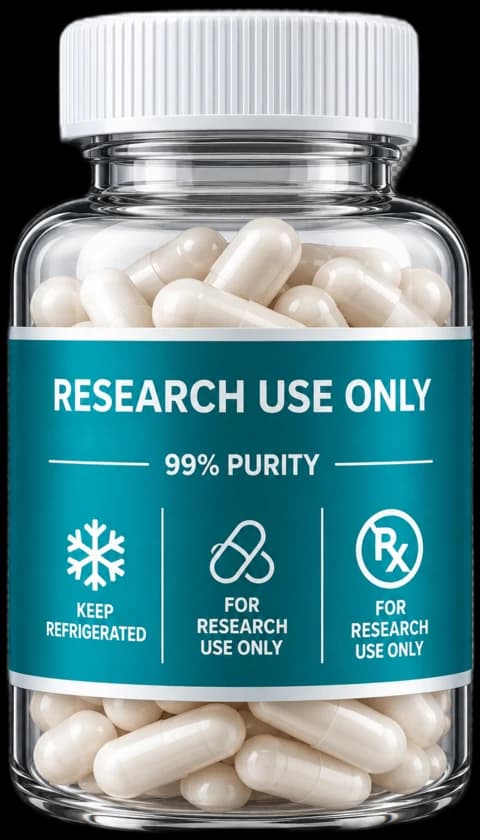
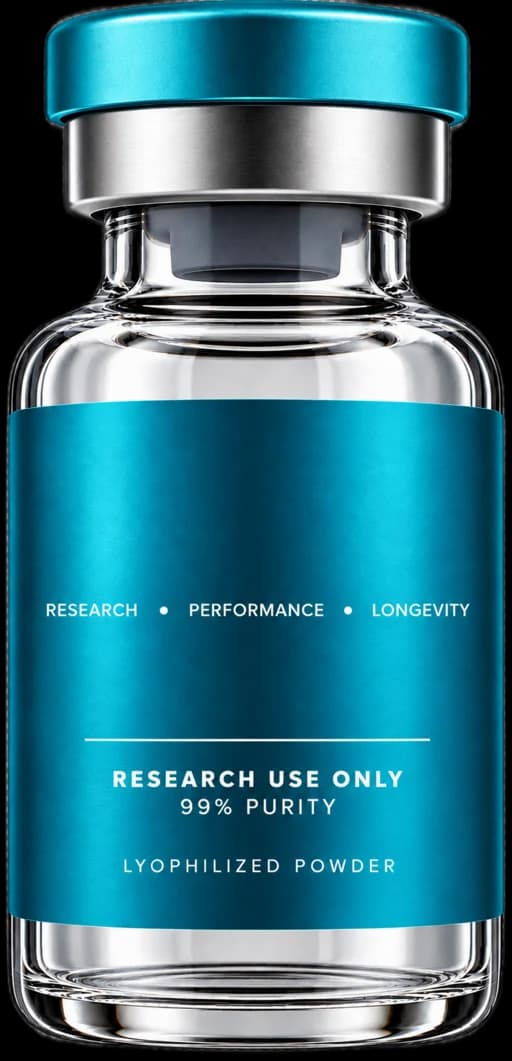
A first vial of BPC-157 arrives as a tiny bottle of white powder. Reconstitution sounds technical but it's straightforward once the basics are clear.
This guide covers mixing, measuring doses, and storing the peptide so nothing goes to waste.
Research-context information only. BPC-157 is a research peptide. Protocols, doses, and reactions reported below come from published research and self-reported community sources. This article reports what has been documented, not what should be done. Consult a licensed physician for personal medical decisions.
New to bacteriostatic water? Start with what it is, how much to use per vial, and how long it lasts — or see the full Bacteriostatic Water Guide.
What You Need
Documented protocols call for the following:
- BPC-157 lyophilized vial (typically 5mg or 10mg)
- Bacteriostatic water (BAC water) — not sterile water, not saline
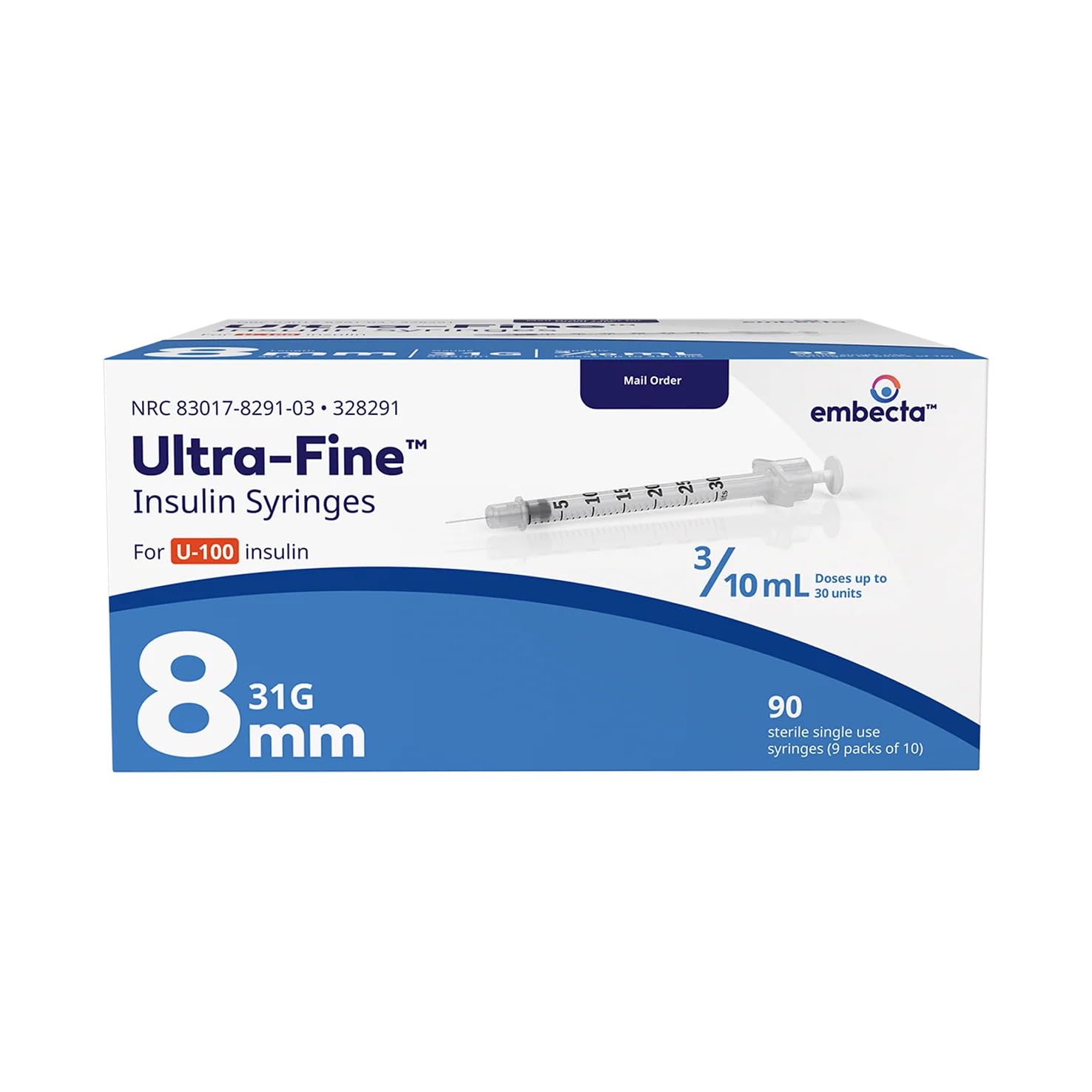
- Insulin syringes — 1mL (100 unit), 29-31 gauge
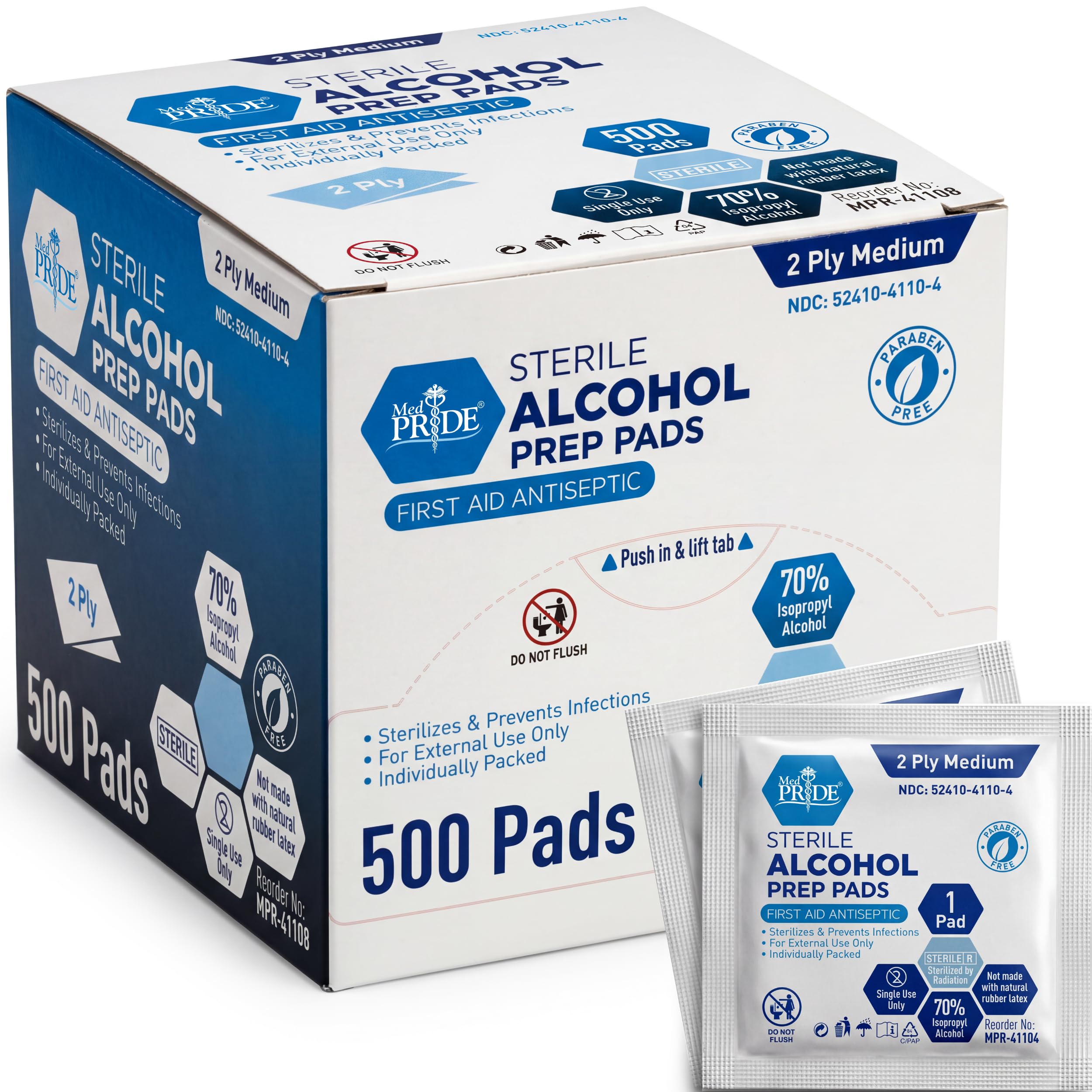
- Alcohol swabs — for cleaning vial tops
- A clean, flat workspace
Why bacteriostatic water? It contains 0.9% benzyl alcohol that prevents bacteria from growing in the solution. Regular sterile water has no preservative, so the vial must be used within 24 hours. BAC water allows up to 28 days refrigerated.
Nura Reconstitution Solution
Don't risk a $300 peptide on generic bac water.
Most cloudy reconstitutions trace back to one thing — and it isn't the peptide. Sterile, non-pyrogenic, 0.9% benzyl alcohol — formulated for peptide reconstitution, not repackaged from generic stock.
✓ 0.9% benzyl alcohol✓ Made for peptides✓ 30 mL multi-dose
Ships from Nura · 30% off with code thepeptidecatalog
Step-by-Step Reconstitution
Step 1: Clean Everything
Protocols describe wiping the tops of both vials (BPC-157 and BAC water) with alcohol swabs, then letting them air dry for 10 seconds. This prevents contamination — a step community resources flag as essential.
Step 2: Draw Your Bacteriostatic Water
Protocols describe using a fresh insulin syringe to draw the desired amount of BAC water. The amount added determines the concentration (see the dilution charts below).
Community resources commonly document 2mL into a 5mg vial as the sweet spot. It gives clean, round numbers for standard doses.
Step 3: Add Water to the Peptide Vial
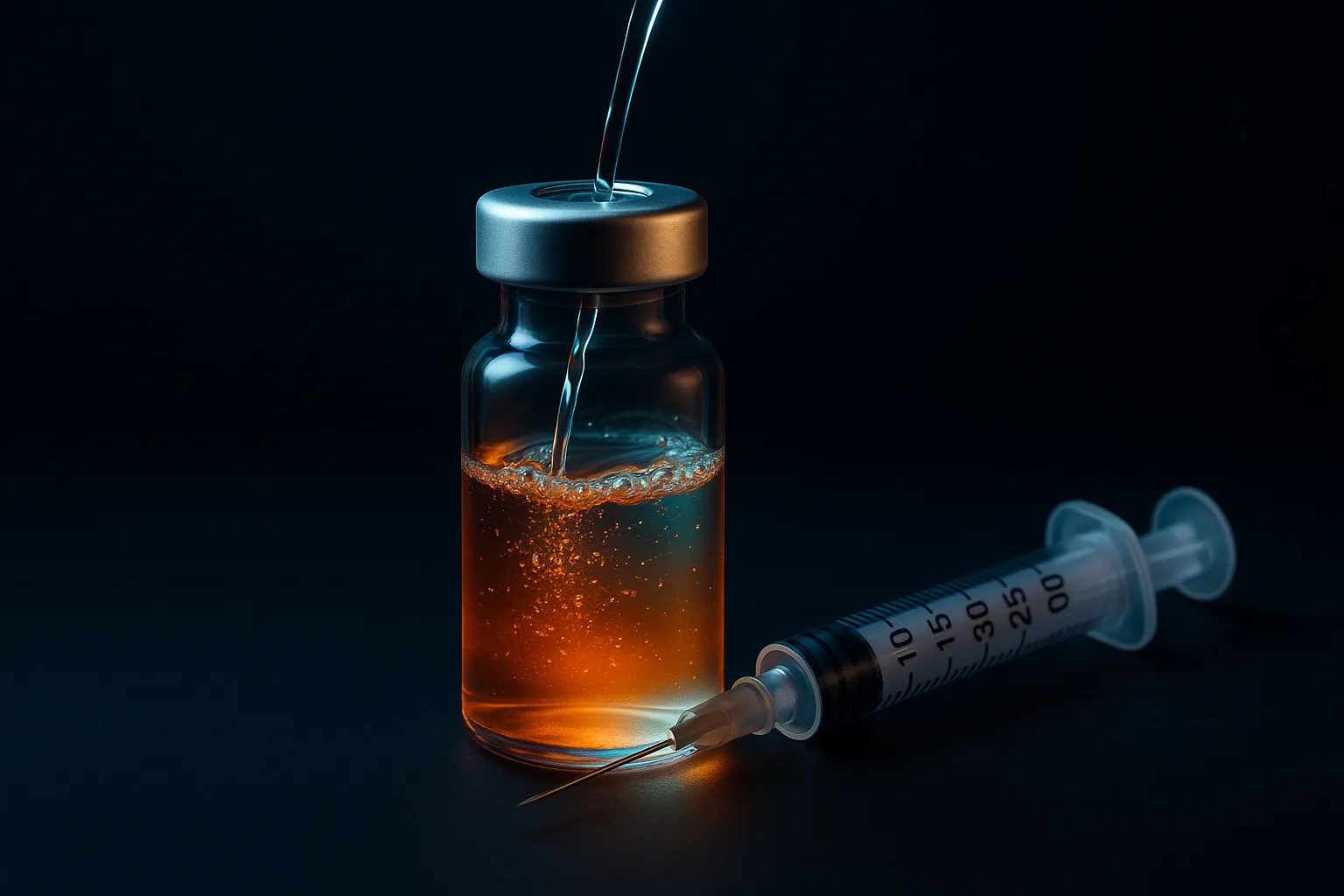
Protocols describe inserting the needle into the BPC-157 vial at an angle, aiming at the glass wall — not directly at the powder — and letting the water trickle down the side of the vial gently.
Water is not squirted directly onto the powder. Peptides are fragile. Aggressive mixing can damage the molecular structure and reduce potency.
Step 4: Let It Dissolve
Protocols describe swirling the vial gently with a slow rotating motion rather than shaking it. The powder should dissolve within 1-2 minutes into a perfectly clear, colorless solution.
If particles remain after 5 minutes of gentle swirling, the peptide may be degraded. A properly manufactured BPC-157 dissolves easily.
Step 5: Store Correctly
Reconstituted vials are refrigerated immediately at 36-46°F (2-8°C). The reconstituted solution is stable for up to 28 days with bacteriostatic water.
Dilution Charts
Why 2mL? It gives you clean, round numbers for standard doses — easy to measure, hard to mess up.
The Math (So You Can Do It Yourself)
Here's the formula for any vial size and any amount of water:
Concentration = Peptide Amount (mcg) ÷ Water Added (mL)
Then to find the injection volume:
Units to inject = Desired Dose (mcg) ÷ Concentration (mcg/mL) × 100
Example: 5,000mcg vial + 2mL water = 2,500mcg/mL. For a 250mcg dose: 250 ÷ 2,500 × 100 = 10 units.
Don't want to do math? Use our Reconstitution Calculator — plug in the vial size, water amount, and desired dose, and it does the rest.
Affiliate disclosure: vendor links in this article are affiliate links — The Peptide Catalog may earn a commission if you buy through them, at no additional cost to you.
Common Mistakes
Shaking the Vial
Peptides are proteins. Shaking creates foam, which means air bubbles trapped against peptide molecules. This can denature (destroy) the peptide at the air-liquid interface. Protocols describe swirling gently rather than shaking.
Using Too Little Water
Adding 0.5mL to a 5mg vial gives 10,000mcg/mL. That means a 250mcg dose is only 2.5 units — nearly impossible to measure accurately on an insulin syringe. The tiny tick marks make precision hard. Protocols describe using at least 1mL, ideally 2mL.
Leaving It at Room Temperature
Reconstituted BPC-157 degrades rapidly above refrigerator temperature. Every hour at room temperature reduces potency. Protocols describe pulling the vial out, drawing the dose, and returning it to the refrigerator rather than leaving it on the counter during prep.
Reusing Needles
Each puncture through the rubber stopper dulls the needle and increases contamination risk. Protocols describe a fresh syringe every time — they cost pennies.
Freezing Reconstituted Peptide
Freezing a liquid peptide solution creates ice crystals that can shear the peptide bonds apart. Protocols describe freezing only lyophilized (powder) peptides. Once reconstituted, the solution is refrigerated — never frozen.
How Many Doses Per Vial?
This depends on the dose and how much water was added:
5mg vial at 250mcg/dose = 20 doses
5mg vial at 500mcg/dose = 10 doses
10mg vial at 250mcg/dose = 40 doses
10mg vial at 500mcg/dose = 20 doses
At the community-reported common protocol of 250mcg twice daily, a 5mg vial lasts 10 days. A 10mg vial lasts 20 days.
Storage Quick Reference
| State |
Temperature |
Shelf Life |
| Lyophilized (powder) |
Room temp |
6-12 months |
| Lyophilized (powder) |
Refrigerated |
2+ years |
| Lyophilized (powder) |
Frozen (-20°C) |
3+ years |
| Reconstituted (BAC water) |
Refrigerated |
Up to 28 days |
| Reconstituted (sterile water) |
Refrigerated |
Use within 24 hours |
Pro tip: With multiple vials, unopened ones are kept in the freezer and only what will be used within 3-4 weeks is reconstituted.
Research Supplies for BPC-157
Hand-picked storage, injection, and recovery supplies paired with BPC-157 protocols.
As an Amazon Associate, The Peptide Catalog earns from qualifying purchases.
Full catalog →
References
- Chang, C.H., et al. (2014). Pentadecapeptide BPC 157 enhances the growth hormone receptor expression in tendon fibroblasts. Molecules, 19(11), 19066-19077. PMC6271067
- Seiwerth, S., et al. (2018). BPC 157's effect on healing. Journal of Physiology-Paris, 112(1), 1-10.
- USP General Chapter 797: Pharmaceutical Compounding — Sterile Preparations. Storage and beyond-use dating guidelines for reconstituted peptides.
This guide is for educational and informational purposes only. It is not medical advice. BPC-157 is sold as a research compound and is not FDA-approved for human use. Reconstituting and self-administering peptides carries inherent risks including infection, contamination, and dosing errors. Always use proper sterile technique. Consult a qualified healthcare provider before starting any peptide protocol. The Peptide Catalog is not responsible for any adverse effects resulting from the use or misuse of information presented here.