guidesJuly 29, 2026·6 min read

Glow Blend Reconstitution: 70mg + 2mL Chart

3.5mg = 10 units. Most mixing errors happen at the syringe math step. Step-by-step with dilution chart, syringe math, and storage rules.

The Glow blend is a 70mg vial containing three peptides: GHK-Cu (50mg), BPC-157 (10mg), and TB-500 (10mg). Reconstitution follows the same process as any lyophilized peptide — add bacteriostatic water, swirl, refrigerate. Each dose delivers all three peptides in a fixed ratio.

If you've mixed the Wolverine Stack or Klow blend before, this is identical. If it's your first time, follow every step carefully.
Glow Blend reconstitution guide

Research-context information only. The GLOW blend is a research-peptide blend (containing GHK-Cu, BPC-157, and TB-500). Protocols, doses, and reactions reported below come from published research and self-reported community sources. This article reports what has been documented, not what should be done. Consult a licensed physician for personal medical decisions.

New to bacteriostatic water? Start with what it is, how much to use per vial, and how long it lasts — or see the full Bacteriostatic Water Guide.

What You Need

Gather everything before starting:

  • Glow blend vial (70mg lyophilized powder — 50mg GHK-Cu + 10mg BPC-157 + 10mg TB-500)
  • Bacteriostatic water (BAC water) — not sterile water, not saline
  • 3mL syringe with 18-25ga needle — for drawing and transferring BAC water
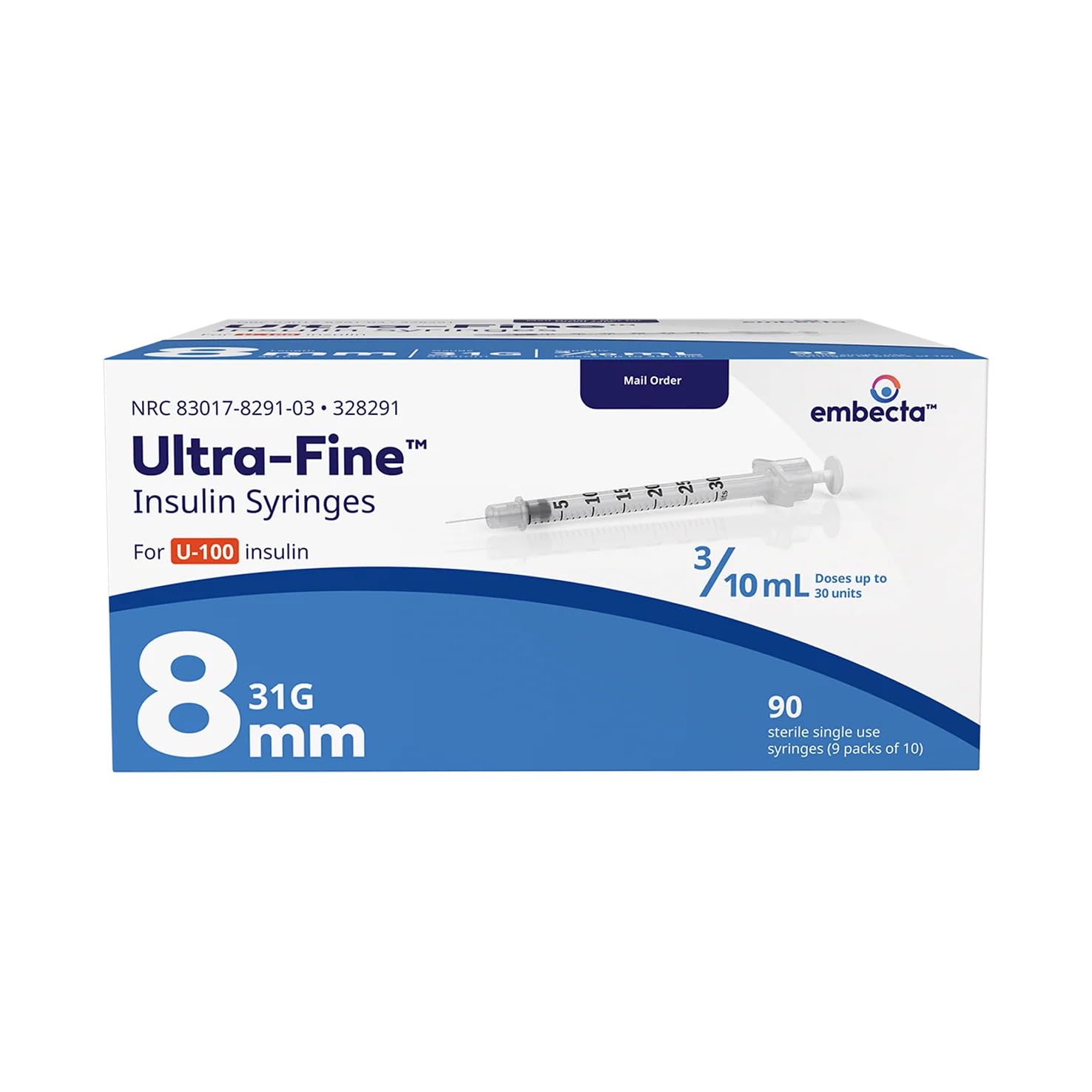
  • Insulin syringes — 1mL (100 unit), 29-31 gauge, for daily injections
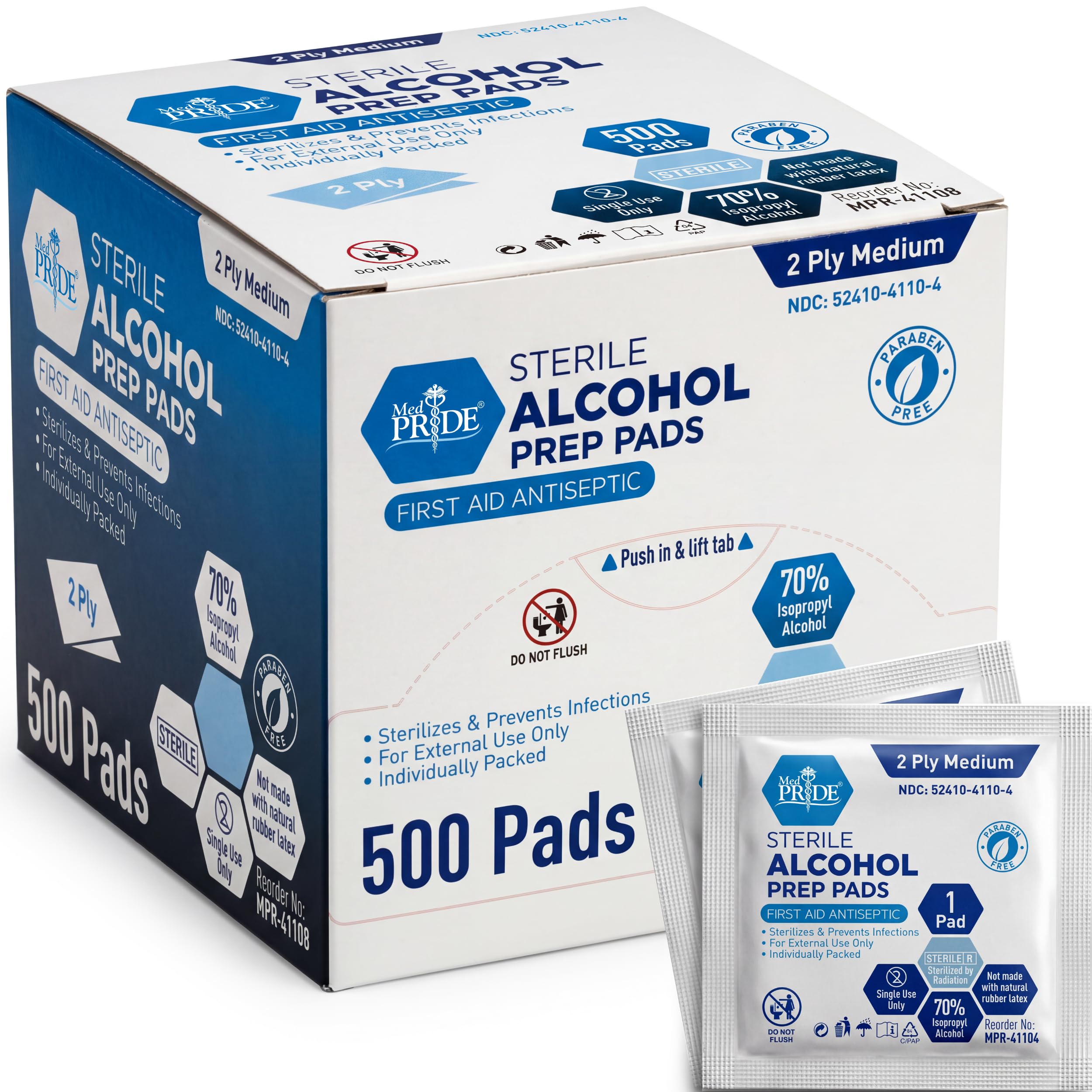
  • Alcohol swabs — clean vial tops before every puncture
  • Sharps container — safe needle disposal
  • Clean, flat workspace

Why BAC water? It contains 0.9% benzyl alcohol that prevents bacterial growth. Sterile water has no preservative — use within 24 hours. BAC water gives you up to 28 days refrigerated, which matters when one Glow vial provides 20+ injections.
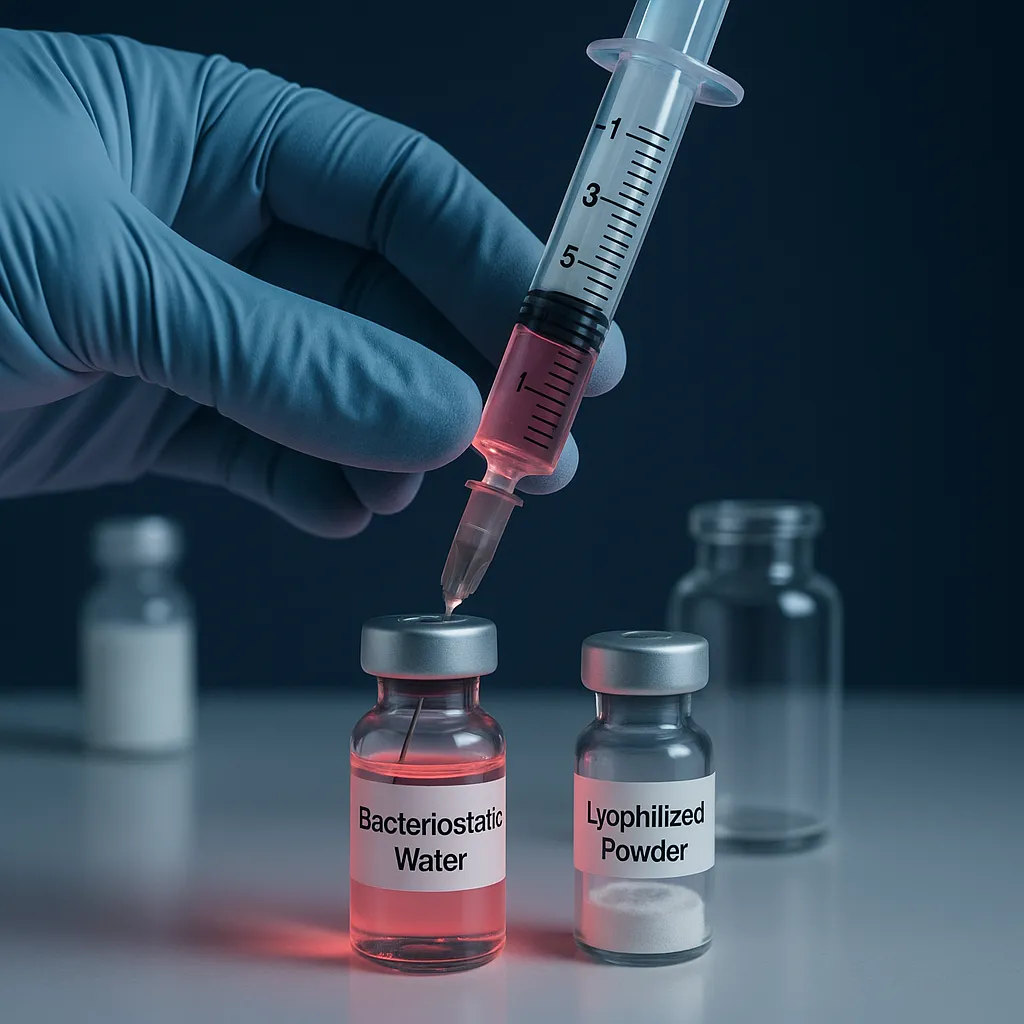
Peptide vial reconstitution setup

Step-by-Step Reconstitution

Step 1: Clean Both Vial Tops

Documented protocols describe wiping both vial stoppers (the Glow vial and BAC water vial) with separate alcohol swabs and allowing 10 seconds to air dry.

30ml bacteriostatic water vial — 0.9% benzyl alcohol multi-dose
Bac Water Made for Peptides
Don't risk a $300 peptide on generic bac water.
Most cloudy reconstitutions trace back to one thing — and it isn't the peptide. Sterile, non-pyrogenic, 0.9% benzyl alcohol — formulated for peptide reconstitution, not repackaged from generic stock.
0.9% benzyl alcohol Made for peptides 30 mL multi-dose
See why our bac water doesn't ruin peptides
30ml from $18.75 · Ships fast · Code thepeptidecatalog

Step 2: Draw 2mL Bacteriostatic Water

Standard community protocols draw 2mL of BAC water using a 3mL syringe — a dilution that produces clean, round numbers for every common dose.

Step 3: Add Water to the Vial — Slowly

The needle is inserted at an angle, tip directed at the glass wall rather than the powder cake, so water trickles down the inside wall slowly.

Water is not squirted directly onto the powder. All three peptides are fragile chains. Aggressive force can shear molecular bonds and reduce potency.

Step 4: Swirl Gently — Never Shake

After removing the syringe, community guides describe gently rotating the vial between fingers in a slow swirling motion. The powder should dissolve within 2-5 minutes into a clear solution. GHK-Cu may give a very slight blue-green tint — this is normal (copper complex).

Community sources describe swirling rather than shaking. Shaking creates foam at the air-liquid interface, which can denature peptide molecules.

If particles remain after 5 minutes, protocols describe refrigerating for 15-20 minutes and swirling again.

Step 5: Label and Refrigerate

Community protocols label the vial with date and concentration (35mg/mL) and refrigerate immediately at 36-46F (2-8C), with use within 28 days.

Dilution Chart

Why 2mL? At 35mg/mL total concentration, 10 units delivers exactly 3.5mg of total blend — clean, manageable math.

Syringe Math for All 3 Peptides

Concentration = Total Peptide (mg) / Water Added (mL)

70mg / 2mL = 35mg/mL

Units to inject = Desired Dose (mg) / Concentration (mg/mL) x 100

3.5mg / 35mg/mL x 100 = 10 units

Per-Peptide Breakdown by Dose

Dose Units GHK-Cu BPC-157 TB-500
1.75mg 5 units 1.25mg 250mcg 250mcg
3.5mg 10 units 2.50mg 500mcg 500mcg
5.25mg 15 units 3.75mg 750mcg 750mcg

The standard 10-unit dose (3.5mg total) delivers each peptide within its established standalone dosing range:

Peptide Standard Solo Dose Glow @ 10 Units
GHK-Cu 1-2mg/injection 2.50mg
BPC-157 250-500mcg/injection 500mcg
TB-500 250-750mcg/injection 500mcg

Vial Duration

At 10 units/injection, 5x/week (loading phase):

  • 50 units per week
  • 200 units per vial (2mL = 200 units on U-100 syringe)
  • One vial lasts 4 weeks

At 10 units/injection, 3x/week (maintenance):

  • 30 units per week
  • One vial lasts ~6.5 weeks

Top Glow Blend Vendors

Ranked by price, COA availability, and reputation

Affiliate disclosure: vendor links in this article are affiliate links — The Peptide Catalog may earn a commission if you buy through them, at no additional cost to you.

Running low?

Your next vial: Glow Blend at Ascension Peptides

50% off through our link$125 $63 ($0.45/mg effective)

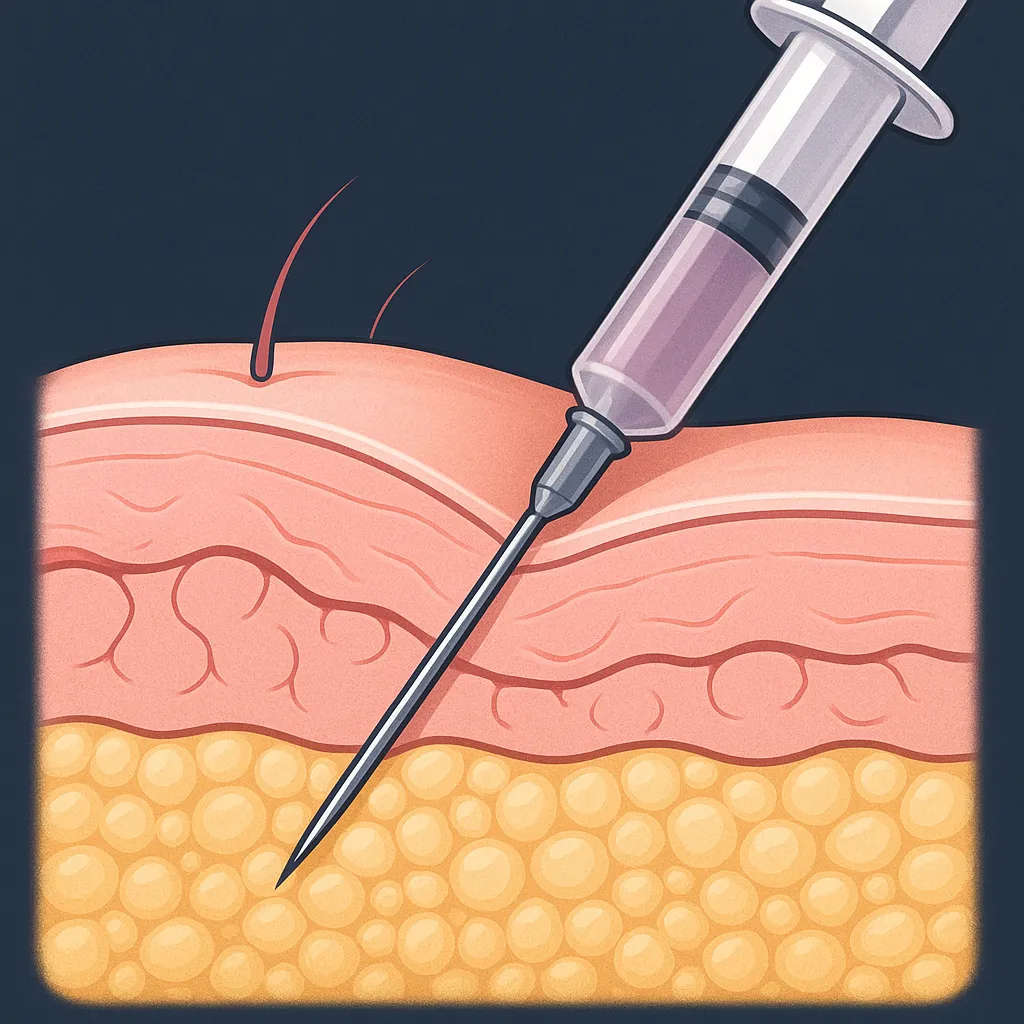
Subcutaneous injection technique

Storage Rules

State Temperature Shelf Life
Lyophilized (powder) Room temperature 6-12 months
Lyophilized (powder) Refrigerated (2-8C) 2+ years
Lyophilized (powder) Frozen (-20C) 3+ years
Reconstituted (BAC water) Refrigerated (2-8C) Up to 28 days
Reconstituted (sterile water) Refrigerated Use within 24 hours

Documented storage practice:

  • Refrigerate immediately after reconstitution
  • Avoid freezing reconstituted solution — ice crystals shear peptide bonds
  • Store upright — keeps stopper from prolonged contact with solution
  • Keep away from light — sunlight accelerates degradation
  • Fresh syringe every draw — each puncture introduces contamination risk

Pro tip: Community sources commonly describe keeping extra vials frozen as powder for multi-vial cycles and reconstituting only when the current vial is exhausted.

Common Mistakes

Spraying BAC Water Directly onto the Powder

High-pressure water hitting the lyophilized cake denatures peptide chains. Always aim at the glass wall and let water roll down to the powder.

Shaking the Vial

Peptides are proteins. Shaking creates foam that denatures molecules at the air-liquid boundary. If your solution is foamy, you've damaged some peptide. Always swirl gently.

Using Sterile Water Instead of BAC Water

Sterile water works but has no preservative. You'd need to use the entire vial within 24 hours — impossible with 20+ doses. BAC water's benzyl alcohol prevents bacterial growth for up to 28 days.

Storing at Room Temperature

Reconstituted peptides degrade rapidly above refrigerator temperature. Community resources describe pulling the vial out, drawing the dose, and returning it immediately.

Confusing Glow with Klow Vials

If you have both in your fridge, label clearly. Glow is 70mg (3 peptides), Klow is 80mg (4 peptides). The concentrations differ — drawing the wrong amount from the wrong vial will give incorrect dosing.

Frequently Asked Questions

How much bacteriostatic water do I add to a 70mg Glow blend vial?
Adding 2mL of bacteriostatic water to the 70mg vial gives 35mg/mL concentration. For a documented 3.5mg dose (10 units), each injection delivers 2.5mg GHK-Cu, 500mcg BPC-157, and 500mcg TB-500.
Is reconstituting a 3-peptide blend different from a single peptide?
The process is identical — add BAC water slowly along the glass wall, swirl gently, never shake. Each dose delivers three peptides in fixed ratio without needing separate vials or syringes.
How long does reconstituted Glow blend last?
Stored at 2-8C (refrigerator) with bacteriostatic water, reconstituted Glow is stable for up to 28 days. Never freeze reconstituted peptides and keep the vial upright.
What if my Glow solution has a slight blue-green tint?
Normal. GHK-Cu is a copper complex, and the copper ion can give the solution a very faint blue-green color. This is not degradation — it's expected chemistry.
Can I use a different BAC water volume?
Yes — 1mL gives higher concentration (70mg/mL, 5 units per 3.5mg) and 3mL gives lower (23.3mg/mL, 15 units per 3.5mg). Community protocols most commonly document 2mL for its clean unit math: 10 units delivers exactly 3.5mg, which aligns with documented dose points.

References

  1. USP General Chapter 797: Pharmaceutical Compounding — Sterile Preparations. Storage and beyond-use dating guidelines for reconstituted peptides.
  2. Pickart, L., & Margolina, A. (2018). Regenerative and protective actions of GHK-Cu peptide. International Journal of Molecular Sciences, 19(7), 1987. PMID: 29986520
  3. Seiwerth, S., et al. (2018). BPC 157's effect on healing. Journal of Physiology-Paris, 112(1), 1-10.

This guide is for educational and informational purposes only. It is not medical advice. The Glow blend contains research peptides with no FDA approval. Reconstituting and self-administering peptides carries inherent risks including infection, contamination, and dosing errors. Always use proper sterile technique. Consult a qualified healthcare provider before starting any peptide protocol.