How long does KPV take to work? The answer depends almost entirely on two factors: the target tissue and the route of administration.
Research-context information only. KPV is a research peptide. Protocols, doses, and reactions reported below come from published research and self-reported community sources. This article reports what has been documented, not what should be done. Consult a licensed physician for personal medical decisions.
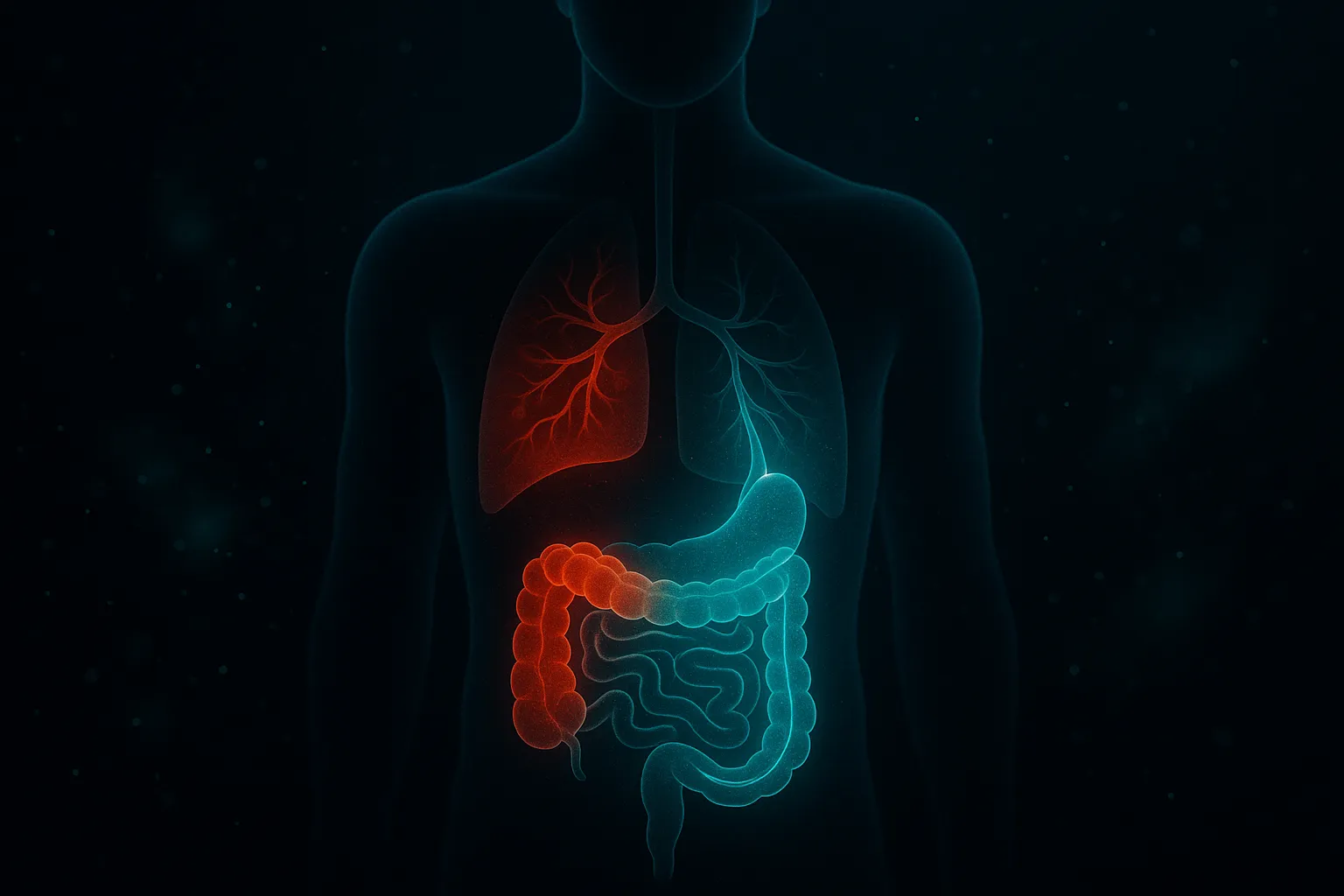
Oral KPV reaches inflamed gut tissue within hours via PepT1 transport — and that tissue actively imports more of it during active inflammation. Subcutaneous KPV distributes systemically, dampening NF-kB signaling across multiple tissue types but without the same self-targeting advantage.
All timelines below draw from preclinical data (animal models and in vitro studies). No human clinical trials have established KPV timelines for any condition. Animal models provide a framework, but they do not directly predict human outcomes. This is not medical advice.
For the full dosing protocol, see the KPV dosing guide. For an evidence-ranked breakdown of each benefit, see KPV benefits.
Table of Contents
What Determines the Timeline
Three variables control how fast results appear with KPV.
1. Route of administration. Oral KPV reaches intestinal epithelial cells directly via PepT1 transport. Subcutaneous KPV enters systemic circulation. For a gut-inflammation target, oral produces faster local effects. For a skin or systemic-inflammation target, subcutaneous is the better route (Dalmasso et al., 2008).
2. Severity of inflammation. Paradoxically, more inflamed tissue may respond faster to oral KPV. PepT1 expression is upregulated during gut inflammation — meaning the sicker the tissue, the more aggressively it imports KPV. This self-targeting mechanism is unique among peptides and likely explains the rapid onset some users report for gut symptoms (Dalmasso et al., 2008).
3. Chronicity. Acute flares tend to respond faster than longstanding chronic inflammation. A gut flare that started weeks ago will likely respond faster than IBD symptoms that have been present for years. KPV modulates the inflammatory cascade — it does not rebuild damaged tissue. For structural repair, BPC-157 is the better choice.
Week 1-2: Initial Response Phase
The first two weeks are about establishing baseline NF-kB suppression and initiating the anti-inflammatory cascade.
Gut inflammation (oral route):
This is where KPV shows the earliest measurable effects. In DSS-induced colitis models, KPV reduced inflammatory markers within the first week of oral administration. PepT1-mediated uptake delivers KPV directly into inflamed colonocytes, where it inhibits NF-kB activation and reduces pro-inflammatory cytokine secretion including TNF-alpha, IL-1beta, and IL-6 (Dalmasso et al., 2008).
What users typically report at this stage:
- Reduced bloating and abdominal discomfort (days 3-7)
- Decreased urgency and frequency with active gut symptoms
- Subtle improvement in stool consistency
- Some users notice nothing yet — this is normal
Systemic inflammation (subcutaneous route):
Systemic effects build more gradually. KPV must distribute through circulation and reach target tissues without the PepT1 concentration advantage. In peritonitis models, KPV reduced polymorphonuclear leukocyte accumulation — but the effect was measured as an aggregate reduction over the treatment period rather than an acute response (Getting et al., 2003).
At this stage, most users taking subcutaneous KPV for systemic purposes report no noticeable changes. This is expected — NF-kB suppression at the tissue level takes time to translate into symptom improvement.
Ready to buy? Compare verified vendors on our best KPV sources page, or browse all coupon codes for up to 50% off.
Weeks 2-4: Active Anti-Inflammatory Phase
This is the window where most users notice their first clear improvement, regardless of route.
Gut inflammation (oral route):
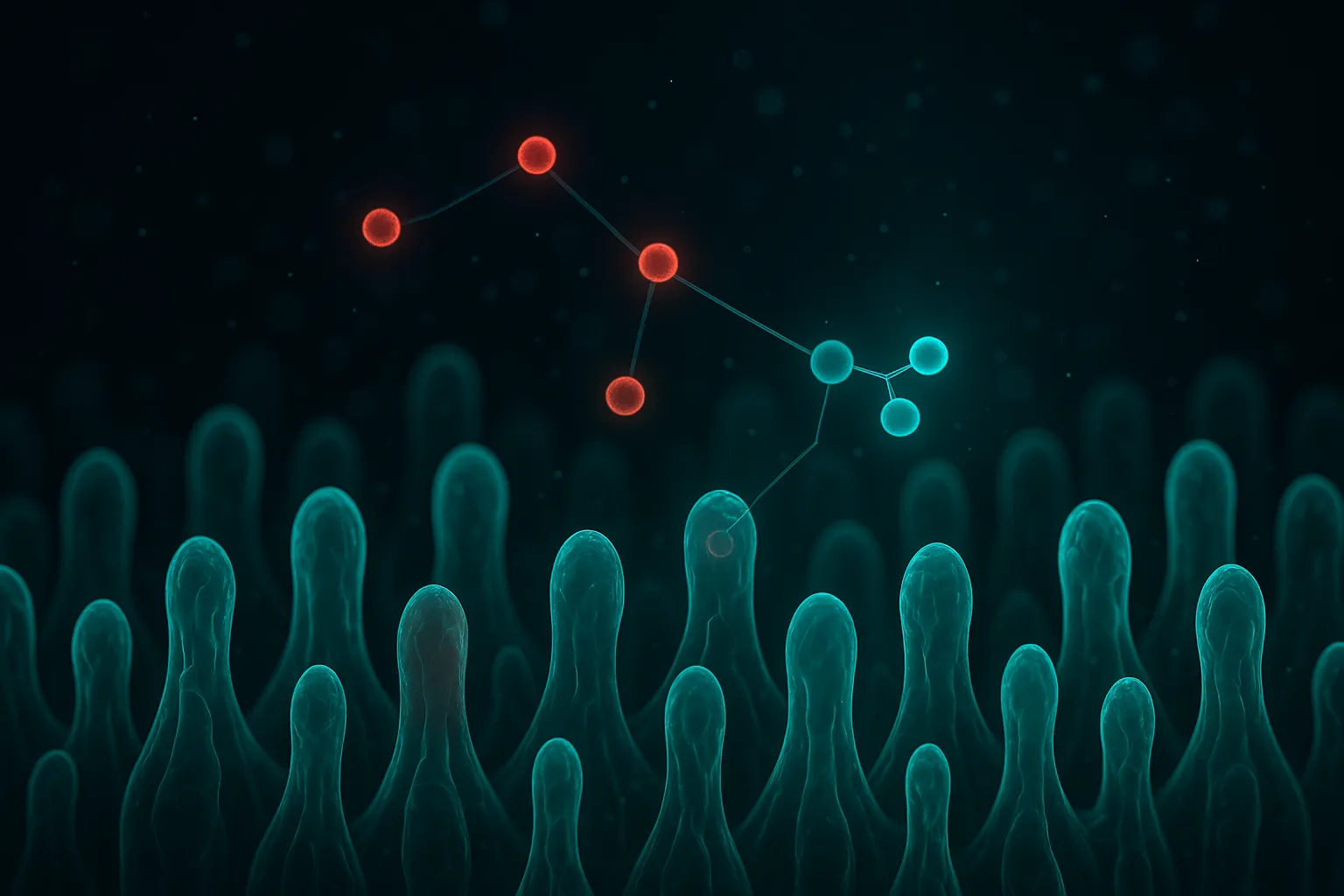
By week 2-3, the cumulative NF-kB suppression starts producing meaningful symptom changes. In the Kannengiesser et al. study, KPV-treated mice showed earlier recovery and significantly stronger weight regain compared to controls during this timeframe, with reduced inflammatory cell infiltration in colonic tissue (Kannengiesser et al., 2008).
What users typically report:
- Noticeable reduction in gut inflammation symptoms
- Improved tolerance to foods that previously triggered reactions
- More consistent digestion patterns
- Reduced frequency of flare episodes
For users stacking KPV with BPC-157, this is often where the complementary mechanisms become apparent — KPV controlling the inflammatory signal while BPC-157 promotes mucosal healing and angiogenesis.
Systemic inflammation (subcutaneous route):
Weeks 2-4 is when subcutaneous users begin noticing effects. KPV's broad NF-kB inhibition starts translating to reduced inflammatory markers across affected tissues. In keratinocytes, KPV signals through rapid calcium mobilization at concentrations as low as femtomolar levels, suggesting potent activity even at low circulating concentrations (Wikberg et al., 2004).
Users targeting skin inflammation or joint-related inflammation may notice:
- Reduced redness or irritation in affected skin areas
- Modest decrease in joint stiffness (if inflammation-driven)
- General reduction in systemic inflammatory symptoms
What if nothing is noticeable by week 4? Community sources first re-evaluate the route. Targeting gut issues with subcutaneous injections is a common mismatch — oral is the gut-directed route. On the correct route, the variables most often cited are empty stomach timing (oral) and consistent 5-on/2-off cycling. Some chronic conditions simply require more time.
Weeks 4-8: Consolidation Phase
This is the core benefit window — where initial improvements deepen and stabilize.
Gut inflammation:
The sustained NF-kB and MAPK suppression over 4-8 weeks allows inflamed tissue to shift from active inflammation toward a more quiescent state. In nanoparticle-enhanced KPV delivery studies, prolonged oral KPV administration showed progressive mucosal healing with significant TNF-alpha downregulation that continued to improve over the treatment period (Xiao et al., 2017).
What users typically report:
- Sustained symptom control with fewer flare-ups
- Expanded food tolerance
- Normalized bowel patterns for many users
- Reduced reliance on other anti-inflammatory interventions
Systemic effects:
The comprehensive review by Brzoska et al. documented that alpha-MSH-derived peptides including KPV show validated anti-inflammatory effects across multiple tissue types: skin (contact dermatitis, vasculitis), airways, GI tract, brain inflammation, and joint inflammation (Brzoska et al., 2008). The breadth of benefit reflects NF-kB's role as a universal inflammatory mediator — sustained suppression affects all inflamed tissues simultaneously.
By week 6-8, subcutaneous users often report:
- Measurable reduction in chronic inflammatory symptoms
- Improved skin clarity (if inflammation-driven skin issues)
- Better overall sense of well-being
- Reduced morning stiffness or inflammatory pain
Months 3+: Post-Cycle Assessment
The standard protocol calls for 8 weeks on, followed by 8 weeks off. The off-cycle is not wasted time — it reveals whether KPV has helped reset the inflammatory baseline or was merely suppressing ongoing inflammation.
What typically happens during the off-cycle:
Many users report that gut improvements persist for weeks to months after stopping KPV. This suggests the peptide helps break the inflammatory feedback loop rather than just masking symptoms. If NF-kB-driven inflammation was self-perpetuating, interrupting it for 8 weeks may be sufficient to allow the system to stabilize at a lower inflammatory set-point.
However, chronic conditions — particularly IBD with structural damage — often require repeat cycles. The pattern for most users:
| Cycle |
What to Expect |
| Cycle 1 (weeks 1-8) |
Establish anti-inflammatory response, identify effective route |
| Off-cycle 1 (weeks 9-16) |
Assess persistence of benefits, identify what returns |
| Cycle 2 (weeks 17-24) |
Deepen and extend benefits, adjust dose if needed |
| Off-cycle 2 (weeks 25-32) |
Longer-lasting benefits typically reported |
Each subsequent cycle tends to produce faster onset and more durable results, likely because the inflammatory cascade has been progressively dampened.
Timeline by Target
Not all KPV applications follow the same schedule.
| Target |
Route |
First Signs |
Notable Improvement |
Full Benefit |
| Gut inflammation (acute flare) |
Oral |
Days 3-7 |
Weeks 1-2 |
Weeks 4-6 |
| Gut inflammation (chronic IBD) |
Oral |
Weeks 1-2 |
Weeks 3-4 |
Weeks 6-8+ |
| Systemic inflammation |
Subcutaneous |
Weeks 2-3 |
Weeks 4-6 |
Weeks 6-8 |
| Skin inflammation |
Subcutaneous |
Weeks 2-4 |
Weeks 4-6 |
Weeks 6-8 |
| General anti-inflammatory wellness |
Oral or SC |
Weeks 2-3 |
Weeks 4-6 |
Weeks 6-8 |
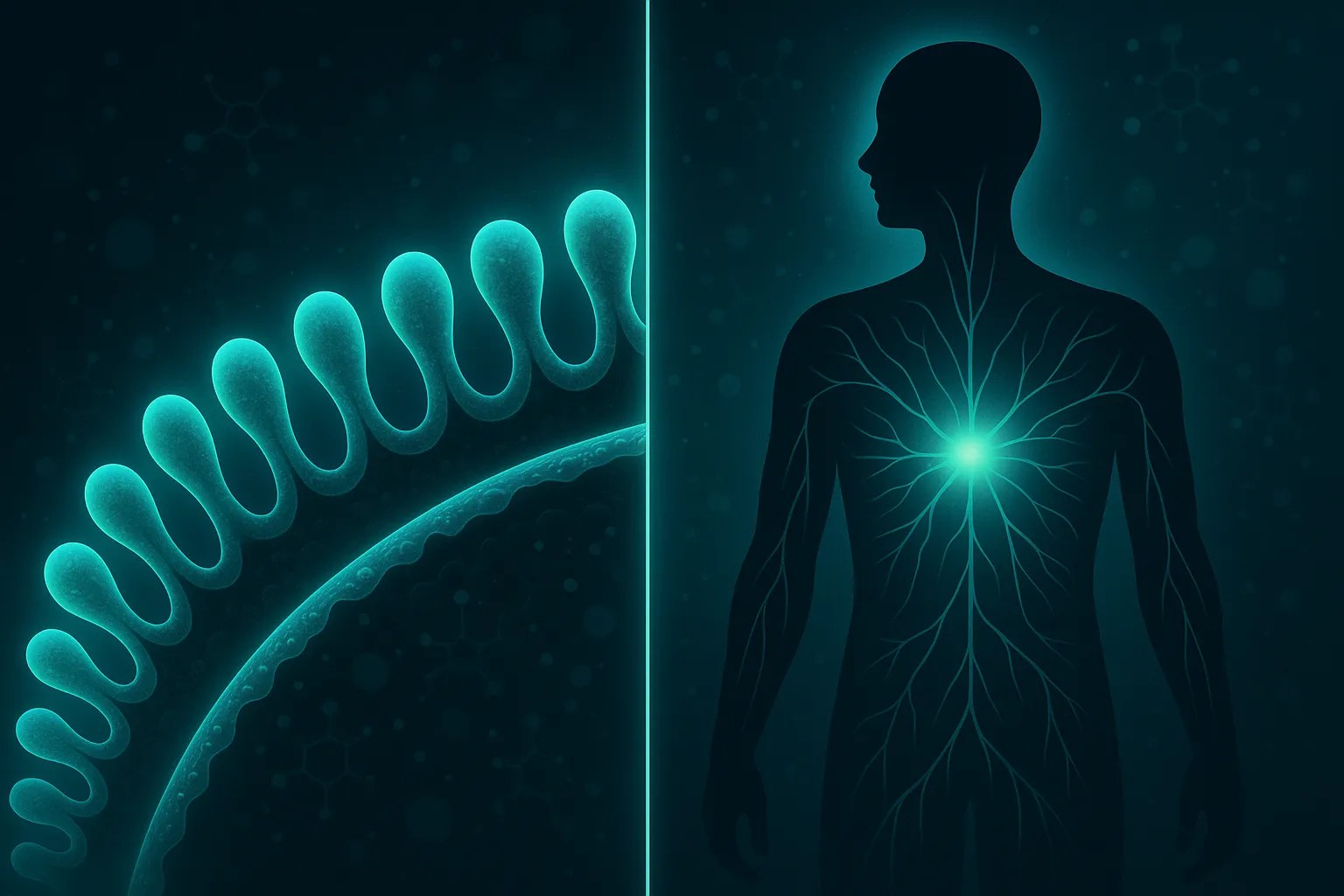
Acute gut flares respond fastest due to PepT1 upregulation in actively inflamed tissue. Chronic conditions take longer because the inflammatory feedback loops are more deeply entrenched.
Nura Reconstitution Solution
Don't risk a $300 peptide on generic bac water.
Most cloudy reconstitutions trace back to one thing — and it isn't the peptide. Sterile, non-pyrogenic, 0.9% benzyl alcohol — formulated for peptide reconstitution, not repackaged from generic stock.
✓ 0.9% benzyl alcohol✓ Made for peptides✓ 30 mL multi-dose
Ships from Nura · 30% off with code thepeptidecatalog
Factors That Affect Results
Dose consistency matters more than dose size. The 5-on/2-off pattern at 500 mcg produces better results than sporadic higher doses. KPV's mechanism requires sustained NF-kB suppression to shift the inflammatory balance.
Empty stomach timing for oral dosing. PepT1 is a competitive transporter — dietary peptides compete for uptake. Taking oral KPV 30 minutes before food on an empty stomach maximizes absorption.
Stacking amplifies results. KPV + BPC-157 is the most popular gut health stack because they address different aspects of the problem. KPV suppresses the inflammatory signal (NF-kB/MAPK), while BPC-157 promotes mucosal repair and angiogenesis. Users running both typically report faster and more complete gut improvement than either alone.
Starting dose. Community protocols commonly describe 200 mcg for the first week to assess tolerance, then increasing to 500 mcg. Some users with severe gut inflammation self-report up to 1 mg orally. Higher doses have not been shown to produce proportionally better results in the preclinical literature.
When to Adjust the Protocol
Signs KPV is working:
- Progressive improvement in target symptoms over weeks 2-6
- Reduced frequency of inflammatory flares
- Improved tolerance to previously problematic triggers
- Symptoms do not immediately return during 2-day weekly breaks
Signs an adjustment may be warranted:
- No change after 4 weeks on correct route — community sources sometimes add BPC-157 for tissue repair or LL-37 for antimicrobial support
- Rapid symptom return on 2-day breaks — may indicate KPV is suppressing but not resolving the underlying driver
- Gut symptoms persist on oral route — rule out infectious or structural causes that anti-inflammatory peptides cannot address
- Side effects (rare: mild nausea, headache) — community sources describe reducing the dose to 200 mcg and reassessing