TB-500 — thymosin β4 (TB-4), an actin-binding peptide active in tissue migration and wound healing — has the second-largest healing-peptide animal dataset after BPC-157, plus small Phase 2 human trials in dermal ulcers, corneal injury, and cardiac repair (Goldstein et al., PMID 22074294; Treadwell et al., PMID 23050815). The reported adverse-event profile is favorable; serious events are rare across the available dataset.
Research-context information only.TB-500 (thymosin β4) is a research peptide. Protocols, doses, and reactions reported below come from published research and self-reported community sources. This article reports what has been documented, not what should be done. Consult a licensed physician for personal medical decisions.
This article walks through the Phase 2 trial findings, the theoretical cancer-concern context, and the self-reported community adverse-event picture for subcutaneous research-peptide use.
Phase 2 Trial Findings
From the available Phase 2 dermal ulcer and corneal injury trials (reviewed by Goldstein et al., PMID 22074294 and Treadwell et al., PMID 23050815):
The trial cohorts were small (typically <50 active-arm participants per study). The dermal ulcer Phase 2 trials reported acceleration of healing without dose-limiting toxicity.
Long-term observational data outside trial settings is community-source-dominated.
TB-4's pro-angiogenic and pro-migratory mechanism — the same property that enables wound healing — has prompted theoretical concern in users with active malignancy or strong personal cancer history. The published evidence:
Animal tumor models have produced mixed findings. Some preclinical work describes TB-4 facilitating tumor progression or metastasis in specific cancer types; others describe protective or neutral effects.
Human data does not exist on cancer-rate signals in TB-4-treated populations.
Mechanistic plausibility for either direction is supported by different lines of preclinical work.
The honest summary: this is a theoretical concern based on mechanism, supported by specific preclinical signals. Users with active malignancy are described in community sources as avoiding TB-500; this is a precautionary pattern, not a clinical guideline.
Self-Reported Community Adverse Events
Note on labeling: the events below come from r/peptides, r/PeptideTherapy, and community forums for subcutaneous research-peptide TB-500 use.
Injection-site reactions
The most consistent community feedback. Mild redness, itching, or a small welt at the subcutaneous injection site, typically lasting under 24 hours. Self-reported community sources describe rotating sites (abdomen, near the injury site for community-described "site-directed" use) and warming the vial to room temperature as factors that reduce reaction frequency.
First-week fatigue
The most consistent community feedback for the first 1-2 weeks of subcutaneous use is brief fatigue or "muted" energy. The pattern resolves by week 2 in nearly all reports.
Brief lightheadedness in first 1-3 doses
Less consistently reported. Community sources describe transient lightheadedness in some users during the first few subcutaneous injections, fading by the fourth dose.
Brief flushing post-injection
Sparse community reports describe mild flushing in the 30 minutes after higher-dose injection.
Mild GI changes — uncommon, transient appetite shifts.
Localized warmth at the injection site — described as transient and not associated with persistent reactions.
Dose-Response Patterns
Animal models tested TB-4 across a wide dose range without reaching toxicity ceilings. Phase 2 dermal ulcer trials used subcutaneous doses in the milligram range. Community-reported research-peptide doses cluster around 2-5 mg per injection, 2x weekly for 4-6 weeks (loading), then 2-5 mg weekly (maintenance).
Self-reported community sources describe injection-site reactions rising with consecutive same-site injections; other events appear independent of per-dose magnitude.
Bac Water Made for Peptides50% off
Don't risk a $300 peptide on generic bac water.
Most cloudy reconstitutions trace back to one thing — and it isn't the peptide. Sterile, non-pyrogenic, 0.9% benzyl alcohol — formulated for peptide reconstitution, not repackaged from generic stock.
✓ 0.9% benzyl alcohol✓ Made for peptides✓ 30 mL multi-dose
Phase 2 protocols allowed dose-interruption for protocol-defined events; few interruptions were required. Community sources describe two patterns. Pause-and-resume — short 3-5 day breaks when site reactions persist. Maintenance transition — community sources commonly describe transitioning to lower weekly doses after the initial 4-6 week loading phase.
Permanent discontinuation is uncommon. The most-cited triggers: completion of a cycle, persistent injection-site reactions, or new malignancy diagnosis.
Core Supplies for This Protocol
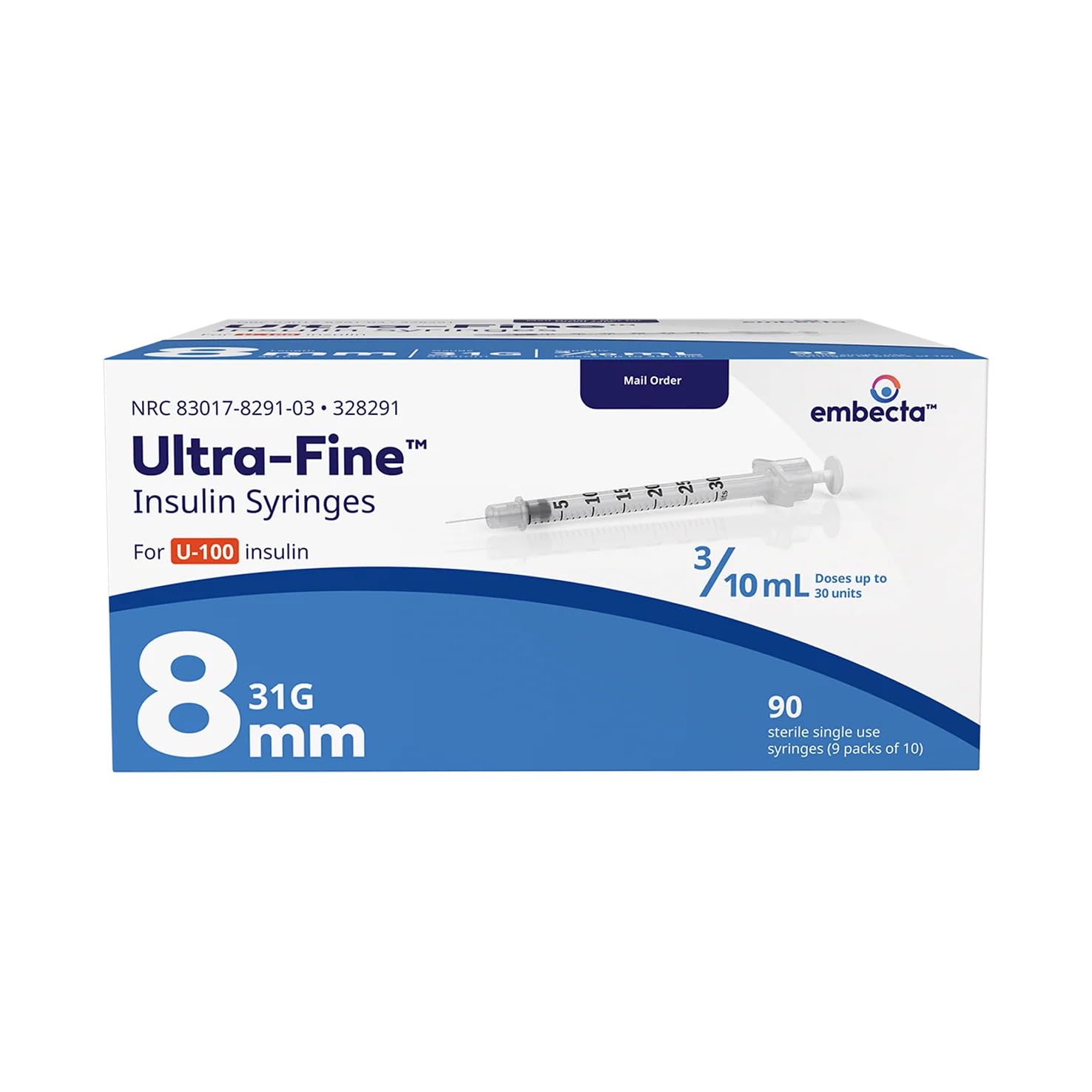
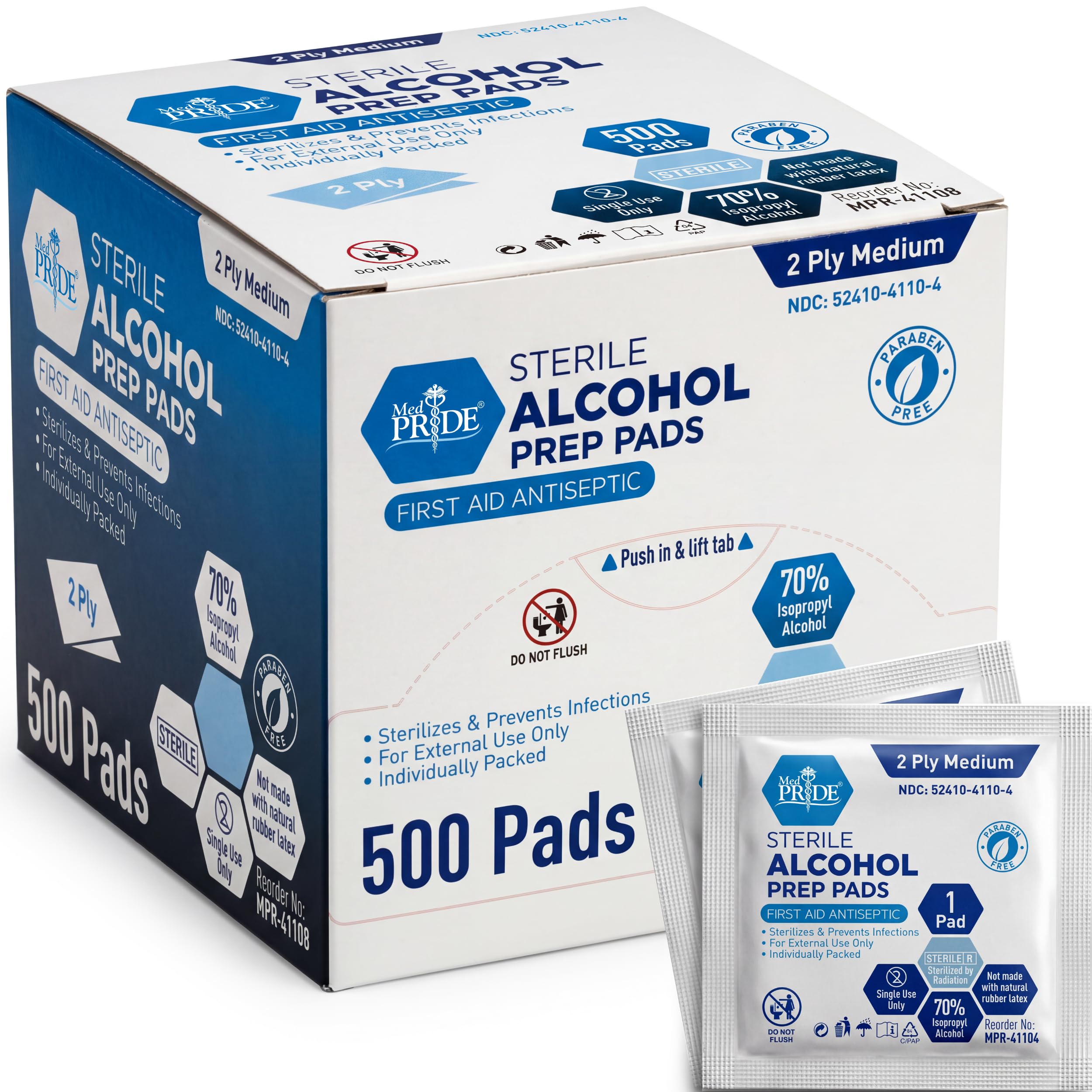
The essentials for running any reconstituted injectable: cold storage, accurate syringes, alcohol prep pads, and metabolic tracking.
Phase 2 dermal ulcer trials of thymosin β4 reported injection-site reactions and mild systemic events at low frequency (Goldstein et al., PMID 22074294 review; Treadwell et al., PMID 23050815). No serious adverse events were reported at the studied subcutaneous doses.
How safe is community subcutaneous use of TB-500?
Self-reported community data describes a profile dominated by mild injection-site reactions and occasional first-week fatigue. The pattern resembles the trial picture but reflects different exposure (community-typical doses, repeated cycles, no formal monitoring).
Can TB-500 accelerate tumor growth?
TB-4's pro-angiogenic activity has prompted theoretical concern in users with active malignancy. Animal tumor models have produced mixed findings — some describe acceleration in specific cancer types, others describe no effect or protection. No human clinical data exists to confirm or refute a clinical signal. Community sources commonly describe avoidance in users with active cancer; this is a precautionary pattern.
How does TB-500's safety compare to BPC-157's?
Both have animal-model datasets reporting no toxicity ceiling reached and small human trials with clean safety. BPC-157's small IBD trials used oral administration; TB-4's Phase 2 trials used subcutaneous. The two peptides are commonly stacked. See [BPC-157 vs TB-500](/articles/bpc-157-vs-tb-500).
When do community sources describe stopping TB-500?
Community reports describe pausing when injection-site reactions persist beyond two weeks, when atypical symptoms develop, or after completing a typical 4-6 week loading cycle followed by maintenance.
For educational and research purposes only. This is not medical advice. TB-500 is not FDA-approved for any indication. Consult a healthcare provider before use.