Cartalax
Cartalax is a synthetic Khavinson tripeptide (Ala-Glu-Asp) studied in preclinical cell models of cartilage and connective tissue. Human data is minimal. Below: today's vial sizes, prices through our link and the vendor's COA details.
Size
$3.36/mg · In stock
Price
$67.15
List
$79.00
Price shown uses code thepeptidecatalog at Ion Peptide's checkout (15% off list).
Sold by Ion Peptide. The Peptide Catalog does not sell peptides; we earn a commission if you buy through this link, at no extra cost to you. For laboratory research use only, not for human or veterinary use. Not FDA-approved. Nothing on this page is medical or dosing advice.
- Vendor-stated testing: Third-party tested · HPLC + MS · COA per product
- Listed on our cartalax vendor comparison, ordered by our vendor rankings
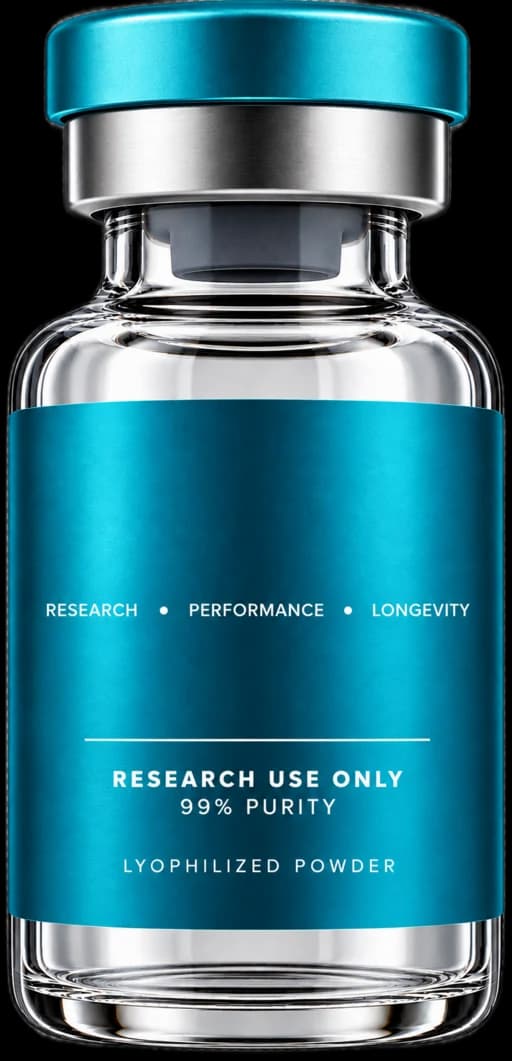
- Lyophilized powder · laboratory research use only
Research-context information only. Cartalax is a research peptide. Protocols, doses, and reactions reported below come from published research and self-reported community sources. This article reports what has been documented, not what should be done. Consult a licensed physician for personal medical decisions.
Vial sizes listed by the vendor
Cartalax Vial Sizes & Prices
| Size | List | With our code | Per mg | Availability |
|---|---|---|---|---|
| 20 mg | $79.00 | $67.15 | $3.36 | In stock |
Prices checked today, 5:20 AM CT on Ion Peptide's site, with code thepeptidecatalog applied. Vendor-stated testing: Third-party tested · HPLC + MS · COA per product. The lot certificate is on Ion Peptide's product page. Sizes not re-checked in the last 7 days are hidden. The vendor's checkout is final.
Test results
Cartalax Certificate of Analysis
View the Cartalax certificate on Ion Peptide's product page.
How to check one: how to verify a peptide COA.
Cartalax Dosing in Clinical Research
Cartilage / Connective Tissue (preclinical)
Educational reference only. Individual responses vary. Consult healthcare provider before use.
Why This Dosing Protocol
Why short courses? The bioregulator theory holds that brief peptide exposure triggers gene-expression changes that persist after dosing stops — which is convention from the class literature, not a tested Cartalax protocol.
Same research area
Related healing & recovery peptides
 BPC-157Synthetic 15-amino-acid peptide derived from a gastric protein, studied in tissue-repair research.
- TB-500Synthetic fragment of thymosin beta-4 studied in tissue-repair research.TB-500
 Thymosin Beta-443-amino-acid actin-binding peptide studied in tissue-repair research.
 GHK-CuCopper peptide (glycyl-histidyl-lysine) studied in skin and wound research.
- LL-37Human cathelicidin antimicrobial peptide studied in immune research.LL-37
- ARA-290EPO-derived peptide (cibinetide) studied in tissue-protection research.ARA-290
- PDA (Pentadeca Arginate)Pentadeca arginate, a BPC-157-derived peptide studied in tissue-repair research.PDA (Pentadeca Arginate)
- AHK-CuCopper-binding tripeptide (AHK-Cu) studied in skin and hair-follicle research.AHK-Cu
How Cartalax Works
Khavinson Peptide Bioregulator — AED Tripeptide (Preclinical)
Target → Signal → Effect → Outcomes
Gene-Regulatory Regions in Connective-Tissue Cells
Cartalax is the synthetic tripeptide Ala-Glu-Asp (AED), part of the Khavinson family of short "peptide bioregulators." The proposed mechanism is epigenetic: short peptides are theorized to interact with gene-regulatory regions and modulate tissue-specific gene expression. This model is drawn from the broader bioregulator literature, much of it from a single Russian research program.
Shifts in Repair-Related Gene Expression (In Vitro)
In cell culture, the AED peptide raised IGF1 gene expression several-fold in aging human mesenchymal stem cells. A 2023 review grouped AED among short peptides studied for chondrogenic (cartilage-forming) stem-cell regulation. These are gene-expression changes measured in a dish — not effects demonstrated in tissue, animals, or people.
Theorized Cartilage / Connective-Tissue Support
The marketed effect — cartilage and joint support — is an extrapolation from the peptide's cartilage-tissue origin and its in vitro gene effects. There is no human clinical trial showing Cartalax improves joint symptoms or rebuilds cartilage, so the systemic effect is hypothesis, not demonstrated outcome.
Unestablished in Humans
Because there is no human efficacy data, there is no documented "felt" effect. Community reports are mixed anecdote. "No noticeable change" is fully consistent with what is currently known about Cartalax.
What Makes This Peptide Different
Cartalax belongs to the Khavinson short-peptide bioregulator class, theorized to act as tissue-specific epigenetic signals rather than receptor agonists. What distinguishes Cartalax is not strength of evidence — it is the opposite: it is marketed for joints largely on the basis of cell-culture gene-expression work and its cartilage-derived sequence, with no human clinical trials behind it.
Technical specifications
Cartalax chemical & analytical data
- Form
- Lyophilized (freeze-dried) powder in a sealed vial
- Presentation
- 20 mg
- Regulatory status
- Research peptide; research-grade vials are not FDA-approved.
Cartalax Reconstitution Calculator
Dilution math and unit conversions. Prefilled using a common vial size for this peptide.
Open calculatorStorage & Handling
Storage at a glance
Proper storage temperatures, shelf life, reconstitution best practices, and travel tips for lyophilized and reconstituted peptides.
Handling specifics
Educational overview on storage, labeling, and traceability considerations for lab environments. Consult primary literature and vendor documentation for specifics.
- Freezer (-20°C): 1+ year
- Refrigerator (2-8°C): 1-3 months
- Room temperature: 2-3 weeks (emergency only)
- MUST refrigerate at 2-8°C
- 4-week maximum shelf life
- NEVER freeze after reconstitution
- Use bacteriostatic water for multi-dose
7 answers
Cartalax FAQ: Buying, COA, Storage & Research
What is Cartalax?
How strong is the evidence behind Cartalax?
What dose of Cartalax do people use?
Does Cartalax actually repair cartilage in humans?
How long does reconstituted peptide last?
Is this peptide legal to purchase?
New to peptides?
Cartalax Research Articles
Cartalax Dosage: Community Protocols Explained
There is no trial-established Cartalax dose. Community sources cluster around low-dose subcutaneous courses. The reconstitution math, explained.
resultsCartalax Results: What to Realistically Expect
There is no human timeline data for Cartalax. What community sources report week by week, why it's mostly theoretical, and how to read it honestly.
guidesCartalax Reconstitution: 20mg Vial Mixing Chart
A 20mg Cartalax vial plus 2mL bacteriostatic water gives 10mg/mL. Because community doses are tiny, dilution choice matters. Charts, storage, and steps.
guidesBuy Cartalax: Compare 3 Vendors, From $58
Compare 3 Cartalax vendors side by side: from $58 a vial, best value $3.10/mg. Codes save up to 15%. Vial sizes, COA status, real cost per week.
Compare Cartalax Vendors Before You Buy
Disclosure: we may earn affiliate commission from qualifying purchases. Educational information only — not medical advice.