GHK-Cu

copper peptidecopper tripeptide-1Lyophilized powder

GHK-Cu is the copper complex of a three-amino-acid peptide (glycyl-histidyl-lysine) that occurs naturally in human plasma and was first isolated by Loren Pickart. It is best known as a topical cosmetic ingredient; the lyophilized vials listed here are sold for laboratory research and have no FDA-approved form. Below: today's vial sizes, prices through our link and the vendor's COA details.

Size

$0.39/mg · lot GHK100-062026-1 · 99.73% · In stock

Price

$38.50

List

$55.00

Buy 100 mg at Nura Peptide

Price shown uses code thepeptidecatalog at Nura Peptide's checkout (30% off list).

Sold by Nura Peptide as GHK-Cu 100mg. The Peptide Catalog does not sell peptides; we earn a commission if you buy through this link, at no extra cost to you. For laboratory research use only, not for human or veterinary use. Not FDA-approved. Nothing on this page is medical or dosing advice.

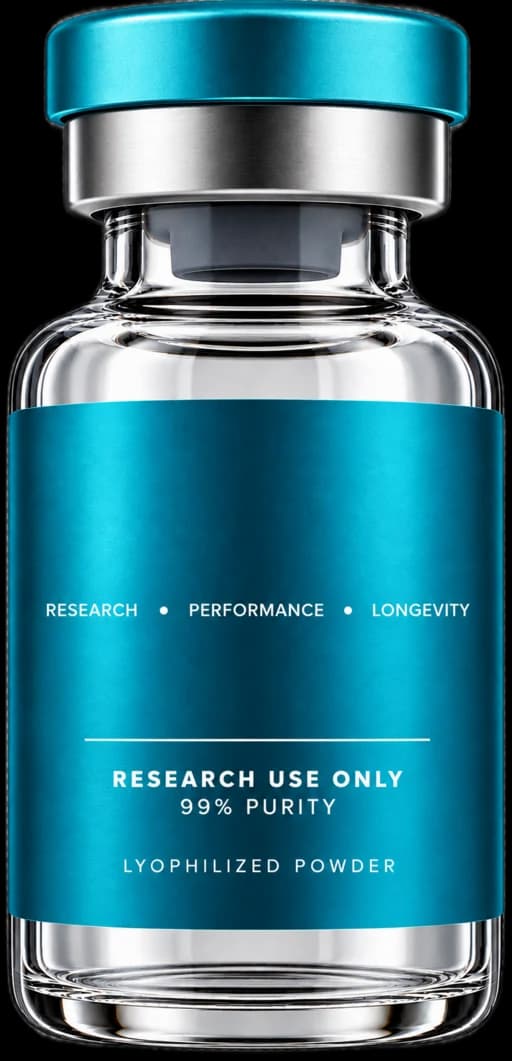
GHK-Cu research vial sold by Nura Peptide as GHK-Cu 100mg
Third-party tested≥99.73% reported purityResearch use only
Certificate of AnalysisLot GHK100-062026-1 · 99.73%View
  • Certificate of Analysis published for every lot (Freedom Diagnostics Testing)
  • Current lots report 99.73% purity or higher
  • Ships from a U.S. fulfillment center, per Nura Peptide
  • Lyophilized powder · laboratory research use only
Research-context information only. GHK-Cu is a research peptide. Protocols, doses, and reactions reported below come from published research and self-reported community sources. This article reports what has been documented, not what should be done. Consult a licensed physician for personal medical decisions.

Vial sizes listed by the vendor

GHK-Cu Vial Sizes, Prices & Lots

GHK-Cu vial sizes, prices and lots at Nura Peptide
SizeListWith our codePer mgAvailabilityLot · purity
100 mg$55.00$38.50$0.39In stockGHK100-062026-1 · 99.73%

Prices checked today, 6:20 AM CT on Nura Peptide's site, with code thepeptidecatalog applied. Lot data from Nura Peptide's COA page, checked today, 8:34 PM CT. Sizes not re-checked in the last 7 days are hidden. The vendor's checkout is final.

Verified test results

GHK-Cu Certificate of Analysis

Nura Peptide publishes a third-party certificate for each lot of GHK-Cu 100mg. The figures below are copied from Nura Peptide's current-lot listings, checked today, 8:34 PM CT (refreshed hourly; hidden if older than 24 hours). Match the lot number on the vial to its certificate.

All lots on record: Nura Peptide COA library. How to check one: how to verify a peptide COA.

GHK-Cu Dosing in Clinical Research

Healing / Skin / Hair

Educational reference only. Individual responses vary. Consult healthcare provider before use.

Vial Size
50 mg
Reconstitution
3 ml BAC water
Dose
1.7 mg (10 units on 1ml syringe)
Timing
AM
Frequency
Every day
Duration
8 weeks on, 8 weeks off
Protocol Notes
Copper peptide. Also available as topical for skin/hair. Injectable provides systemic regenerative effects.

Why This Dosing Protocol

Why daily?GHK-Cu's gene-modulatory effects require consistent presence to maintain the regenerative gene expression profile.

Topical vs Injectable: Topical is preferred for skin and hair targets. Injectable provides broader systemic regenerative effects. Both are effective for their respective applications.
Popular Stack Protocols1 stack

Commonly paired protocols from the peptide research community. Educational reference only.

BPC-157 + GHK-Cu

Healing / Skin / Tissue Repair
Dose
500 mcg
Vial Size
10 mg
Reconstitution
2 ml BAC water
Dose
1–2 mg
Vial Size
50 mg
Reconstitution
3 ml BAC water
Timing
AM
Frequency
Daily
Duration
8 weeks on, 8 weeks off
BPC-157 handles deep tissue repair (tendons, gut, vasculature) while GHK-Cu excels at skin remodeling, collagen synthesis, and wound healing. GHK-Cu also activates genes involved in tissue remodeling that BPC-157 doesn't directly target. Complementary for post-surgical or injury recovery with a skin/cosmetic component.

How GHK-Cu Works

Copper Peptide — Regenerative / Wound Healing

Target → Repair Signal → Tissue Healing → Outcomes

1
Target

Multiple: Copper-Dependent Enzymes + Gene Expression

GHK-Cu is a naturally occurring copper-binding peptide. The tripeptide (Gly-His-Lys) delivers copper to tissues, activating copper-dependent enzymes involved in collagen synthesis, antioxidant defense, and wound healing. It also modulates expression of over 4,000 genes.

2
Cellular Signal

Gene Expression Modulation → Tissue Regeneration

GHK-Cu resets gene expression patterns toward a younger, more regenerative profile. It upregulates collagen, decorin, and other extracellular matrix components while downregulating inflammatory and tissue-destructive genes. The copper delivery activates superoxide dismutase and other protective enzymes.

3
Systemic Effect

Skin Regeneration + Hair Growth + Tissue Repair

Enhanced collagen production improves skin elasticity and wound healing. Follicle stimulation supports hair growth. Systemic anti-inflammatory and antioxidant effects. Available both as injectable (systemic) and topical (localized skin/hair).

4
What You Notice

Skin Quality → Hair Improvement → Healing

Improved skin texture and elasticity (weeks to months). Hair thickening and growth support. Faster wound healing. Injectable provides systemic effects while topical targets skin and hair specifically. Often combined with microneedling for enhanced penetration.

What Makes This Peptide Different

GHK-Cu is unique as a copper-delivery peptide that modulates thousands of genes. Unlike targeted peptides that affect one pathway, GHK-Cu resets broad gene expression patterns toward regeneration. Available both as injectable (systemic) and topical (skin/hair). Naturally present in blood plasma but declines with age.

GHK-Cu Clinical Evidence

Two parallel grades per outcome — clinical RCT depth and real-world community adoption. See the Research Overview below for citations and detail.

OutcomeClinical EvidenceCommunity Evidence
Skin appearance and wrinklesModerateStrong
Wound healingModerateModerate
Hair growthWeakModerate
Anti-inflammatory / antioxidantPreliminaryModerate

GHK-Cu Research Overview

Outcome-by-outcome look at what the evidence actually supports for GHK-Cu, including human vs. animal study counts and our editorial take on each.

Skin appearance and wrinkles

Clinical:ModerateCommunity:Strong

Several small clinical trials of topical GHK-Cu creams show measurable improvements in fine lines, density, and skin elasticity over 12 weeks.

4 human studies · 6 animal studies

Key findings & citations
  • 12-week trials report 30–40% reduction in fine line depth via optical profilometry.
  • Increases procollagen synthesis in cultured human fibroblasts.
  • Effects are most consistent in photoaged skin, less clear in younger skin.

Our take

Real but modest. Topical GHK-Cu earns a slot in an evidence-based skincare stack — it won't replace tretinoin.

Wound healing

Clinical:ModerateCommunity:Moderate

Small clinical studies in diabetic ulcers and surgical wounds show faster closure and improved tissue quality with topical GHK-Cu vs. control dressings.

2 human studies · 5 animal studies

Key findings & citations
  • Diabetic foot ulcer closure rate improved by approximately 50% vs. control in small trials.
  • Increases TGF-β1 and VEGF expression in granulation tissue.

Our take

Useful adjunct in chronic wound care. Not a replacement for standard offloading and infection control.

Hair growth

Clinical:WeakCommunity:Moderate

Ex vivo human hair follicle and dermal papilla cell work shows copper-tripeptide stimulation of hair-follicle growth signals. No published peer-reviewed RCT of GHK-Cu monotherapy for androgenetic alopecia.

0 human studies · 3 animal studies

Key findings & citations
  • Pyo 2007 showed copper tripeptide (AHK-Cu, a GHK-Cu analog) elongated human hair follicles ex vivo and stimulated dermal papilla cell proliferation in vitro.
  • Mechanism is plausible (VEGF and growth-factor upregulation) but unproven for clinical hair count.
  • Combination products (with minoxidil or other actives) make causal attribution to GHK-Cu specifically very hard.

Our take

Reasonable add-on. Don't drop minoxidil/finasteride for it — the evidence gap is too wide.

What GHK-Cu doesn't do

Claims that current evidence does not support. Worth knowing before you set expectations.

Technical specifications

GHK-Cu chemical & analytical data

Also known as
copper peptide, copper tripeptide-1
Sold by Nura Peptide as
GHK-Cu 100mg
Receptor targets
Copper-peptide complex (gene expression, fibroblast activation)
Backbone length
3 amino acids
Modifications
Complexed with Cu2+ ion
Half-life (clinical PK)
~30 minutes
Form
Lyophilized (freeze-dried) powder in a sealed vial
Presentation
100 mg
Purity on current lots (COA)
99.73%
Testing laboratory
Freedom Diagnostics Testing
Regulatory status
Research peptide (cosmetic ingredient topically). Injectable vials are not FDA-approved.

GHK-Cu Reconstitution Calculator

Dilution math and unit conversions. Prefilled using a common vial size for this peptide.

Open calculator

Storage & Handling

Storage at a glance

Proper storage temperatures, shelf life, reconstitution best practices, and travel tips for lyophilized and reconstituted peptides.

Powder: Freezer
1+ year at -20°C
Reconstituted: Fridge
4 weeks max at 2-8°C
View Complete Storage Guide

Handling specifics

Educational overview on storage, labeling, and traceability considerations for lab environments. Consult primary literature and vendor documentation for specifics.

Powder storage (very stable)
  • Freezer (-20°C): 1+ year
  • Refrigerator (2-8°C): 1-3 months
  • Room temperature: 2-3 weeks (emergency only)
Reconstituted storage (fragile)
  • MUST refrigerate at 2-8°C
  • 4-week maximum shelf life
  • NEVER freeze after reconstitution
  • Use bacteriostatic water for multi-dose

11 answers

GHK-Cu FAQ: Buying, COA, Storage & Research

What is GHK-Cu used for?
GHK-Cu (copper peptide) is researched for wound healing, skin regeneration, anti-aging, hair growth, and collagen synthesis. It naturally occurs in the body but declines with age. Available in topical and injectable forms for different research applications.
What is GHK-Cu and how does it work?
GHK-Cu is a naturally occurring tripeptide (glycyl-L-histidyl-L-lysine) bound to copper. It works by activating genes involved in tissue remodeling — upregulating collagen, elastin, and glycosaminoglycan synthesis while suppressing inflammation and oxidative damage. The copper ion is essential for its biological activity.
Why do GHK-Cu levels decline with age?
GHK-Cu is abundant in youth (around 200 ng/mL in plasma at age 20) but drops to about 80 ng/mL by age 60. This decline correlates with reduced wound healing, skin aging, and decreased regenerative capacity. Restoring GHK-Cu levels is a target for anti-aging research.
Can GHK-Cu be used topically or does it need injection?
Both routes work but for different purposes. Topical GHK-Cu (creams, serums) is popular for skin anti-aging and wound healing — it penetrates skin reasonably well. Injectable GHK-Cu provides systemic effects and is used for deeper tissue healing, hair growth, and broader anti-aging benefits.
Does GHK-Cu help with hair growth?
Yes, research shows GHK-Cu can stimulate hair growth by increasing hair follicle size, prolonging the anagen (growth) phase, and improving scalp blood flow. It's often used topically on the scalp or combined with microneedling. Some protocols combine it with other hair growth peptides like PTD-DBM.
What are the anti-aging effects of GHK-Cu?
GHK-Cu stimulates collagen and elastin production, reduces fine lines and wrinkles, improves skin firmness and elasticity, reduces hyperpigmentation, and accelerates wound healing. It also has antioxidant properties and can help with skin repair after procedures like laser treatments or chemical peels.
Can GHK-Cu help with tissue healing?
Yes, GHK-Cu is one of the most studied peptides for wound healing. It accelerates wound closure, reduces scarring, promotes angiogenesis (new blood vessel formation), and attracts immune cells to injury sites. It's been researched for surgical wounds, burns, and chronic non-healing ulcers.
What are the side effects of GHK-Cu?
GHK-Cu is generally very well-tolerated as it's a naturally occurring peptide. Topical use rarely causes irritation. Injectable use may cause mild injection site reactions. Some report temporary skin flushing. Excessive copper intake should be avoided, so don't combine multiple copper-containing supplements without consideration.
How long does reconstituted peptide last?
Once mixed with bacteriostatic water, peptides remain stable for up to 4 weeks when refrigerated at 2-8°C (36-46°F). Unopened powder can last 1+ year in the freezer. Get our complete Storage & Travel Guide.
Is this peptide legal to purchase?
Peptides sold "for research purposes only" are legal to purchase in the US, but are not FDA-approved for human use outside of specific medical applications. Always consult a healthcare provider before use.
New to peptides?
Take our Peptide Match tool to find the best peptide for your goals. You can also read our Complete Guide to Peptides to learn the basics.

GHK-Cu Studies & Sources

The following peer-reviewed studies and official resources provide additional scientific context for this peptide:

GHK-Cu Research Articles

Compare GHK-Cu to alternatives

Side-by-side mechanism, dose, half-life, and vendor pricing.

Open compare →

Compare GHK-Cu Vendors Before You Buy

Disclosure: we may earn affiliate commission from qualifying purchases. Educational information only — not medical advice.