The Klow blend combines four peptides — GHK-Cu (50mg), KPV (10mg), BPC-157 (10mg), and TB-500 (10mg) — into a single 80mg vial. Each peptide targets a different phase of tissue repair: inflammation control, blood vessel formation, cell migration, and tissue remodeling.
The peptide that defines Klow is KPV. Without it, you have the Glow blend. KPV adds direct NF-kB suppression — the master switch for inflammatory cytokine production — giving Klow a dedicated anti-inflammatory mechanism that BPC-157 and GHK-Cu only partially address.
Here are 6 benefits ranked by evidence quality. For dosing protocols, see the Klow Blend Dosing Guide. For reconstitution instructions, see the Klow Reconstitution Guide.
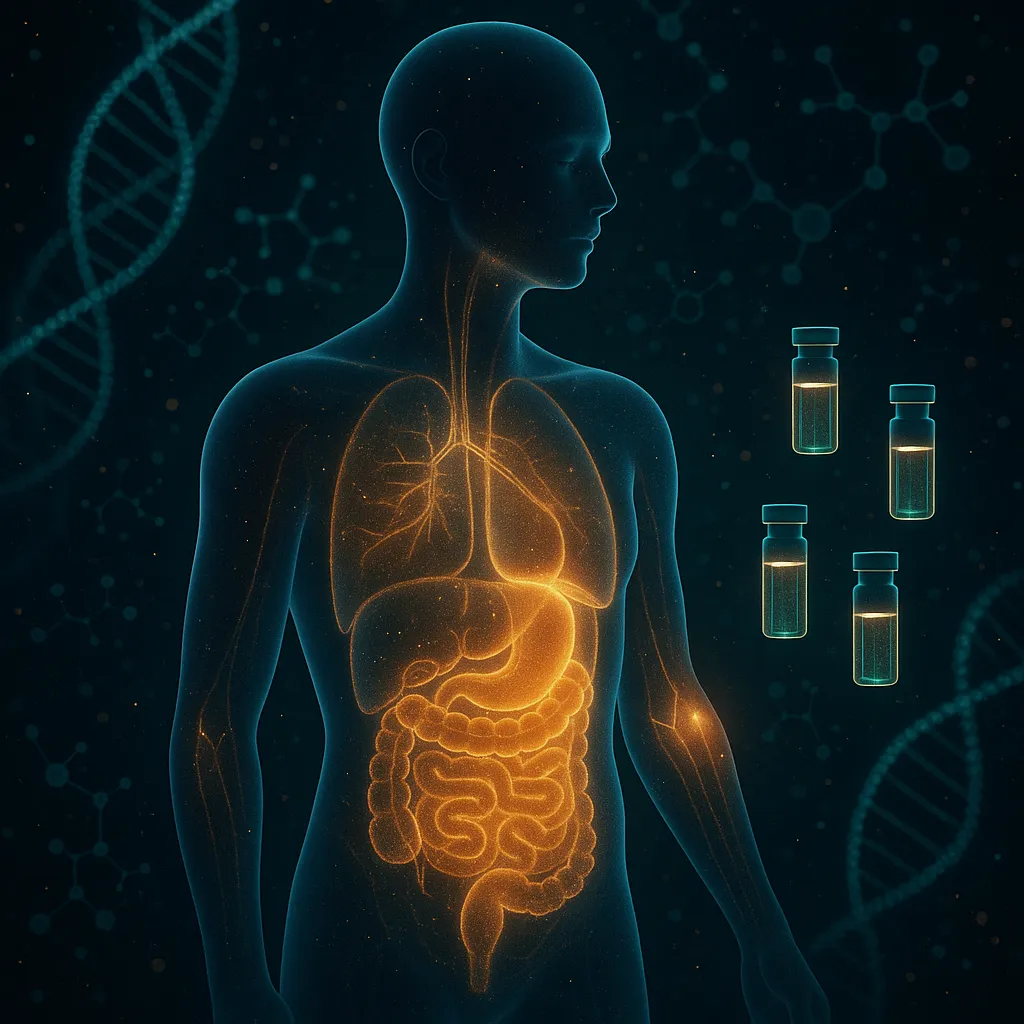
Research-context information only. The Klow blend (KPV, LL-37, Oxytocin, Wolverine peptides) is a research peptide. Protocols, doses, and reactions reported below come from published research and self-reported community sources. This article reports what has been documented, not what should be done. Consult a licensed physician for personal medical decisions.
How the 4 Peptides Work Together
The Klow blend covers four distinct phases of the tissue repair cascade:
| Phase | Peptide | Mechanism |
|---|---|---|
| 1. Inflammation control | KPV | NF-kB suppression, cytokine reduction |
| 2. Blood supply | BPC-157 | Angiogenesis, VEGF, nitric oxide |
| 3. Cell recruitment | TB-500 | Actin-mediated cell migration |
| 4. Tissue remodeling | GHK-Cu | Collagen synthesis, gene activation, scar remodeling |
In standalone protocols, these phases are addressed sequentially by the body's own systems. With all four peptides present simultaneously, you're supporting every phase of repair at once.
1. Collagen Synthesis and Gene Activation (GHK-Cu)
Evidence quality: Strong (multiple human and in vitro studies)
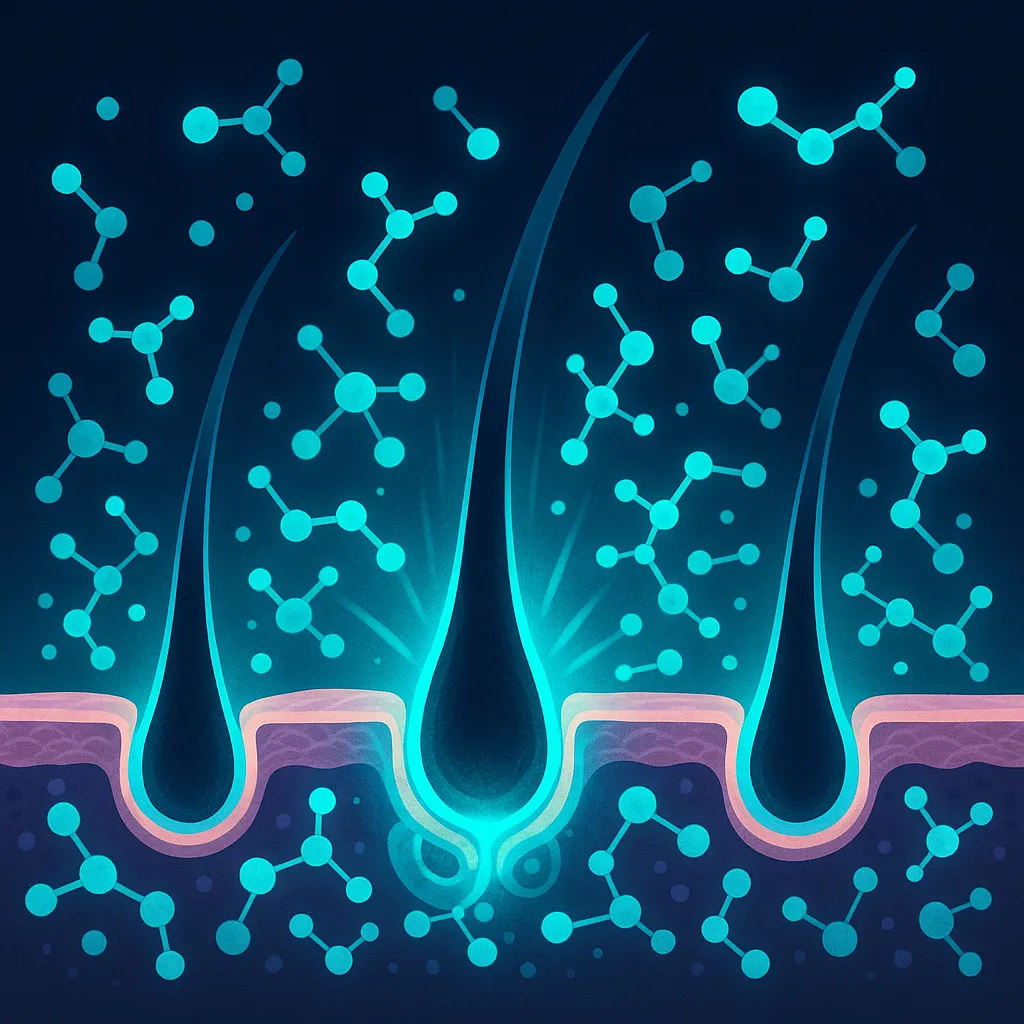
GHK-Cu is the dominant component of the Klow blend (62.5% by weight) and its most thoroughly researched. This copper-binding tripeptide activates over 4,000 human genes involved in tissue repair, antioxidant defense, and anti-inflammatory signaling (Pickart & Margolina, 2018).
Key effects:
- Upregulates collagen types I, III, and V plus elastin production through TGF-beta signaling
- Attracts mesenchymal stem cells to damaged tissue
- Remodels scar tissue by regulating metalloproteinases (MMPs)
- Stimulates nerve outgrowth factor production
GHK-Cu levels decline naturally from ~200 ng/mL at age 20 to ~80 ng/mL by age 60. Supplementation restores the signaling environment that drives tissue repair and collagen production.
In the Klow blend, GHK-Cu provides the long-term tissue remodeling backbone — it's why users report skin quality improvements by weeks 4-8.
2. NF-kB Anti-Inflammatory Action (KPV)
Evidence quality: Moderate (animal and in vitro studies)
KPV (Lys-Pro-Val) is the tripeptide that separates Klow from every other healing blend. Derived from alpha-melanocyte stimulating hormone (alpha-MSH), it retains the parent molecule's anti-inflammatory potency without tanning side effects.
KPV directly inhibits NF-kB activation — the upstream master switch that controls TNF-alpha, IL-6, and IL-1beta production (Brzoska et al., 2007). It also blocks the MAPK pathway independently, creating dual anti-inflammatory coverage.
What makes KPV unique in this blend:
- BPC-157 and GHK-Cu have some anti-inflammatory properties, but neither directly targets NF-kB
- KPV hits the inflammatory cascade at its source — before pro-inflammatory cytokines are produced
- Demonstrated antimicrobial effects against Staphylococcus aureus and Candida albicans (Catania et al., 2000)
For anyone dealing with systemic inflammation, autoimmune-related tissue damage, or gut inflammation, KPV is why Klow exists.
3. Tissue Repair and Angiogenesis (BPC-157)
Evidence quality: Strong (hundreds of animal studies, limited human trials)
BPC-157 is the "first responder" in the Klow blend. It initiates the healing cascade by promoting new blood vessel formation (angiogenesis) via VEGF upregulation, and increasing EGF, FGF, and other repair-related growth factors (Seiwerth et al., 2014).
Key contributions to the blend:
- Builds the vascular infrastructure that delivers repair cells to damaged tissue
- Modulates the nitric oxide system to improve local blood flow (Sikiric et al., 2014)
- Activates FAK-paxillin pathway in tendon fibroblasts — directly accelerating connective tissue healing
- Provides gastric cytoprotection — relevant for users also targeting gut repair
BPC-157 creates the blood supply. TB-500 uses it to transport cells. GHK-Cu activates those cells for remodeling. Without BPC-157's angiogenic foundation, the other peptides have less infrastructure to work through.
4. Cell Migration and Wound Healing (TB-500)
Evidence quality: Moderate (animal studies, no human trials)
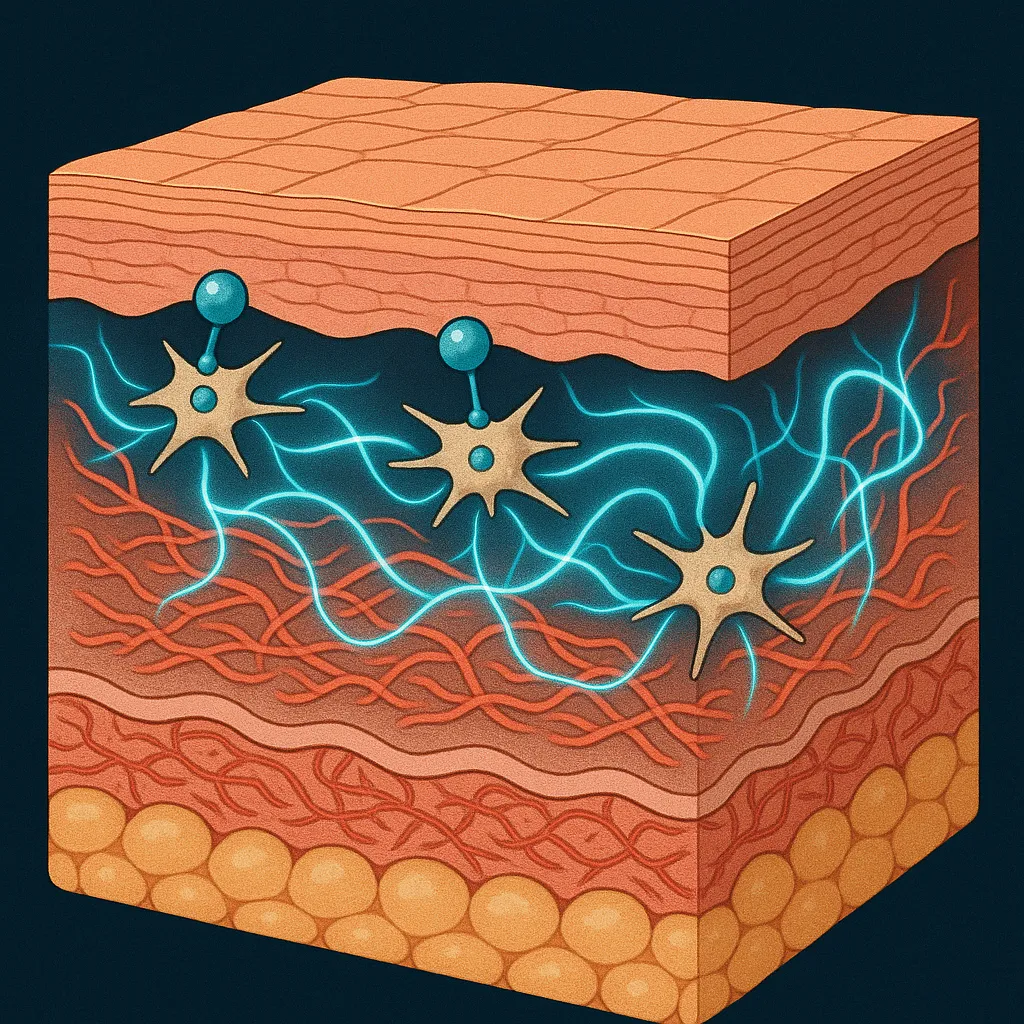
TB-500 is the synthetic active fragment of Thymosin Beta-4, containing the LKKTET actin-binding sequence. It promotes the movement of repair cells — keratinocytes, endothelial cells, and fibroblasts — to injury sites (Malinda et al., 1999).
Key contributions:
- Directs repair cells to where they're needed via actin polymerization
- Reduces scar tissue formation during healing (anti-fibrotic)
- Modulates inflammatory cytokines at the tissue level (Sosne et al., 2010)
- Activates follicular stem cells (hair growth potential)
TB-500 is the "traffic controller" — while BPC-157 builds the highways (blood vessels) and GHK-Cu recruits the workers (stem cells), TB-500 ensures those workers reach the job site.
5. Gut-Specific Anti-Inflammatory Action (KPV + BPC-157)
Evidence quality: Moderate (animal studies)
The KPV + BPC-157 combination in Klow creates a unique dual approach to gut healing that no other blend offers.
KPV is one of the few peptides with demonstrated oral bioactivity via PepT1 intestinal peptide transporters. In colitis models, it reduced intestinal inflammation by directly suppressing NF-kB activation in the gut lining (Dalmasso et al., 2008).
BPC-157, derived from human gastric juice, is inherently cytoprotective to gastric and intestinal mucosa. It protects and repairs the structural integrity of the gut lining.
Together:
- KPV handles the inflammatory signaling (turns down the fire)
- BPC-157 handles the structural repair (rebuilds the walls)
This is why Klow is specifically recommended over Glow for anyone with gut-related goals — IBS, leaky gut, post-antibiotic recovery, or inflammatory bowel concerns.
Ready to buy? Compare verified vendors on our best Klow Blend sources page, or browse all coupon codes for up to 50% off.