
Stanford researchers just published a discovery that could reshape weight loss treatment: a naturally occurring 12-amino-acid peptide called BRP that cuts appetite by 50% — without the nausea, constipation, or muscle loss that plague current GLP-1 drugs. The study, published in Nature (PMID: 40044869), is generating massive interest from both the pharmaceutical and peptide communities.
Here is what the data actually shows, why the mechanism matters, and what weight loss peptides you can use right now while BRP works through clinical development.
What Stanford Found
The research team, led by Katrin Svensson, used AI to analyze over 2,600 previously uncharacterized human peptide fragments cleaved by prohormone convertases. They identified BRP — BRINP2-related peptide — a 12-amino-acid fragment that activates pro-opiomelanocortin (POMC) neurons in the hypothalamus through the cAMP-PKA-CREB-FOS signaling pathway.
The results in animal models were striking:
- Single injection reduced food intake by 50% within one hour in both lean mice and minipigs
- 14 days of daily injections in obese mice produced ~3g weight loss (primarily fat), while controls gained ~3g
- No nausea, no GI disruption, no muscle loss — animals showed normal movement, water intake, and anxiety behavior
- Improved glucose and insulin tolerance in obese mice after the treatment period
Minipigs were used because their metabolism and eating patterns mirror humans far more closely than mice. The consistency across species is what makes this finding significant.
Why the Mechanism Matters
This is the critical difference between BRP and every GLP-1 receptor agonist on the market.
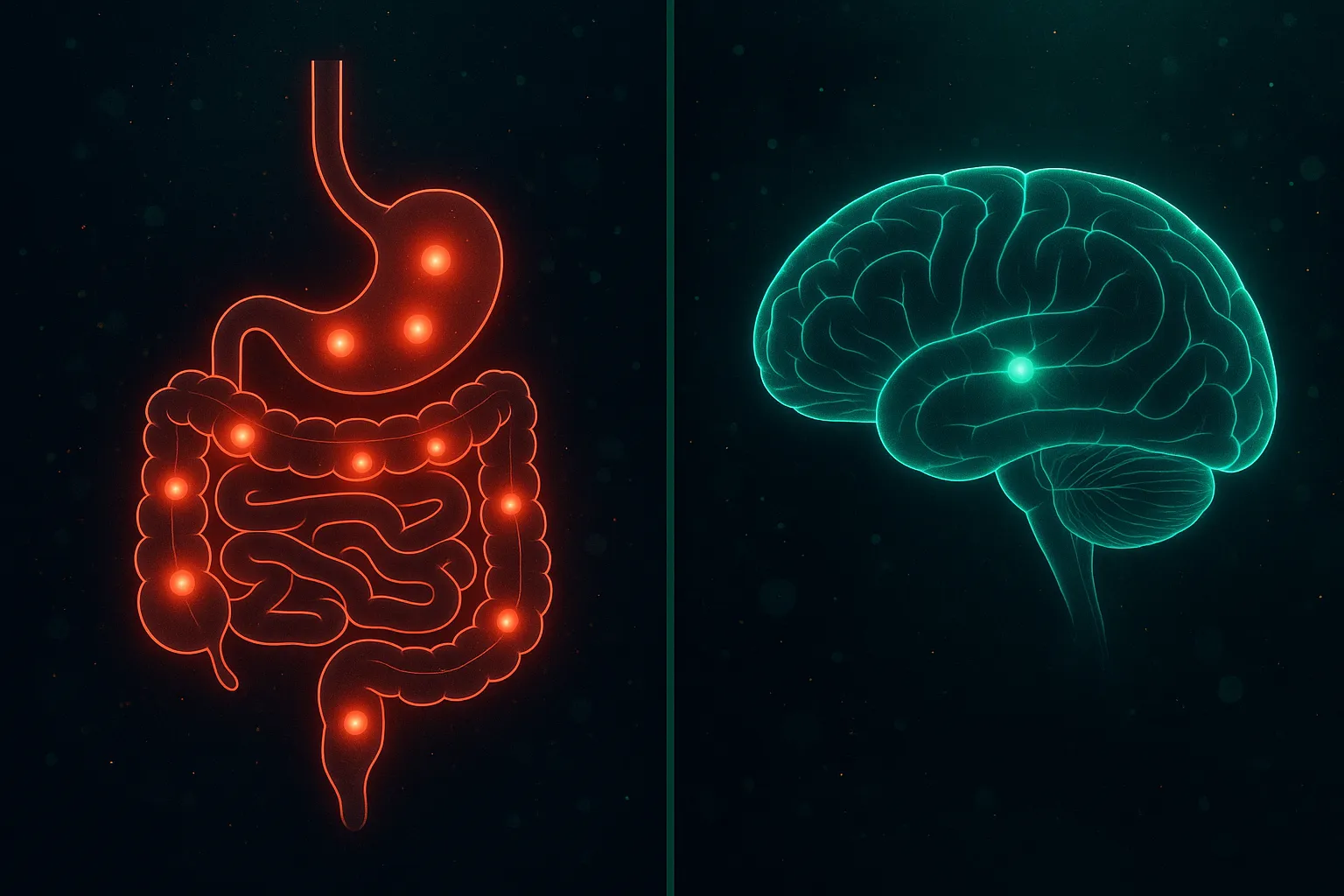
Semaglutide, tirzepatide, and retatrutide all work partly by activating GLP-1 receptors, which are distributed across the brain, gut, pancreas, and other tissues. That widespread activation is why they suppress appetite — but it is also why they cause nausea, delayed gastric emptying, constipation, and measurable muscle loss in a significant percentage of users.
BRP takes a completely different approach. It acts exclusively on POMC neurons in the hypothalamus — the brain's central appetite control center. No gut receptors involved. No pancreatic effects. No peripheral activation at all.
This targeted mechanism means appetite suppression without the GI side effects that cause 10-15% of GLP-1 users to discontinue treatment.
What This Means for You Right Now
BRP is not available to buy. It has only been tested in animals. Svensson has co-founded Merrifield Therapeutics to develop it for human trials, but no timeline has been announced. Anyone selling "BRP peptide" online is either lying or selling an unverified compound.
That said, this research validates the central appetite-suppression approach — which is relevant to peptides you can source today.
Weight Loss Peptides Available Now
If you are looking for effective weight loss peptides with current vendor availability, these are the strongest options ranked by clinical evidence:
Tier 1 — Strong Clinical Data:
- Semaglutide — GLP-1 agonist, ~15% body weight loss in trials. The most studied weight loss peptide available. Compare vendors | Dosing guide
- Tirzepatide — Dual GIP/GLP-1 agonist, up to ~21% weight loss. Superior to semaglutide in head-to-head trials. Compare vendors | Dosing guide
- Retatrutide — Triple agonist (GIP/GLP-1/glucagon), ~24% weight loss in Phase 2. The most potent weight loss peptide in clinical development. Compare vendors | Dosing guide
Tier 2 — Central/Complementary Mechanisms:
- Tesofensine — Triple monoamine reuptake inhibitor that acts centrally on appetite, similar in concept to BRP's hypothalamic targeting. ~10-13% weight loss in Phase 2 trials. Dosing guide
- AOD-9604 — hGH fragment targeting fat metabolism specifically, no appetite suppression. Useful as a stack component. Compare vendors | Dosing guide