Research-context information only. Thymosin beta-4 is a research peptide. It is not on the FDA 503A bulks list; an October 2026 HHS enforcement discretion policy names TB-500 acetate, not full-length thymosin beta-4. Protocols, doses, and reactions reported below come from published research and self-reported community sources. This article reports what has been documented, not what should be done. Consult a licensed physician for personal medical decisions.
The buying problem is that "TB-500" and "thymosin beta-4" are used interchangeably by vendors despite originally referring to slightly different products. Verifying 4,963 Da on mass spec is the only reliable distinction — full Tβ4 at 43 residues vs truncated synthetic fragments.
This guide covers documented per-mg pricing, COA verification, vial size selection, and red flags. For dosing context, see the TB-500 dosing guide. For the alternative TB-500 buying guide, see TB-500 buying guide.
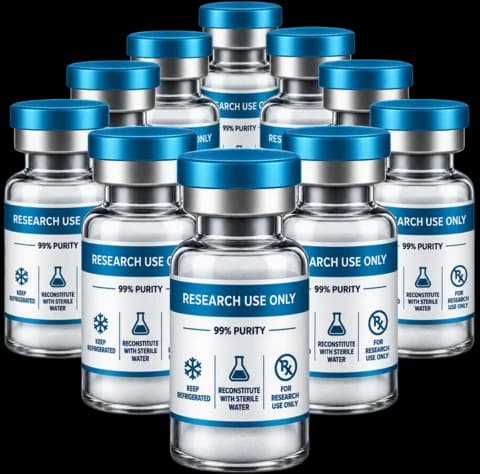
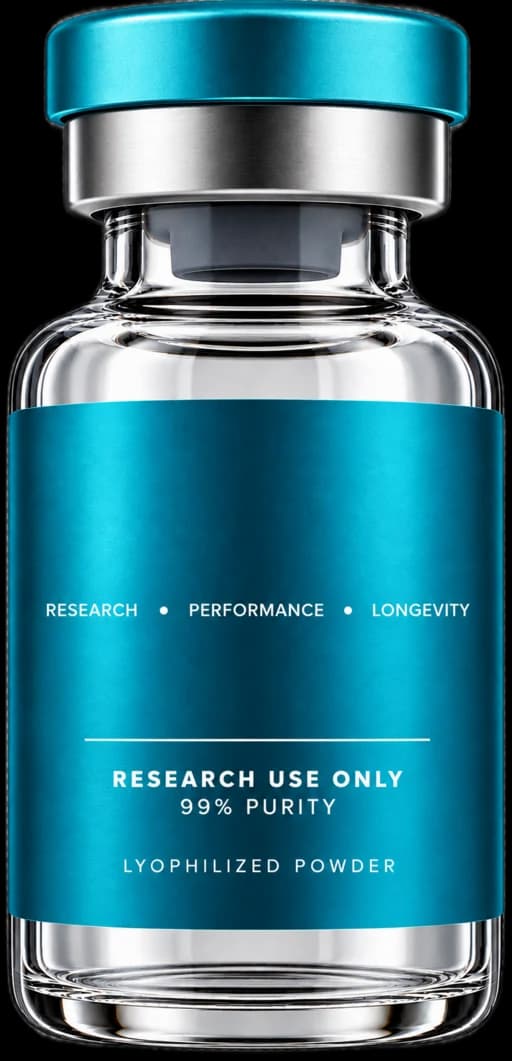
Tβ4 ships as a lyophilized powder in sealed glass vials. Three factors drive price: vial size, vendor markup, and synthesis quality (full Tβ4 vs truncated fragments).
Current Market Pricing (2026)
Vial Size
Typical Price Range
Price Per mg
Best For
2mg
$15-30
$7.50-15/mg
Tolerance testing only
5mg
$30-60
$6-12/mg
Standard short cycles
10mg
$50-100
$6.12-6.80/mg
Standard 250-500mcg/day — best all-around
10mg × 5 (kit)
$220-450
$6.12-6.80/mg
Extended cycles
The pattern: 10mg vials are the most-cited size for cost efficiency. Per-mg pricing is similar to BPC-157 despite Tβ4 being a longer peptide — vendor competition is high in this category.
Cheapest single-vial option: EZ Peptides's 10% off drops the 10mg vial to $61.20 ($6.12/mg effective) — the lowest effective price we track for buying one vial. Get the code →
How to Verify Thymosin Beta-4 Quality
Tβ4 is a 43-amino-acid peptide. At 43 residues, solid-phase peptide synthesis yields drop sharply, and truncated byproducts are common synthesis impurities.
What a COA Should Include
Identity Confirmation
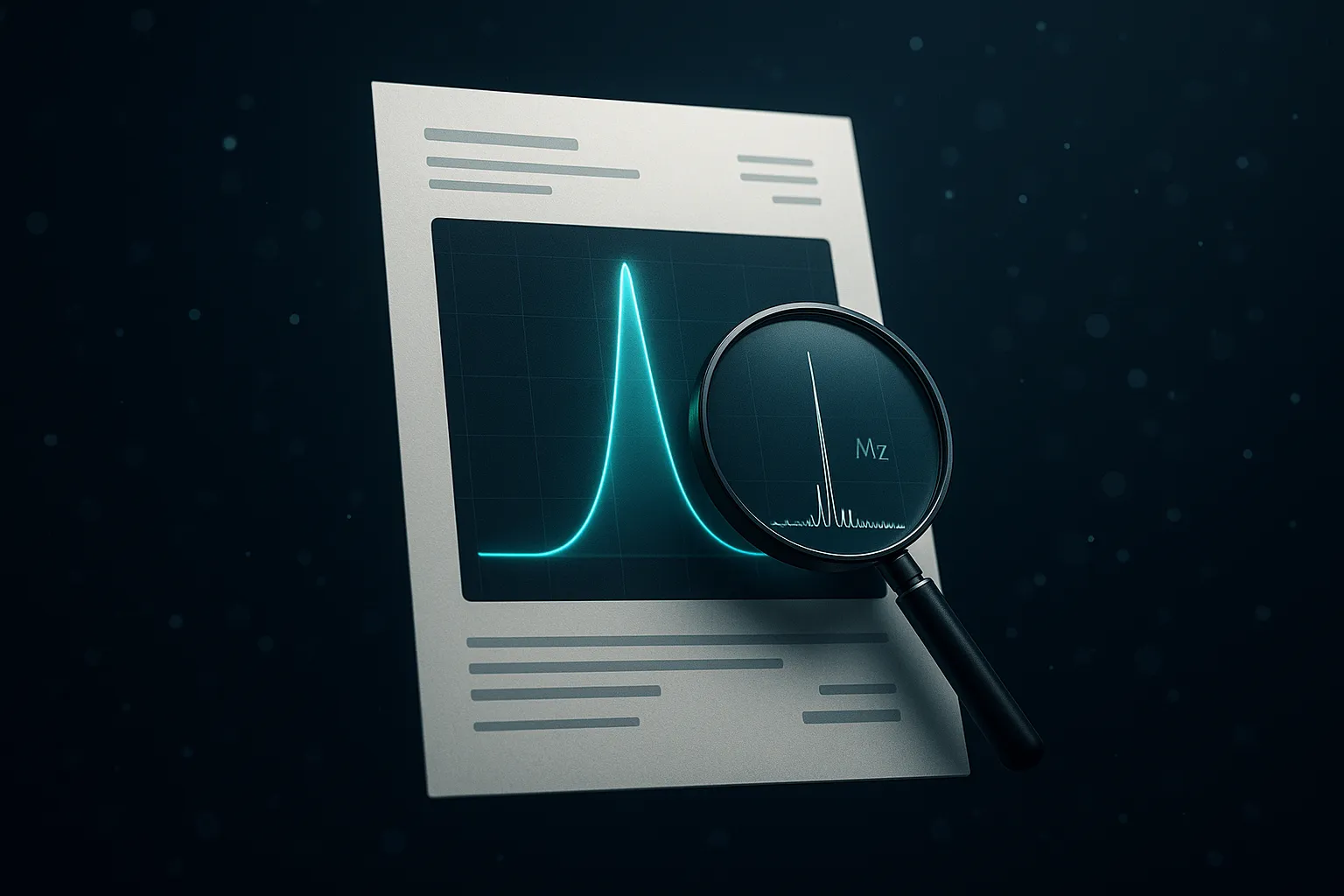
Mass spec confirming 4,963 Da for full Tβ4
Sequence verification — 43-residue full sequence
Truncation byproducts (Tβ4 fragments at 2,000-4,000 Da) noted as separate peaks if present
Purity Testing
HPLC purity at 98%+ (challenging at 43 residues — 95-98% is more common)
Single dominant peak; truncation byproducts visible as smaller secondary peaks
Water content (Karl Fischer) under 8%
Contamination Testing
Endotoxin levels
Residual solvent analysis
Heavy metals screening
The eight tests and pass levels of a full-panel report are set out in The Gold Panel COA.
Tβ4 reconstituted with bacteriostatic water and refrigerated is documented stable for roughly 28 days in published peptide-stability data. With sterile water (no preservative), the window collapses to ~24 hours.
Practical implication: A 10mg vial at 500mcg/day loading fits the window. At lower 250mcg/day or 3×/week maintenance, staged reconstitution or smaller 5mg vials are common.
Vial Size by Protocol
Tolerance testing:
A 2mg or 5mg vial is the smallest unit cited
1-3 weeks at standard doses
Standard 500mcg/day loading + 250mcg maintenance protocol:
10mg vial during loading (20 days at 500mcg)
5mg vial during maintenance (with staged reconstitution)
Niche-format vendor — oral capsule peptides, pre-mixed nasal solutions, and a rare Reta + Cagrilintide combo blend, all 30% off with code thepeptidecatalog.
Most cloudy reconstitutions trace back to one thing — and it isn't the peptide. Sterile, non-pyrogenic, 0.9% benzyl alcohol — formulated for peptide reconstitution, not repackaged from generic stock.
✓ 0.9% benzyl alcohol✓ Made for peptides✓ 30 mL multi-dose
Thymosin beta-4 (Tβ4) is sold as a research peptide labeled 'not for human consumption.' It is not FDA-approved. TB-500 was on the FDA 503A Category 2 list from 2023 and was removed in April 2026. On October 30, 2026, HHS published an interim enforcement discretion policy in the Federal Register (FR Doc. 2026-22192) that names TB-500 acetate among six peptides 503A pharmacies may compound under listed conditions while FDA completes rulemaking; it does not name full-length thymosin beta-4. Purchasing research peptides is legal in most US jurisdictions.
How much does thymosin beta-4 cost per month?
Community subcutaneous protocols use 250-500mcg/day. Monthly mass at 500mcg/day is 15mg. Research-vendor 5mg vials run $30-60 and 10mg vials run $50-100. Monthly cost ranges from $90-300 depending on protocol and vial size.
What's the difference between TB-500 and full thymosin beta-4?
Most research-vendor 'TB-500' is full thymosin beta-4 (Tβ4) — 43 amino acids, 4,963 Da. The original TB-500 trademark referred to a specific synthetic fragment, but in practice the labels are used interchangeably and most vendors ship full Tβ4. Always confirm 4,963 Da on the COA — partial fragments at lower mass are common substitutes.
What vial size should I buy?
5mg and 10mg vials are the most-cited sizes. 10mg fits standard community protocols within the 28-day reconstitution stability window. 5mg vials are common for tolerance testing or shorter cycles.
What purity should I look for in thymosin beta-4?
Third-party HPLC at 98%+ purity, plus mass spec confirming 4,963 Da. Tβ4 is a 43-residue peptide — at the upper end of cost-effective synthesis. Truncated byproducts (Tβ4 fragments at 2,000-4,000 Da) are common synthesis impurities visible on HPLC.
Can I buy thymosin beta-4 from a compounding pharmacy?
Full-length thymosin beta-4 is not named in the October 30, 2026 HHS enforcement discretion policy (FR Doc. 2026-22192), which covers single-ingredient TB-500 acetate by subcutaneous or intramuscular route under listed conditions, and neither is on the 503A bulks list. Research vendors are the documented option for buyers in this category.
This article is for educational and informational purposes only. It is not medical advice and should not be used to diagnose, treat, or prevent any condition. Consult a licensed healthcare provider before using any peptide.