KPV (Lys-Pro-Val) is a naturally occurring tripeptide derived from alpha-MSH that retains powerful anti-inflammatory action — inhibiting NF-kB and MAPK signaling at nanomolar concentrations — without causing tanning effects. For a full breakdown of the research behind each effect, see our KPV benefits guide. This is not medical advice.
Research-context information only. KPV is a research peptide. Protocols, doses, and reactions reported below come from published research and self-reported community sources. This article reports what has been documented, not what should be done. Consult a licensed physician for personal medical decisions.
KPV Dosing Table
Match your vial size below — reconstitution and dose math update automatically.
Reconstitute: add 2 mL of bacteriostatic water to the 10 mg vial. Resulting concentration: 5 mg/mL.
Dose
Syringe units
mL volume
Schedule
500 mcg
10 units
0.1 mL
Daily SubQ AM (5-on/2-off)Standard
1 mg
20 units
0.2 mL
Daily SubQ AM (5-on/2-off)
500 mcg10 units · 0.1 mL
Daily SubQ AM (5-on/2-off)
Standard
1 mg20 units · 0.2 mL
Daily SubQ AM (5-on/2-off)
Math assumes U-100 insulin syringes (1 mL = 100 units). Verify your syringe matches before injecting. Round half-units to the nearest visible mark.
Reconstitute: add 2 mL of bacteriostatic water to the 5 mg vial. Resulting concentration: 2.5 mg/mL.
Dose
Syringe units
mL volume
Schedule
500 mcg
20 units
0.2 mL
Daily SubQ AM (5-on/2-off)Standard
1 mg
40 units
0.4 mL
Daily SubQ AM (5-on/2-off)
500 mcg20 units · 0.2 mL
Daily SubQ AM (5-on/2-off)
Standard
1 mg40 units · 0.4 mL
Daily SubQ AM (5-on/2-off)
Math assumes U-100 insulin syringes (1 mL = 100 units). Verify your syringe matches before injecting. Round half-units to the nearest visible mark.
Quick Reference: Standard Protocol
Parameter
Detail
Dose
500 mcg per injection
Route
Subcutaneous (or oral for gut)
Timing
AM
Frequency
5 days on, 2 days off
Cycle
8 weeks on, 8 weeks off
Vial size
10 mg
Reconstitution
2 mL BAC water (5,000 mcg/mL)
Draw amount
10 units on insulin syringe
Storage
Refrigerate, use within 28 days
Oral route (preferred for gut inflammation): 500 mcg-1 mg daily on empty stomach, 30 minutes before food. KPV is one of the few peptides with demonstrated oral bioactivity via PepT1 transport.
Community protocols describe starting at 200 mcg daily (oral or SC) during Week 1 to assess tolerance, then increasing to 500 mcg. KPV is generally very well-tolerated given its natural origin as a tripeptide fragment. The 5-on/2-off weekly pattern with 8-week cycles accounts for limited long-term human data.
For active gut inflammation, some protocols use higher oral doses (up to 1 mg). Research and community sources describe oral dosing as the most commonly documented route for intestinal targets because PepT1 expression is actually upregulated in inflamed gut tissue — creating a self-targeting mechanism.
Routes of Administration
KPV is one of the few peptides documented across several routes, and the target determines which one. All doses below are documented research and community protocols, not recommendations.
Route
Documented dose
Frequency
Best documented for
Oral
500 mcg – 1 mg
Once daily, empty stomach (30 min before food)
Gut inflammation / IBD (PepT1 uptake rises in inflamed tissue)
Community protocols describe starting at the low end (200 mcg) to assess tolerance, then titrating toward the target.
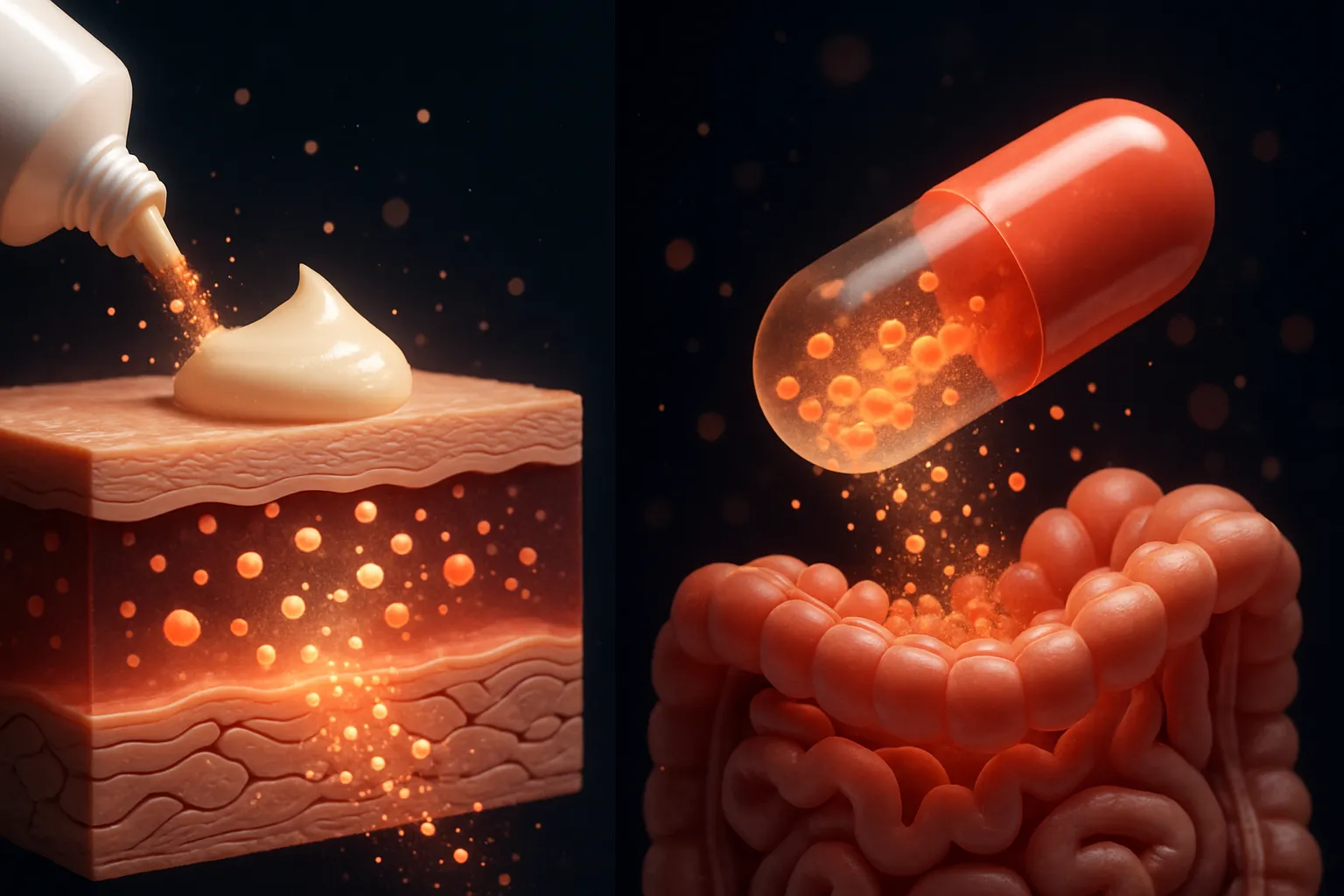
Oral (preferred for gut health): 500 mcg-1 mg daily on empty stomach. PepT1 transporter actively imports KPV into intestinal epithelial cells. Sublingual use (200-500 mcg, with community reports describing 60-second submucosal retention) is documented in community protocols.
Subcutaneous (systemic effects): Standard injection into abdominal fat. Volume typically 0.1-0.2 mL. For systemic anti-inflammatory effects beyond the gut, skin inflammation, etc.
Topical (localized skin): Community sources describe topical KPV formulations applied directly to affected skin at anecdotally higher amounts (~7.5 mg twice daily), since transdermal absorption is far lower than injection. This is the least-established route — community-reported only, with no controlled human data.
Goal
Route Documented in Protocols
Gut inflammation/IBD
Oral
Systemic inflammation
Subcutaneous
Skin inflammation
Subcutaneous
Localized skin patches
Topical (anecdotal)
General wellness
Oral
Nura Reconstitution Solution30% off
Don't risk a $300 peptide on generic bac water.
Most cloudy reconstitutions trace back to one thing — and it isn't the peptide. Sterile, non-pyrogenic, 0.9% benzyl alcohol — formulated for peptide reconstitution, not repackaged from generic stock.
✓ 0.9% benzyl alcohol✓ Made for peptides✓ 30 mL multi-dose
Ships from Nura · 30% off with code thepeptidecatalog
Reconstitution Quick Reference
Vial Size
BAC Water
Concentration
500 mcg Dose
10 mg
2 mL
5,000 mcg/mL
10 units
Math: 10,000 mcg / 2 mL = 5,000 mcg/mL. 500 mcg / 5,000 = 0.1 mL = 10 units. Protocols describe swirling gently, refrigerating, and using within 28 days.
For step-by-step reconstitution instructions, see the BPC-157 reconstitution guide — same technique applies to all lyophilized peptides.
Affiliate disclosure: vendor links in this article are affiliate links — The Peptide Catalog may earn a commission if you buy through them, at no additional cost to you.
Where These Numbers Come From
KPV has robust preclinical evidence, primarily from inflammatory bowel disease models.
Nanomolar KPV concentrations inhibit NF-kB activation and MAP kinase inflammatory signaling, reducing pro-inflammatory cytokines. Oral KPV reduced DSS- and TNBS-induced colitis severity in mice via PepT1-mediated uptake (Dalmasso et al., 2008). KPV showed significant anti-inflammatory effects partially independent of MC1R melanocortin receptor signaling (Kannengiesser et al., 2008).
KPV reduced peritonitis inflammation comparable to full alpha-MSH, confirming that the C-terminal tripeptide retains full anti-inflammatory potency (Getting et al., 2003). A comprehensive review established KPV and related alpha-MSH fragments as a new class of anti-inflammatory agents (Brzoska et al., 2007).
KPV's oral activity is explained by PepT1 transport (upregulated during inflammation), its small tripeptide size (resistant to complete proteolysis), and immune cell uptake enabling direct inflammatory modulation.
Both KPV and BPC-157 can be taken orally. KPV community protocols describe empty-stomach timing; partner peptides are typically introduced 15-30 minutes later.
Side Effects & Safety
Mild nausea — oral route, usually first few days only
Minor injection site irritation — SC route, transient
Mild headache — infrequent
No tanning — does not significantly activate MC1R unlike full alpha-MSH
Appetite changes — uncommon
Pregnancy/breastfeeding — no safety data available
Active immunosuppression — anti-inflammatory effects may compound with immunosuppressive drugs
Melanoma caution — while KPV lacks significant MC1R activity, community sources note that any alpha-MSH-derived peptide warrants additional scrutiny in the context of melanoma history
mg to Units Conversion
On a standard 100-unit insulin syringe, each "unit" equals 0.01 mL (so 100 units = 1 mL). Once KPV is reconstituted, the conversion from a target dose to syringe units depends on the chosen dilution.
The two reconstitution ratios most often described in community protocols are below.
Reconstitution A: 10 mg vial + 2 mL BAC water (5 mg/mL) — the standard dilution from the Quick Reference above.
Dose (mcg)
Volume (mL)
Units (insulin syringe)
250 mcg
0.05 mL
5 units
500 mcg
0.1 mL
10 units
750 mcg
0.15 mL
15 units
1000 mcg
0.2 mL
20 units
Reconstitution B: 10 mg vial + 3 mL BAC water (3.33 mg/mL) — more BAC water for larger, easier-to-measure draws.
Dose (mcg)
Volume (mL)
Units (insulin syringe)
250 mcg
0.075 mL
7.5 units
500 mcg
0.15 mL
15 units
750 mcg
0.225 mL
22.5 units
1000 mcg
0.3 mL
30 units
These conversions reflect the dilutions documented in community reconstitution protocols. They report how the math is described, not a recommended dosing schedule.
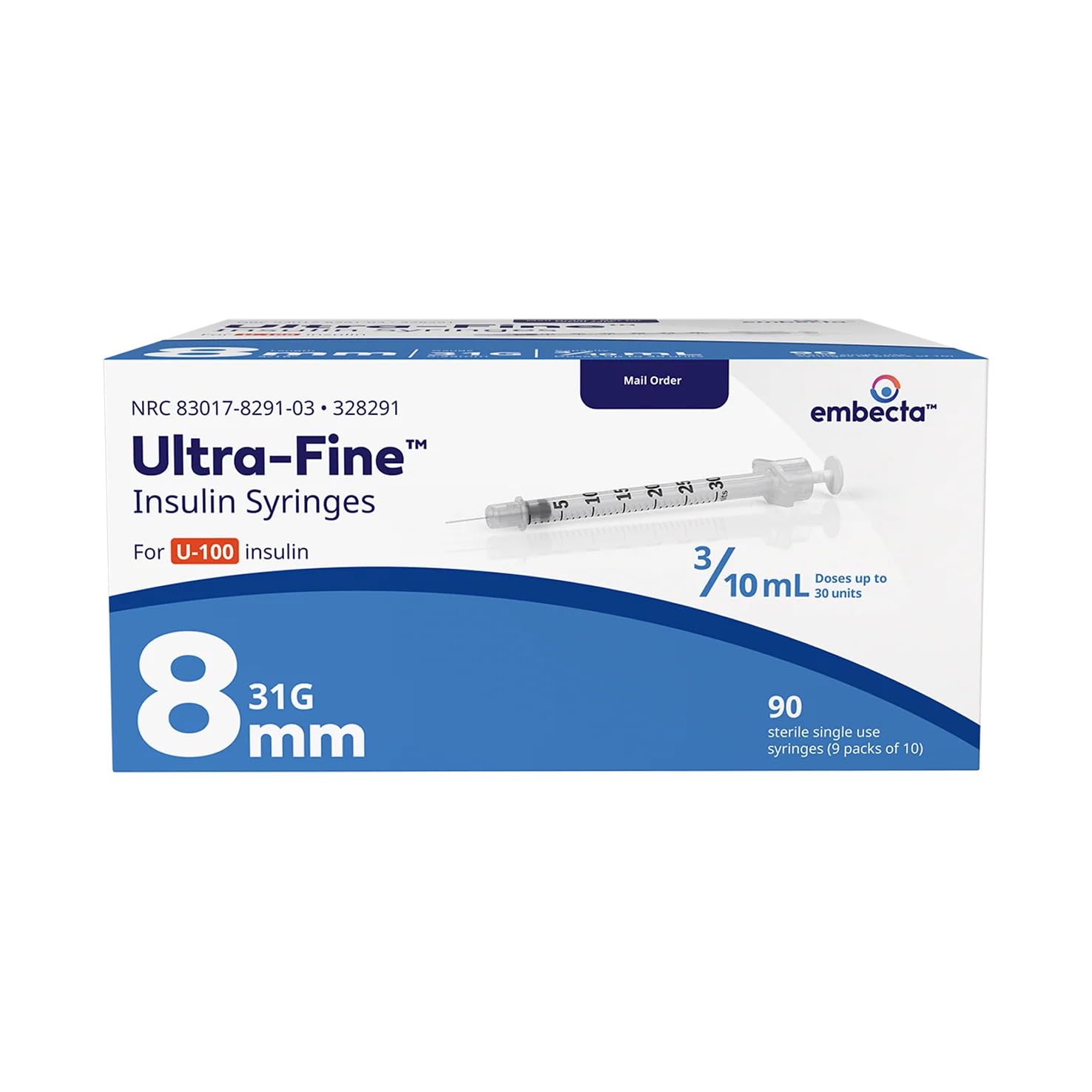
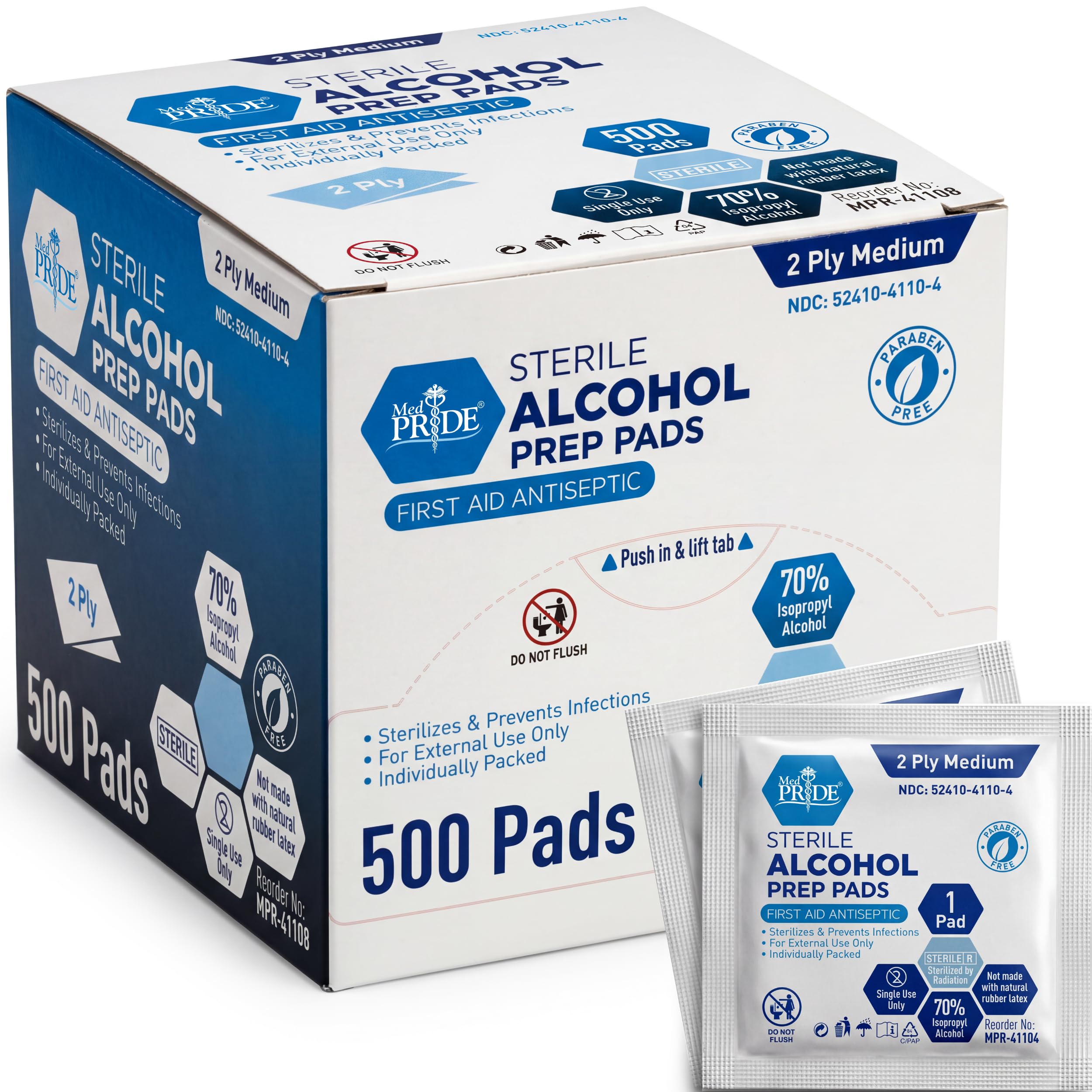
Core Supplies for This Protocol
The essentials for running any reconstituted injectable: cold storage, accurate syringes, alcohol prep pads, and metabolic tracking.
The standard documented protocol is 500 mcg subcutaneous in the morning, 5 days on/2 days off, cycled 8 weeks on/8 weeks off. Community protocols document a 10-unit draw from a 10 mg vial reconstituted with 2 mL BAC water. Community sources describe oral dosing (500 mcg-1 mg) as the route favored for gut-targeted effects.
Can KPV be taken orally?
Yes — KPV is one of the rare peptides with demonstrated oral bioactivity. Research shows oral KPV is transported via the PepT1 transporter in intestinal cells and reduces colitis in animal models. Research and community sources describe oral dosing as the most commonly documented route for gut-targeted effects.
Can KPV be used topically?
Community sources describe topical KPV applied directly to affected skin at anecdotally higher amounts (around 7.5 mg twice daily), since transdermal absorption is much lower than injection. It is the least-established route — community-reported only, with no controlled human data. The best-documented routes remain oral (gut-targeted) and subcutaneous (systemic).
How long does KPV take to work?
For gut inflammation, many users report improvement within 1-2 weeks. Community sources suggest systemic anti-inflammatory effects may emerge at 2-4 weeks, with animal-model timelines broadly consistent. Acute gut symptoms may respond faster than chronic conditions. See the full KPV results timeline for a week-by-week breakdown.
What does research report about long-term KPV use?
KPV has a favorable safety profile based on animal studies and its origin as a natural fragment of alpha-MSH. However, long-term human safety data is limited. The standard protocol cycles 8 weeks on, 8 weeks off.
Does KPV cause skin tanning?
Unlike full alpha-MSH or Melanotan peptides, KPV does not significantly activate MC1R melanocortin receptors responsible for tanning. Its anti-inflammatory effects appear to work through PepT1 transport and NF-kB inhibition rather than melanocortin receptor signaling.
Can KPV be stacked with BPC-157?
Yes — KPV + BPC-157 is a popular gut health stack. KPV provides NF-kB and MAPK inhibition while BPC-157 promotes mucosal healing and angiogenesis. They work through complementary anti-inflammatory mechanisms.