KPV (Lys-Pro-Val) is a naturally occurring tripeptide derived from alpha-MSH that retains powerful anti-inflammatory action — inhibiting NF-kB and MAPK signaling at nanomolar concentrations — without causing tanning effects. For a full breakdown of the research behind each effect, see our KPV benefits guide. This is not medical advice.
Research-context information only. KPV is a research peptide. Protocols, doses, and reactions reported below come from published research and self-reported community sources. This article reports what has been documented, not what should be done. Consult a licensed physician for personal medical decisions.
KPV Dosing Table
Match your vial size below — reconstitution and dose math update automatically.
| Dose | Syringe units | mL volume | Schedule |
|---|---|---|---|
| 500 mcg | 10 units | 0.1 mL | Daily SubQ AM (5-on/2-off)Standard |
| 1 mg | 20 units | 0.2 mL | Daily SubQ AM (5-on/2-off) |
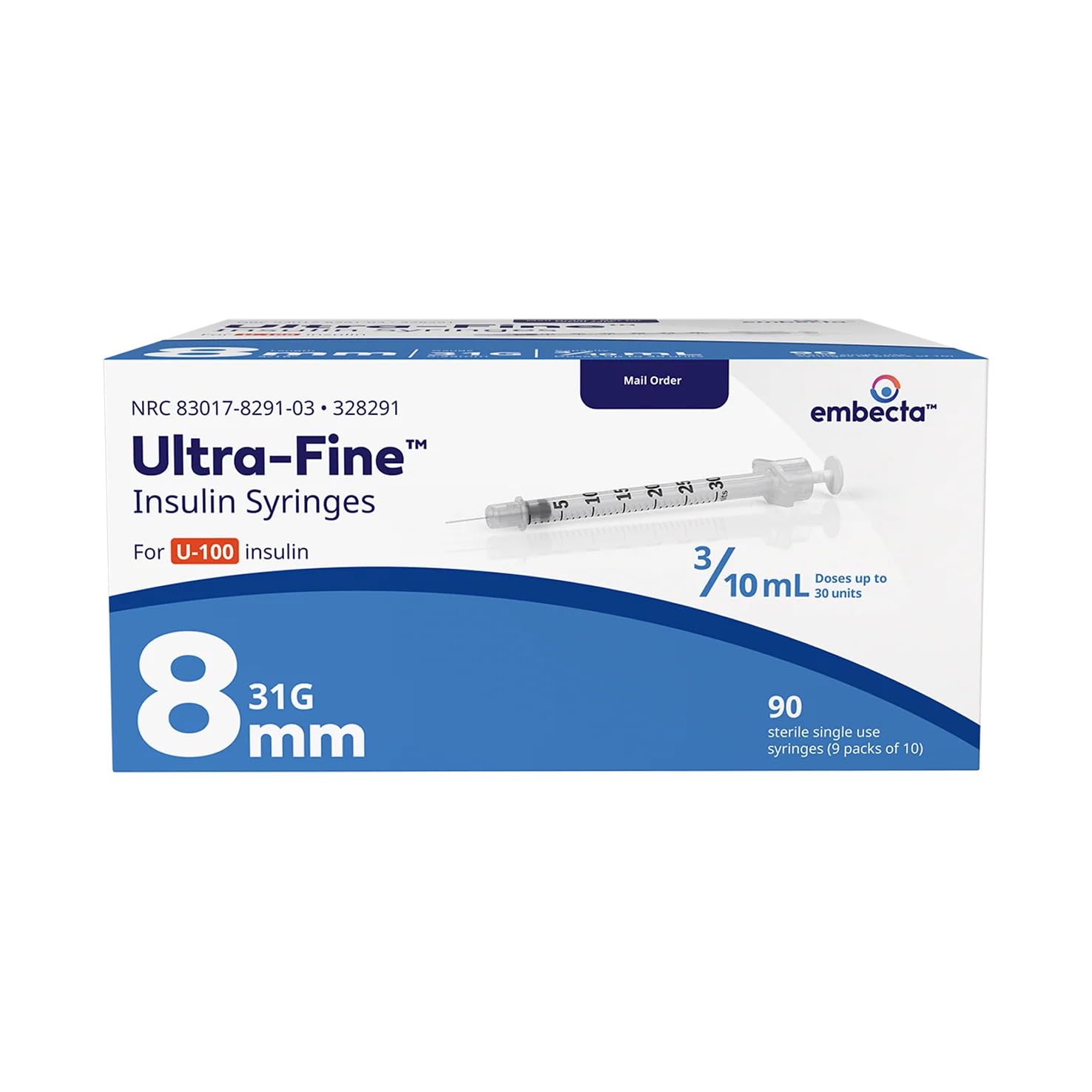
Math assumes U-100 insulin syringes (1 mL = 100 units). Verify your syringe matches before injecting. Round half-units to the nearest visible mark.
| Dose | Syringe units | mL volume | Schedule |
|---|---|---|---|
| 500 mcg | 20 units | 0.2 mL | Daily SubQ AM (5-on/2-off)Standard |
| 1 mg | 40 units | 0.4 mL | Daily SubQ AM (5-on/2-off) |
Math assumes U-100 insulin syringes (1 mL = 100 units). Verify your syringe matches before injecting. Round half-units to the nearest visible mark.
Quick Reference: Commonly Reported Protocol
| Parameter | Detail |
|---|---|
| Dose | 500 mcg per injection |
| Route | Subcutaneous (or oral for gut) |
| Timing | AM |
| Frequency | 5 days on, 2 days off |
| Cycle | 8 weeks on, 8 weeks off |
| Vial size | 10 mg |
| Reconstitution | 2 mL BAC water (5,000 mcg/mL) |
| Draw amount | 10 units on insulin syringe |
| Storage | Refrigerate, use within 28 days |
Oral route (most commonly documented for gut inflammation): community protocols for gut-targeted use describe 500 mcg-1 mg once daily on an empty stomach, about 30 minutes before food. KPV is one of the few peptides with demonstrated oral bioactivity via PepT1 transport in mouse colitis models.
For complementary anti-inflammatory peptides, see our BPC-157 dosing guide and LL-37 dosing guide.
Cycling Details
Community protocols describe starting at 200 mcg daily (oral or SC) during Week 1 to assess tolerance, then increasing to 500 mcg. In animal studies KPV was reported to be well tolerated; human safety data are limited. Community protocols typically run a 5-on/2-off weekly pattern in 8-week cycles.
For active gut inflammation, some protocols use higher oral doses (up to 1 mg). Research and community sources describe oral dosing as the most commonly documented route for intestinal targets because PepT1 expression is actually upregulated in inflamed gut tissue — creating a self-targeting mechanism.
Routes of Administration
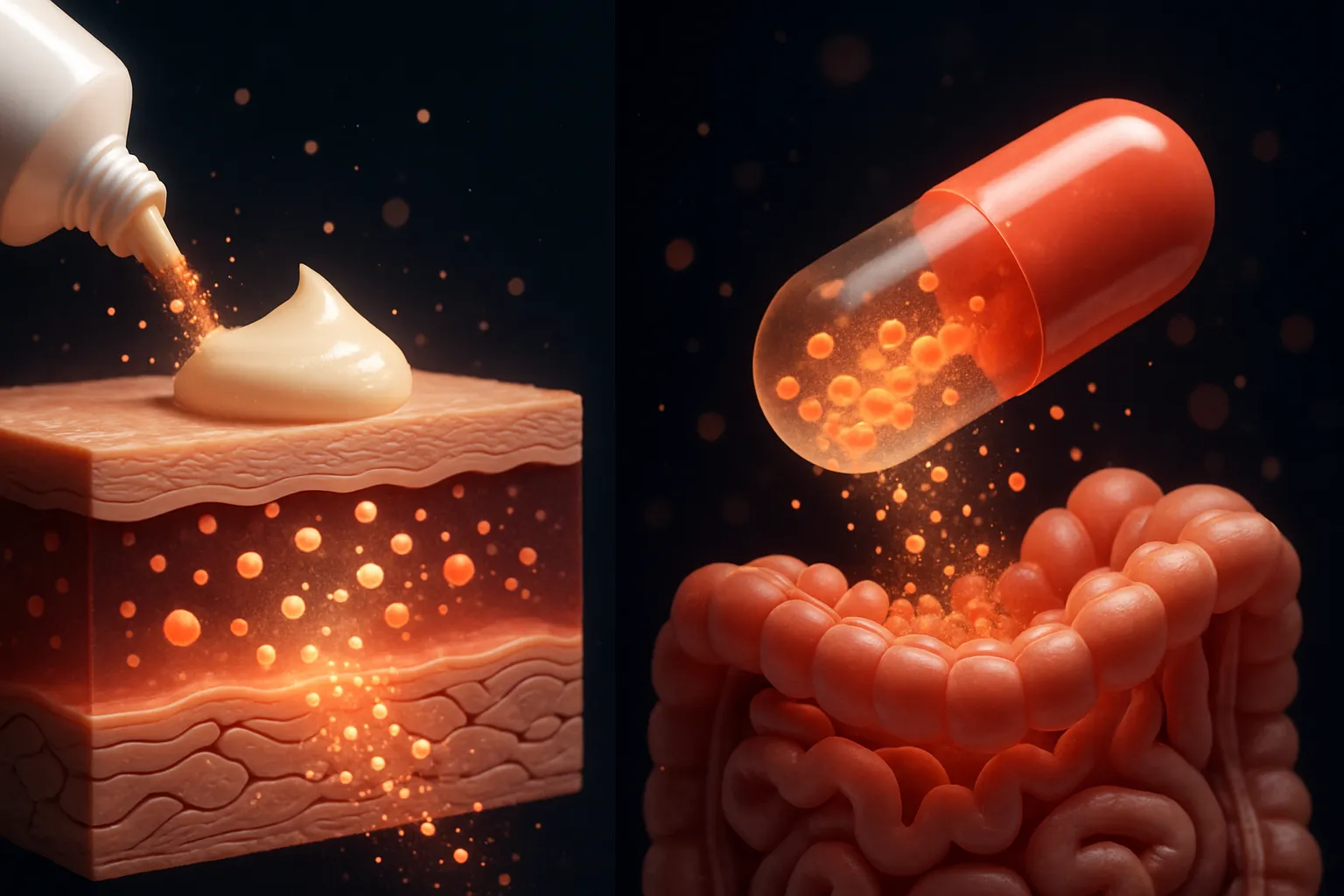
KPV is one of the few peptides documented across several routes, and the target determines which one. All doses below are documented research and community protocols, not recommendations.
| Route | Documented dose | Frequency | Best documented for |
|---|---|---|---|
| Oral | 500 mcg – 1 mg | Once daily, empty stomach (30 min before food) | Gut inflammation / IBD (PepT1 uptake rises in inflamed tissue) |
| Subcutaneous | 200 – 500 mcg | Once daily, 5-on/2-off | Systemic anti-inflammatory, skin inflammation |
| Sublingual | 200 – 500 mcg | Once daily (~60s submucosal hold) | Community-documented alternative to oral |
| Topical | ~7.5 mg (anecdotal) | Twice daily | Localized skin inflammation — least-established route |
Community protocols describe starting at the low end (200 mcg) to assess tolerance, then titrating toward the target.
Oral (most commonly documented for gut health): community protocols describe 500 mcg-1 mg daily on an empty stomach. PepT1 transporter actively imports KPV into intestinal epithelial cells. Sublingual use (200-500 mcg, with community reports describing 60-second submucosal retention) is documented in community protocols.
Subcutaneous (systemic effects): Community protocols describe injection into abdominal fat. Volume typically 0.1-0.2 mL. For systemic anti-inflammatory effects beyond the gut, skin inflammation, etc.
Topical (localized skin): Community sources describe topical KPV formulations applied directly to affected skin at anecdotally higher amounts (~7.5 mg twice daily), since transdermal absorption is far lower than injection. This is the least-established route — community-reported only, with no controlled human data.
| Goal | Route Documented in Protocols |
|---|---|
| Gut inflammation/IBD | Oral |
| Systemic inflammation | Subcutaneous |
| Skin inflammation | Subcutaneous |
| Localized skin patches | Topical (anecdotal) |
| General wellness | Oral |

Reconstitution Quick Reference
| Vial Size | BAC Water | Concentration | 500 mcg Dose |
|---|---|---|---|
| 10 mg | 2 mL | 5,000 mcg/mL | 10 units |
Math: community reconstitution protocols describe it as 10,000 mcg / 2 mL = 5,000 mcg/mL; a 500 mcg dose is then 0.1 mL (10 units). Protocols describe swirling gently, refrigerating, and using within 28 days.
For step-by-step reconstitution instructions, see the BPC-157 reconstitution guide — same technique applies to all lyophilized peptides.