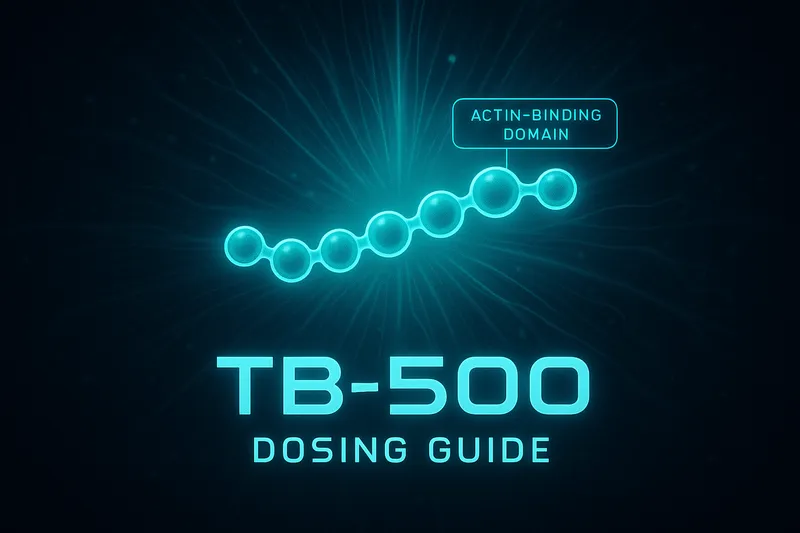
TB-500 is a synthetic 17-amino-acid fragment of Thymosin Beta-4, containing the active actin-binding domain responsible for cell migration and tissue repair. It's a cornerstone of healing peptide protocols, especially when stacked with BPC-157.
Research-context information only.TB-500 is a research peptide. Protocols, doses, and reactions reported below come from published research and self-reported community sources. This article reports what has been documented, not what should be done. Consult a licensed physician for personal medical decisions.
Clinical Status: No human trials exist for TB-500 specifically. All protocols are extrapolated from Thymosin Beta-4 research and animal studies. This is not medical advice.
TB-500 Dosing Table
Match your vial size below — reconstitution and dose math update automatically.
Reconstitute: add 2 mL of bacteriostatic water to the 5 mg vial. Resulting concentration: 2.5 mg/mL.
Dose
Syringe units
mL volume
Schedule
500 mcg
20 units
0.2 mL
Daily SubQStandard
750 mcg
30 units
0.3 mL
Daily SubQ
2 mg
80 units
0.8 mL
2x/week SubQLoading dose (week 1-4)
500 mcg20 units · 0.2 mL
Daily SubQ
Standard
750 mcg30 units · 0.3 mL
Daily SubQ
2 mg80 units · 0.8 mL
2x/week SubQ
Loading dose (week 1-4)
Math assumes U-100 insulin syringes (1 mL = 100 units). Verify your syringe matches before injecting. Round half-units to the nearest visible mark.
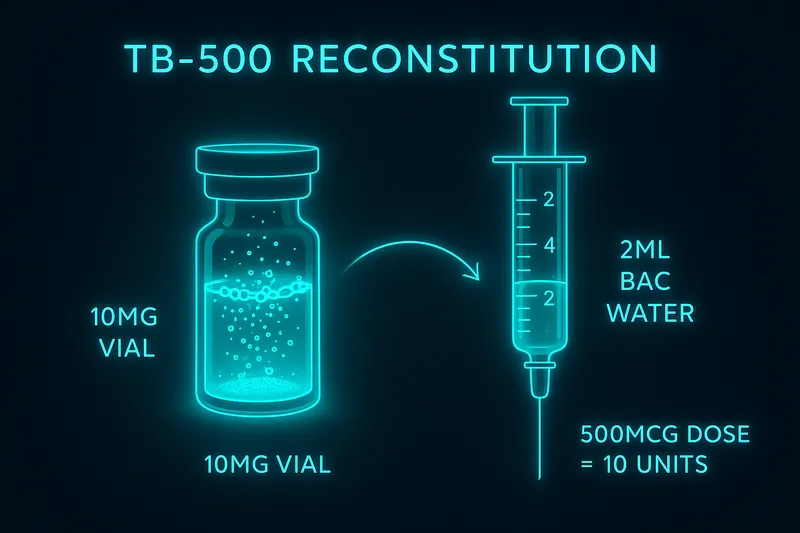
Reconstitute: add 2 mL of bacteriostatic water to the 10 mg vial. Resulting concentration: 5 mg/mL.
Dose
Syringe units
mL volume
Schedule
500 mcg
10 units
0.1 mL
Daily SubQStandard
1 mg
20 units
0.2 mL
Daily SubQ
2 mg
40 units
0.4 mL
2x/week SubQLoading
500 mcg10 units · 0.1 mL
Daily SubQ
Standard
1 mg20 units · 0.2 mL
Daily SubQ
2 mg40 units · 0.4 mL
2x/week SubQ
Loading
Math assumes U-100 insulin syringes (1 mL = 100 units). Verify your syringe matches before injecting. Round half-units to the nearest visible mark.
Reconstitute: add 4 mL of bacteriostatic water to the 20 mg vial. Resulting concentration: 5 mg/mL.
Dose
Syringe units
mL volume
Schedule
500 mcg
10 units
0.1 mL
Daily SubQStandard
1 mg
20 units
0.2 mL
Daily SubQ
2 mg
40 units
0.4 mL
2x/week SubQLoading
500 mcg10 units · 0.1 mL
Daily SubQ
Standard
1 mg20 units · 0.2 mL
Daily SubQ
2 mg40 units · 0.4 mL
2x/week SubQ
Loading
Math assumes U-100 insulin syringes (1 mL = 100 units). Verify your syringe matches before injecting. Round half-units to the nearest visible mark.
Reconstitute: add 6 mL of bacteriostatic water to the 30 mg vial. Resulting concentration: 5 mg/mL.
Dose
Syringe units
mL volume
Schedule
500 mcg
10 units
0.1 mL
Daily SubQStandard
1 mg
20 units
0.2 mL
Daily SubQ
2 mg
40 units
0.4 mL
2x/week SubQLoading
500 mcg10 units · 0.1 mL
Daily SubQ
Standard
1 mg20 units · 0.2 mL
Daily SubQ
2 mg40 units · 0.4 mL
2x/week SubQ
Loading
Math assumes U-100 insulin syringes (1 mL = 100 units). Verify your syringe matches before injecting. Round half-units to the nearest visible mark.
Quick Reference: Standard Protocol
Parameter
Standard Protocol
Dose
500 mcg (10 units on insulin syringe)
Route
Subcutaneous injection (systemic — site doesn't matter)
Timing
AM
Frequency
Every day
Cycle
8 weeks on, 8 weeks off
Vial size
10 mg
Reconstitution
2 mL bacteriostatic water → 5,000 mcg/mL
Draw amount
10 units on insulin syringe
Storage
Refrigerate, use within 28 days
Community-reported protocol: 500 mcg daily in the morning for 8 weeks, then 8 weeks off. TB-500 works systemically, so injection site location doesn't affect efficacy. For the full TB-500 profile, vendor pricing, and stacking options, see our TB-500 peptide page.
Cycling Details
The standard cycle is 8 weeks on, 8 weeks off. Tissue remodeling and healing effects build over 4-6 weeks and continue through the full 8-week window. Community protocols describe the off period as allowing receptor sensitivity to reset, with the rationale that cycling may prevent receptor downregulation — though no direct TB-500 human trial data exists to confirm this.
Unlike some peptides, TB-500 protocols use consistent daily dosing throughout the cycle — no loading or tapering needed. The daily protocol is preferred because TB-500's half-life supports once-daily dosing, and consistent levels optimize the cellular repair processes it targets (Kim & Bhatt, 2013).
Enhanced Protocol (Community)
Note: The standard protocol above reflects the common community protocol. The enhanced protocol below is based on community experience.
Parameter
Enhanced Protocol
Dose
2–2.5 mg twice weekly
Frequency
2x per week
Weekly total
4–5 mg (vs 3.5 mg standard)
Use case
Less frequent injections, mimics TB-4 research protocols
Some users prefer twice-weekly pulsing for convenience. Weekly totals are similar, but daily dosing provides more stable tissue levels.
Routes of Administration
Subcutaneous (standard): Protocols describe injecting anywhere convenient — abdomen, thigh, upper arm. TB-500 distributes systemically regardless of site. A 29-31 gauge insulin syringe is commonly used.
Intramuscular: Occasionally used but offers no advantage over subcutaneous for a systemic peptide like TB-500.
Not recommended: Oral (peptide degradation), nasal (no data), topical (molecular weight too large).
Bac Water Made for Peptides50% off
Don't risk a $300 peptide on generic bac water.
Most cloudy reconstitutions trace back to one thing — and it isn't the peptide. Sterile, non-pyrogenic, 0.9% benzyl alcohol — formulated for peptide reconstitution, not repackaged from generic stock.
✓ 0.9% benzyl alcohol✓ Made for peptides✓ 30 mL multi-dose
10 mg vial + 2 mL BAC water = 5,000 mcg/mL. A 500 mcg dose draws to 10 units on an insulin syringe under this reconstitution. One vial covers 20 days at this protocol.
Community protocols describe gentle swirling — not shaking — then refrigerating at 2-8°C and using within 28 days. For the full step-by-step walkthrough, see the TB-500 Reconstitution Guide.
Affiliate disclosure: vendor links in this article are affiliate links — The Peptide Catalog may earn a commission if you buy through them, at no additional cost to you.
Where These Numbers Come From
Community TB-500 dosing is extrapolated from Thymosin Beta-4 research, adjusted for molecular weight differences.
Phase I Human Safety (Ruff et al., 2010): IV doses up to 1,260 mg were well-tolerated in healthy subjects with no dose-limiting toxicities — linear pharmacokinetics across the dose range.
Animal Efficacy Studies: Standard research dose of 6-30 mg/kg in rodents. Cardiac protection at 6 mg/kg IV twice weekly (Bock-Marquette et al., 2004).
Scaling logic: TB-500 is the 17-23 amino acid fragment (~845 Da) of full TB-4 (~4,921 Da). Pro-rata scaling from TB-4 protocols of 2-10 mg/week gives 0.34-1.7 mg/week. The community settled on 3.5 mg/week (500 mcg daily) — the middle of this range. The LKKTET motif in TB-500 captures the core actin-binding mechanism at a fraction of the cost (Malinda et al., 1999).
Stacking Protocols
TB-500 + BPC-157 (The Gold Standard Healing Stack)
Good for skin healing, anti-aging, and cosmetic recovery protocols.
Side Effects & Safety
Injection site irritation — mild redness, transient
Mild fatigue — first week of use, typically resolves
Transient muscle/joint aches — as healing ramps up
Occasional headaches — uncommon
Mild nausea — rare
Theoretical cancer concern — TB-500 promotes cell migration; no studies show tumor promotion, but caution warranted with existing cancers
No long-term human data — TB-500 specifically has no direct human trials
mg to Units Conversion
On a standard 100-unit insulin syringe, each "unit" equals 0.01 mL (so 100 units = 1 mL). Once TB-500 is reconstituted, the conversion from a target dose to syringe units depends on the chosen dilution.
The two reconstitution ratios most often described in community protocols are below.
Reconstitution A: 10 mg vial + 2 mL BAC water (5 mg/mL) — the standard dilution from the Quick Reference above.
Dose (mcg)
Volume (mL)
Units (insulin syringe)
250 mcg
0.05 mL
5 units
500 mcg
0.1 mL
10 units
750 mcg
0.15 mL
15 units
1000 mcg
0.2 mL
20 units
Reconstitution B: 10 mg vial + 3 mL BAC water (3.33 mg/mL) — more BAC water for larger, easier-to-measure draws.
Dose (mcg)
Volume (mL)
Units (insulin syringe)
250 mcg
0.075 mL
7.5 units
500 mcg
0.15 mL
15 units
750 mcg
0.225 mL
22.5 units
1000 mcg
0.3 mL
30 units
These conversions reflect the dilutions documented in community reconstitution protocols. They report how the math is described, not a recommended dosing schedule.
Core Supplies for This Protocol
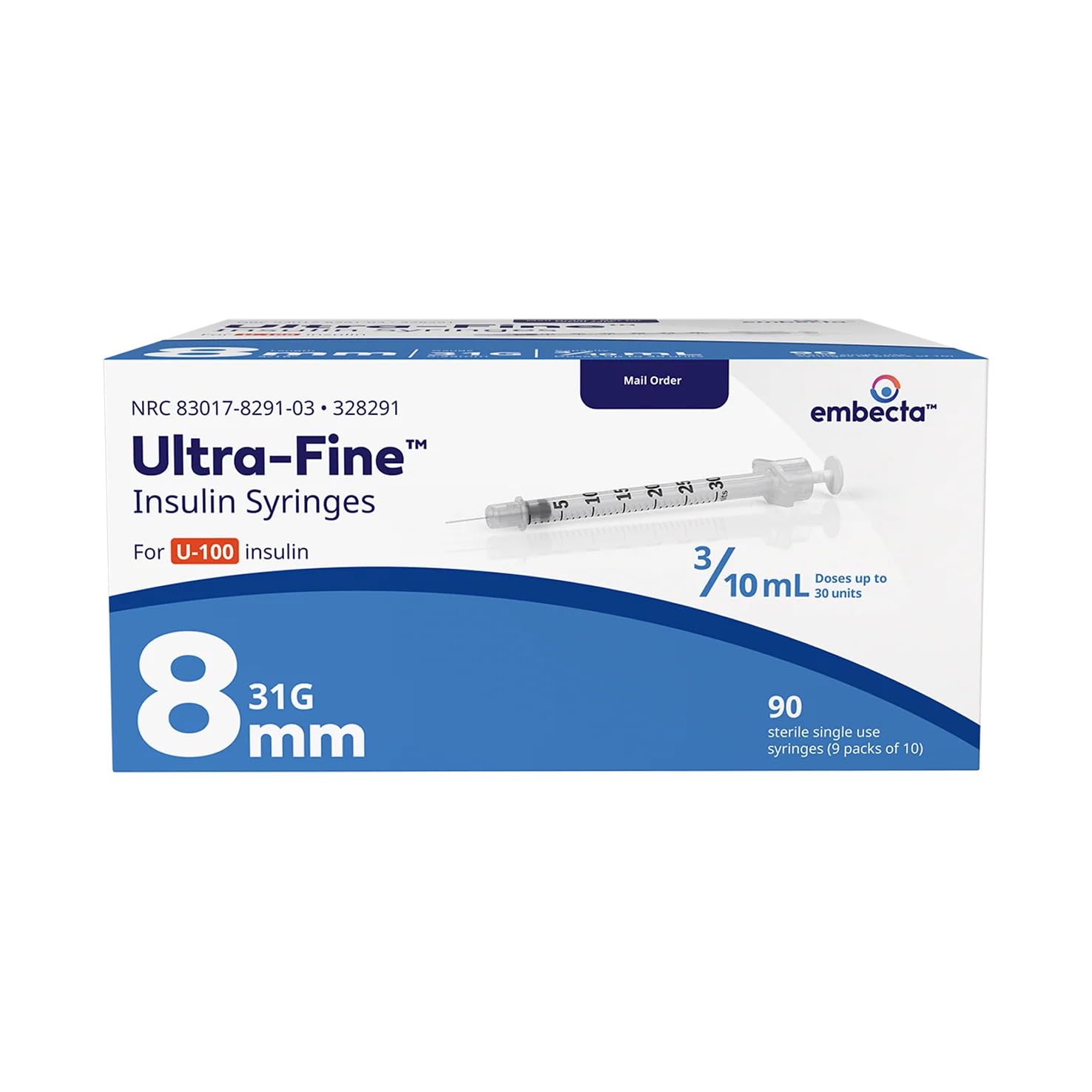
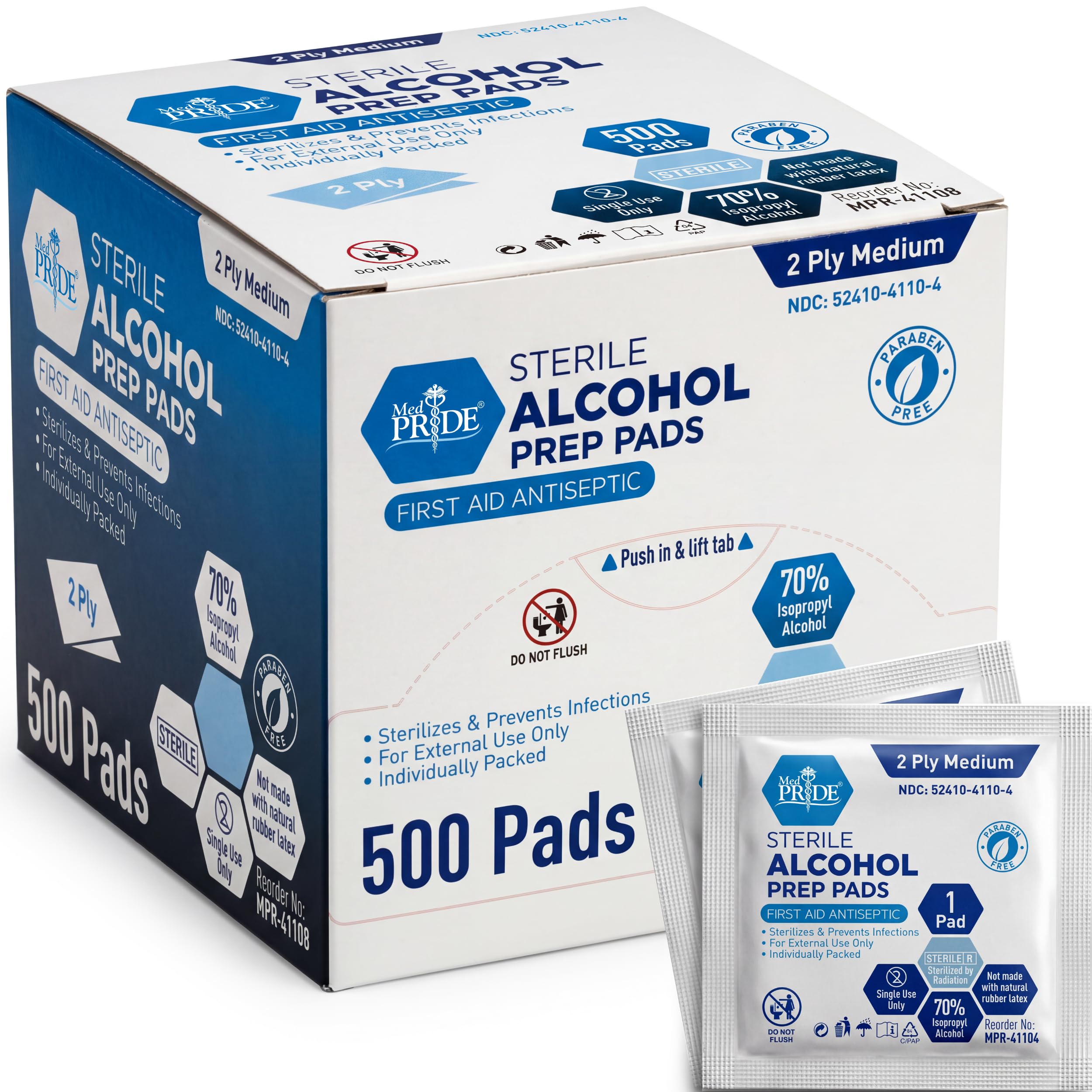
The essentials for running any reconstituted injectable: cold storage, accurate syringes, alcohol prep pads, and metabolic tracking.
What doses do community protocols and Thymosin Beta-4 research report for TB-500?
Community-reported protocols document 500 mcg daily via subcutaneous injection in the morning, cycled 8 weeks on / 8 weeks off. The most common reconstitution described uses a 10 mg vial with 2 mL bacteriostatic water; at that dilution, a 500 mcg dose corresponds to 10 units on an insulin syringe.
Does injection site matter with TB-500?
No — TB-500 works systemically regardless of injection site. Unlike BPC-157 which some inject near injuries, TB-500 circulates throughout the body and affects healing globally. Protocols describe injecting wherever is convenient (abdomen, thigh, arm).
How long do documented TB-500 community protocols typically run?
Most protocols run 8 weeks on, 8 weeks off. Tissue remodeling and healing effects peak around 4-6 weeks but continue through 8 weeks. Cycling prevents potential receptor downregulation.
Are there human clinical trials for TB-500?
No direct human trials exist for TB-500. However, the parent molecule Thymosin Beta-4 has Phase I safety data showing IV doses up to 1,260mg were well-tolerated in healthy subjects.
Can TB-500 and BPC-157 be taken together?
Yes — this is the most popular healing peptide stack. They work through different mechanisms (TB-500 handles cell migration and actin remodeling; BPC-157 drives angiogenesis and growth factors) and are highly complementary.
How is TB-500 reconstituted?
Protocols describe adding 2 mL of bacteriostatic water to a 10 mg vial for 5,000 mcg/mL concentration. A 500 mcg dose equals 10 units on an insulin syringe. Refrigerated storage, used within 28 days, is the documented approach.
For educational and research purposes only. This is not medical advice. TB-500 has no FDA-approved indications and is not intended for human consumption.